
Visa for Taiwan
Program: Digital Nomad Visitor Visa (數位遊牧停留簽證) — launched January 2025
Duration: 6 months (3 months initially, extendable for 3 more months from within Taiwan). Government discussions ongoing to extend to 2 years. ALTERNATIVE: Taiwan Employment Gold Card (1–3 years, higher requirements, includes open work permit + ARC).
Income: Applicants aged 30+: minimum annual income of USD $40,000 in either of the last 2 years. Applicants aged 20–29: minimum annual income of USD $20,000. Additionally: bank balance of min USD $10,000 for last 6 months. ALTERNATIVE route: proof of having previously received a digital nomad visa from another country.
Full Taiwan DNV guideTaiwan does not currently offer a dedicated digital nomad visa. Most nomads use visa-exempt entry (14-90 days depending on nationality) or apply for a 90-day tourist visa extendable once for another 90 days. The Gold Card is a work permit for highly skilled professionals in specific fields requiring NT$160,000+ monthly income or notable achievements. Business visas and language student visas are alternatives. Check Taiwan's Bureau of Consular Affairs for your nationality's specific requirements and recent policy changes.
Cost of Living in Taipei
Cost data verified May 2026Best Neighborhoods for Nomads
Daan District
Central residential area with parks, cafes, universities, and excellent MRT access popular with young professionals and expats.
Xinyi District
Modern business hub surrounding Taipei 101 with luxury shopping, international restaurants, and premium apartments.
Zhongshan District
Centrally located creative quarter with art galleries, boutique hotels, and a mix of traditional and hipster cafes.
Neihu District
Tech and business park area with modern apartments, lower density, and proximity to hiking trails and the waterfront.
Beitou District
Northern neighborhood famous for hot springs, mountain access, and a relaxed pace away from the urban core.
Internet & Infrastructure
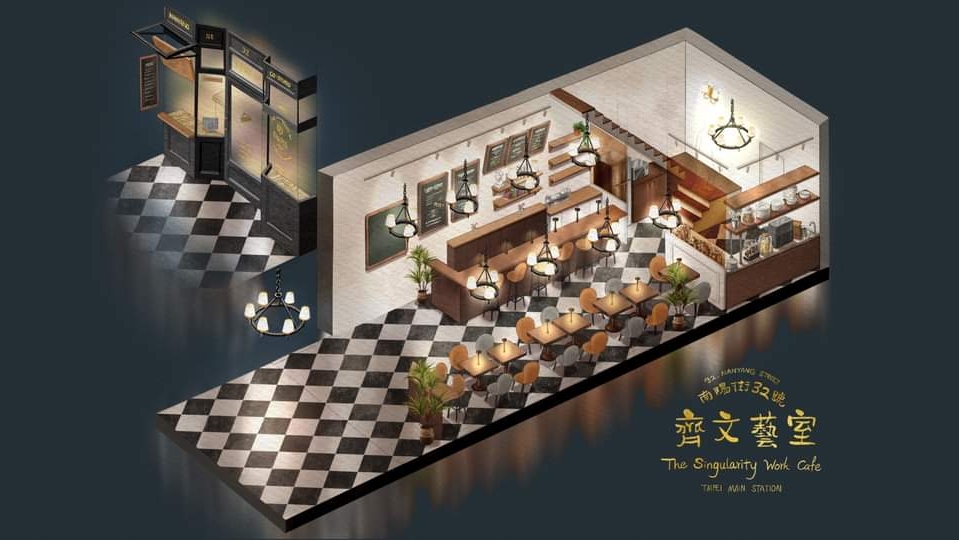
Coworking & cafés in Taipei
8 verified workspaces · cross-checked against Google Places & reviewed manually · no paid placements
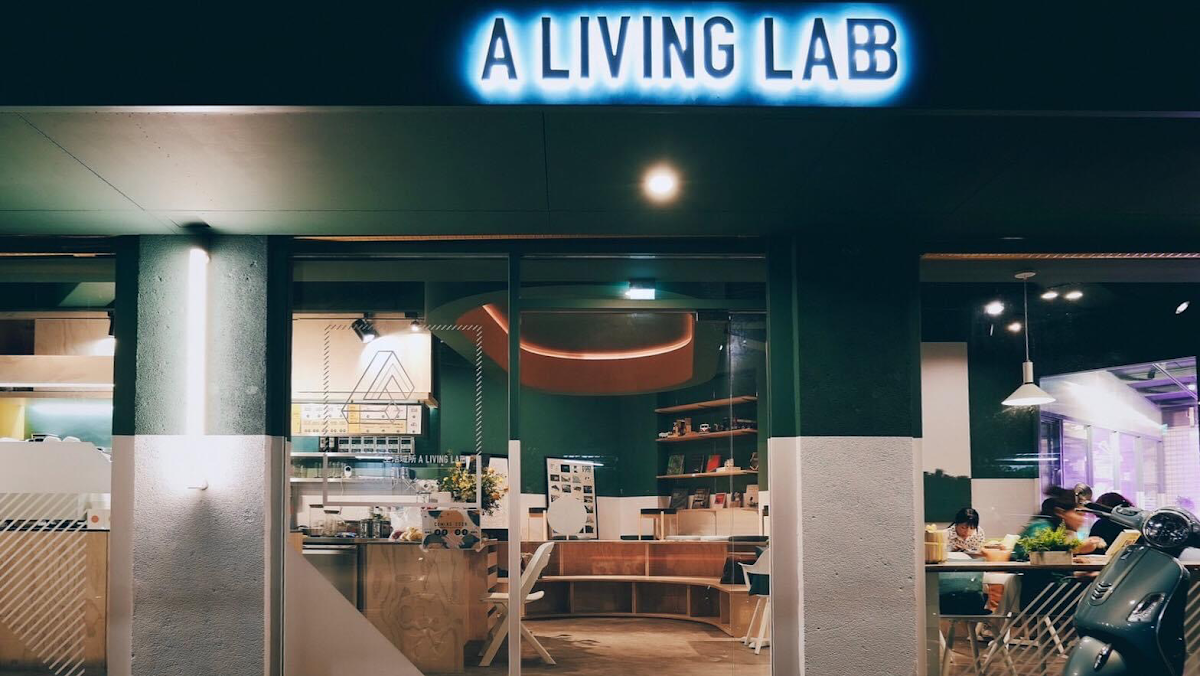

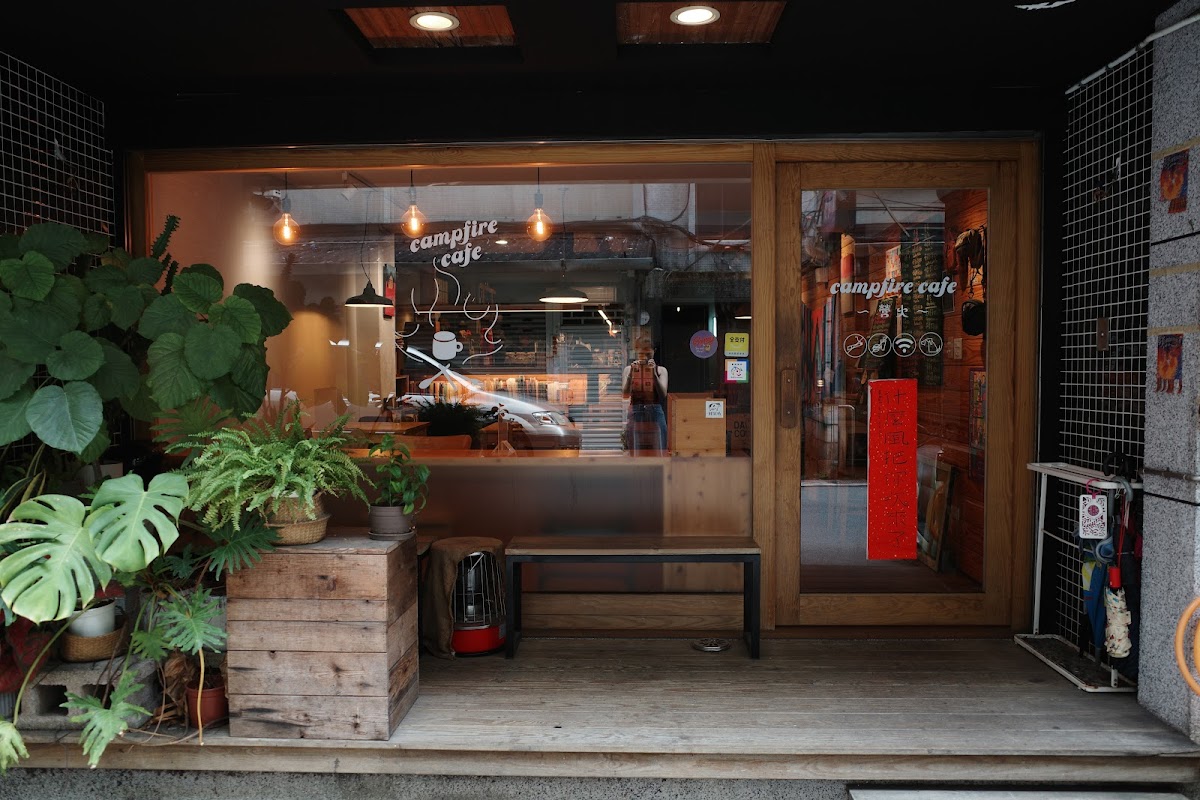
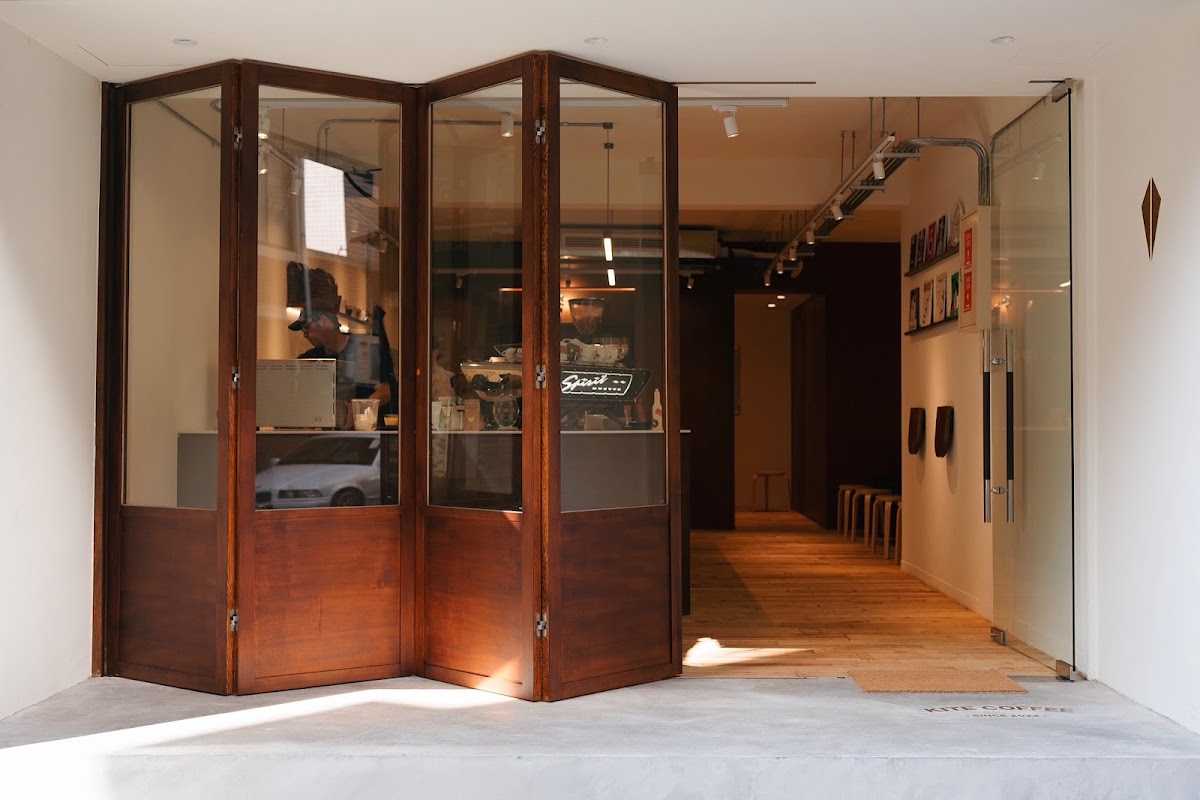
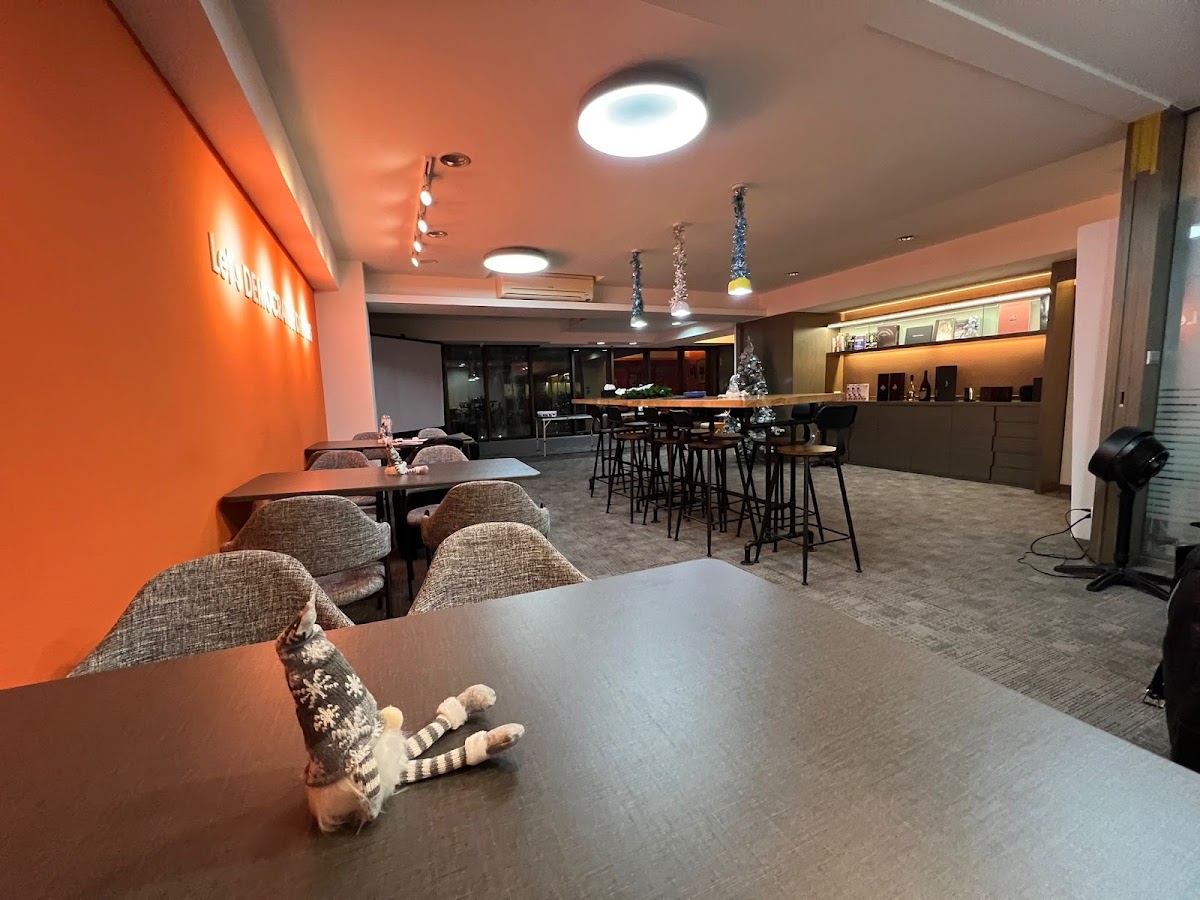

Things to Do in Taipei
Taipei has hundreds of cafes with excellent WiFi, comfortable seating, and no pressure to leave after one drink—perfect for productive work sessions.
Shilin, Raohe, and Ningxia night markets offer affordable local food, shopping, and authentic cultural immersion after work hours.
A quick 20-minute hike from the city center provides stunning views of Taipei 101 and the skyline, ideal for exercise and clearing your head.
Natural hot springs accessible by MRT offer relaxation and a wellness break from screen time without leaving the city.
Regular events help nomads practice Mandarin, meet locals and other foreigners, and build a social network in the city.
Pros & Cons
Pros
- Exceptionally fast and reliable internet at 210 Mbps in cafes and coworking spaces
- Very high safety index of 82.50 with low crime and safe streets at all hours
- Excellent public healthcare system with affordable costs and English-speaking doctors
- World-class public transportation via MRT with unlimited monthly passes under $60
- Outstanding food scene from $2 street food to Michelin-starred restaurants
- Convenient location for exploring Asia with affordable flights throughout the region
- 24-hour convenience stores (7-Eleven, FamilyMart) on nearly every block with bill payment and services
Cons
- Hot and extremely humid summers from June to September with frequent rain
- Limited English outside expat areas making daily tasks and bureaucracy challenging
- Smaller digital nomad community compared to Southeast Asian hubs means fewer networking events
- Apartments tend to be compact with older buildings lacking modern amenities
- Air quality can deteriorate in winter months due to pollution from mainland China
- Social culture is more reserved making it harder to form deep local friendships quickly