
Visa for Iceland
Program: Long-Term Visa for Remote Work (Langtímaáritun)
Duration: 90 to 180 days (up to 6 months maximum). Non-renewable — must leave Iceland after expiry and wait 12 months before reapplying.
Income: Minimum ISK 1,000,000/month (~USD $7,000–$8,200 at April 2026 rates) for single applicant. ISK 1,300,000/month (~USD $9,000–$10,700) if applying with a spouse or cohabiting partner. One of the highest income thresholds globally.
Full Iceland DNV guideIceland does not currently offer a dedicated digital nomad visa. EU/EEA/EFTA citizens can stay and work freely. Others typically use the 90-day Schengen tourist visa (90 days within 180-day period). For longer stays, nomads must pursue residence permits through self-employment registration, which requires demonstrating viable business activity and sufficient funds, or explore the startup visa route. Processing times vary from 4-12 weeks. Check official Directorate of Immigration (utl.is) for current requirements as regulations evolve.
Cost of Living in Reykjavik
Cost data verified May 2026Best Neighborhoods for Nomads
101 Downtown
The historic heart with colorful houses, cafés, nightlife, and walking distance to everything that matters.
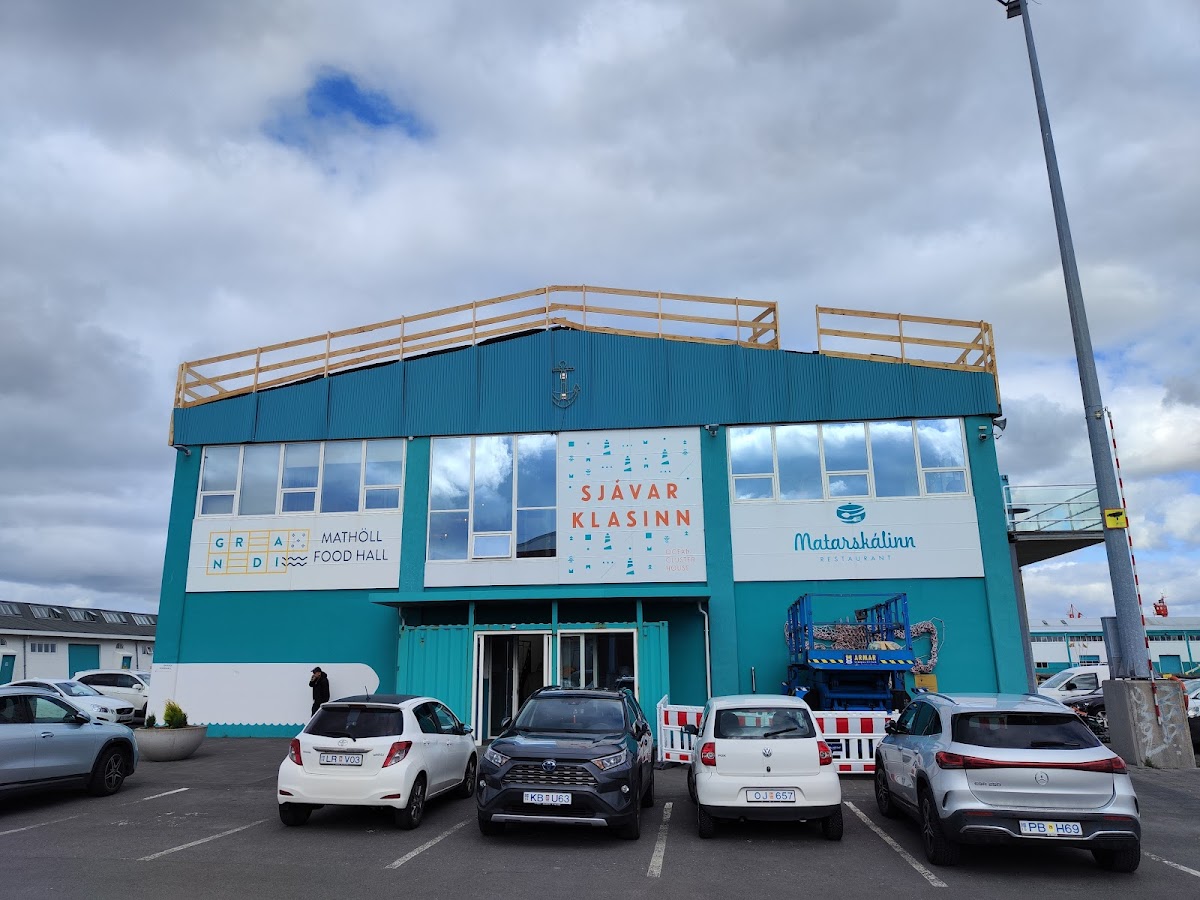
Grandi
Former harbor turned hip district with warehouse conversions, breweries, museums, and harbor views.
Vesturbær (West Town)
Residential charm near the university with local cafés, less tourist traffic, and proximity to coastal paths.
Hlemmur/Laugardalur
Near the iconic geothermal pool complex and botanical gardens, slightly more affordable with good bus connections.
Kópavogur
Neighboring town just south of Reykjavik with more space and lower costs while remaining well-connected.
Internet & Infrastructure
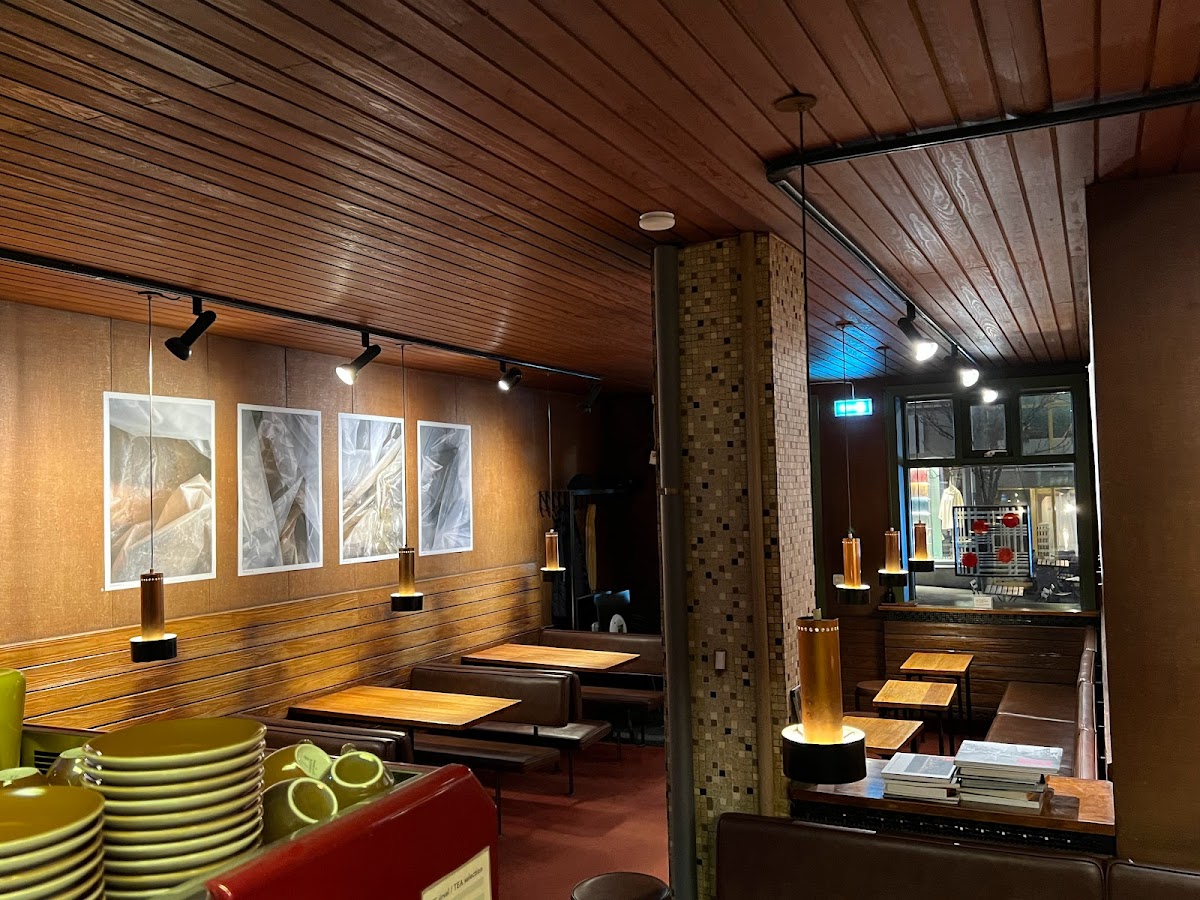
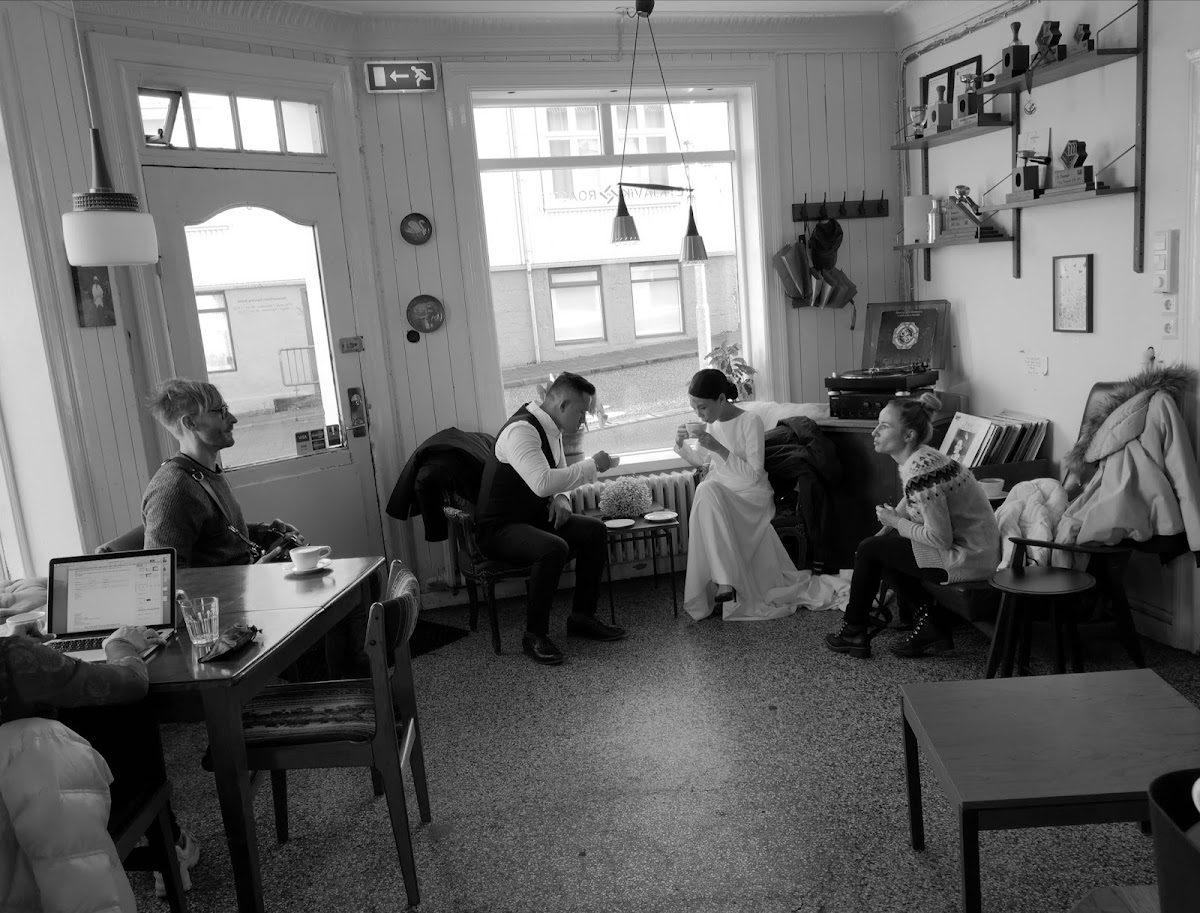
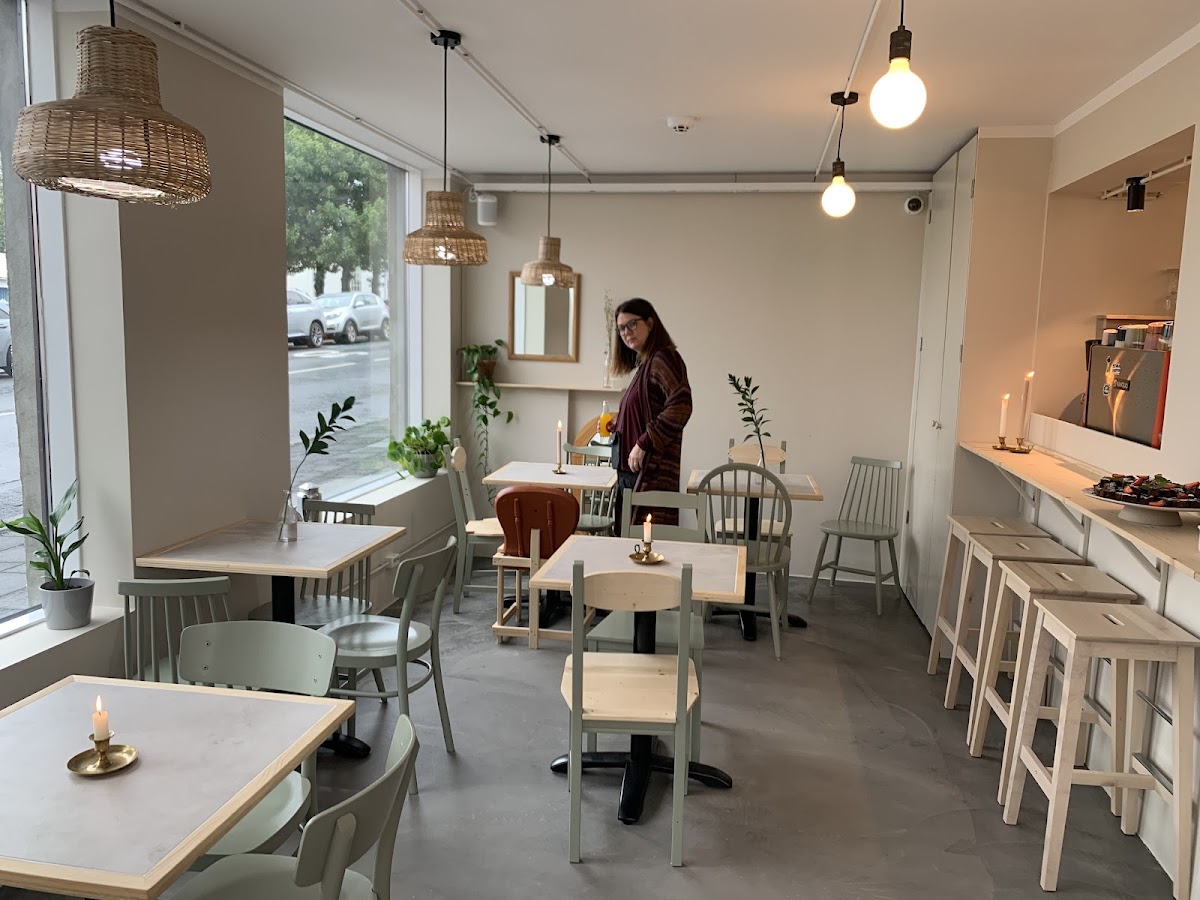
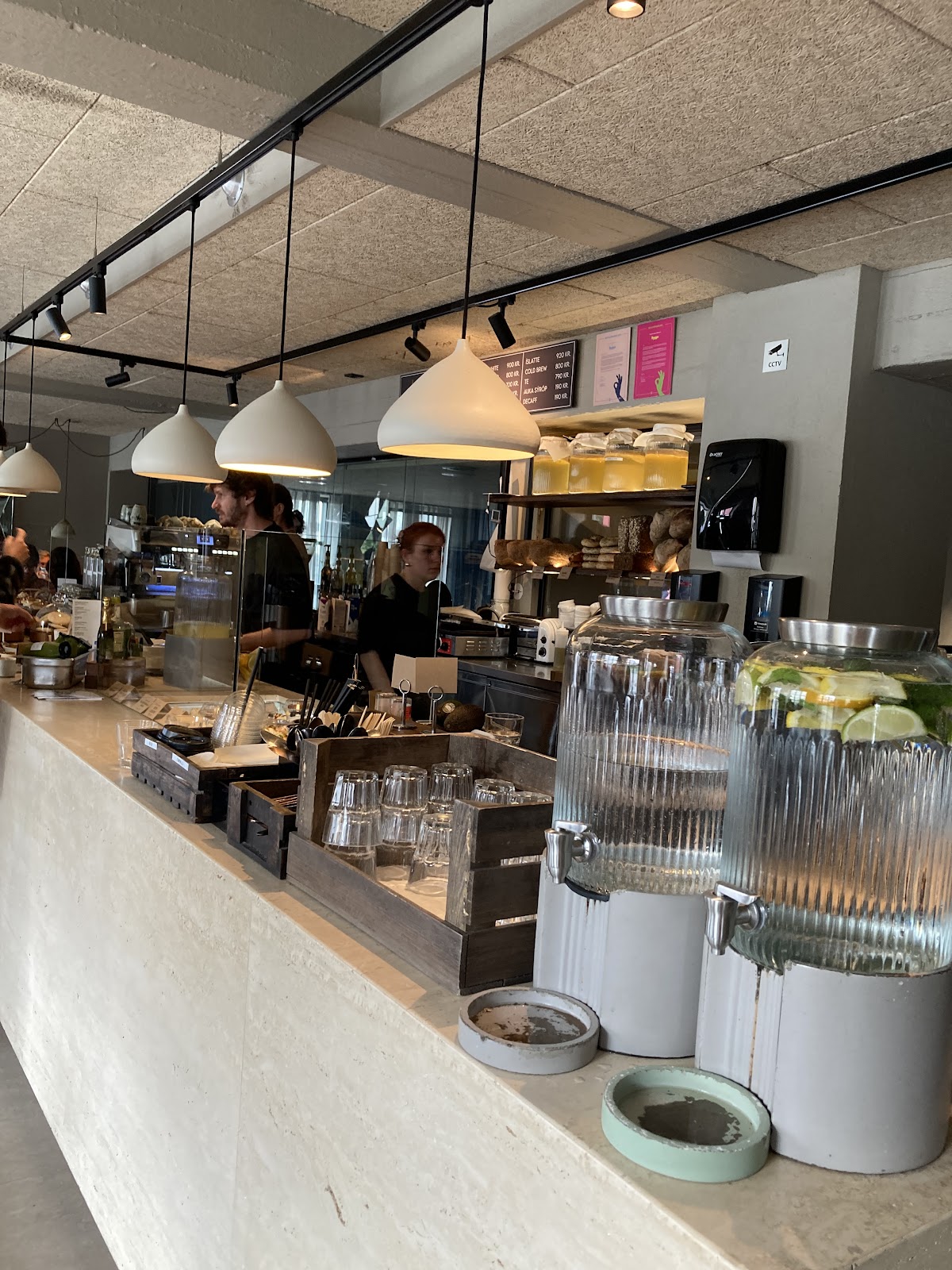
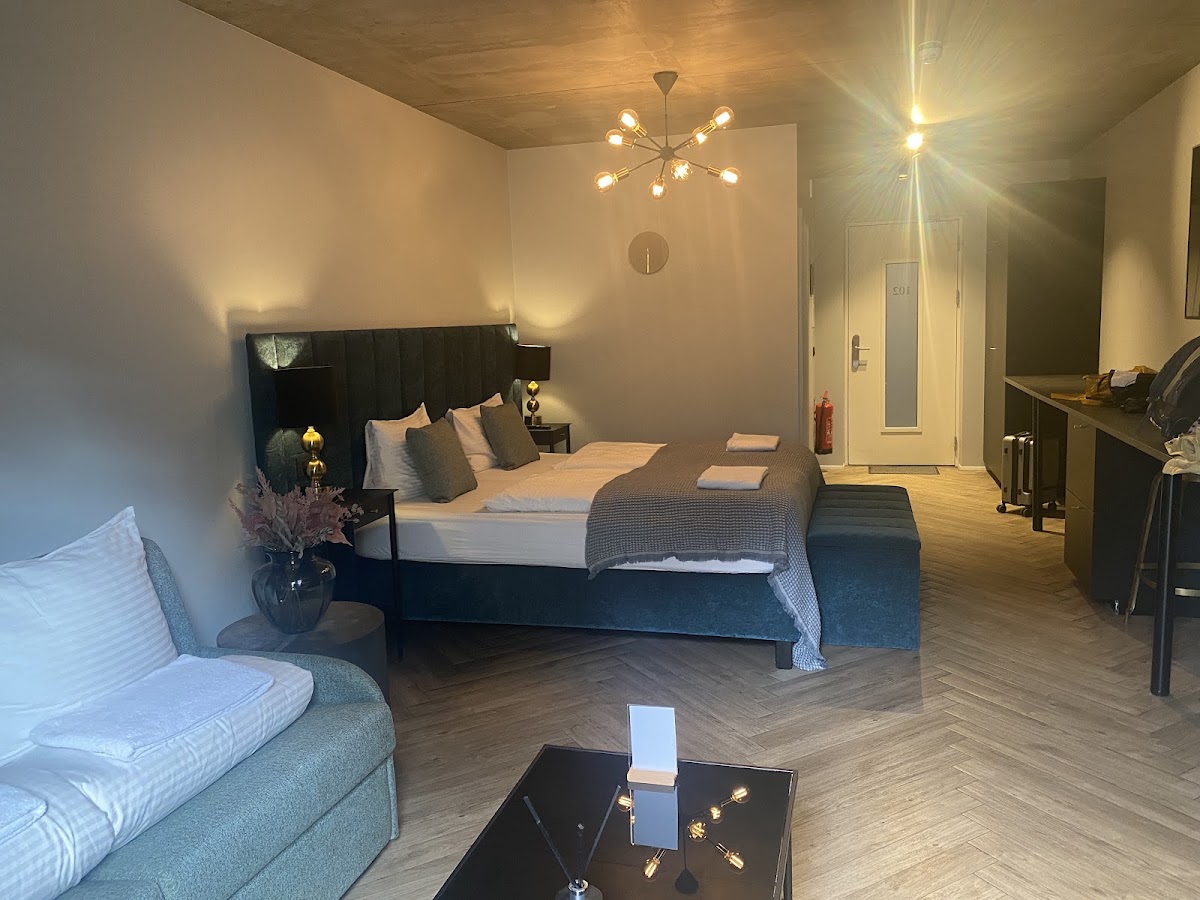
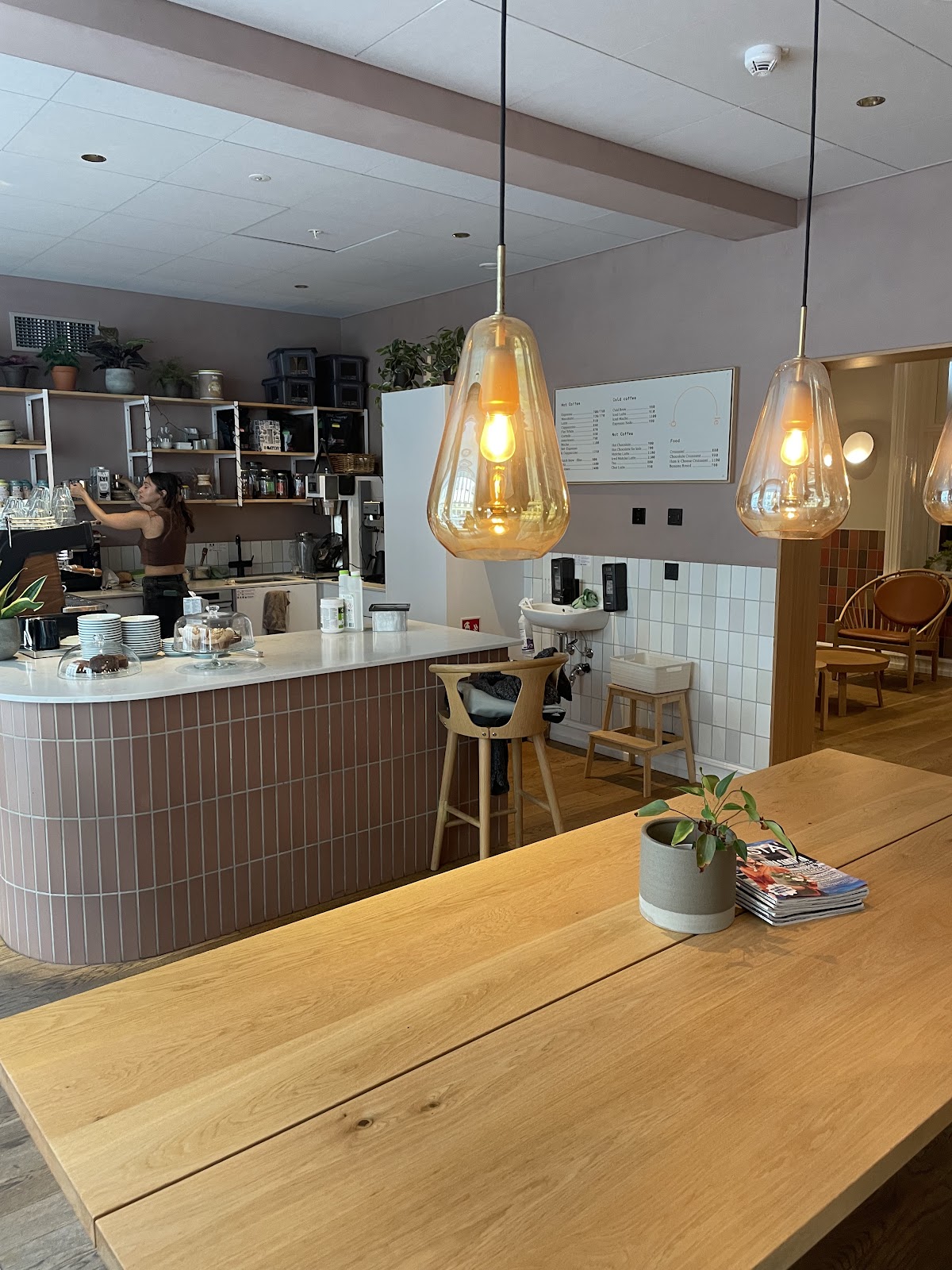
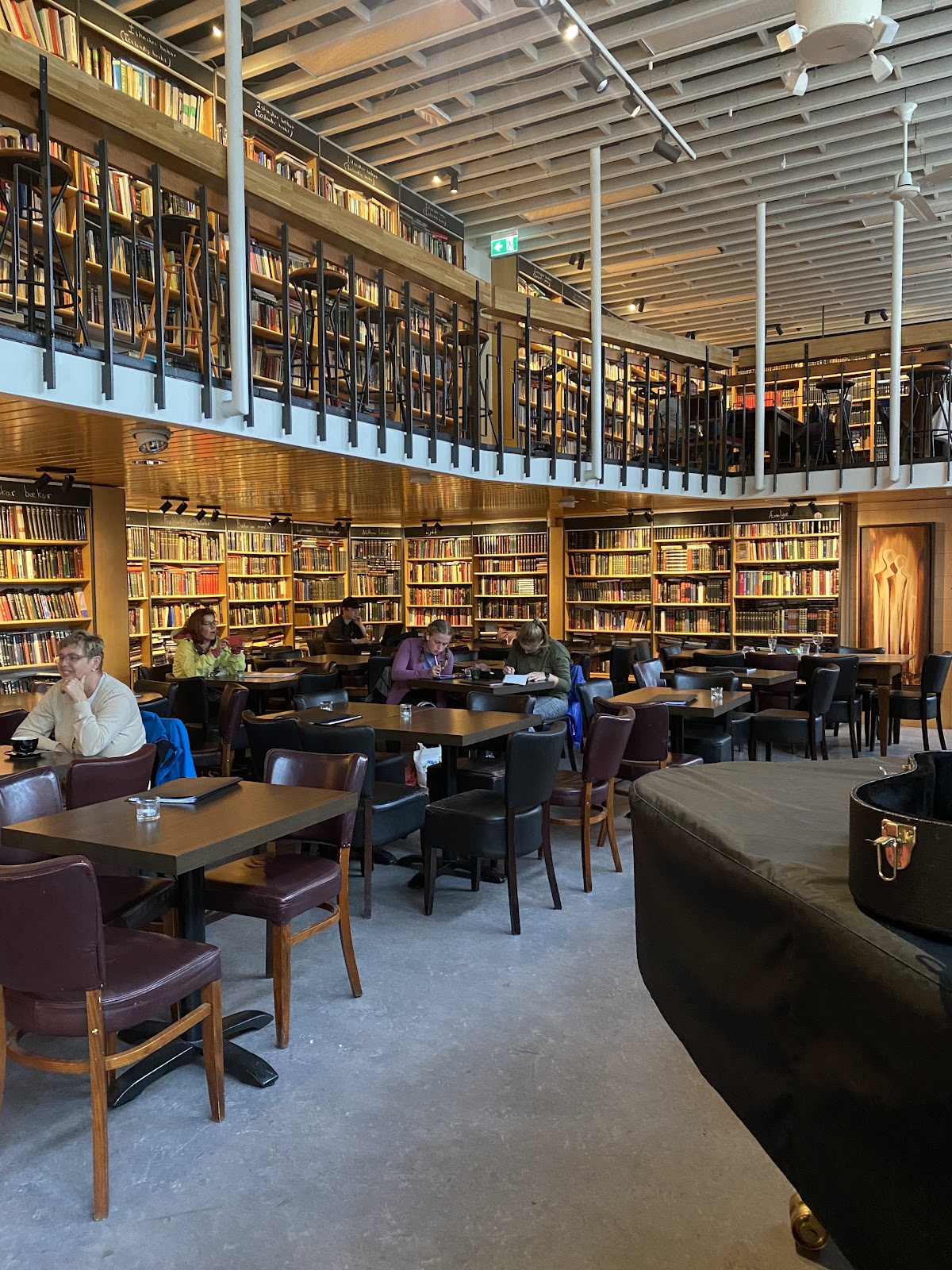
Coworking & cafés in Reykjavik
8 verified workspaces · cross-checked against Google Places & reviewed manually · no paid placements
Things to Do in Reykjavik
Work remotely from cafés then decompress at Sundhöllin, Laugardalslaug, or secret local pools—essential Icelandic ritual.
Þingvellir National Park, Geysir, and Gullfoss waterfall offer weekend reset just 90 minutes from your desk.
Iceland Airwaves festival venue and year-round performances showcase why this tiny nation dominates music charts.
Third-wave coffee culture thrives here—perfect WiFi-enabled workspaces with Nordic design sensibility.
September-April darkness means aurora-chasing becomes your evening entertainment and Instagram content goldmine.
Pros & Cons
Pros
- Lightning-fast 210 Mbps average internet with fiber availability throughout the city
- Exceptional safety (89.50/100) with virtually no petty crime or harassment concerns
- English spoken universally—no language barrier for work or daily life
- Weekend access to glaciers, waterfalls, volcanoes, and highlands within 1-2 hours
- Thriving coworking and startup scene with events tailored to international professionals
- Geothermal energy makes heating affordable despite climate
- Strong gender equality and progressive social values create inclusive environment
Cons
- Extremely high cost of living at $3500+/month, among Europe's most expensive cities
- Harsh winter darkness with only 4-5 daylight hours from November-January affects mood
- Geographic isolation makes quick European weekend trips impractical and expensive
- Limited food diversity and restaurant options compared to larger European capitals
- Constant strong winds year-round make outdoor work or calls challenging
- Small expat community means social circles can feel repetitive after several months