
Visa for Uruguay
Program: Provisional Identity Card for Digital Nomads (Hoja de Identidad Provisoria para Nómadas Digitales)
Duration: 6 months initially. Renewable for 1 additional 6 months (maximum 12 months total). After 12 months of residence, can apply for permanent residency.
Income: No official minimum income requirement. Must sign a sworn affidavit confirming sufficient means to support yourself during stay. Practical guideline: approximately USD $1,500–$2,000/month recommended to demonstrate financial self-sufficiency.
Full Uruguay DNV guideUruguay offers a relatively straightforward temporary residency process for remote workers, though there's no specific digital nomad visa. Most nomads enter visa-free (90 days for many nationalities) and either do border runs or apply for temporary residency, which requires proving income (around $1,500/month), a clean criminal record, and health certificate. Processing typically takes 3-6 months. Tax residency requires 183+ days in-country. Check official Dirección Nacional de Migración sources for current requirements.
Cost of Living in Montevideo
Cost data verified May 2026Best Neighborhoods for Nomads
Pocitos
Beachfront residential area with the best infrastructure, gyms, supermarkets, and a strong expat presence.
Punta Carretas
Upscale neighborhood with the iconic shopping mall, coastal parks, and excellent restaurants.
Ciudad Vieja
Historic old town with colonial architecture, art galleries, and weekend markets attracting creative types.
Parque Rodó
Central neighborhood near the park and beach with good café culture and more affordable options.
Carrasco
Upscale residential area near the airport with spacious properties and a quieter, suburban feel.
Internet & Infrastructure
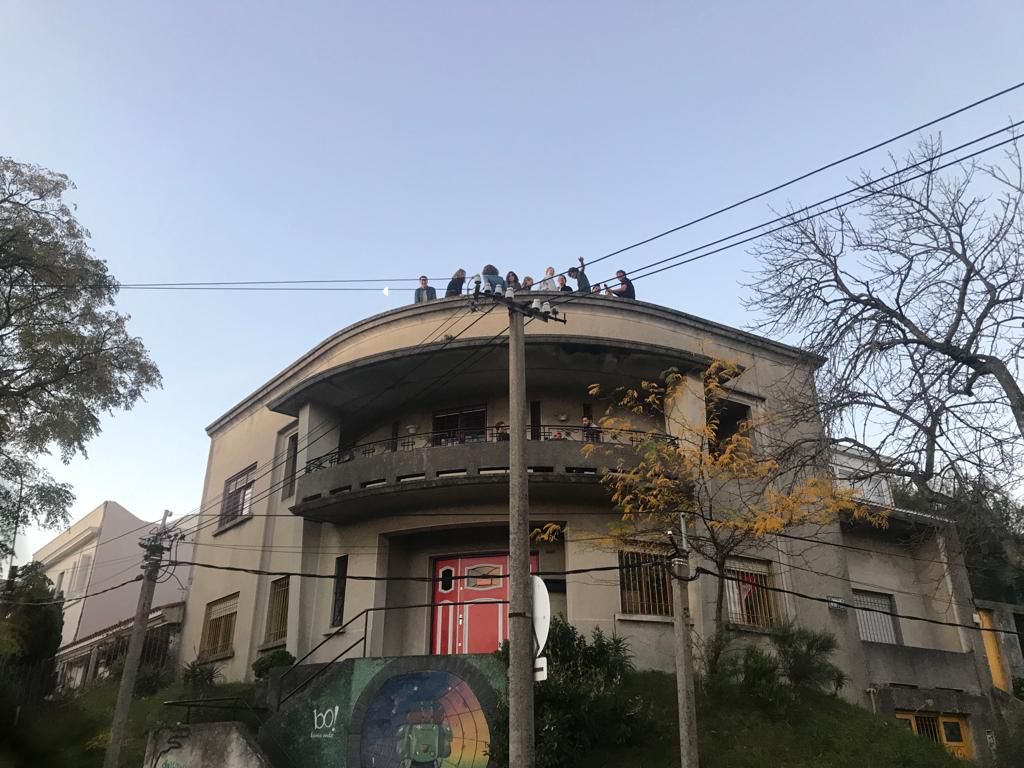
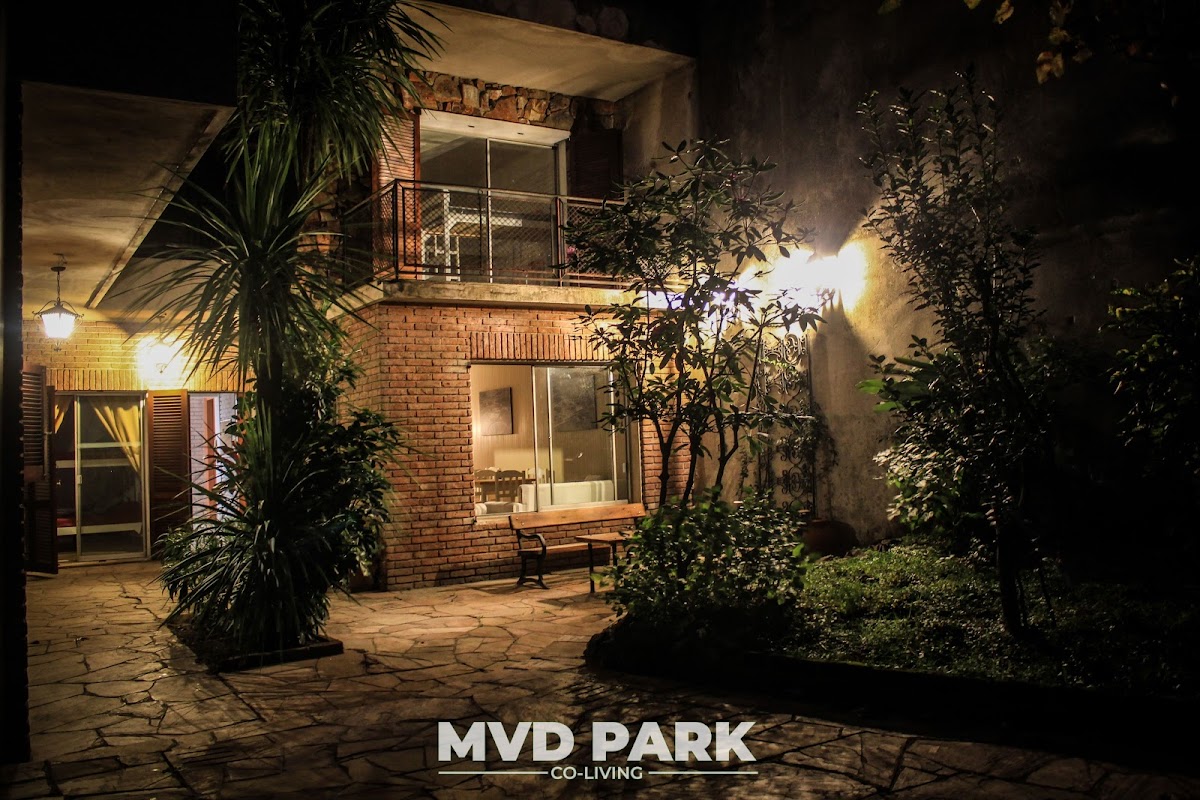
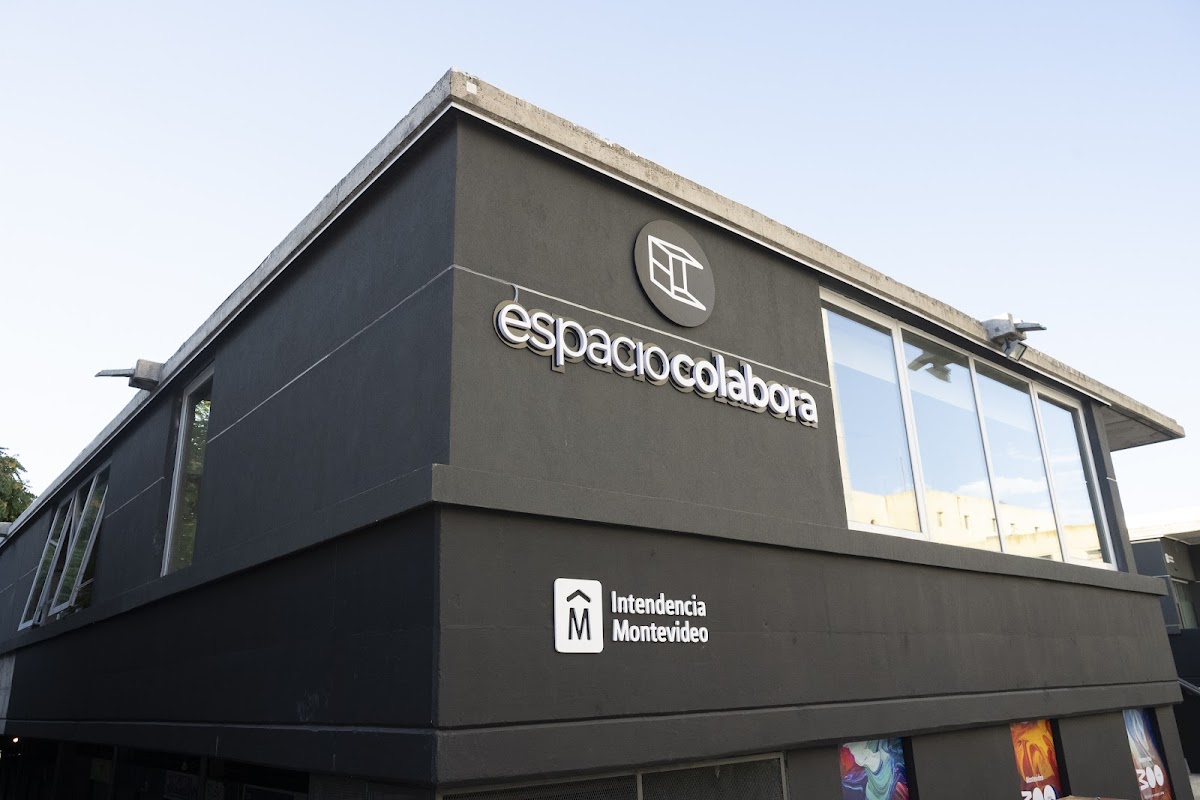
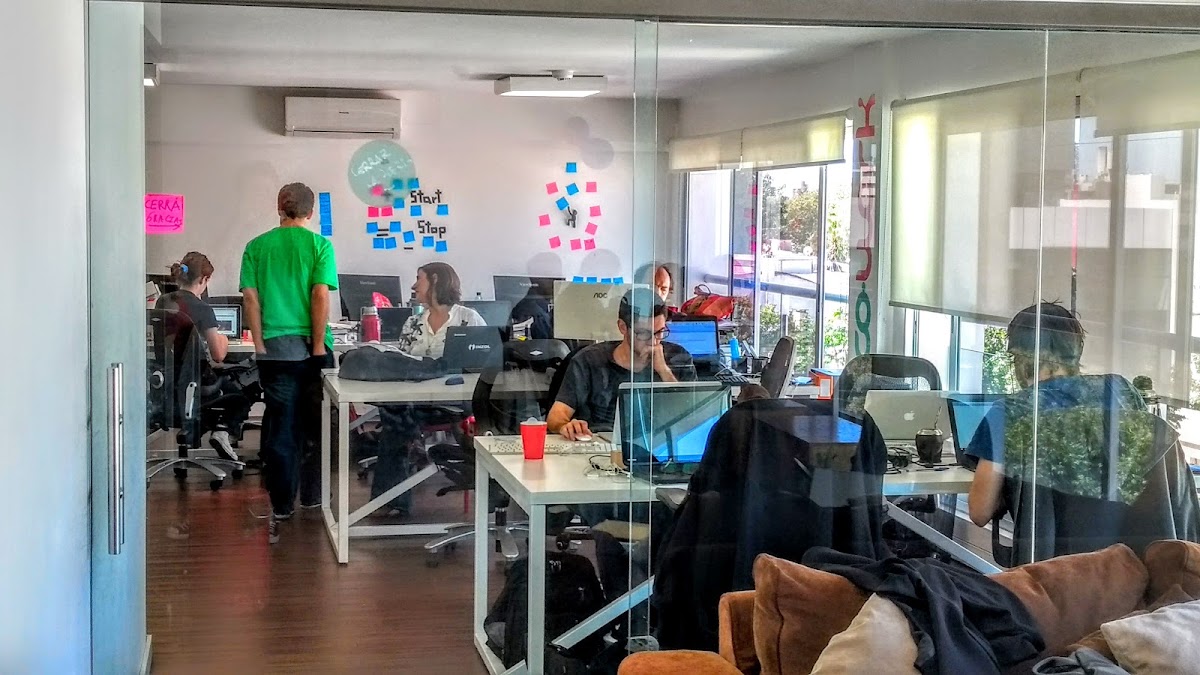
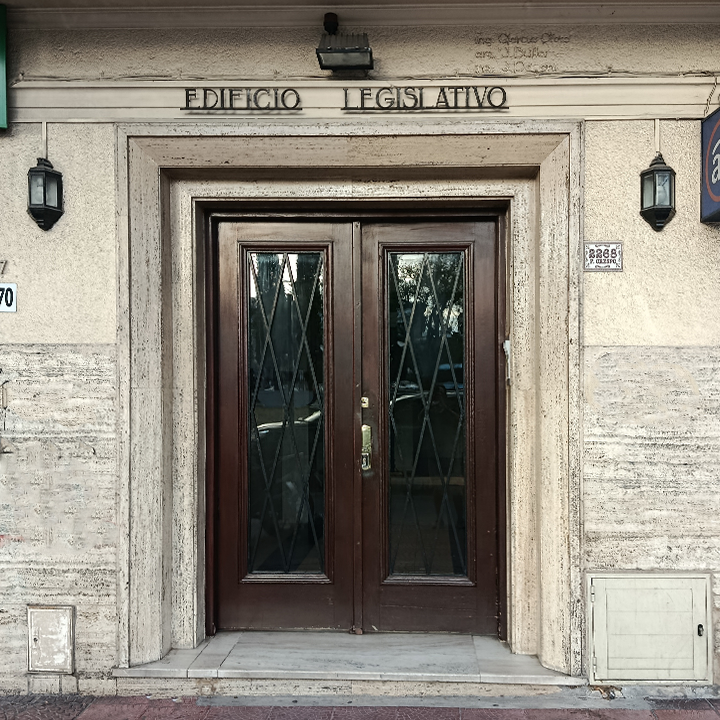
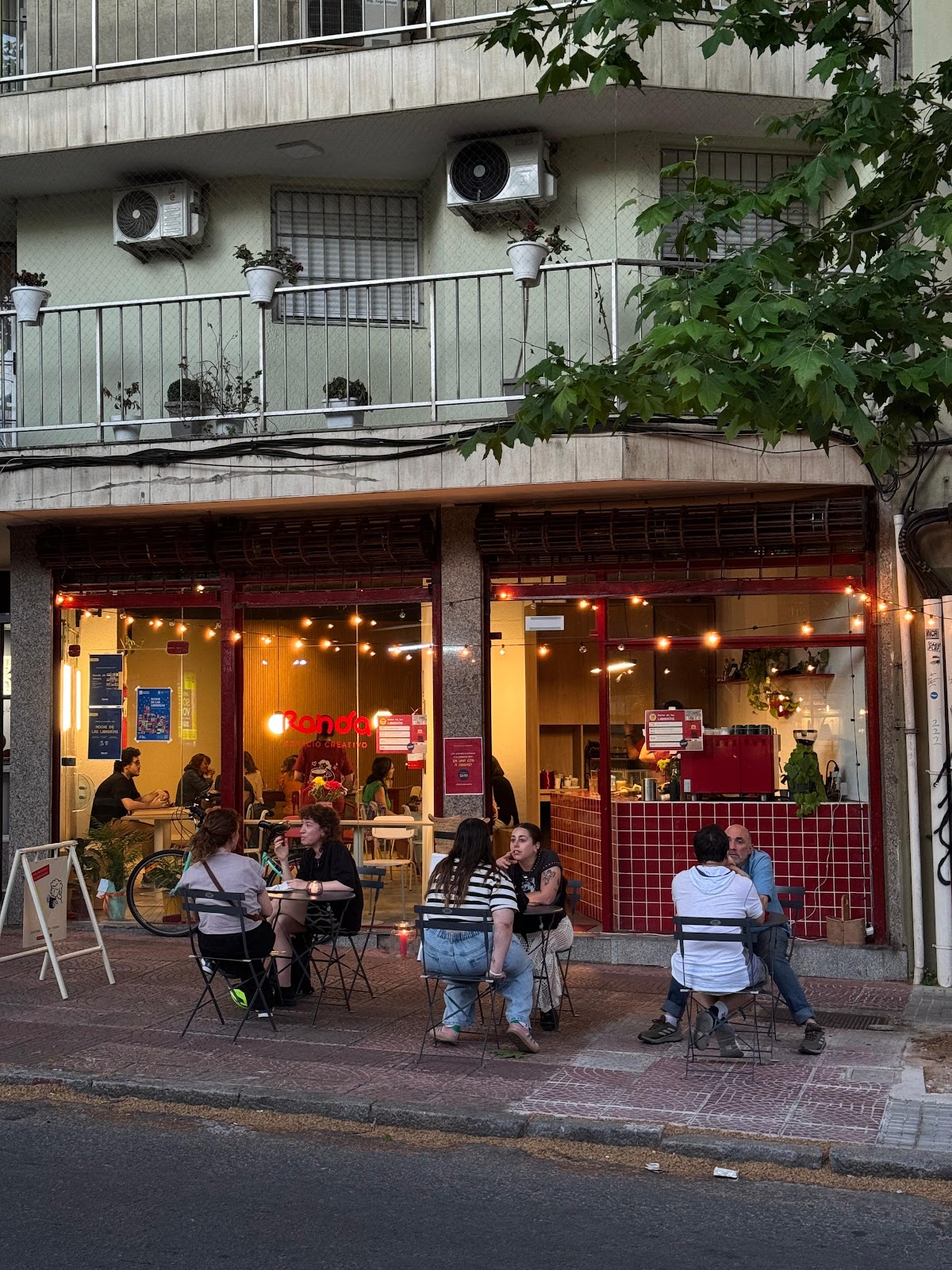
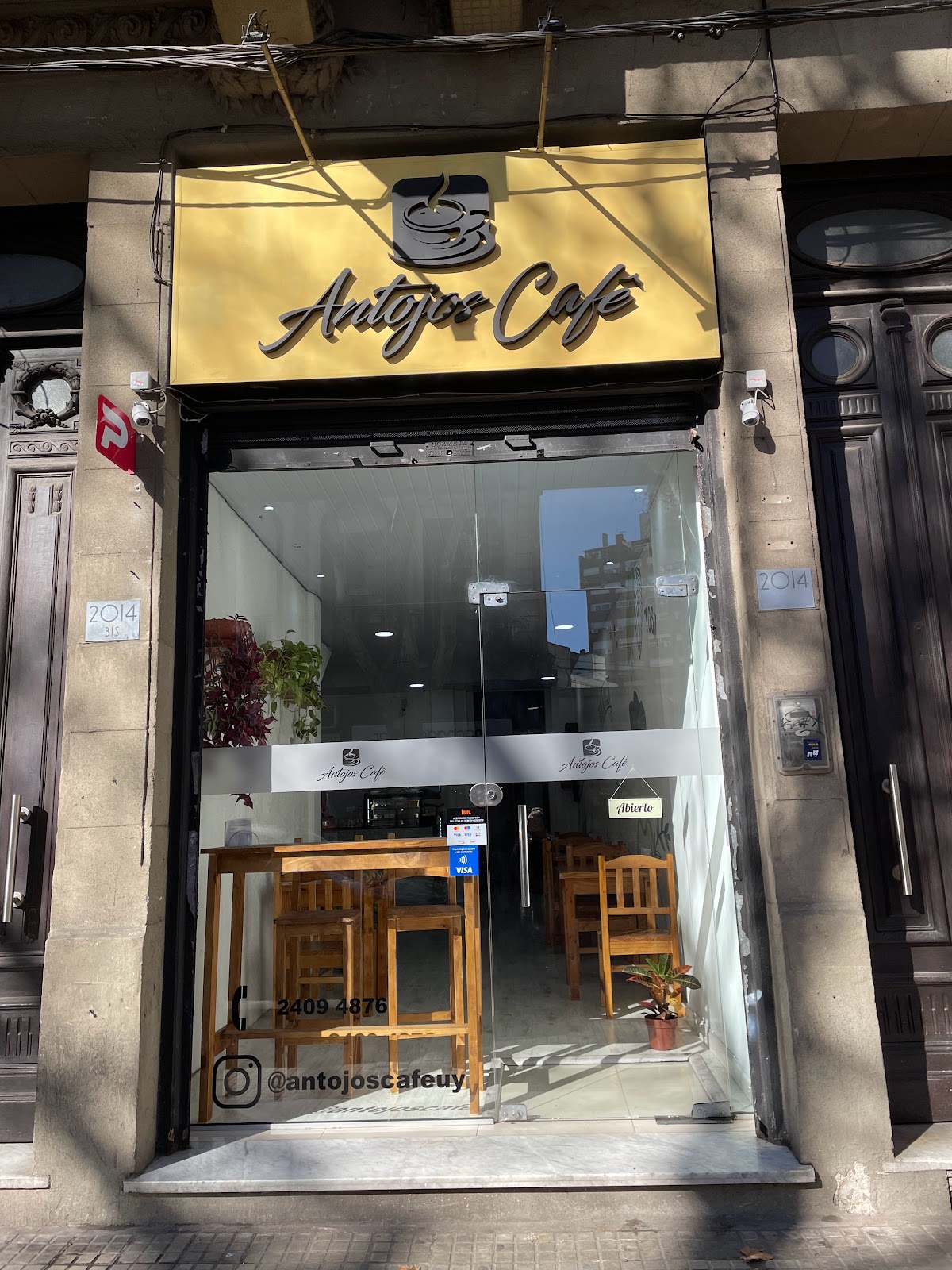
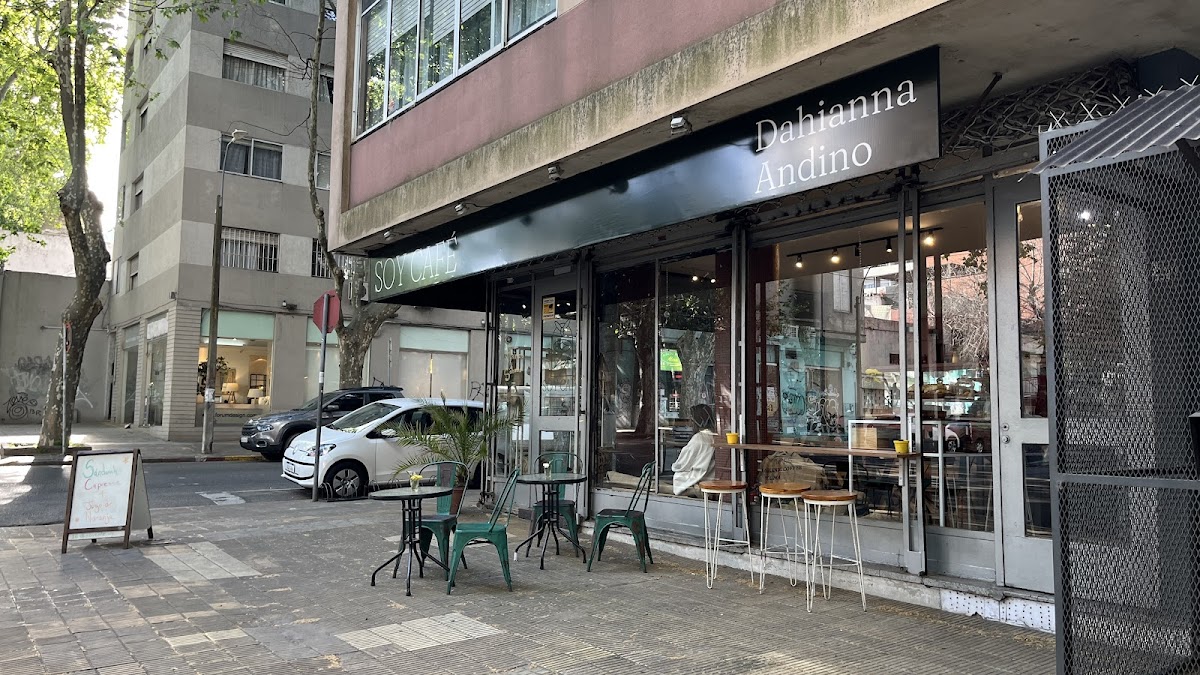
Coworking & cafés in Montevideo
8 verified workspaces · cross-checked against Google Places & reviewed manually · no paid placements
Things to Do in Montevideo
The 22km waterfront promenade is perfect for runs, bike rides, and sunset watching—central to Montevideo life.
Historic market hall where you can experience authentic parrilla (grill) culture and local wine in a vibrant atmosphere.
Sunday street market offering everything from antiques to fresh produce—great for socializing and people-watching.
Charming UNESCO colonial town just an hour by ferry, perfect for weekend escapes across the Río de la Plata.
Experience Uruguay's passionate football culture at Estadio Centenario or in neighborhood club atmospheres.
Pros & Cons
Pros
- Political and economic stability compared to neighboring countries
- Reliable, fast internet (135 Mbps average) across most neighborhoods
- High safety standards with low violent crime for the region
- Beautiful coastal setting with extensive public beach access
- Progressive social policies and LGBTQ+ friendly culture
- Excellent healthcare system with affordable private insurance options
- Tax-friendly policies for foreign residents and retirees
Cons
- High cost of living—nearly $1800/month rivals some European cities
- Limited cultural diversity and nightlife compared to Buenos Aires or São Paulo
- Slower pace can feel boring for nomads seeking vibrant social scenes
- English proficiency is low; Spanish is essential for daily life
- Weather can be unpredictable with strong winds and gray winter months
- Smaller nomad community means fewer coworking spaces and networking events