Figures verified against Serbia's Tax Administration (Poreska uprava), the Serbian Business Registers Agency (APR), and the official Welcome to Serbia government portal.
The honest answer about Serbia's digital nomad visa
Serbia does not have a digital nomad visa with that official branding — and most guides stop there. But that misses what makes Serbia one of the most practical bases in Europe for remote workers. Serbia's Law on Foreigners creates a legal route that functions as the equivalent: a temporary residence permit based on entrepreneur registration. Pair that with the paušal flat-tax system — where a freelancer can pay a fixed ~€200-500 per month in total tax and contributions regardless of income — and a three-year path to permanent residency, and Serbia quietly beats most branded 'digital nomad visas' on substance. This guide covers the real route, verified against Serbia's Tax Administration and government sources for 2026.
Your real options for living in Serbia as a remote worker
Option 1 — 90-day visa-free entry (for testing the waters)
Citizens of the US, UK, Canada, Australia, the EU, and many other countries can enter Serbia visa-free and stay up to 90 days in any 180-day period. Working remotely for a foreign employer during this window is generally tolerated. This is the route for sampling Serbia before committing — no paperwork, just book a flight. Belgrade and Novi Sad both have established coworking scenes to test.
Option 2 — Temporary Residence via entrepreneur registration (the real path)
The route used by the vast majority of nomads settling in Serbia: register as a preduzetnik paušalac (a sole trader under the flat-rate tax system) with the Serbian Business Registers Agency (APR), then apply for a temporary residence permit on that basis. You can register the entrepreneur status first — even before holding residency — and the entire process can often be started remotely. The permit can be issued for up to three years, and processing is fast (often around 15 days for the permit, 15-30 days for a Visa D if your nationality requires one).
What you actually need to qualify
There is no single official 'income requirement' the way branded DN visas have one. Instead you need: registration as an entrepreneur (preduzetnik) with the APR, proof of sufficient funds for subsistence (commonly demonstrated via bank statements — benchmarks cited range from roughly €1,000 upward), valid private health insurance, a registered address/rental agreement in Serbia, and a clean criminal record. Visa-required nationals must obtain a long-stay Visa D before entering Serbia to apply for the unified residence-and-work permit; visa-free nationals (US, UK, Canada, Australia, EU) can enter and apply in-country. Note: as a foreign entrepreneur you work for your own registered business serving foreign clients — you are not permitted to take employment with Serbian companies under this status.
The flat-tax angle that makes Serbia special
This is the real reason financially-minded remote workers choose Serbia. As a preduzetnik paušalac, you pay a FIXED monthly amount of tax and social contributions — set by the Tax Administration based on your activity code and municipality, not on how much you actually earn. For IT and consulting activities this typically totals roughly €200-500 per month in combined obligations (income tax plus pension, health, and unemployment contributions). Everything you earn above that fixed amount stays with you, up to an annual ceiling of approximately €51,000 (6 million RSD), above which you must switch to standard bookkeeping. Two more advantages: entrepreneurs who have never previously been registered in Serbia — regardless of nationality — receive an automatic 50% reduction on their full paušal obligation for the first year, bringing IT-activity costs down to roughly €200/month in year one. And the standard entrepreneur income tax rate is a flat 10%. The structure you choose at registration matters enormously — the gap between the optimal and default setup can exceed 25 percentage points — so engage a local accountant before registering. This is information, not tax advice.
Who Serbia is genuinely good for (and who should look elsewhere)
Ideal for: freelancers and IT contractors earning up to ~€51,000/year who want the lowest predictable tax burden in Europe; remote workers who want a real path to permanent residency (Serbia grants it after three years of continuous temporary residence — unlike Montenegro's DN visa, which leads nowhere); and anyone who values fast, mostly-remote setup and a low cost of living. Not ideal for: high earners above the ~€51,000 paušal ceiling (you lose the flat-rate simplicity and must switch to full bookkeeping); anyone wanting to work for Serbian employers or serve the local market on this status; or those uncomfortable navigating a Cyrillic-script bureaucracy without local help. If you earn well above the ceiling, compare a Serbian d.o.o. (limited company) structure or look at Portugal's D8 or Spain's DNV instead.
Where nomads actually base themselves
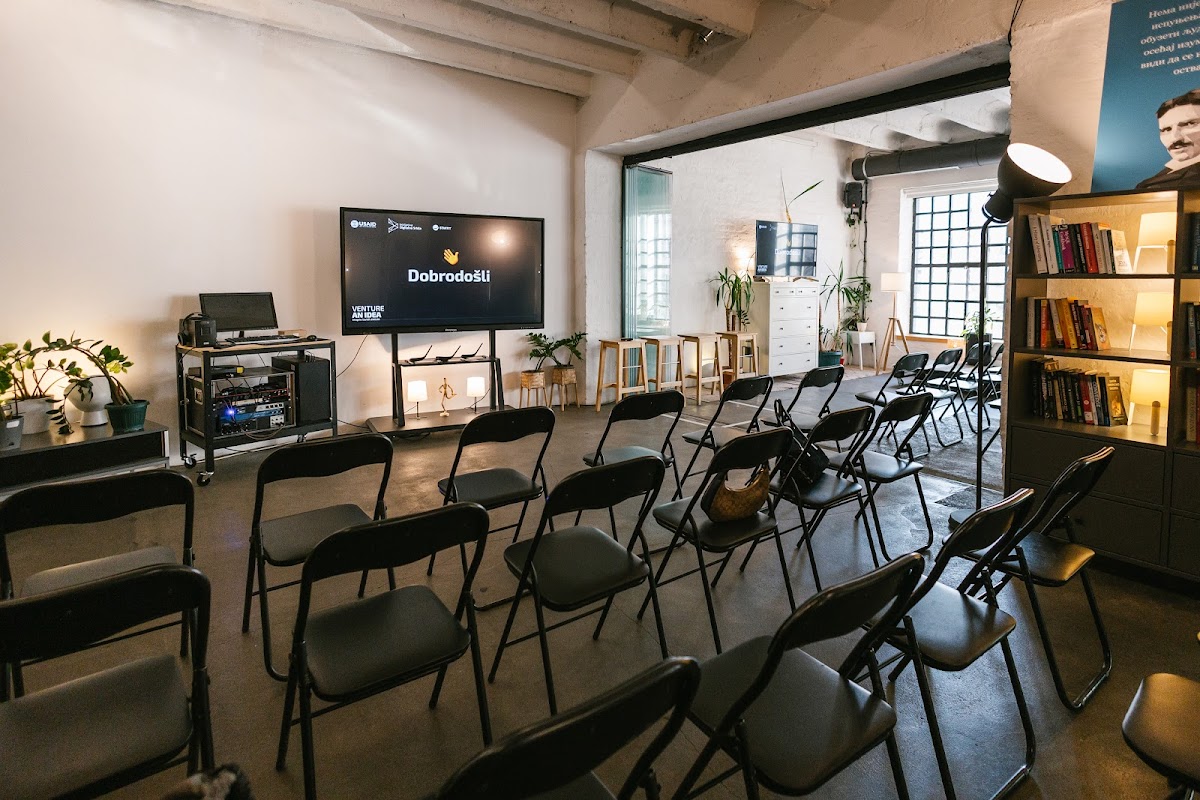
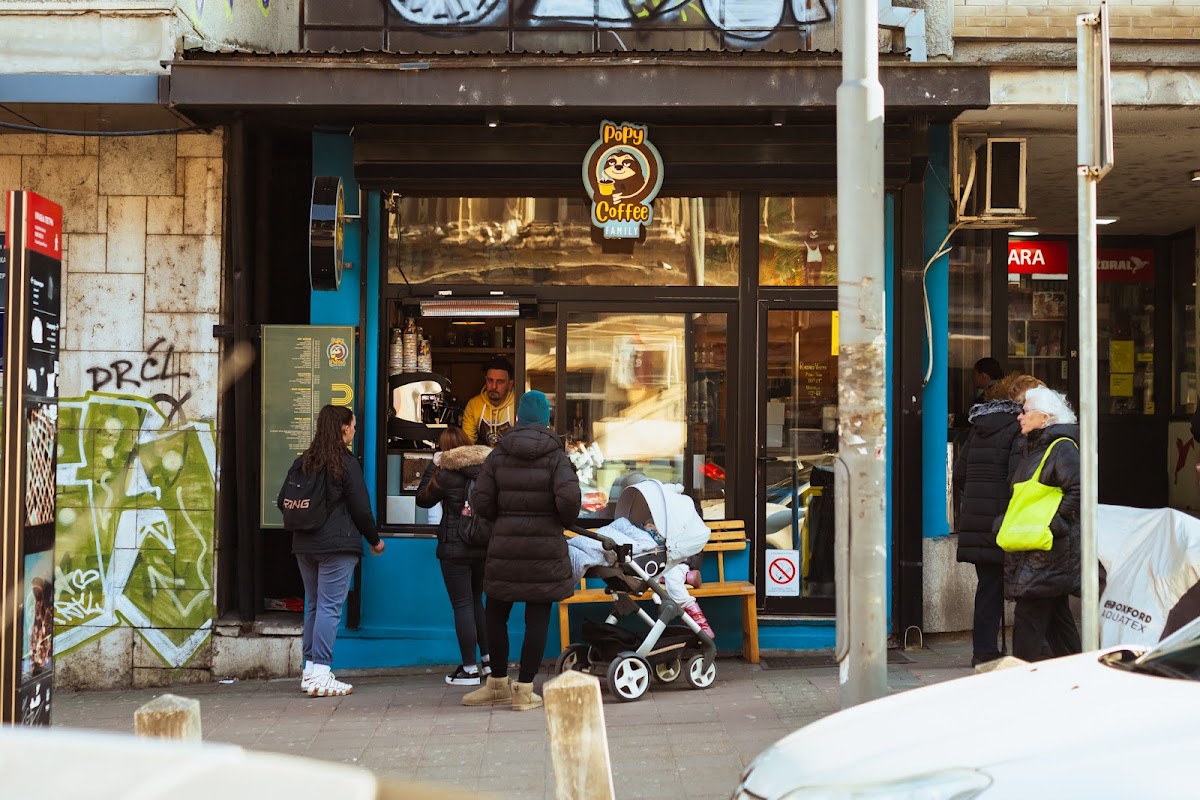
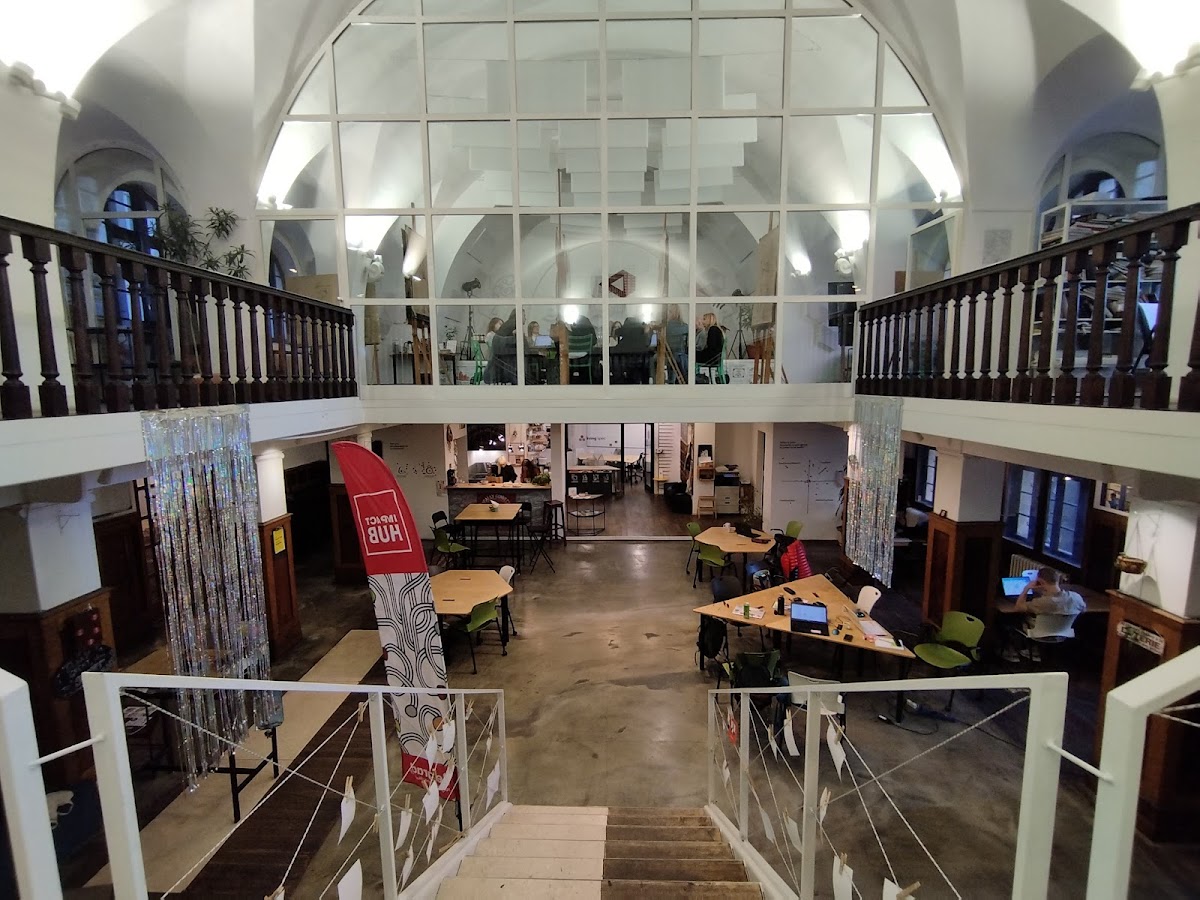
Belgrade is the center of gravity — a large, energetic capital with the country's biggest coworking scene, a strong café culture, fast internet, and the most English spoken. Budget €1,200-1,500/month all-in for a single person living comfortably (rent, food, transport, coworking, social life). Novi Sad is the quieter alternative an hour north — smaller, cheaper, with a growing creative and tech community and a relaxed riverside feel. Both have reliable internet (Serbia has strong fixed-line broadband) and an established expat presence. Serbia is not in the EU or Schengen, so time spent here does not count against any Schengen 90/180 allowance — useful for nomads rotating around Europe.
Honest reality check
Four things to know before you commit. First: bureaucracy is in Serbian and largely Cyrillic — budget for a local accountant (knjigovođa) and likely an immigration lawyer; combined this runs a few hundred euros but saves enormous friction. Second: the structure you register under is hard to change later and determines your tax rate for years — get advice before, not after. Third: Serbia is an EU candidate, and tax or residency rules may evolve as accession negotiations progress. Fourth: banking and some administrative steps still require in-person presence even if registration can start remotely. None of these are dealbreakers — they are reasons to set up properly the first time.
Primary sources
How we researched this guide
Enomads is an independent platform — we are not immigration lawyers or tax advisors, and we don't earn commissions from Serbian relocation agencies. This guide was compiled by cross-referencing primary sources rather than copying other blogs. The flat-tax figures come from Serbia's Tax Administration (Poreska uprava) 2026 flat-rate decisions and were sanity-checked against PwC Tax Summaries and multiple Serbian accounting firms publishing 2026 rates. Residency and entry rules were verified against the official Welcome to Serbia government portal and the Law on Foreigners. The €51,000 paušal ceiling reflects the current 6 million RSD turnover threshold. Where sources disagreed (income benchmarks for the residence permit vary by case), we noted the range rather than inventing a single number. We update this page when official rates change — the verification date above reflects the last review. If you spot something out of date, email contact@enomads.eu and we'll re-verify.
Requirements & Eligibility
Income
No official minimum income for tourist/short-stay entry. For temporary residence as freelancer or self-employed: must demonstrate financial self-sufficiency. Reports suggest USD $3,000–$4,500/month for comfortable self-sufficiency. Freelancer status available via local registration.
Documents needed
- For tourist stay: Valid passport only. For temporary residence as self-employed: Valid passport
- Proof of business registration in Serbia (APR confirmation)
- Proof of accommodation (rental contract)
- Proof of health insurance
- Bank statements showing sufficient income
- Application form at local police station (Upravi za strance).
How to Apply for the Serbia DNV
Processing time: Tourist entry: immediate (90 days for many nationalities). Temporary residence application: 30–60 days. Freelancer registration in Serbia: 1–5 business days.
- 1Most nationalities can enter Serbia visa-free for 90 days.
- 2TO STAY LONGER AND FORMALIZE STATUS: Register as a freelancer (paušalac / preduzetnik) at the local Business Registers Agency (APR) in Serbia — takes 1–5 days, costs ~€
- 3With registered business, apply for temporary residence permit at local police station (SUP).
- 4Pay ~€50 for permit.
- 5Wait 30–60 days for permit.
- 6Register address within 24 hours of arrival in Serbia (required by law — hotel or host must register you; if renting privately, register at police station).
Application fees: Tourist entry: no fee for most nationalities. Temporary residence permit fee: approximately RSD 6,000 (~€50). Freelancer business registration: approximately RSD 5,000 (~€45). Total: approximately €100 for first-year setup.
Official sourceVisa Duration & Renewal
Initial duration: Visa-free tourist stay: 90 days (extendable with border run or at police station). Temporary residence permit: 1 year, renewable.
Renewal: Yes — the Temporary Residence for Work / Freelancer Registration (no dedicated digital nomad visa) can be renewed beyond the initial period.
Taxes for Digital Nomads in Serbia
Serbia's "Digital Nomad Tax" regime: registered freelancers (paušalac) can benefit from low effective tax rate. Flat tax options available. Nomads earning up to RSD 6 million/year (~€50,000) pay approximately 10% all-in (tax + contributions). One of the most attractive tax environments for nomads in Europe. Serbia has double taxation treaties with many countries.
Living in Serbia as a Digital Nomad
See allVerified coworking, cafés and remote-friendly stays in Serbia.