
Visa for Croatia
Program: Temporary Residence Permit for Digital Nomads (Privremeni boravak digitalnih nomada)
Duration: Up to 18 months (12 months initial + optional 6-month extension). Not renewable consecutively — must leave Croatia for at least 6 months before reapplying.
Income: Minimum €3,295/month (2.5× Croatian average monthly net salary per Bureau of Statistics, updated May 2025). Alternative: savings of €39,540 for 12 months or €59,310 for 18 months. Income updated to ~€3,622.50 in early 2026 per some sources.
Full Croatia DNV guideCroatia offers a Digital Nomad Visa allowing stays up to one year for remote workers earning at least €2,870 (~$3,100) monthly from clients outside Croatia. Processing typically takes 30-90 days and requires proof of employment, health insurance, and accommodation. The visa is renewable. EU/EEA citizens don't need a visa and can stay indefinitely. Many non-EU nomads also use the 90-day tourist visa within the Schengen Zone. Check Croatia's Ministry of Interior official website for current requirements as regulations updated after Schengen entry in 2023.
Cost of Living in Zagreb
Cost data verified May 2026Best Neighborhoods for Nomads
Centar (Lower Town)
Heart of the action with coworking spaces, restaurants, and cultural venues within walking distance.
Gornji Grad (Upper Town)
Historic medieval quarter with stunning architecture, quieter atmosphere, and panoramic city views.
Trešnjevka
Residential neighborhood popular with locals offering authentic Zagreb life and better value for money.
Maksimir
Green district adjacent to Zagreb's largest park, perfect for nature-loving nomads seeking work-life balance.
Cvjetno Naselje
Well-connected residential area with modern apartments and good public transport links to the center.
Internet & Infrastructure
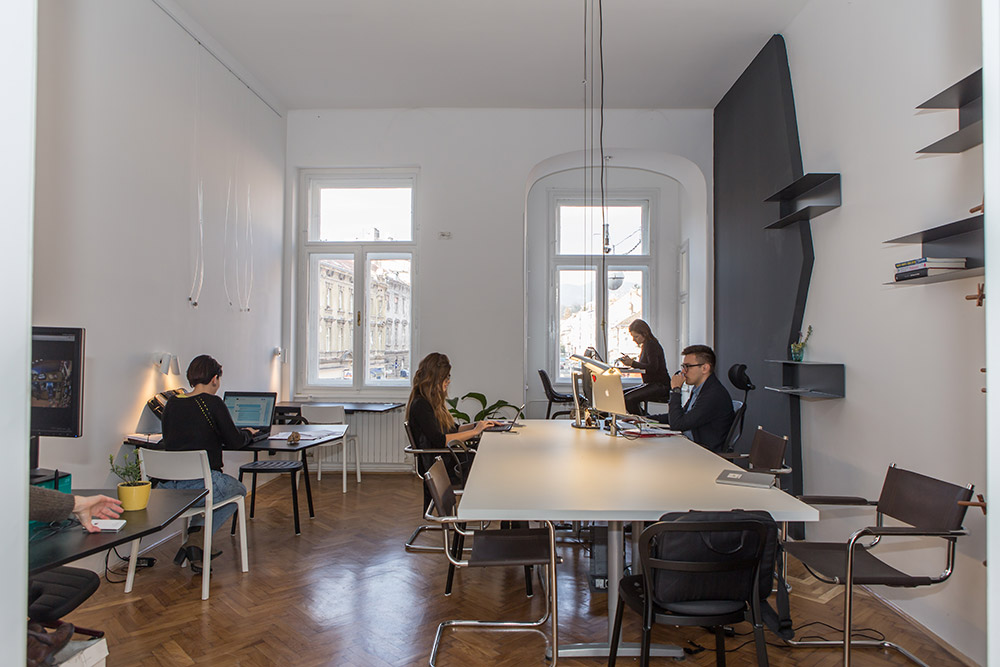
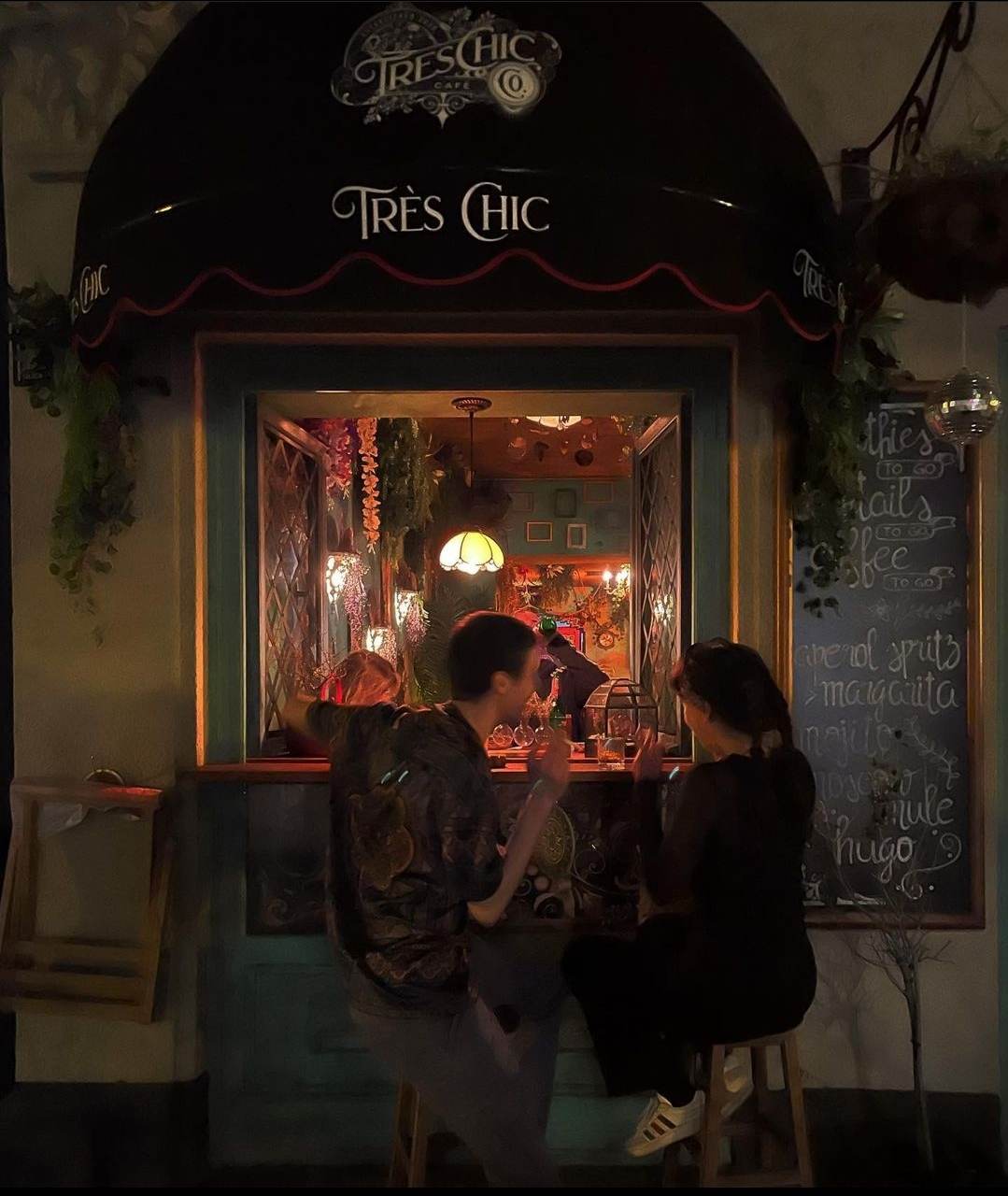
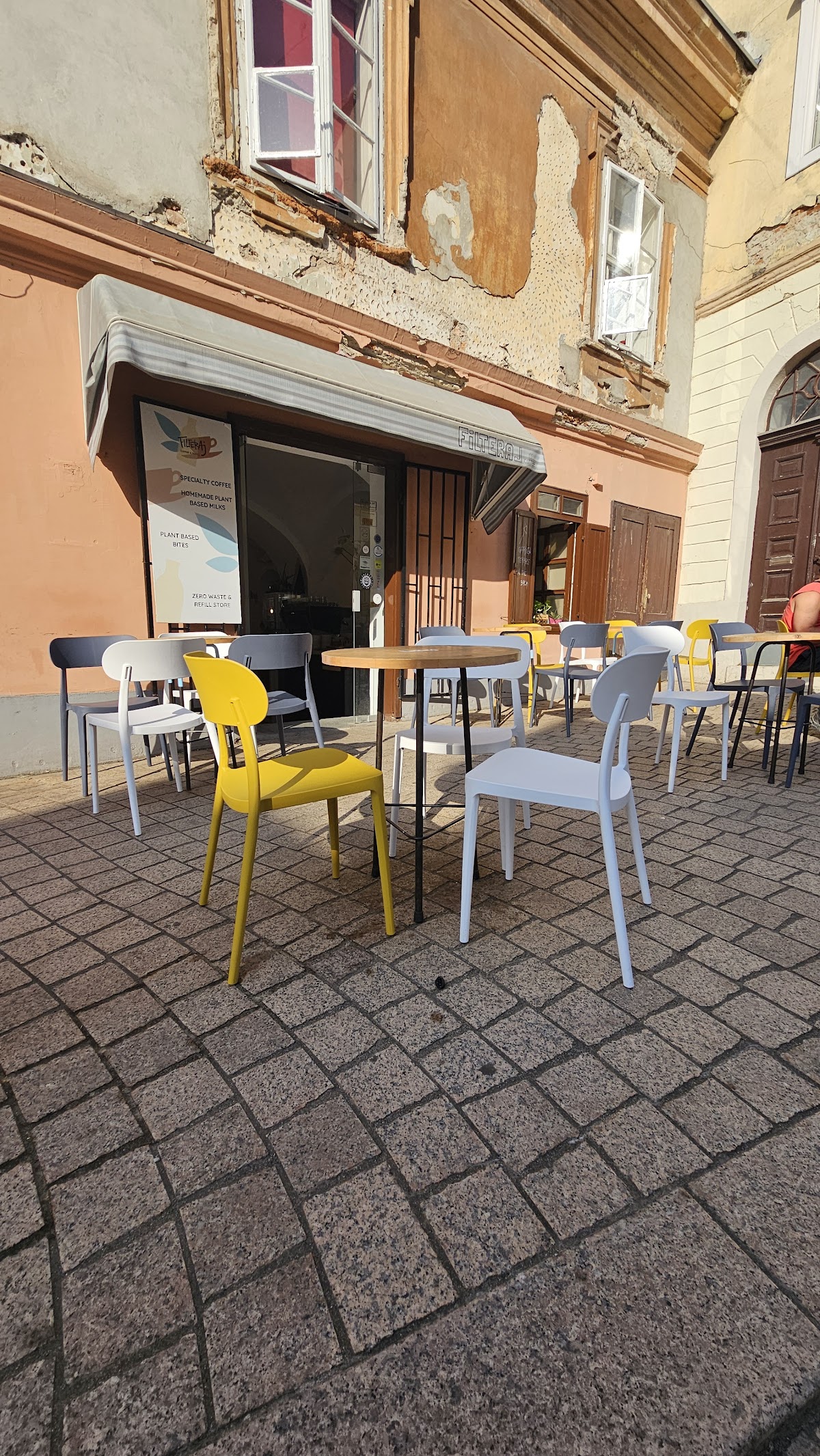
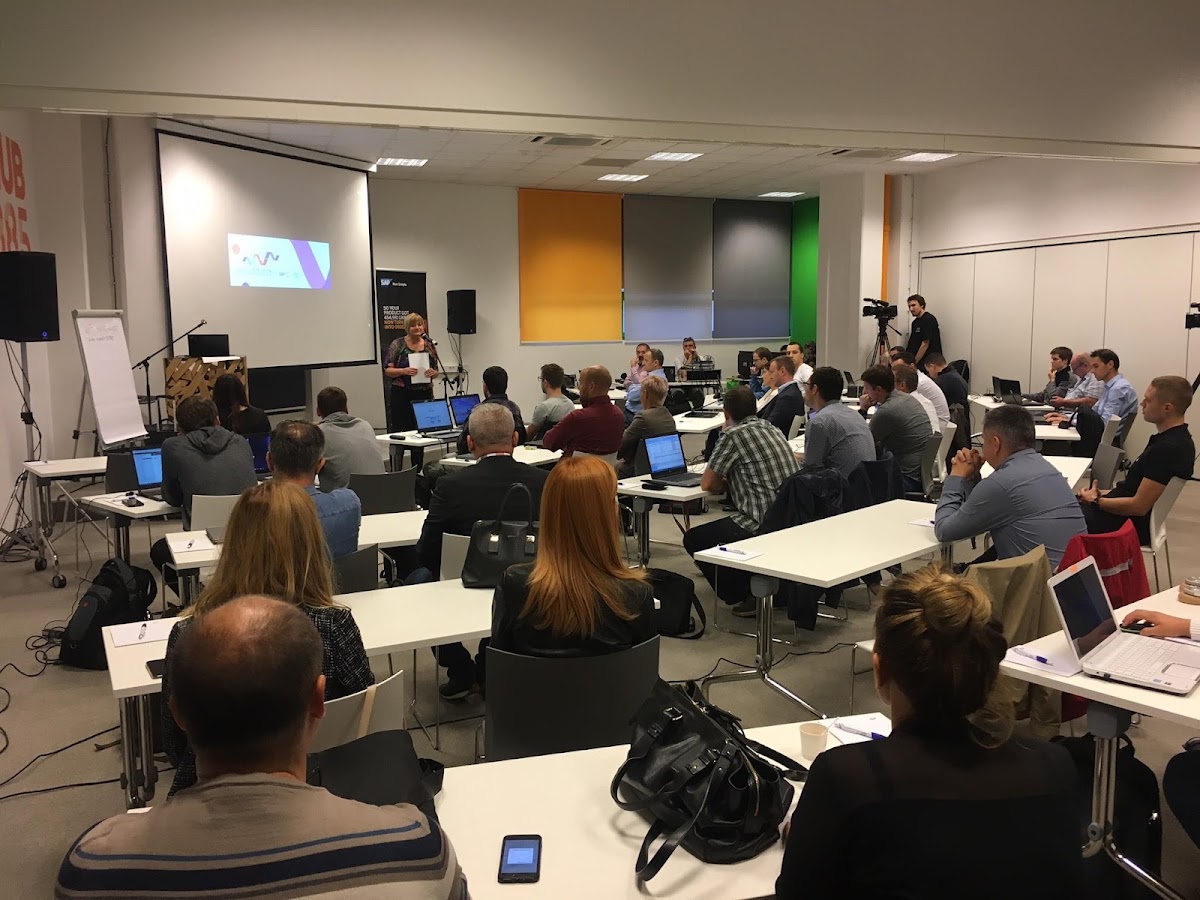
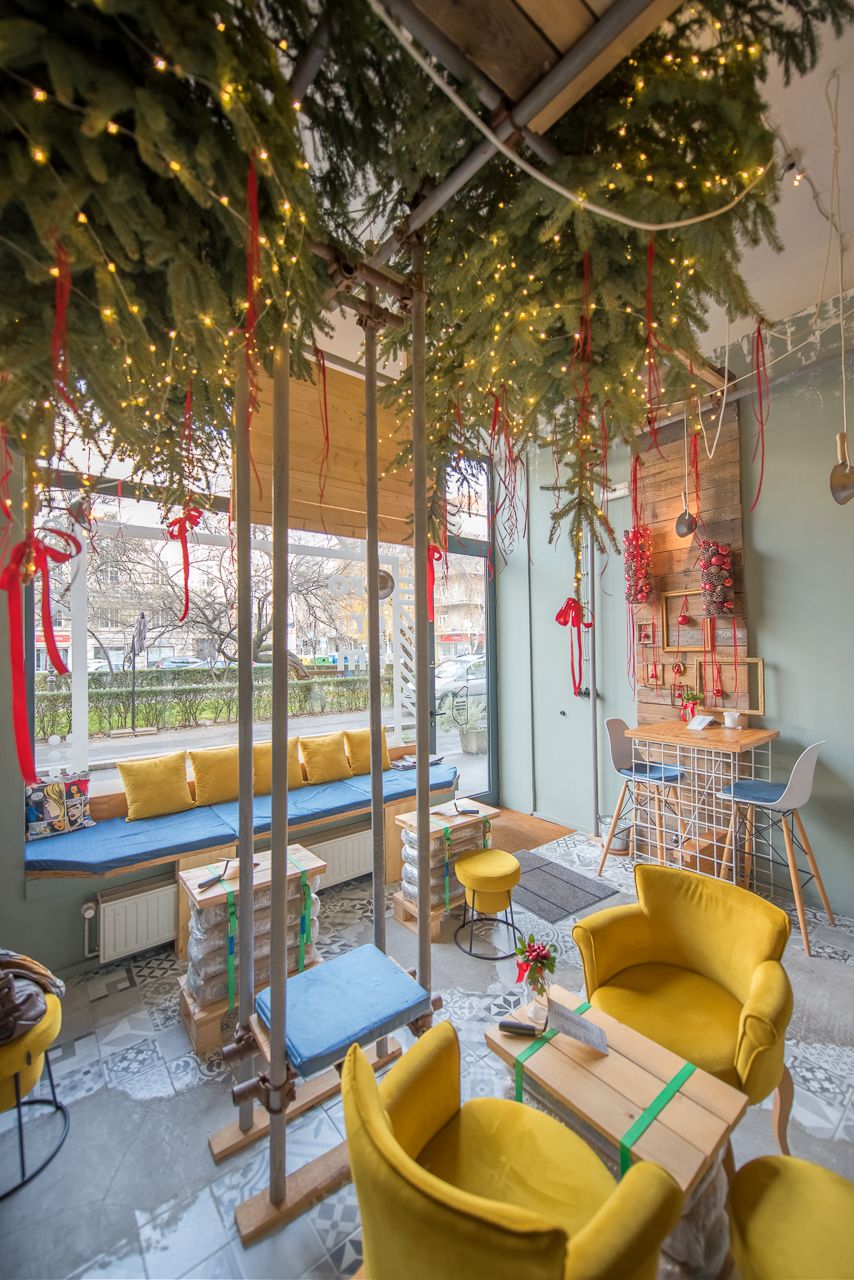
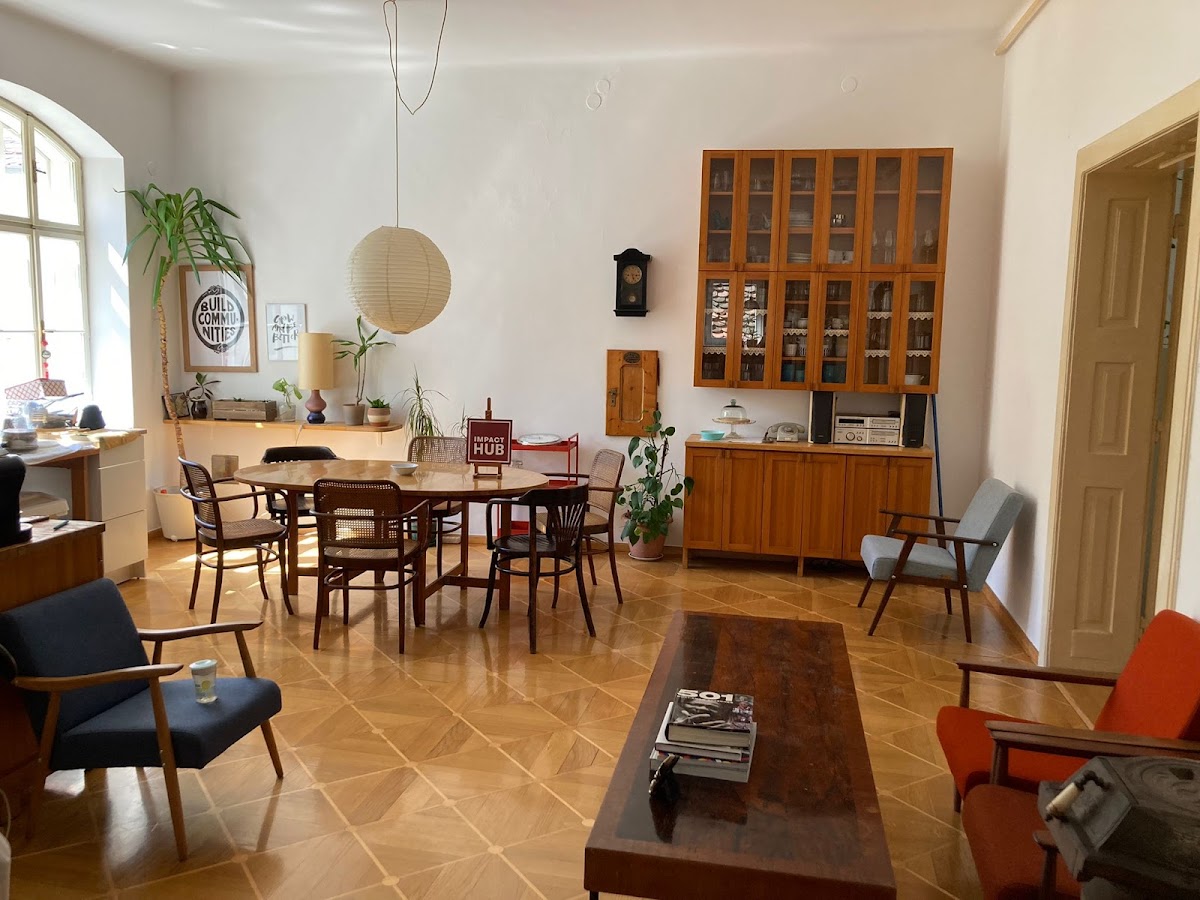
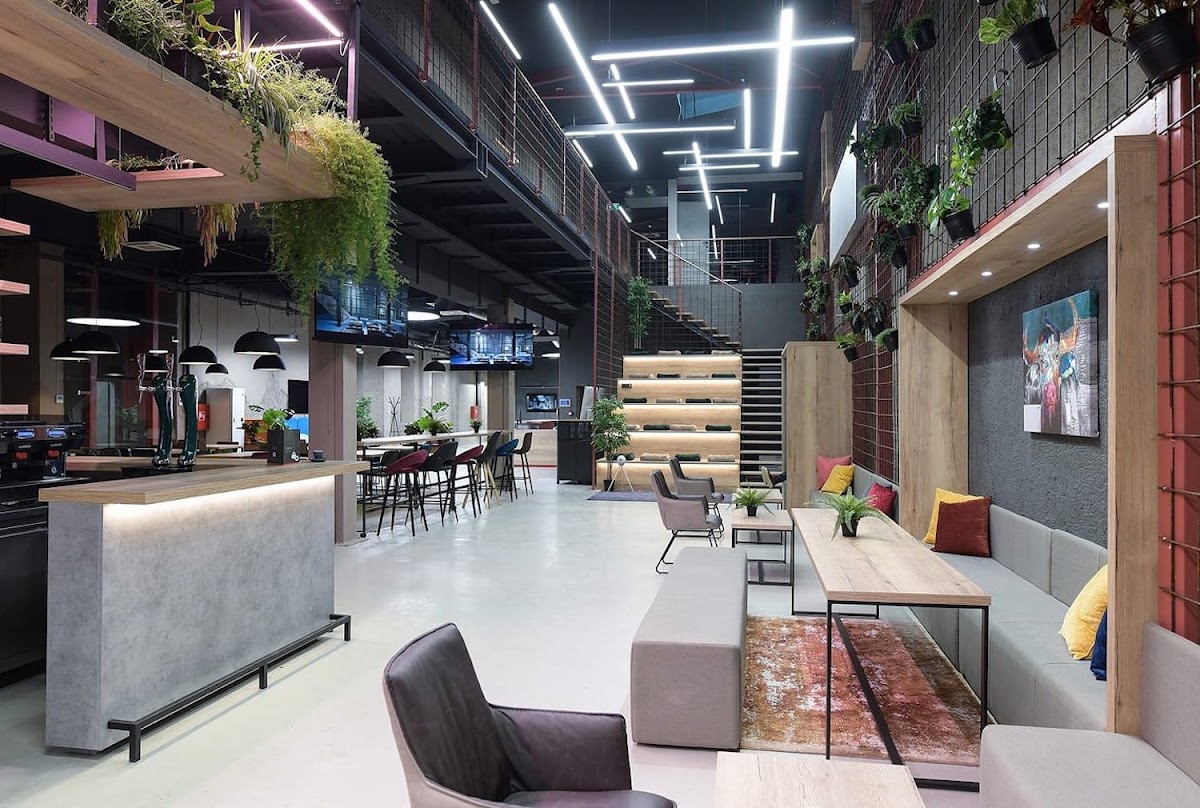
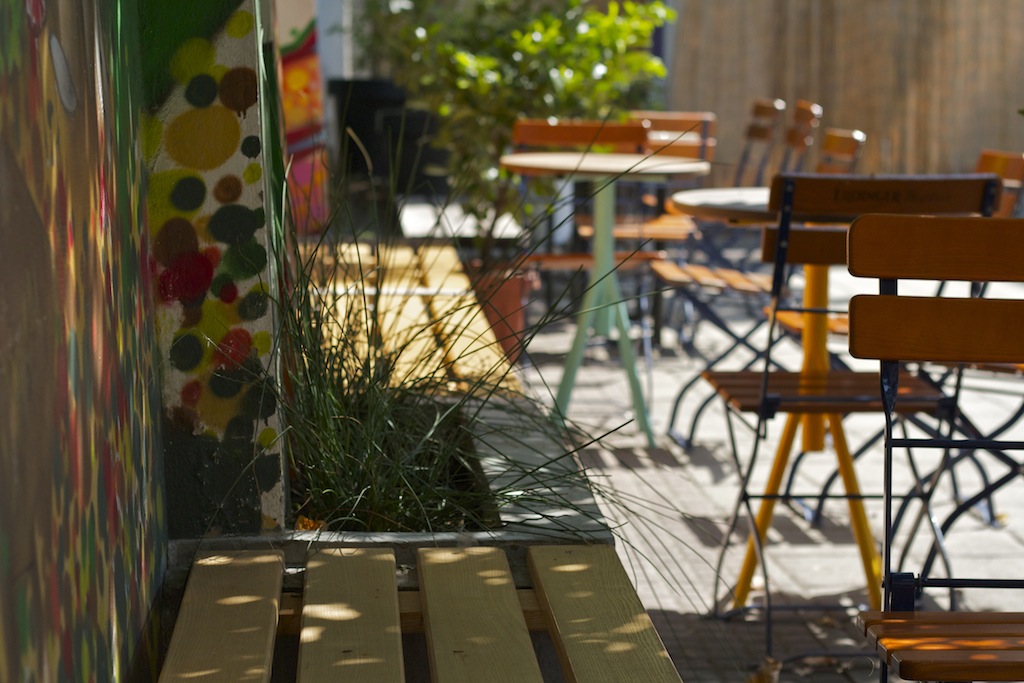
Coworking & cafés in Zagreb
8 verified workspaces · cross-checked against Google Places & reviewed manually · no paid placements
Things to Do in Zagreb
Zagreb's cafe culture is legendary—places like Eli's Caffe and Cogito offer fast WiFi and locals who spend hours over a single coffee without judgment.
The open-air farmers market in the city center provides fresh produce, local specialties, and authentic interaction with Zagreb's food culture.
Split, Rijeka, and Istrian beaches are just 2-3 hours away, making seaside escapes an easy Friday afternoon decision.
Zagreb's premier coworking space hosts regular nomad meetups, startup events, and offers a strong community for remote workers.
Within city limits, this mountain offers hiking trails, medieval fortresses, and the perfect escape when you need to unplug and recharge.
Pros & Cons
Pros
- Affordable cost of living compared to Western Europe with similar infrastructure quality
- Fast and reliable internet (140 Mbps average) in cafes, coworking spaces, and apartments
- Strategic location for exploring Balkans, Central Europe, and Adriatic coast on weekends
- Growing but still manageable digital nomad community with genuine local integration opportunities
- Excellent public transport system with trams covering the entire city efficiently
- Strong cafe culture where working remotely for hours is completely normalized
- High safety index (72.50) with low crime rates and safe streets at all hours
Cons
- Limited English outside tourist areas and younger demographics can create daily friction
- Winters are cold and gray with limited daylight, affecting mood for sun-dependent nomads
- Smaller expat community means fewer international social events compared to nomad hubs
- Bureaucracy can be frustrating for apartment rentals, banking, and official processes
- Nightlife and entertainment options are modest compared to larger European capitals
- Restaurant variety is improving but still limited for specific dietary preferences or international cuisines