
Visa for Austria
Program: No dedicated digital nomad visa. Schengen tourist stay or Red-White-Red Card closest alternatives for non-EU citizens.
Duration: Schengen tourist: 90 days in 180-day period. Red-White-Red Card: 2 years, renewable.
Income: No minimum income for Schengen tourist entry. Red-White-Red Card (self-employed): minimum gross income approximately EUR 2,775/month (2025 threshold).
Full Austria DNV guideAustria offers a specific Digital Nomad Visa (implemented in 2024) requiring proof of remote employment or freelance contracts, minimum monthly income of €3,500, health insurance, and accommodation proof. The permit allows 6-12 month stays with possible extension. Processing typically takes 8-12 weeks through Austrian embassies. Alternatively, the Red-White-Red Card for self-employed workers requires demonstrating established business relationships and sufficient funds (around €12,000 annually). EU citizens enjoy freedom of movement. Many nomads also use the standard 90-day Schengen tourist allowance for shorter stays.
Cost of Living in Vienna
Cost data verified May 2026Best Neighborhoods for Nomads
Neubau (7th District)
Vienna's hipster heartland packed with vintage shops, specialty coffee roasters, and independent coworking spaces.
Leopoldstadt (2nd District)
Diverse, up-and-coming area near Prater park with growing foodie scene and more affordable options.
Innere Stadt (1st District)
The historic center with stunning architecture and tourist crowds, perfect for those prioritizing location over budget.
Mariahilf (6th District)
Lively shopping district with excellent transit connections and a mix of students and young professionals.
Wieden (4th District)
Residential charm near Karlsplatz with historic markets, quieter streets, and authentic local character.
Internet & Infrastructure
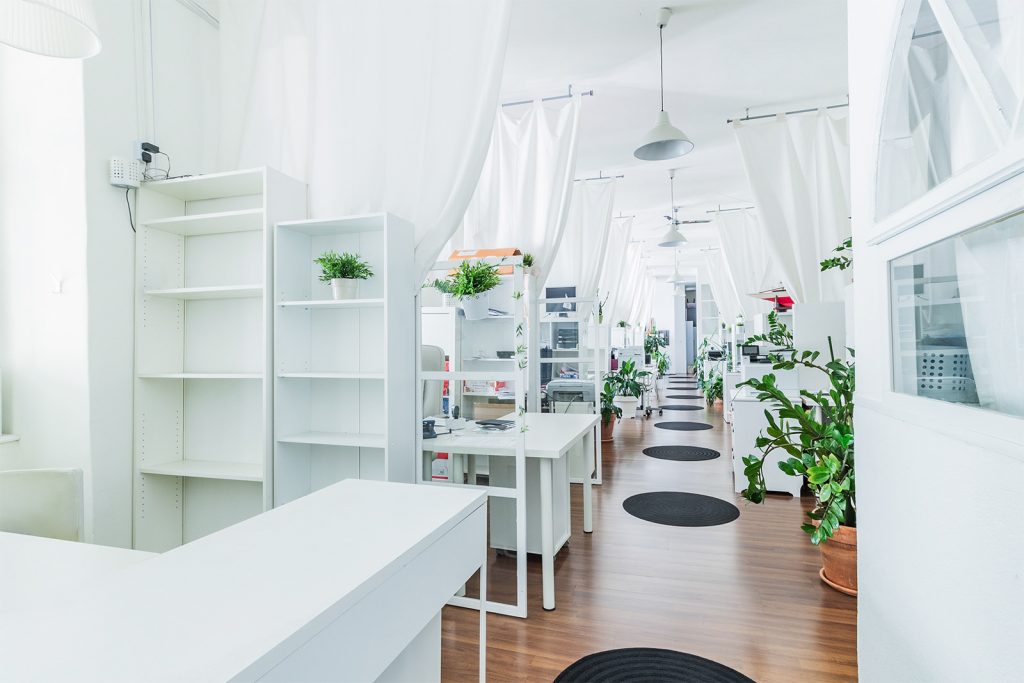
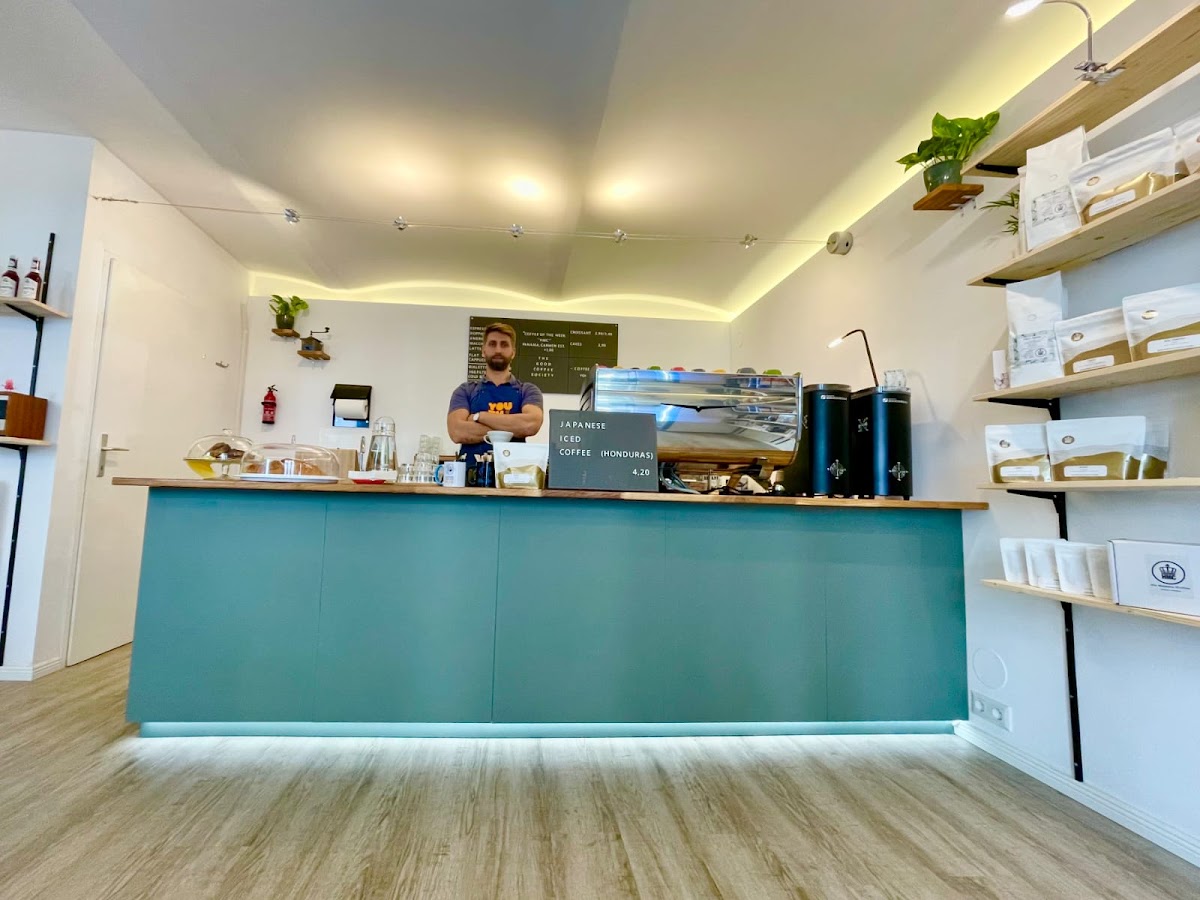
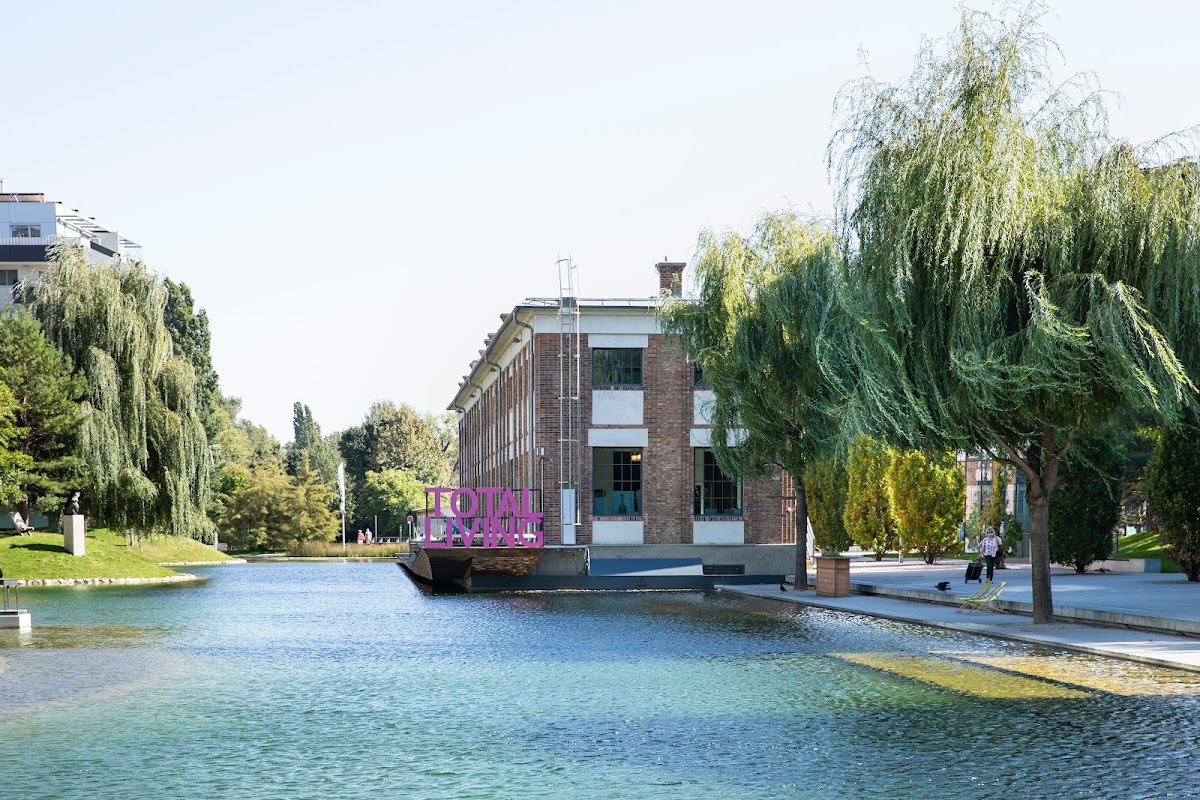
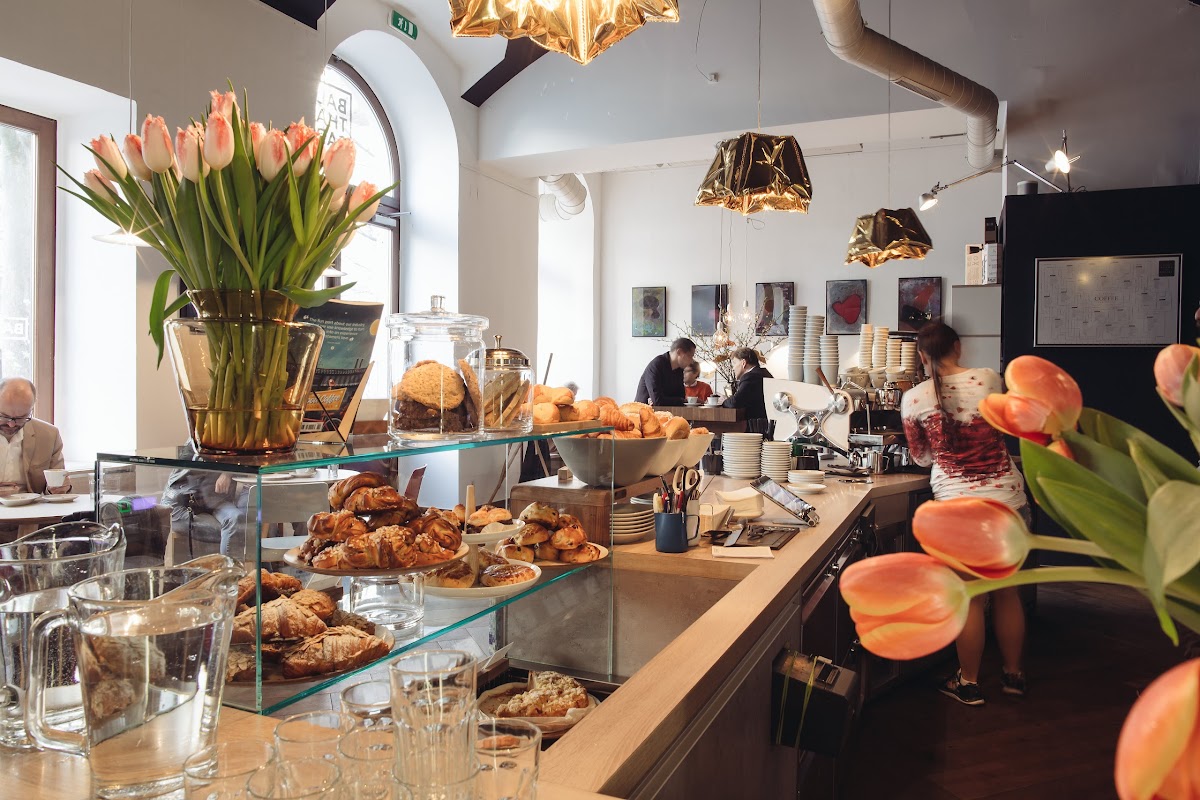
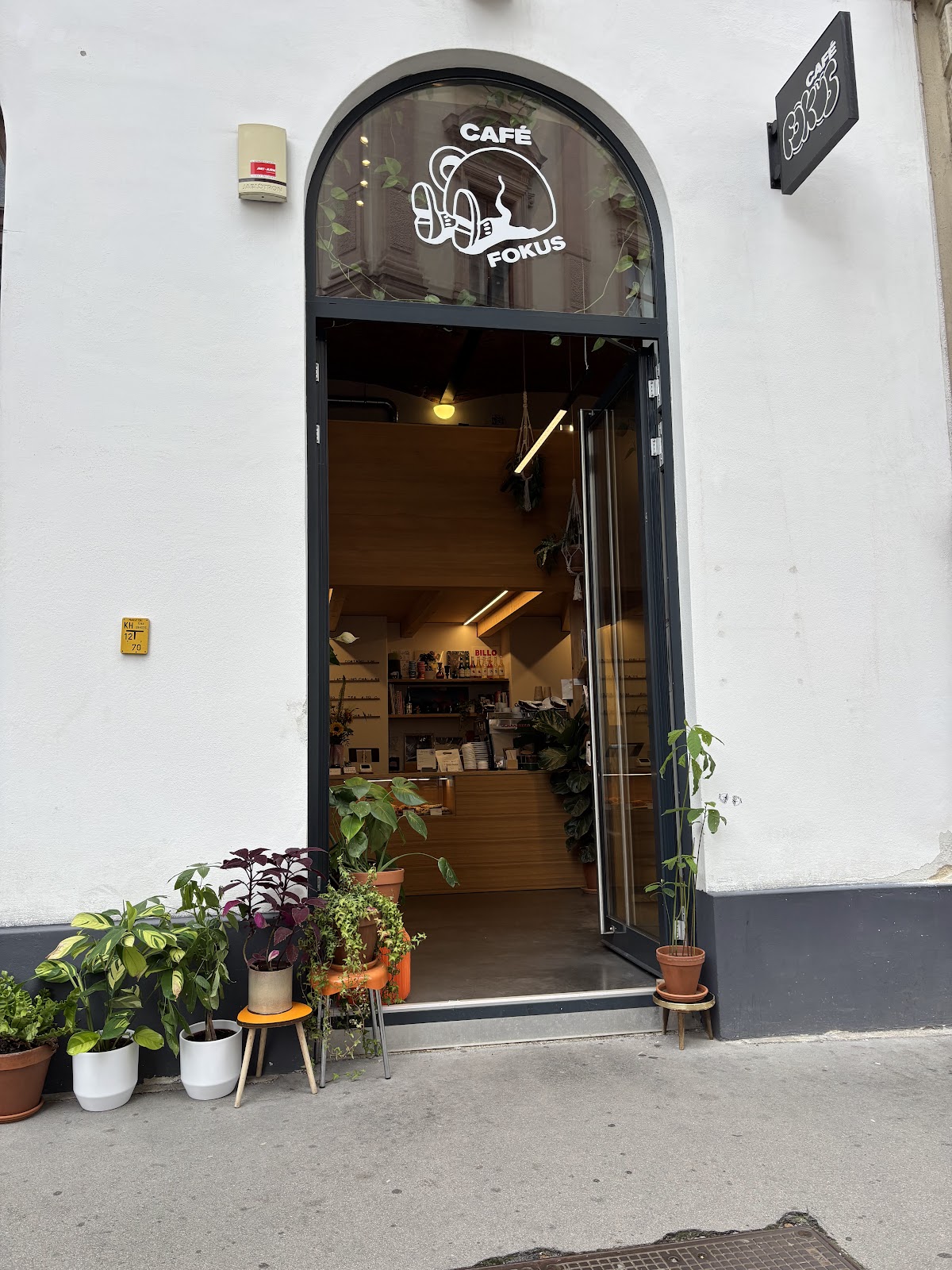
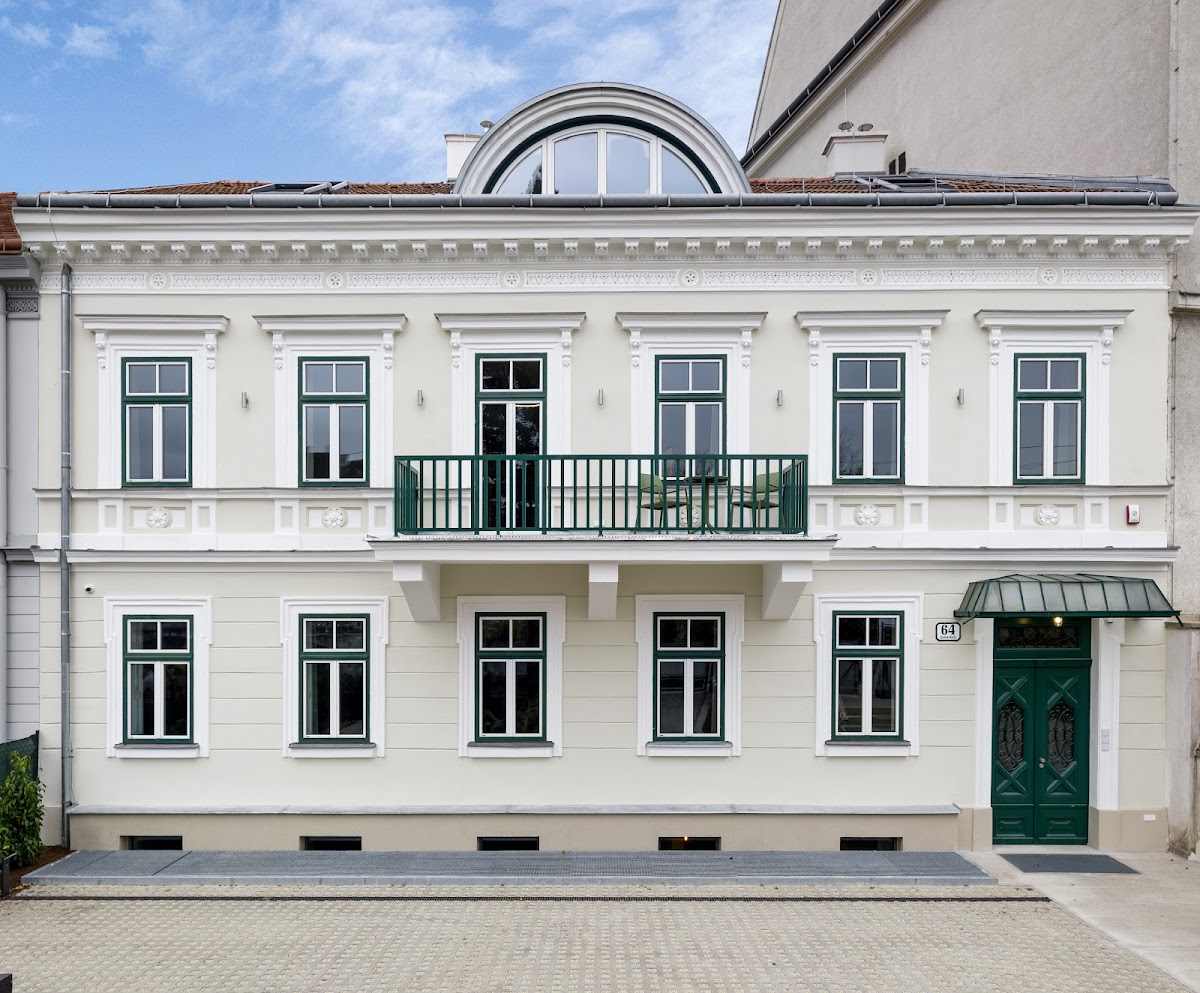
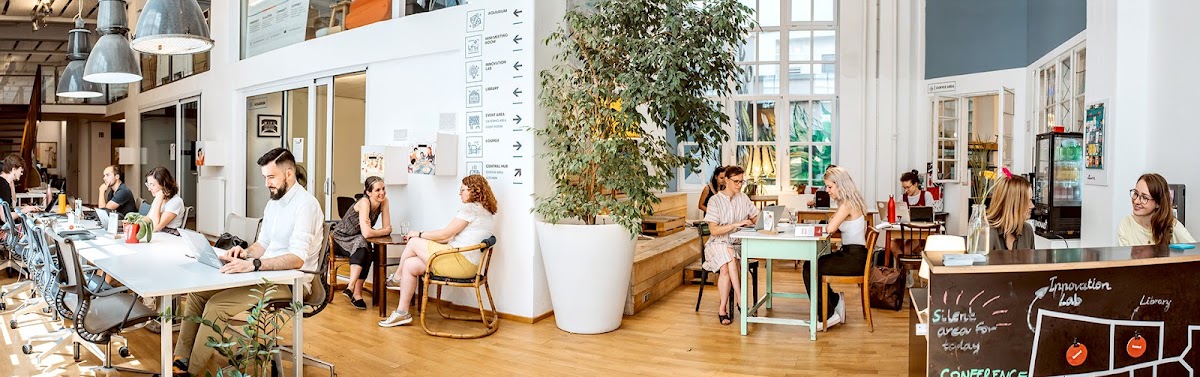
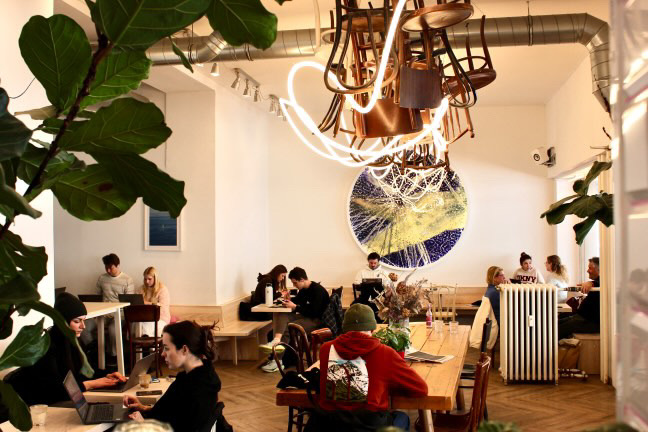
Coworking & cafés in Vienna
8 verified workspaces · cross-checked against Google Places & reviewed manually · no paid placements
Things to Do in Vienna
Experience Vienna's legendary café culture at institutions like Café Central or Café Sperl, where lingering over laptops continues centuries-old tradition.
Vienna's most famous market offers lunch breaks surrounded by international food stalls, fresh produce, and Saturday flea market treasures.
Escape the urban grind on this 21km recreational island perfect for running, cycling, or summer swimming breaks between meetings.
This cultural complex transforms into an outdoor coworking space in summer, where nomads mingle on colorful furniture between gallery visits.
Unwind at traditional wine taverns in Grinzing or Stammersdorf, where local vintners serve their own wines with cold buffets in garden settings.
Pros & Cons
Pros
- World-class public transportation with €365 annual passes making car ownership unnecessary
- Exceptional healthcare system accessible to residents with comprehensive coverage
- Central European location with budget flights to 200+ destinations for weekend travel
- Extremely safe streets where walking alone at night feels comfortable even in outer districts
- Rich classical music scene with affordable standing-room opera tickets available daily
- Hundreds of coworking spaces and reliably fast internet throughout the city
- Strong English proficiency in business settings and expat-friendly service providers
Cons
- High cost of living at $2300/month stretches budgets compared to other European capitals
- Germanic bureaucracy requires extensive paperwork, translations, and in-person appointments for residence permits
- Reserved local culture makes forming deep friendships with Austrians notoriously difficult
- Long, dark winters from November to March with frequent gray skies affecting mood and motivation
- Limited late-night culture as most restaurants close by 10-11pm outside central areas
- Slower pace and formal business culture may frustrate those from more casual work environments