
Visa for Spain
Program: Visado/Autorización para Teletrabajo de Carácter Internacional (Digital Nomad Visa)
Duration: Consulate visa: 1 year. In-Spain residence authorization: up to 3 years. Renewable in 2-year increments up to 5 years. After 5 years: EU long-term residency eligible. After 10 years: Spanish citizenship eligible.
Income: Minimum 200% of Spain's Minimum Interprofessional Salary (SMI). SMI in 2026: approx €1,424.50/month → minimum income: approx €2,849/month (~€34,188/year). +75% SMI (~€1,068/month) per additional adult family member. +25% SMI (~€356/month) per additional child. Income must come from remote work — passive income excluded. Up to 20% of income may be from Spanish companies (freelancers only).
Full Spain DNV guideSpain offers a Digital Nomad Visa (effective January 2023) requiring proof of remote work for non-EU companies, minimum income of €2,334/month (200% Spanish minimum wage), and clean criminal record. Processing takes 1-3 months through Spanish consulates. The visa grants one-year residence renewable up to five years with tax benefits during the first four years. Many nomads alternatively use the 90-day Schengen tourist allowance or obtain non-lucrative residence visas. Check official Spanish immigration sources for current requirements as regulations evolve.
Cost of Living in Valencia
Cost data verified May 2026Best Neighborhoods for Nomads
Ruzafa
Trendy bohemian quarter packed with international restaurants, vintage shops, and the highest concentration of digital nomads.
Ciutat Vella
Historic old town with Gothic architecture, central Plaza del Ayuntamiento, and walkable access to everything cultural.
Benimaclet
Authentic neighborhood with village feel, popular with locals and long-term nomads seeking genuine Valencia life.
El Carmen
Artistic barrio filled with street art, boutique cafes, and nightlife, though can be noisy on weekends.
Eixample
Modernist grid layout with wide boulevards, upscale shops, and quieter residential atmosphere for focused work.
Internet & Infrastructure
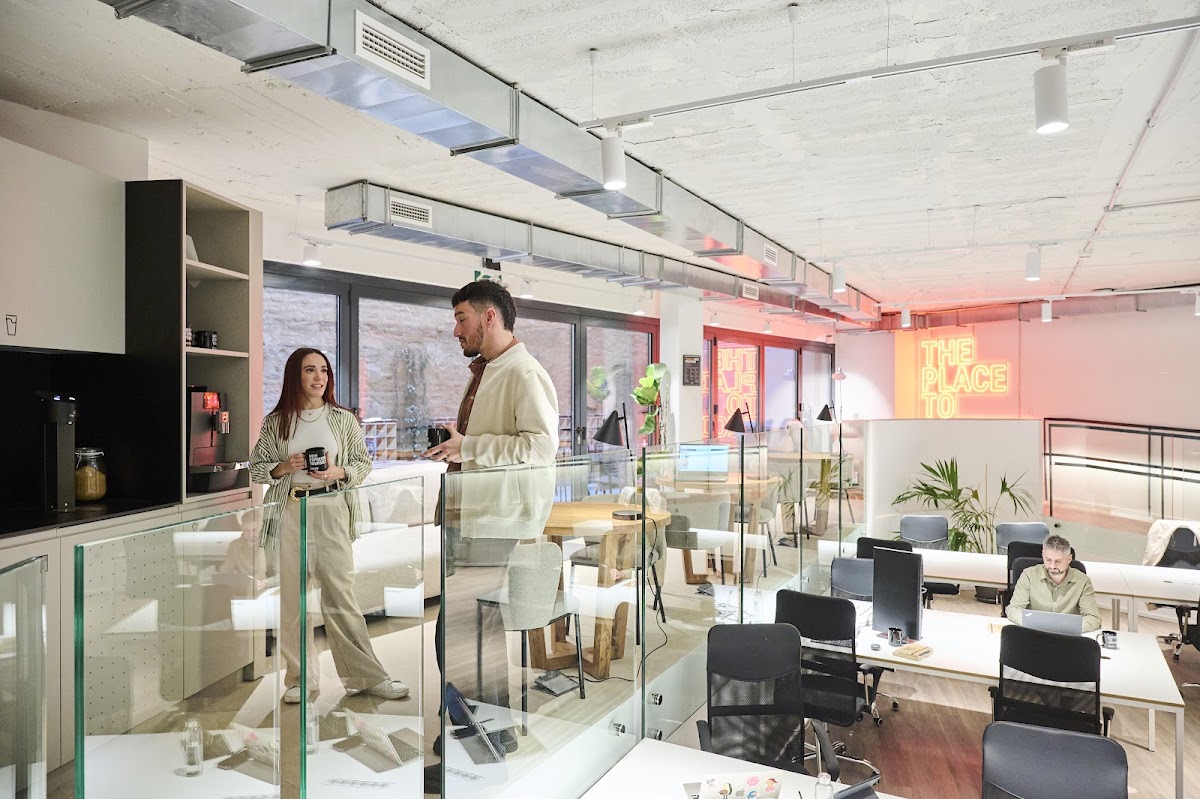
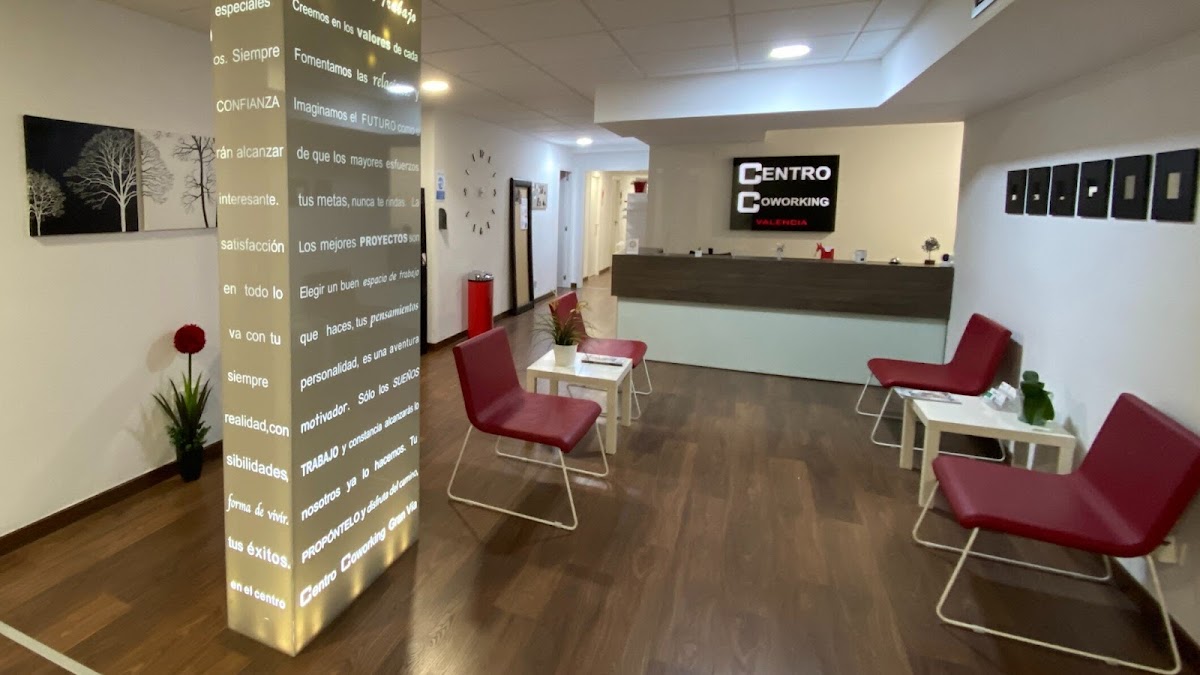
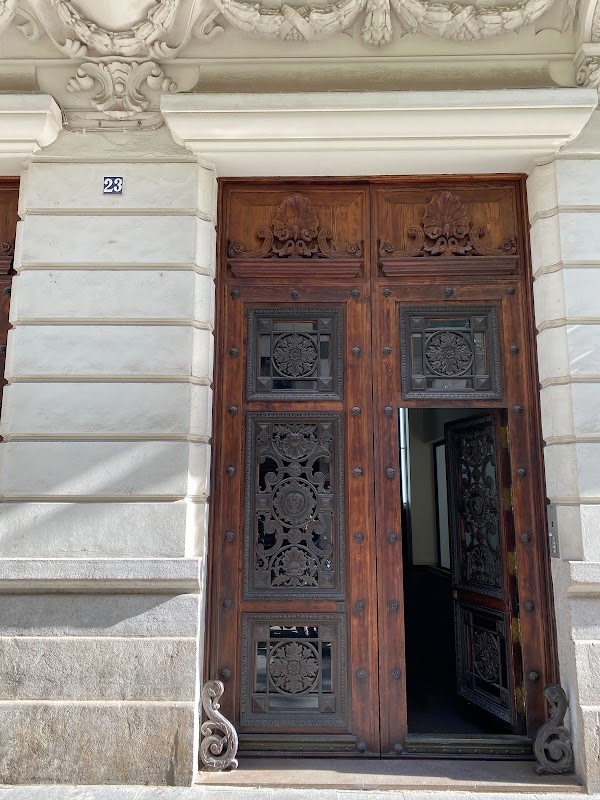
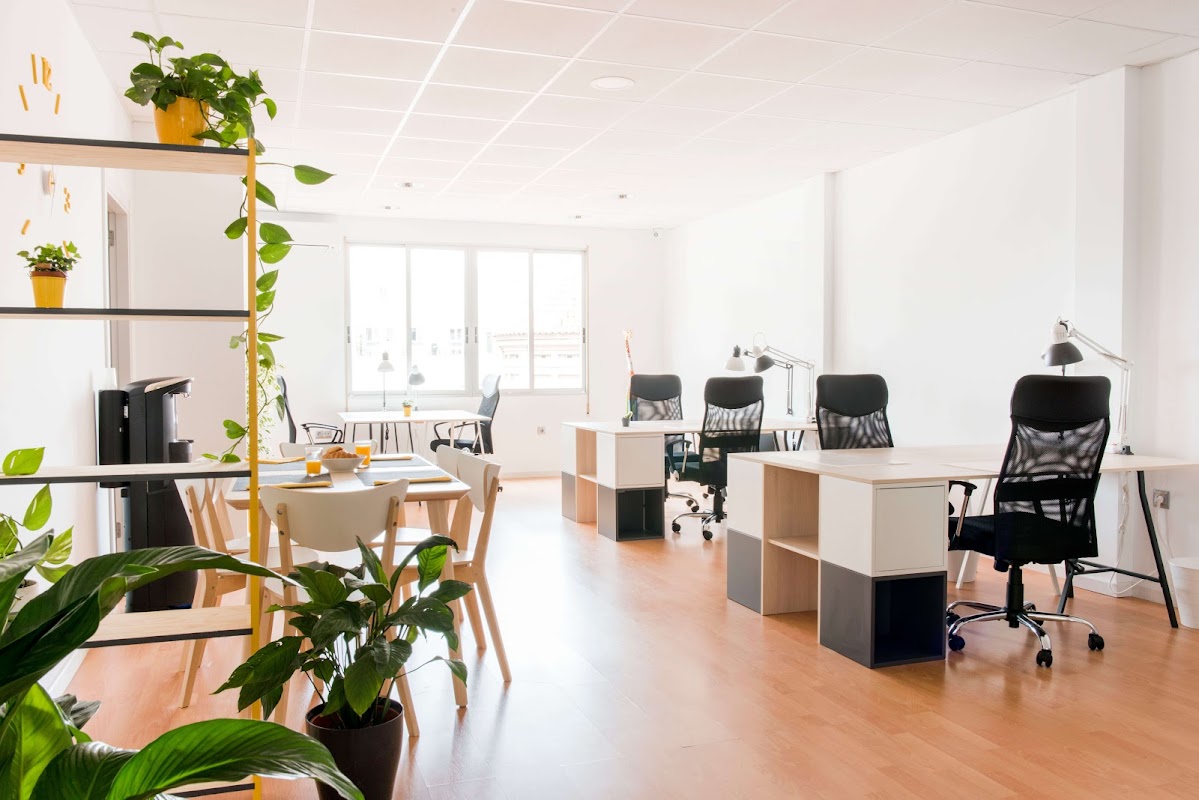
Coworking & cafés in Valencia
8 verified workspaces · cross-checked against Google Places & reviewed manually · no paid placements
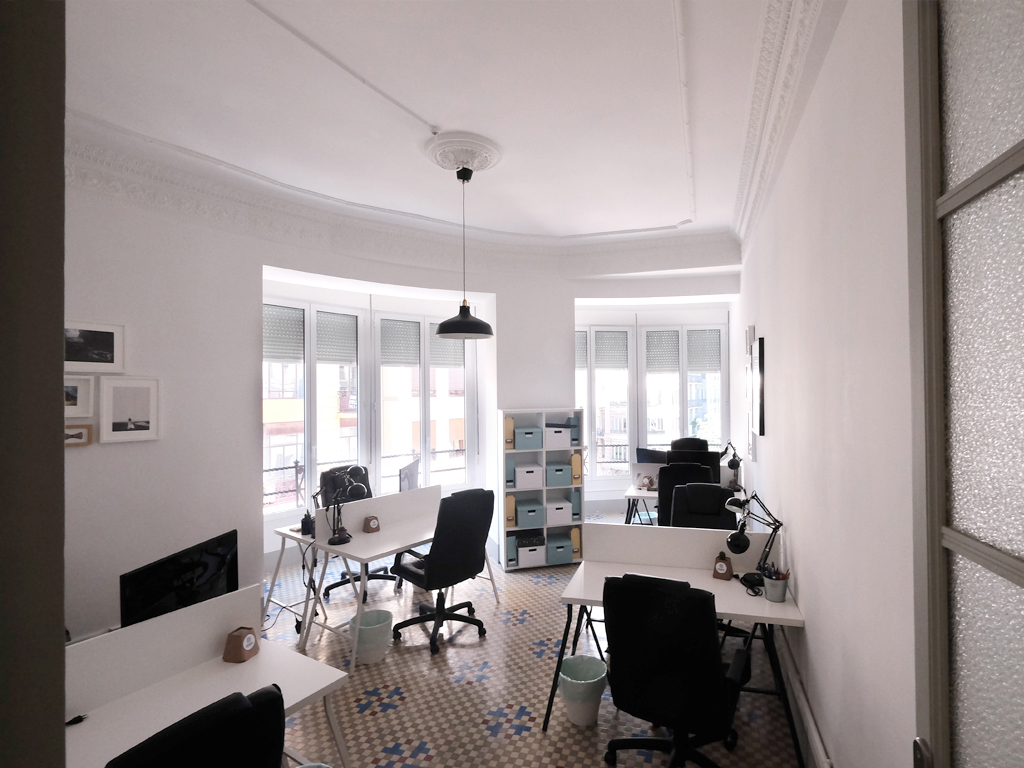
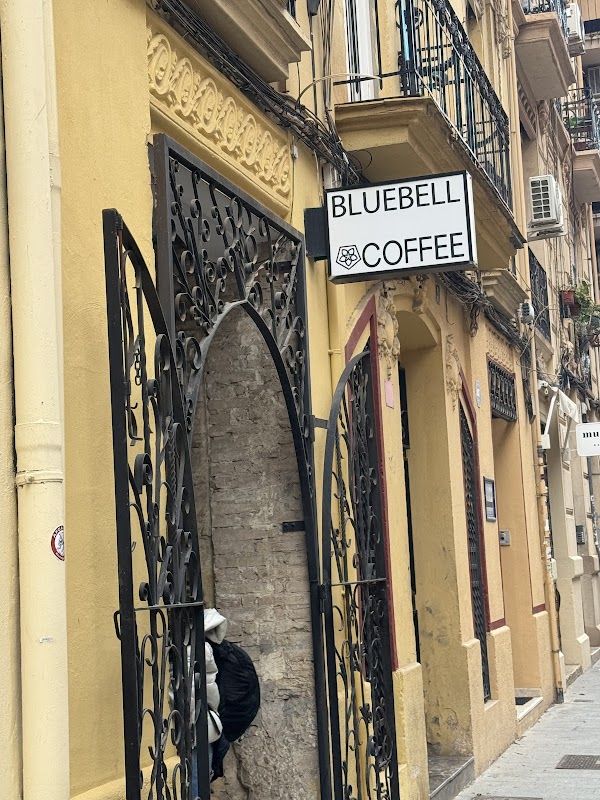
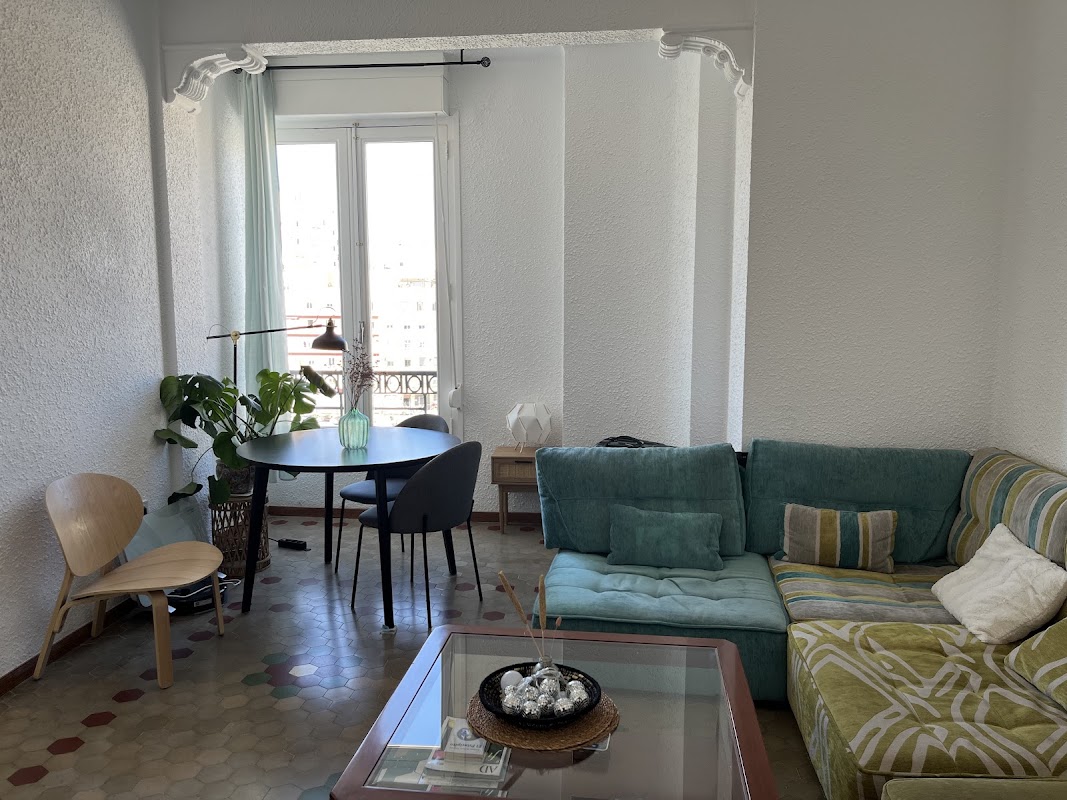
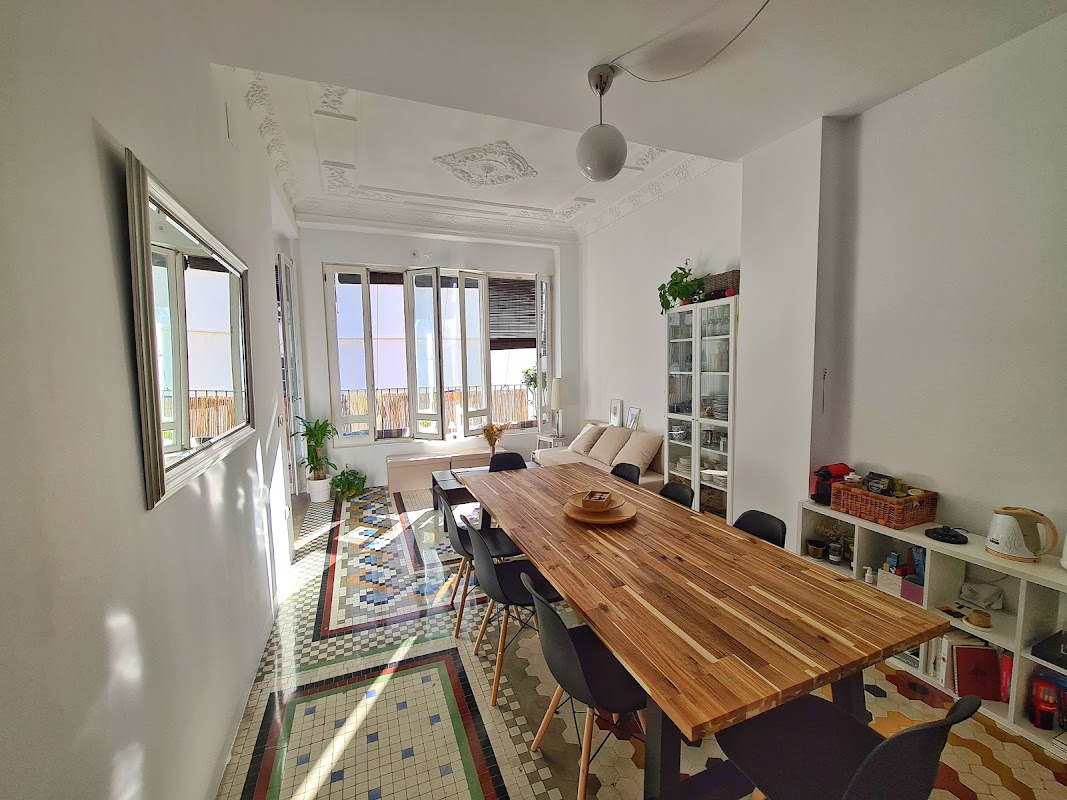
Things to Do in Valencia
Beach clubs with wifi let you laptop with ocean views, then swim during lunch breaks for perfect work-life integration.
Nine-kilometer park built in former riverbed connects the entire city by bike, making car-free commuting to coworking spaces easy.
One of Europe's largest fresh markets offers incredible lunch options under €10 and inspires home cooking for budget-conscious nomads.
March's explosive fire festival showcases Valencian culture at its wildest, offering incredible networking with locals and nomads alike.
Tranquil lagoon 20 minutes south provides nature escape with traditional paella restaurants and stunning sunset boat rides.
Pros & Cons
Pros
- Mediterranean climate with 300 sunny days and beach access year-round
- 40% cheaper than Barcelona with similar quality of life and infrastructure
- Excellent 140 Mbps internet and growing coworking scene
- Strong digital nomad community with regular meetups and networking events
- Outstanding food scene including authentic paella and €12 menú del día lunches
- Efficient public transport with metro, bike lanes, and walkable city center
- Easy access to Ibiza, Barcelona, and Madrid for weekend exploration
Cons
- Limited English spoken outside expat areas—Spanish or Valencian essential for daily life
- Extreme summer heat (35-40°C) from July-August makes working uncomfortable without AC
- Siesta culture means shops and services close 2-6pm, disrupting nomad schedules
- Smaller tech scene compared to Barcelona or Madrid with fewer networking opportunities
- Tourism crowds peak around Fallas and summer months in central areas
- Some bureaucracy challenges for apartment rentals requiring NIE numbers and deposits