
Visa for Indonesia
Program: Remote Worker Visa (E33G) — Kartu Izin Tinggal Terbatas (KITAS)
Duration: 1 year (initial visa grants entry within 90 days; KITAS issued upon arrival is valid for 12 months). May be renewable up to 5 times (total up to 6 years per some sources) — confirm current renewal policy with Indonesian immigration.
Income: Minimum USD $60,000/year from foreign employer or clients. Also requires savings/balance of at least USD $2,000 in bank account for the past 3 months.
Full Indonesia DNV guideIndonesia does not yet offer a formal digital nomad visa despite discussions. Most nomads use the B211A Social-Budaya visa (60 days, extendable up to 180 days total) which costs approximately $100-150 through an agent, or the newer Second Home Visa (5-year multiple entry) requiring proof of $130,000 in funds. Visa runs to Singapore or Kuala Lumpur were common but extensions through agents have become the standard practice. Always check official Indonesian immigration sources as policies change frequently.
Cost of Living in Ubud
Cost data verified May 2026Best Neighborhoods for Nomads
Penestanan
Hillside artist community with rice terrace views, yoga studios, and the famous Campuhan Ridge Walk nearby.
Nyuh Kuning
Quiet village bordering the Monkey Forest, offering authentic Balinese life with easy access to central Ubud.
Central Ubud
Heart of town with maximum convenience to restaurants, coworking spaces, and cultural sites but more expensive and congested.
Sanggingan
Residential area along the river valley with upscale villas, art museums, and a more tranquil atmosphere.
Tegallalang
Famous rice terrace area 20 minutes north, offering spectacular views and lower prices but requiring scooter dependence.
Internet & Infrastructure
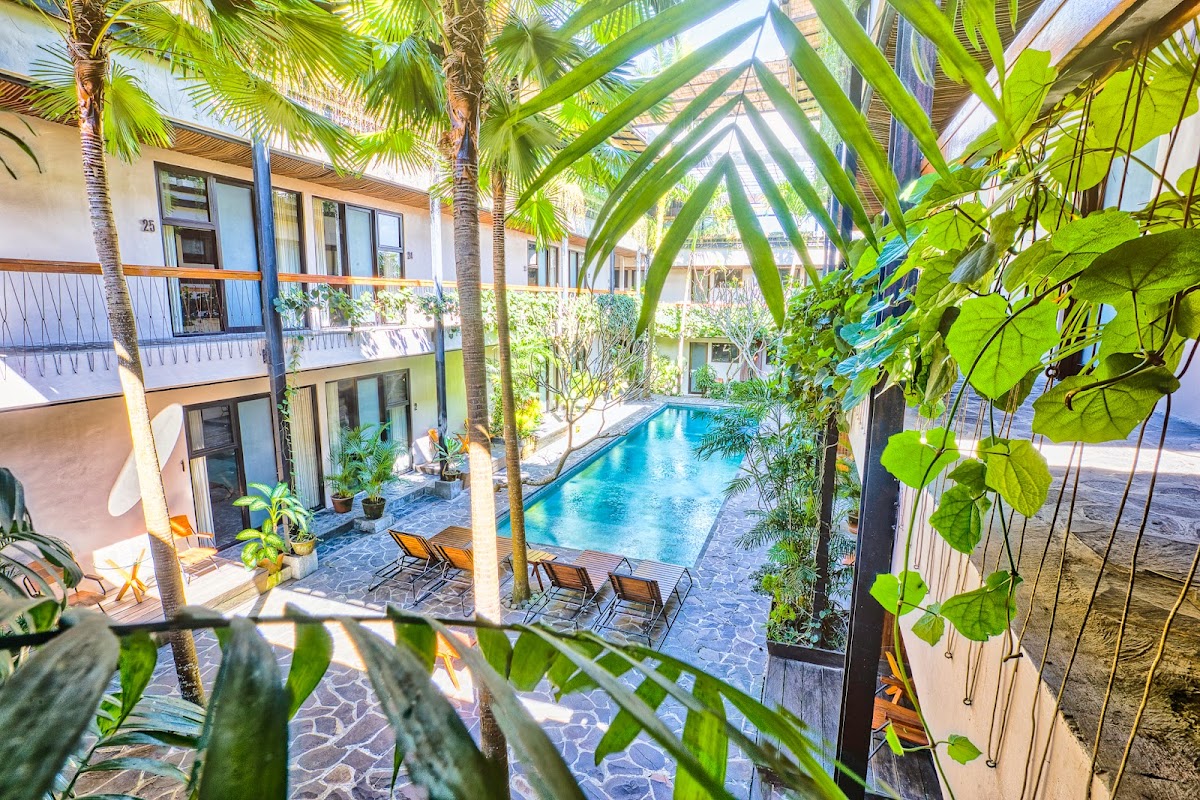
Coworking & cafés in Ubud
8 verified workspaces · cross-checked against Google Places & reviewed manually · no paid placements
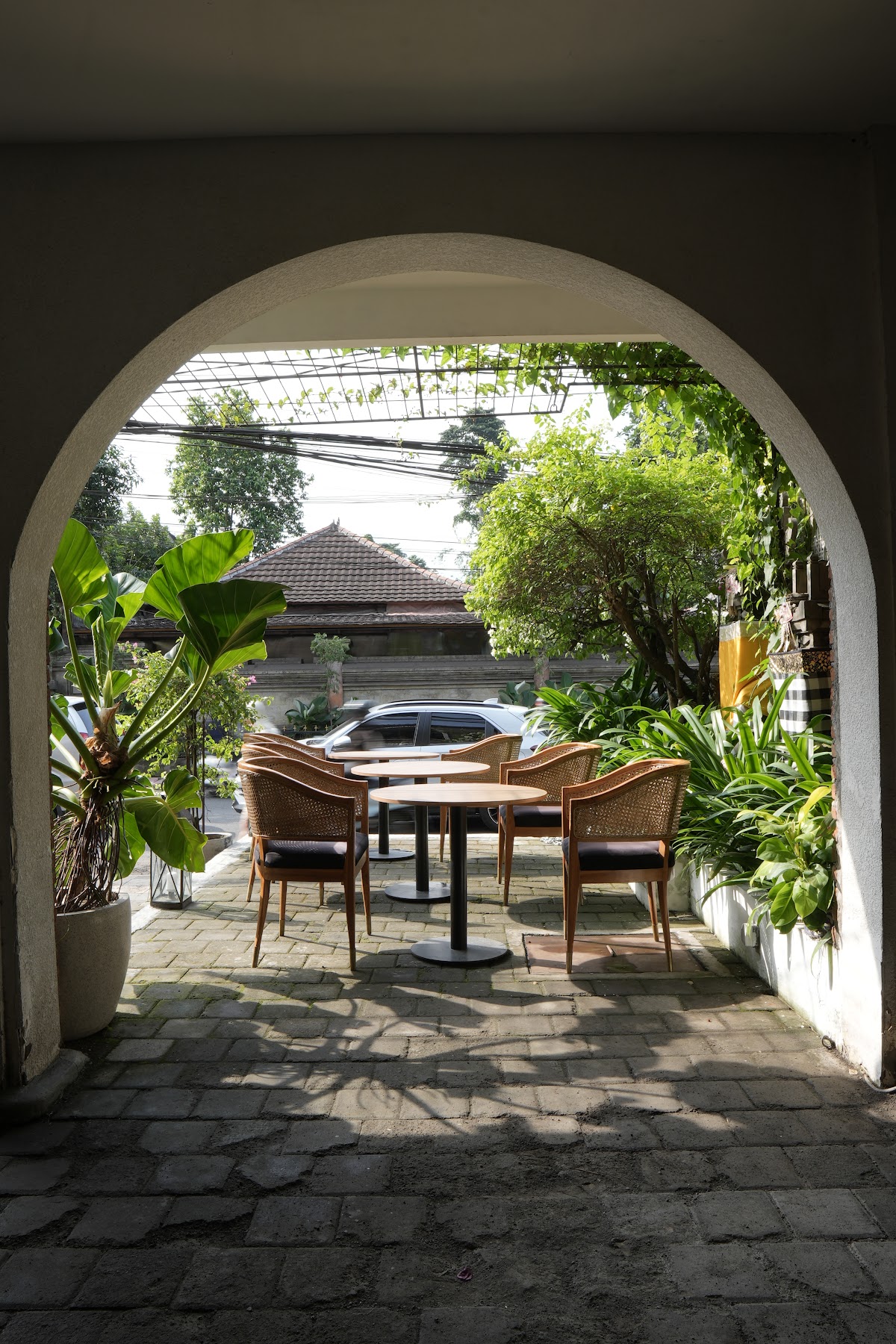
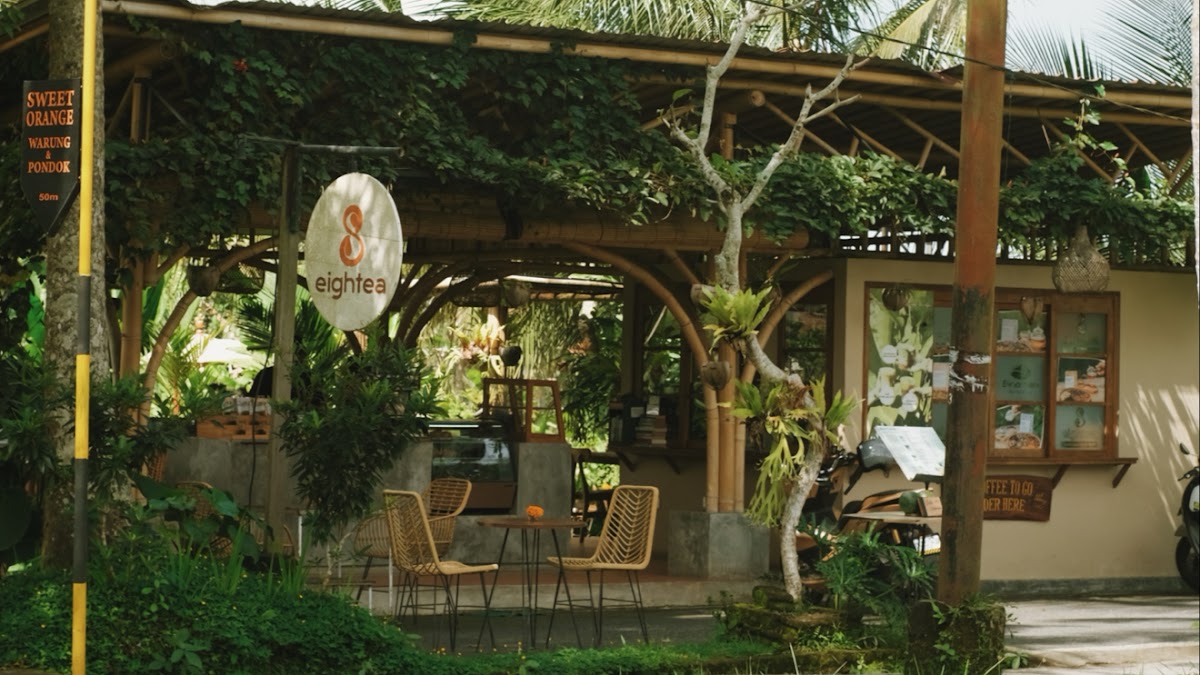
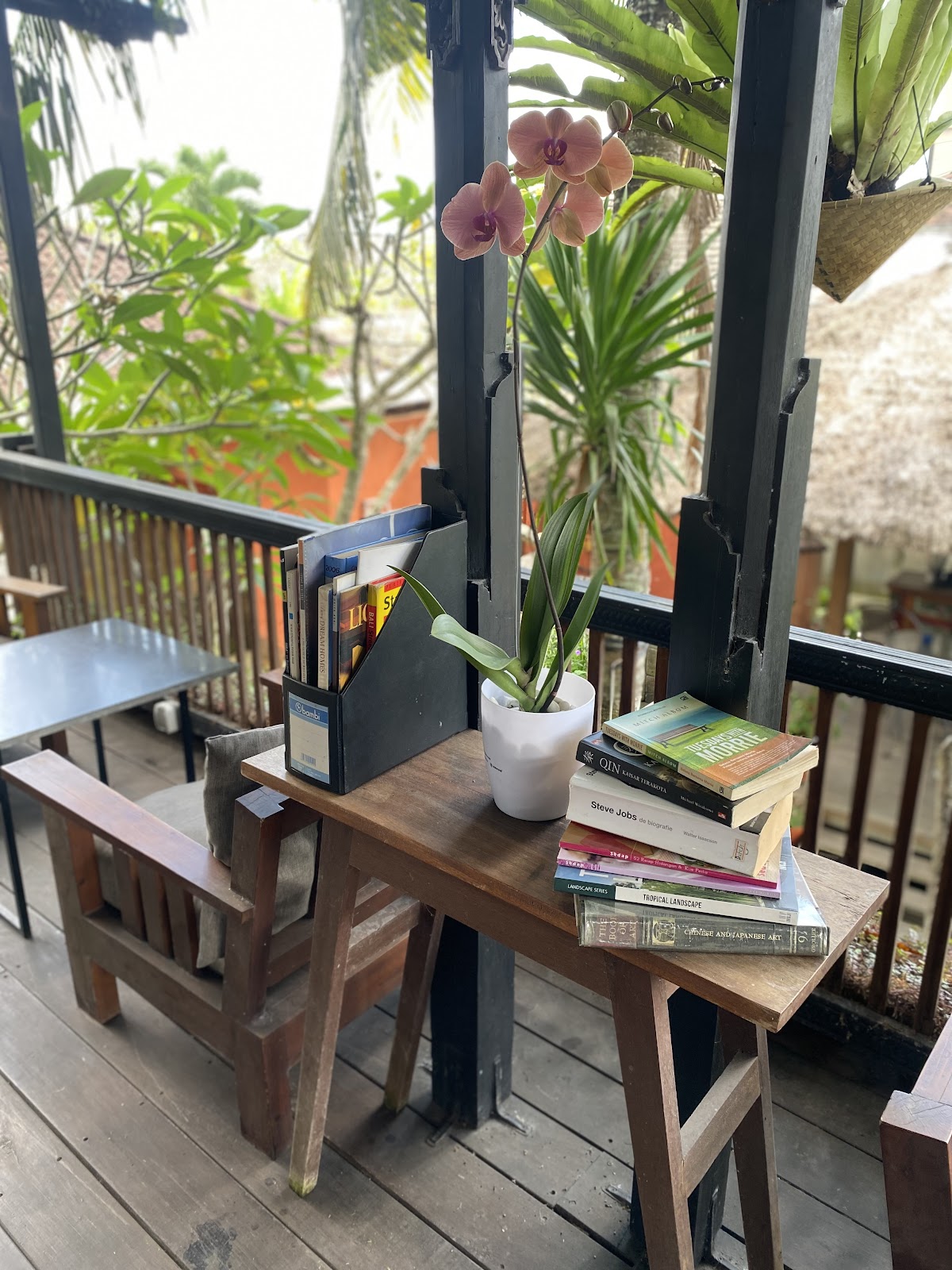
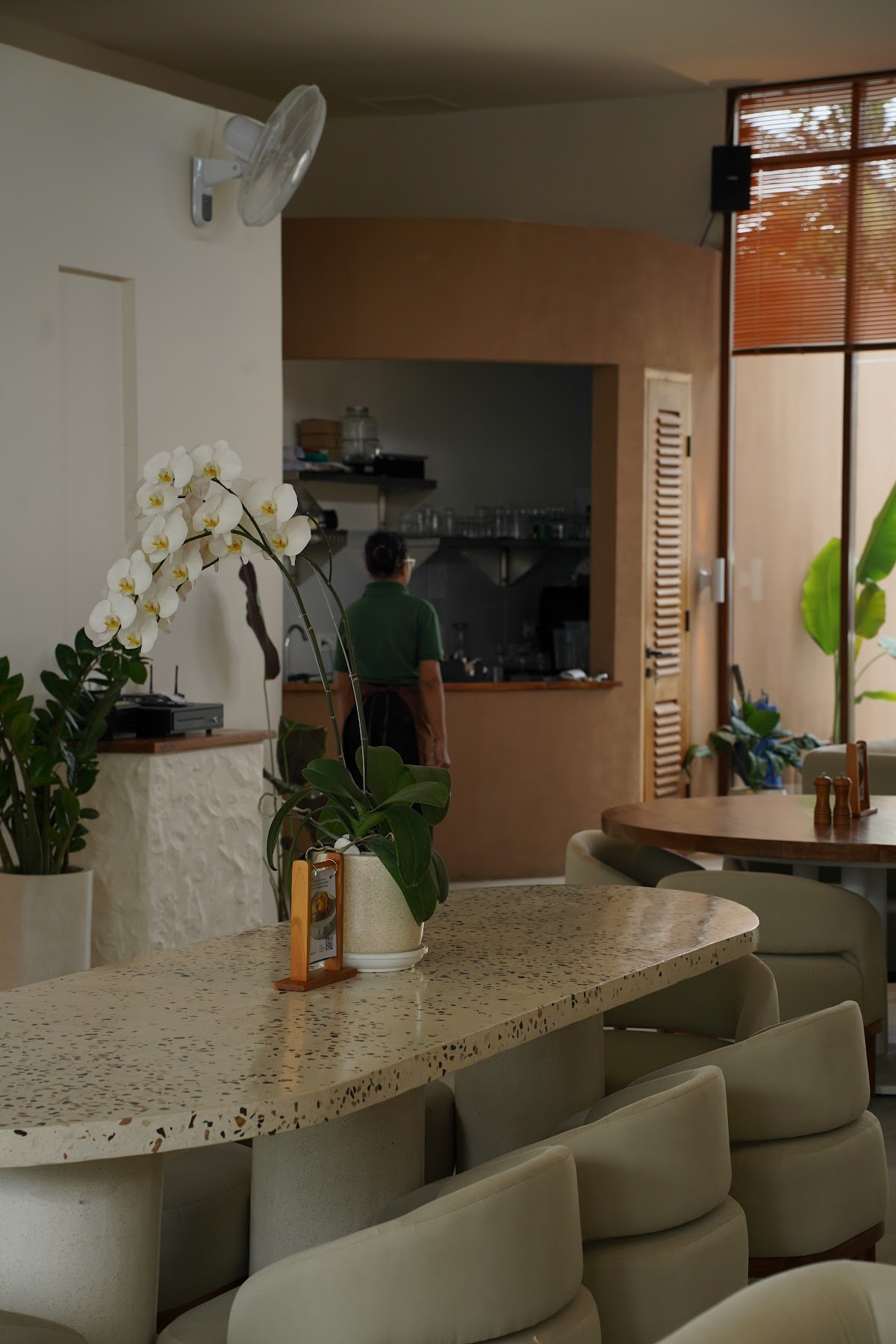
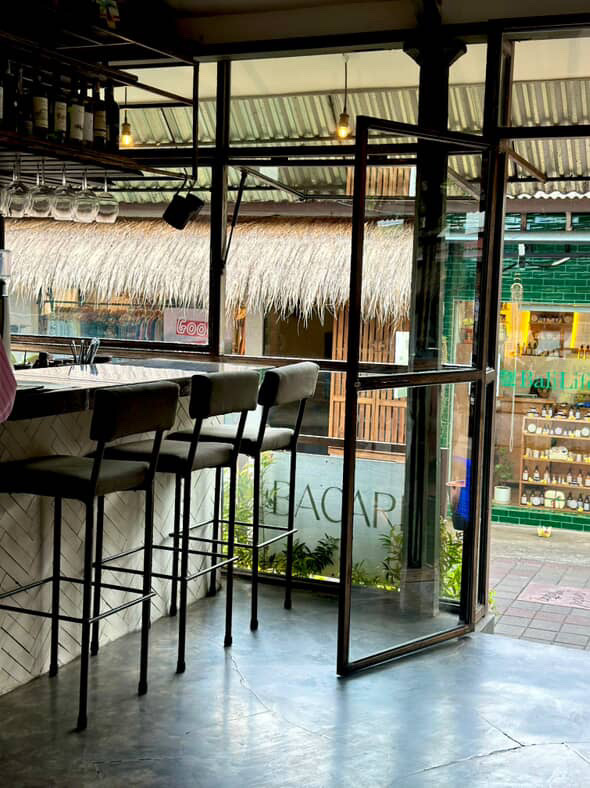
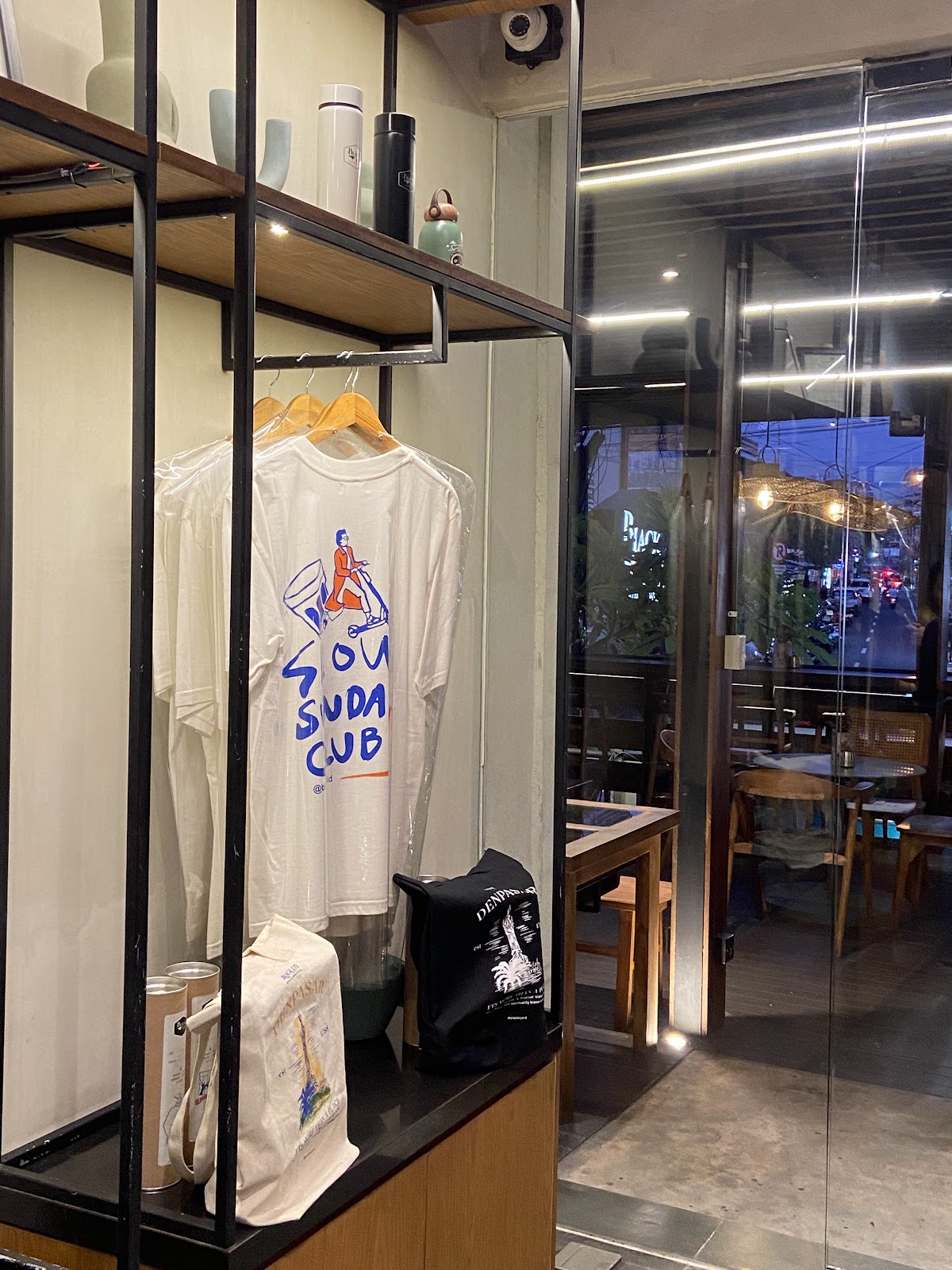
![Suka Espresso [Ubud] — cafe in Ubud](https://hessokjzqxfasvfqqoxz.supabase.co/storage/v1/object/public/location-photos/ChIJzYlF7KY90i0RnPIUn6jueFc.jpg)
Things to Do in Ubud
Join established coworking communities with reliable internet, events, and networking opportunities tailored for digital nomads.
Start your day with this easy 2km trail offering valley views and fresh air before settling into work.
Experience Bali's iconic landscape and understand why these ancient farming systems inspire so many nomads to stay longer.
Ubud Palace hosts nightly Balinese dance shows that provide cultural context beyond the nomad bubble.
Break up your work routine with hands-on experiences that connect you to Balinese culture and agriculture.
Pros & Cons
Pros
- Strong nomad community with regular meetups and networking events
- Abundant coworking spaces with backup internet and generator power
- Affordable organic food and health-conscious restaurant options everywhere
- Easy access to yoga, meditation, and wellness activities for work-life balance
- Beautiful natural surroundings with rice paddies and jungle within walking distance
- Inexpensive accommodation with many monthly rental options and villa shares
- Cultural richness with daily ceremonies, temples, and traditional arts visible in daily life
Cons
- Internet can be unreliable during rainy season with frequent outages
- Heavy traffic congestion on narrow roads makes short distances time-consuming
- High humidity and daily rain from November to March affects mood and equipment
- Increasingly touristy with higher prices than other Indonesian cities
- Limited nightlife and party scene compared to Canggu or Seminyak
- Aggressive monkeys in tourist areas can be genuinely problematic