
Visa for Mexico
Program: Visa de Residencia Temporal No Lucrativa (Temporary Resident Visa) — Solvencia Económica
Duration: 1 year initially (visa sticker valid 6 months; must exchange for resident card within 30 days of entry at INM office). Renewable annually up to 4 years total. After 4 years, eligible for permanent residency (if earning $5,460+/month for last 6 months).
Income: Monthly income route: approximately USD $3,700–$4,400 net/month (300× Mexican daily minimum wage) for the last 6 months. Consulate-specific — exact amount varies by location. Savings route: approximately USD $62,000–$74,000 (5,000× Mexican daily minimum wage) maintained for last 12 months. Increases ~$860/month per dependent.
Full Mexico DNV guideMexico offers a 180-day tourist visa on arrival for most nationalities, which many digital nomads use by doing visa runs. The Temporary Resident Visa allows stays up to 4 years and requires proof of monthly income around $2,700 USD or savings of approximately $45,000 USD, processed through Mexican consulates before arrival (4-6 weeks). Mexico launched a formal Digital Nomad Visa program in 2022 but implementation details vary by consulate. Check official immigration sources (INM) for current requirements as policies change frequently.
Cost of Living in Tulum
Cost data verified May 2026Best Neighborhoods for Nomads
La Veleta
Modern residential area popular with remote workers, featuring new condos, cafes, and coworking spaces with reliable infrastructure.
Aldea Zamá
Master-planned community between town and beach offering contemporary apartments, amenities, and walkable streets with expat-friendly services.
Tulum Pueblo
The authentic downtown area where locals live, offering the most affordable accommodations and authentic Mexican eateries.
Zona Hotelera
Beachfront strip with boutique hotels, beach clubs, and premium cabanas offering ocean views and sunset vibes at luxury prices.
Región 15
Emerging residential neighborhood north of downtown with lower prices, local markets, and growing expat community.
Internet & Infrastructure
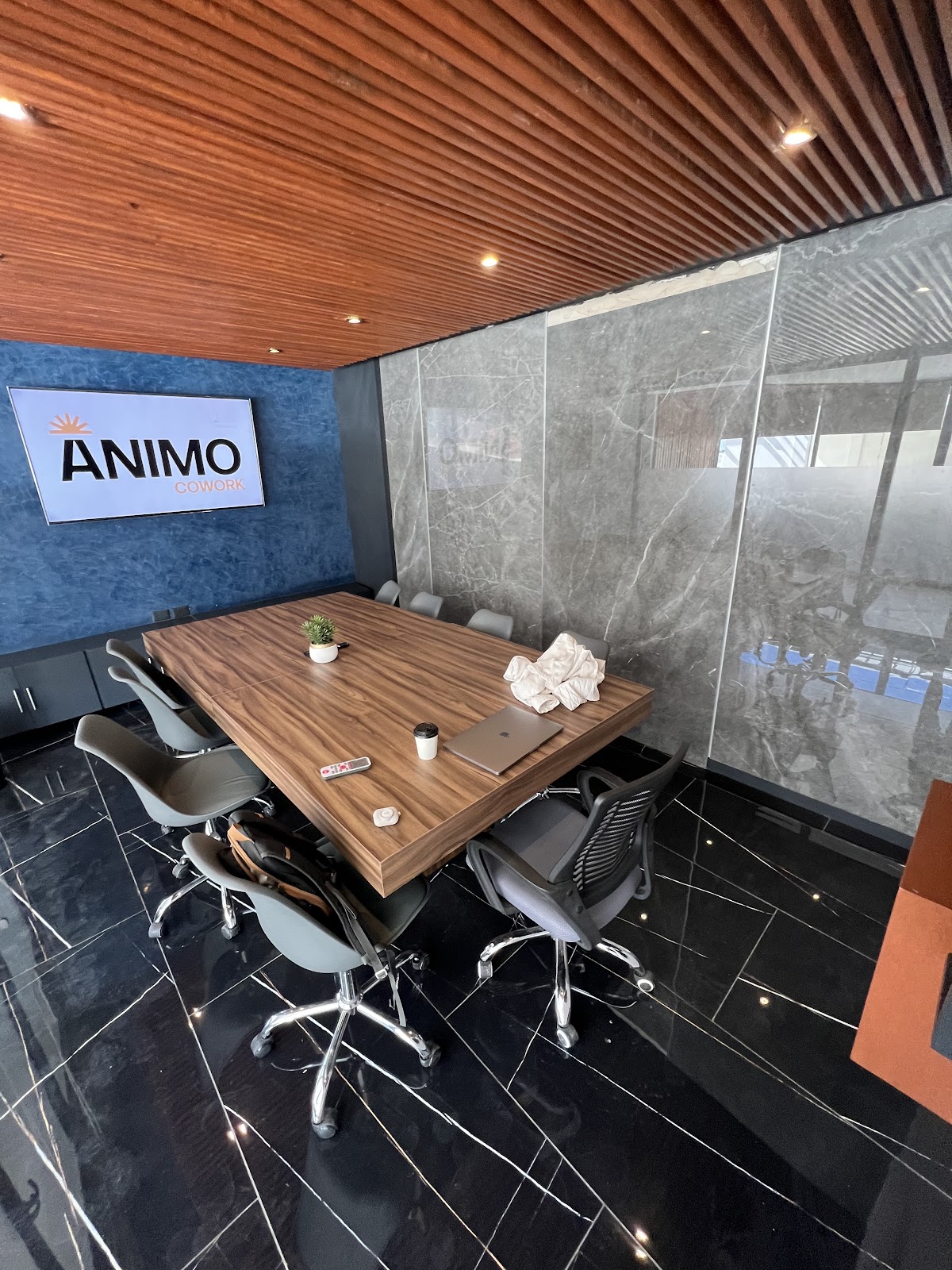
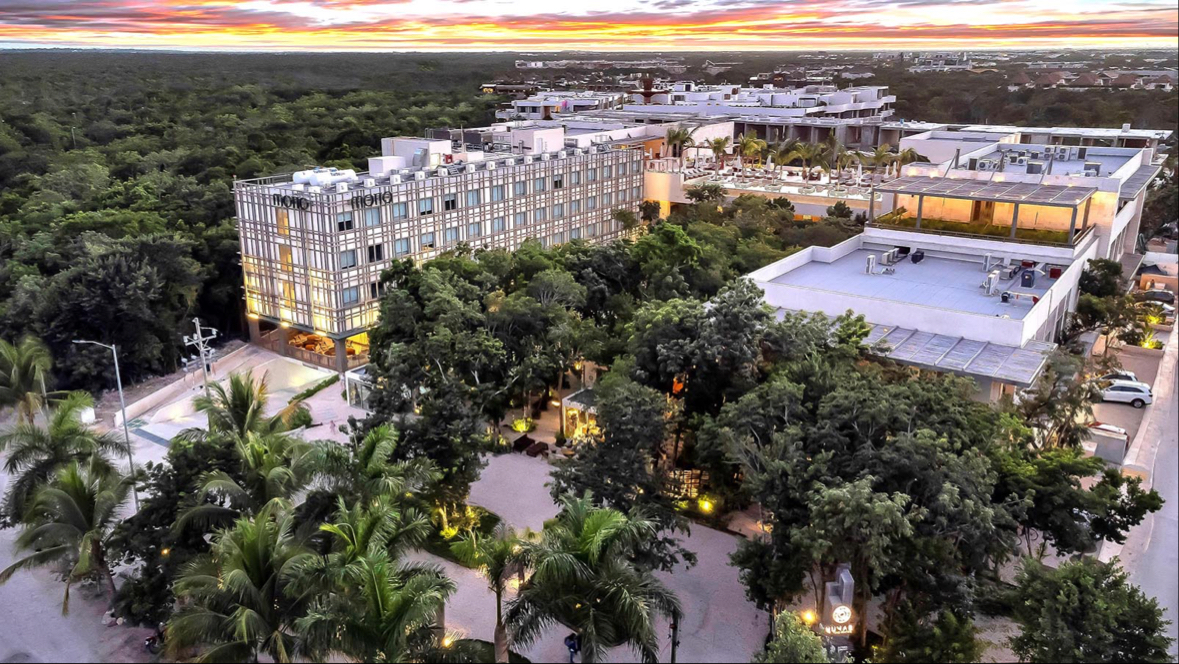
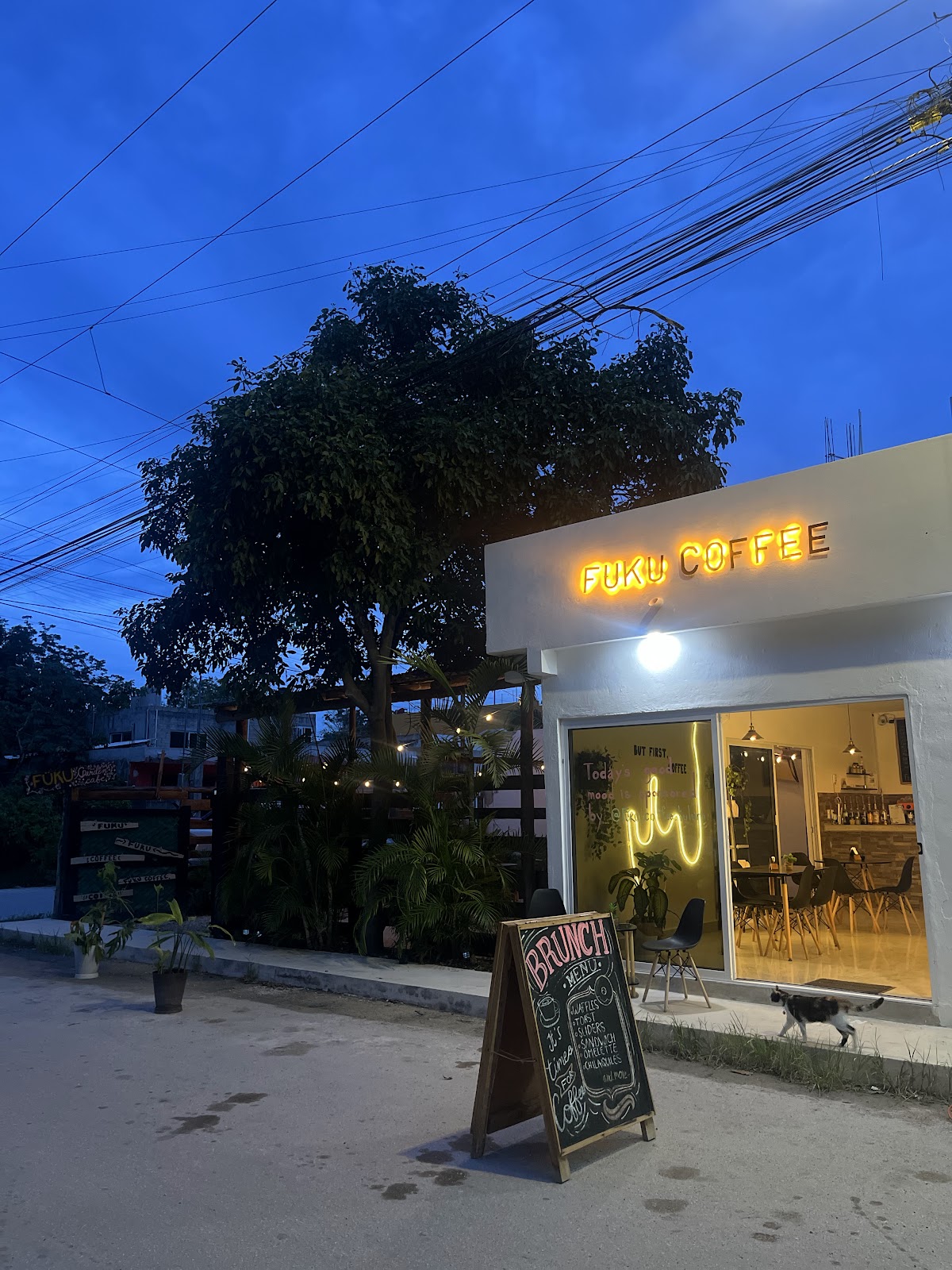
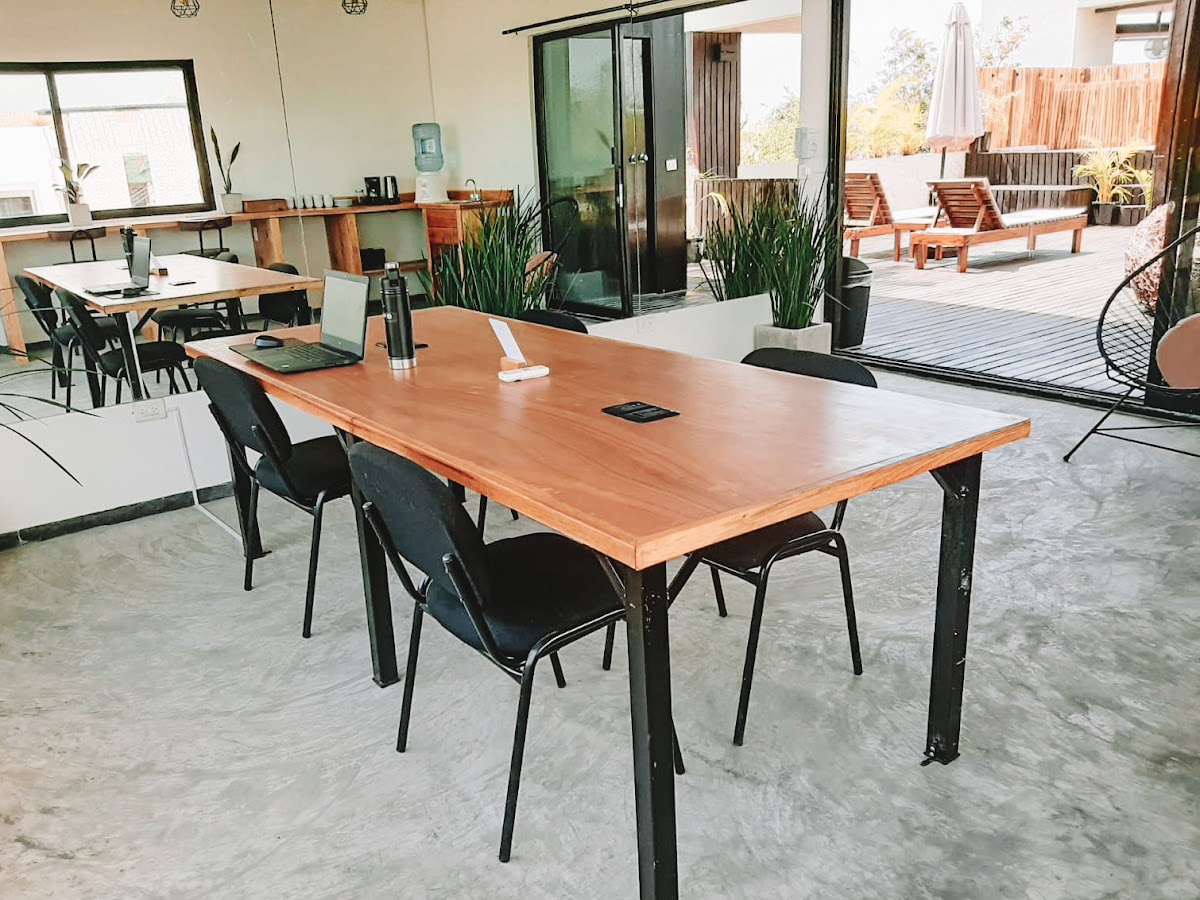
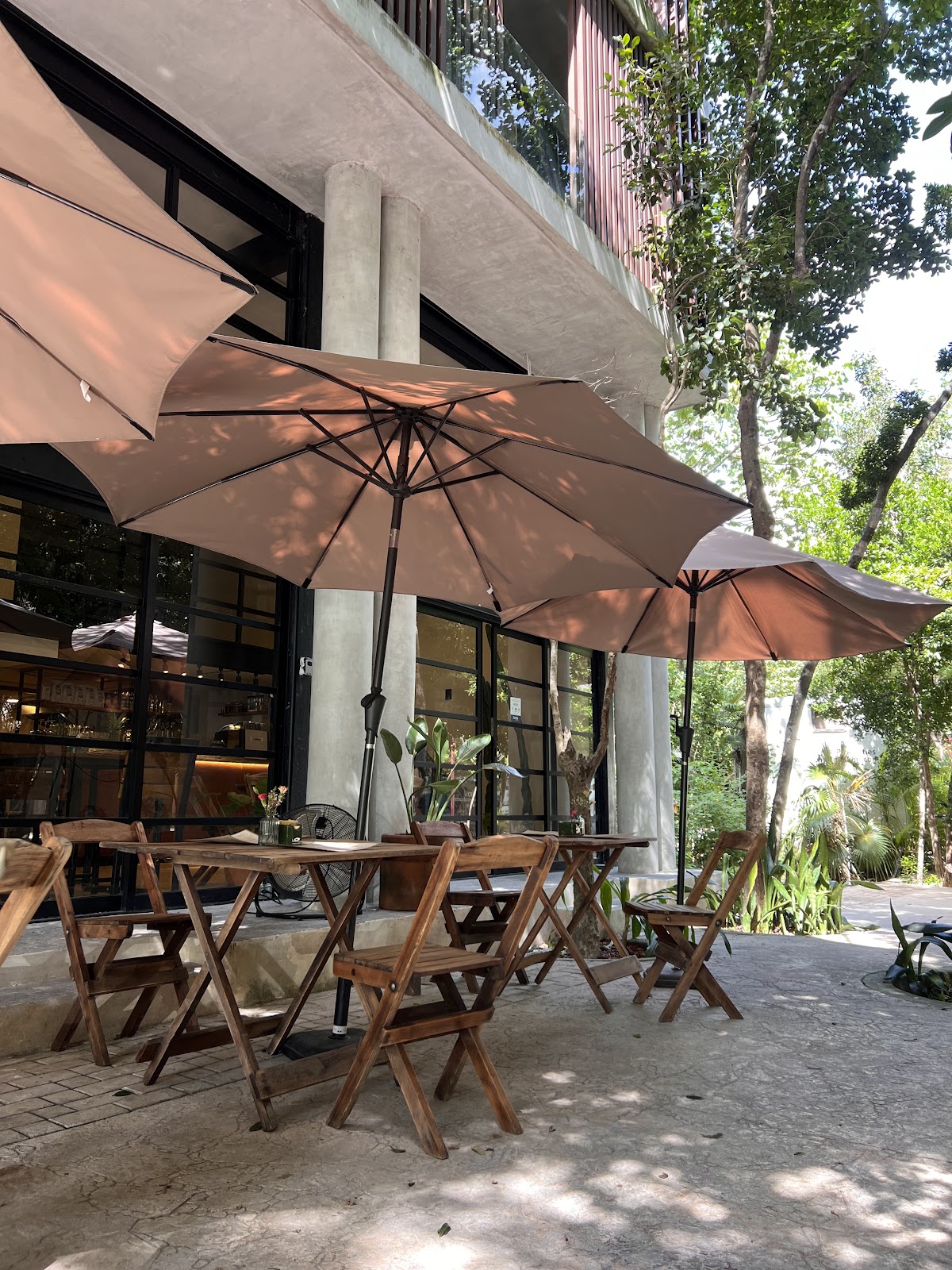
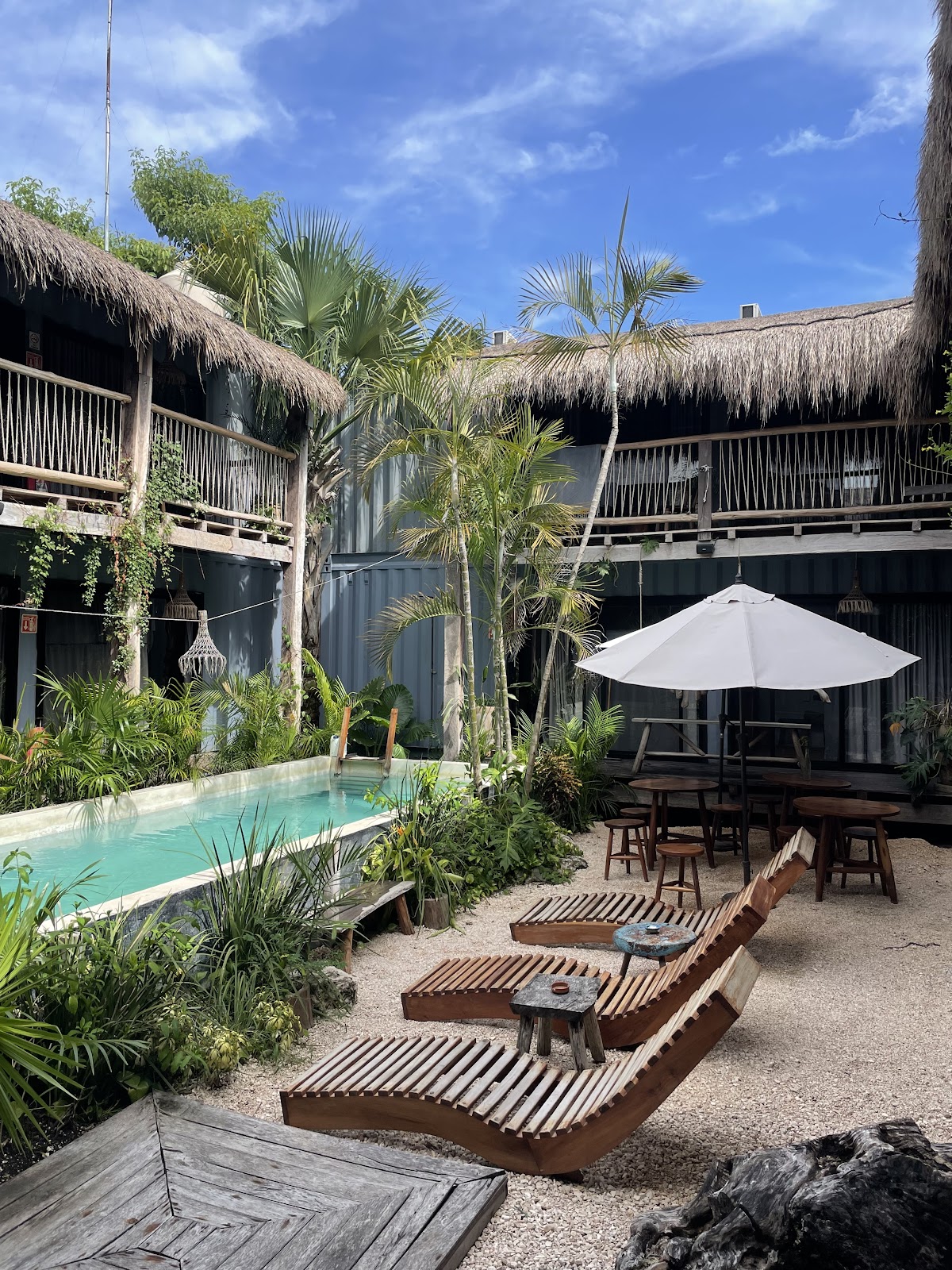
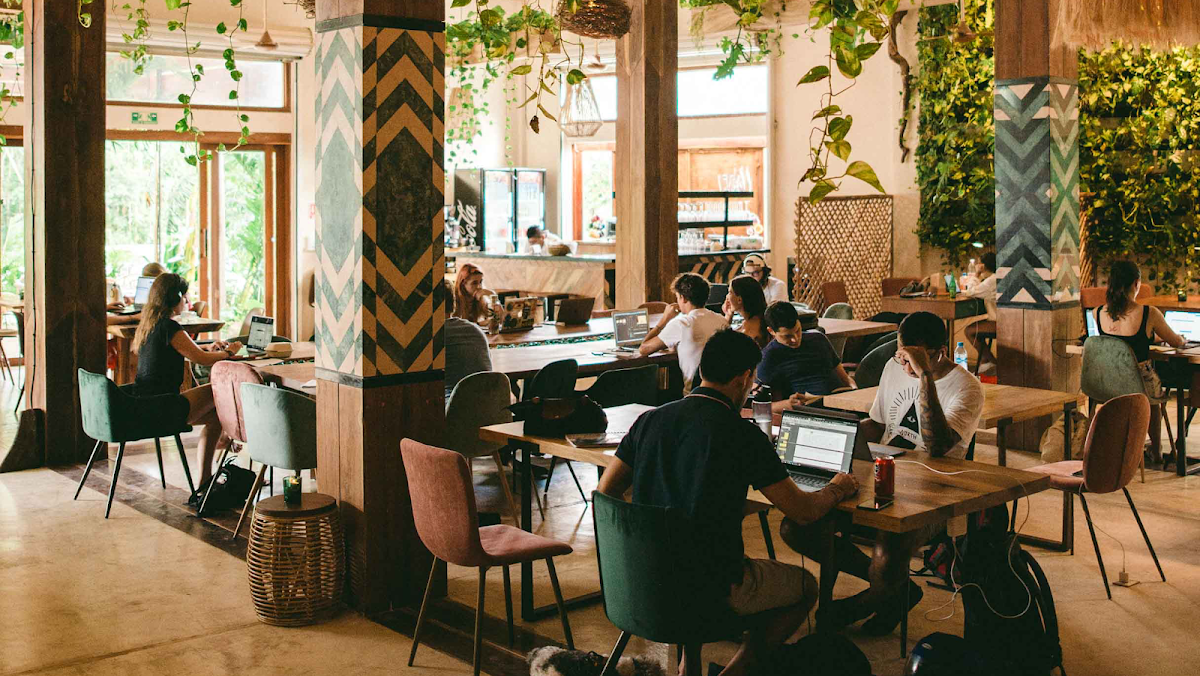
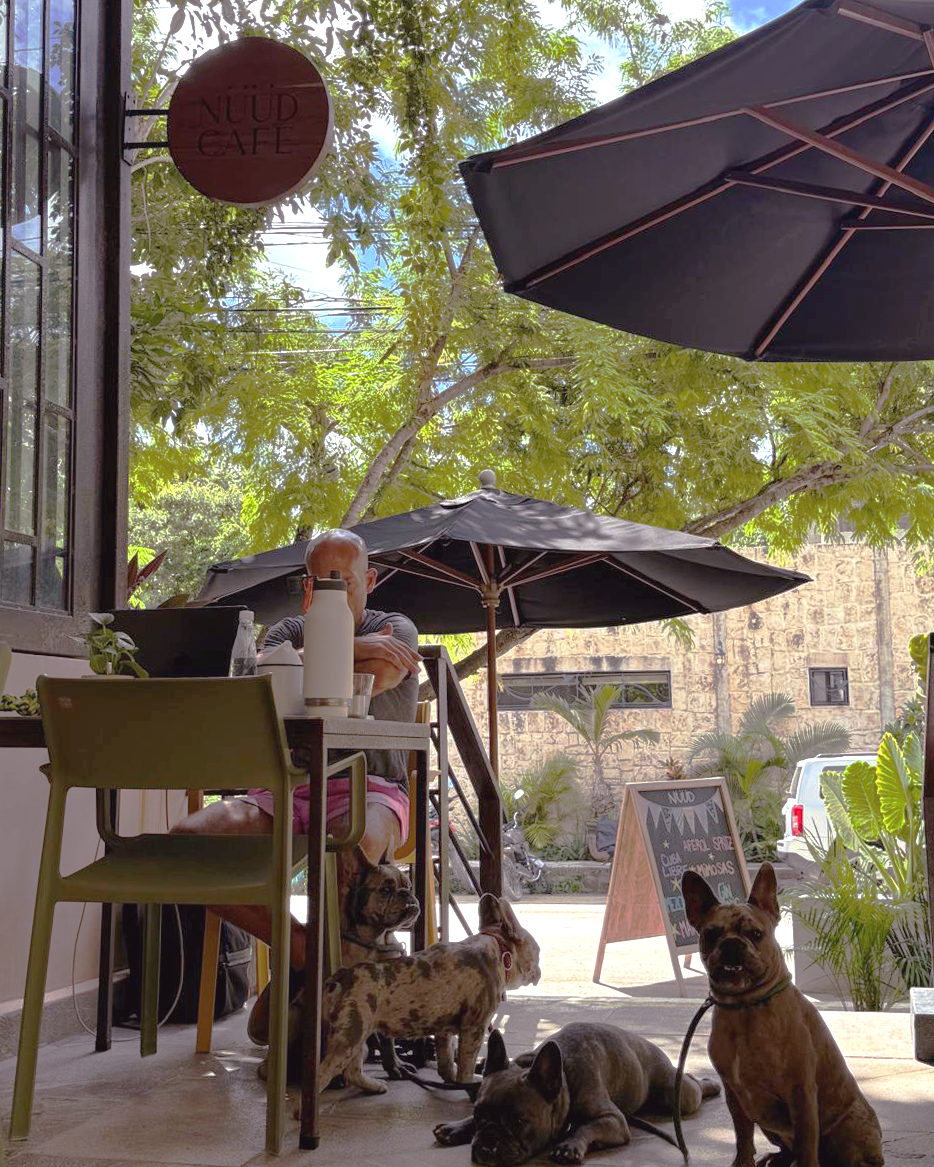
Coworking & cafés in Tulum
8 verified workspaces · cross-checked against Google Places & reviewed manually · no paid placements
Things to Do in Tulum
Cool off in crystal-clear freshwater sinkholes perfect for afternoon breaks between work sessions and networking with other travelers.
Explore ancient Mayan ruins overlooking the Caribbean, offering cultural enrichment and stunning photo opportunities just minutes from town.
Work poolside at venues like Papaya Playa Project or Ahau with WiFi, food service, and ocean views for productive change-of-scenery days.
Disconnect on weekends in this UNESCO World Heritage Site featuring pristine beaches, mangroves, and wildlife just south of Tulum.
Network at spots like Tribal or Dojo where the international remote work community regularly hosts events, workshops, and social gatherings.
Pros & Cons
Pros
- Stunning Caribbean beaches with powder-white sand and turquoise water
- Thriving wellness scene with yoga studios, sound healings, and health-focused restaurants
- Growing digital nomad community with multiple coworking spaces and networking events
- Year-round warm weather ideal for beach lifestyle enthusiasts
- Access to cenotes, Mayan ruins, and natural attractions within short distances
- Diverse international food scene from vegan cafes to upscale dining
- Easy to meet other remote workers and build social connections
Cons
- High cost of living compared to other Mexican cities, approaching US prices in tourist areas
- Inconsistent internet and frequent power outages during rainy season
- Poor public transportation requiring car, scooter rental, or expensive taxis
- Overdevelopment causing environmental concerns and losing authentic character
- Moderate safety concerns including petty theft, bike theft, and occasional scams targeting tourists
- Extreme heat and humidity can be uncomfortable for those unaccustomed to tropical climates