
Visa for Japan
Program: Designated Activities Visa — Digital Nomad (デジタルノマドビザ)
Duration: 6 months (single entry visa valid for 3 months from issue; must enter before entry validity expires; once in Japan, may stay 6 months). Non-renewable — must leave Japan and wait minimum 6 months before reapplying.
Income: Minimum JPY 10,000,000/year (~USD $65,000–$68,000/year at 2025 exchange rates). One of the highest income thresholds globally for a digital nomad visa. Health insurance coverage: minimum JPY 10,000,000 for medical treatment.
Full Japan DNV guideJapan does not offer a dedicated digital nomad visa. Most nomads enter on a 90-day tourist visa waiver (for eligible nationalities) and do short-term stays, though working remotely on this visa exists in a legal gray area. Longer options include the Designated Activities visa for specific professionals or starting a business visa requiring ¥5 million in capital. Some nomads opt for language school student visas which allow part-time work. Processing times for work visas typically take 1-3 months with significant documentation requirements.
Cost of Living in Tokyo
Cost data verified May 2026Best Neighborhoods for Nomads
Shibuya
The energetic heart of Tokyo with major coworking spaces, international crowd, and endless entertainment options.
Nakameguro
Trendy canal-side neighborhood with boutique cafes, cherry blossom views, and a more relaxed creative atmosphere.
Shinjuku
Major business and transport hub with excellent connectivity, nightlife, and diverse dining from budget to luxury.
Setagaya
Residential area favored by families and long-term residents offering authentic local life and lower costs.
Roppongi
International district with many expats, English-friendly services, embassies, and upscale amenities.
Internet & Infrastructure
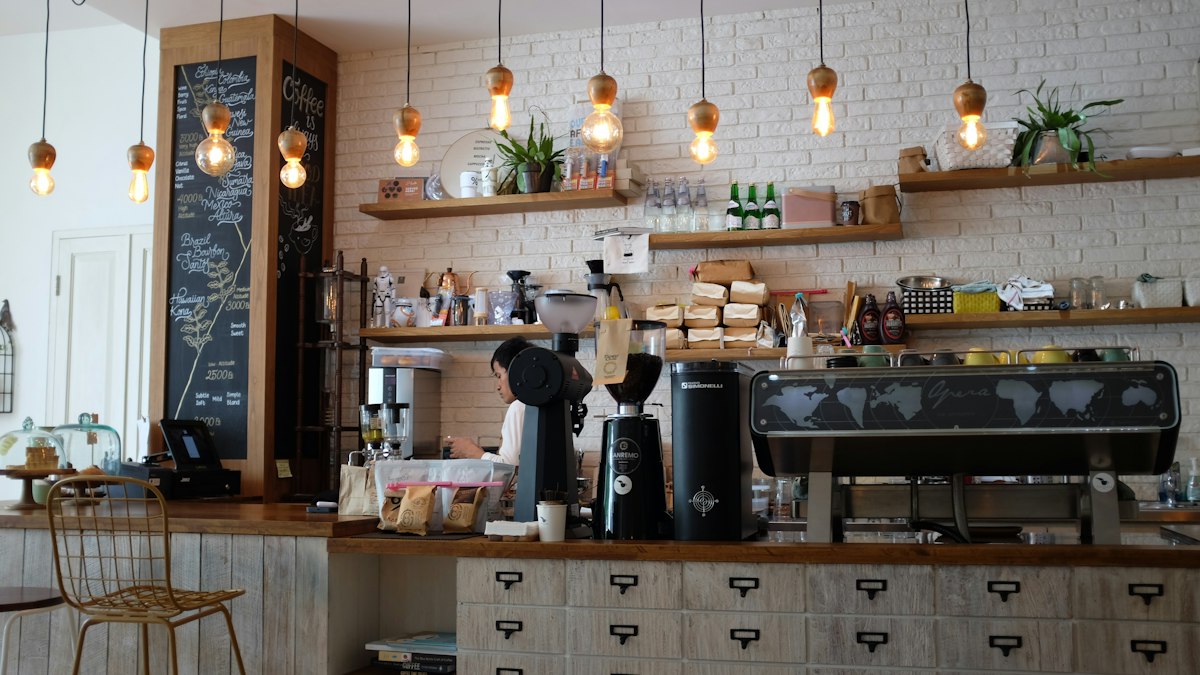
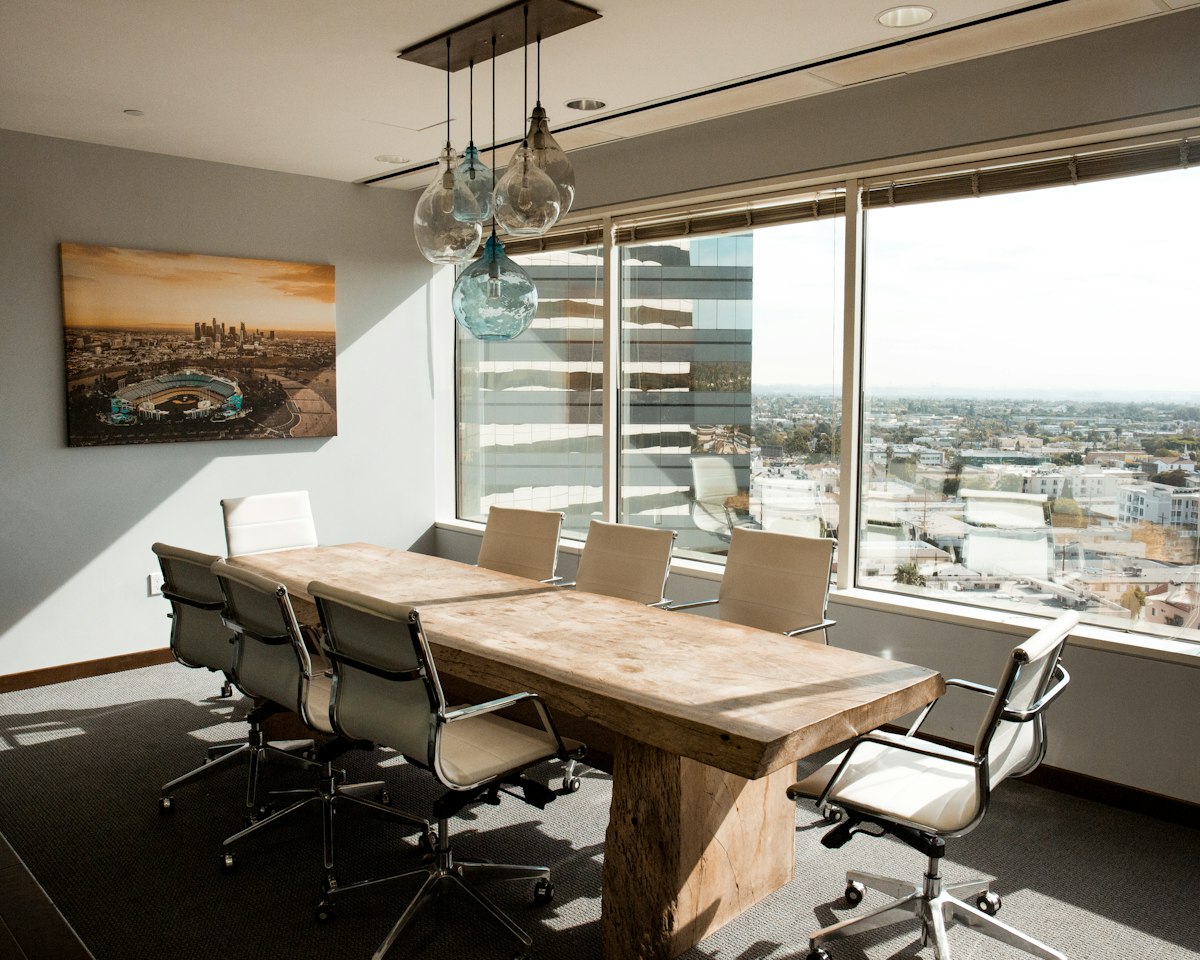
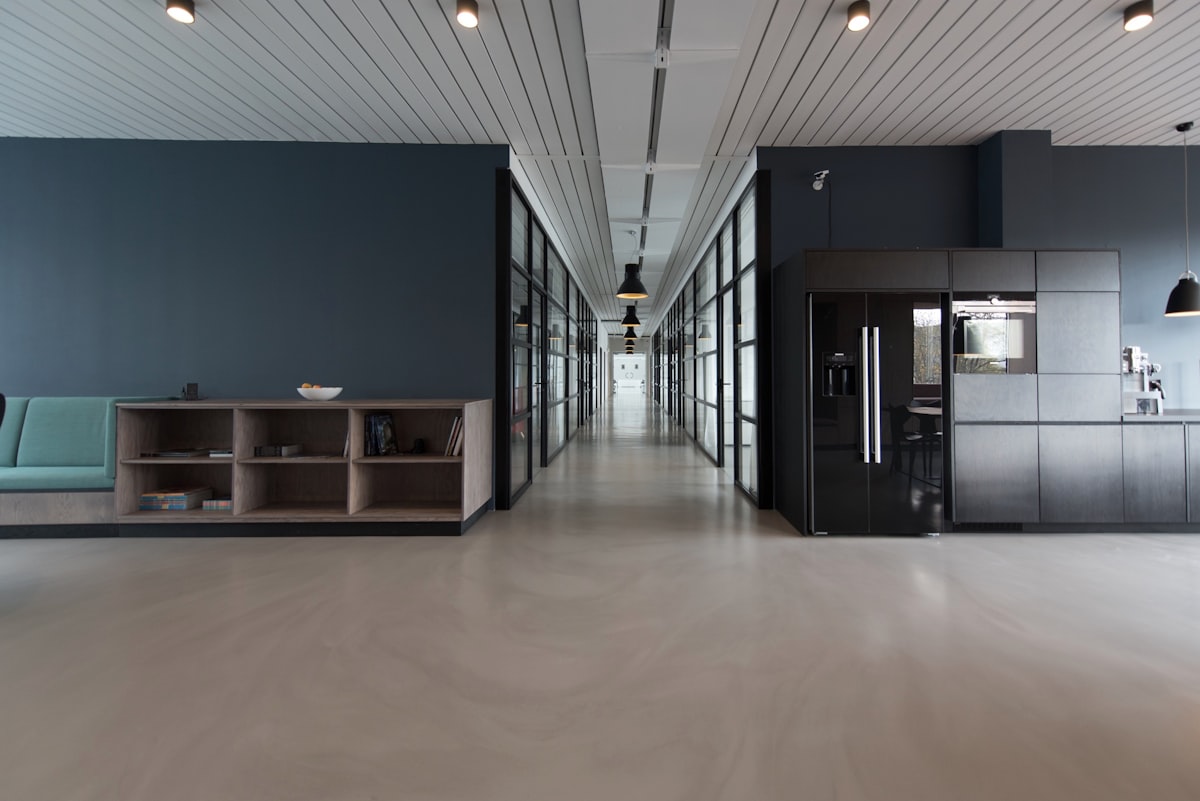
Coworking & cafés in Tokyo
8 verified workspaces · cross-checked against Google Places & reviewed manually · no paid placements

Things to Do in Tokyo
Experience Tokyo's oldest temple and traditional shopping streets for cultural grounding between work sessions.
Discover Tokyo's unique cafe culture from cat cafes to silent work cafes designed specifically for productivity.
Immerse yourself in this digital art museum that showcases Japan's creative technology fusion.
Escape the city density with an easy hike offering nature, temples, and views just 50 minutes from central Tokyo.
Network over incredible fresh seafood breakfasts at this bustling market popular with locals and food enthusiasts.
Pros & Cons
Pros
- World-class public transportation system with trains every 2-3 minutes to anywhere in the city
- Extremely safe environment where lost wallets are routinely returned with cash intact
- Exceptional food quality at every price point from convenience stores to street vendors
- Blazing-fast and reliable internet infrastructure throughout the city
- 24/7 convenience with services, shops, and facilities available around the clock
- Strategic location for exploring Asia with affordable flights to Seoul, Bangkok, and beyond
- Clean, organized, and efficient urban environment that reduces daily friction
Cons
- High cost of living at $2,800/month makes long-term stays expensive compared to other Asian cities
- Significant language barrier as English proficiency is limited outside tourist areas
- Small apartment sizes with typical studios around 20-25 square meters
- Work-life culture can feel isolating as locals often work long hours with limited social spontaneity
- Humid summers (June-September) can be uncomfortable without air conditioning
- Complex visa situation with no dedicated digital nomad visa and strict enforcement