
Visa for Croatia
Program: Temporary Residence Permit for Digital Nomads (Privremeni boravak digitalnih nomada)
Duration: Up to 18 months (12 months initial + optional 6-month extension). Not renewable consecutively — must leave Croatia for at least 6 months before reapplying.
Income: Minimum €3,295/month (2.5× Croatian average monthly net salary per Bureau of Statistics, updated May 2025). Alternative: savings of €39,540 for 12 months or €59,310 for 18 months. Income updated to ~€3,622.50 in early 2026 per some sources.
Full Croatia DNV guideCroatia offers a Digital Nomad Visa allowing stays up to one year for remote workers earning at least €2,300 monthly from non-Croatian sources. Applications require proof of employment, health insurance, and accommodation, with processing taking 30-90 days through Croatian embassies. EU/EEA citizens enjoy freedom of movement and can stay indefinitely. Non-EU nomads often use 90-day tourist stays or temporary residence permits. Check official Ministry of Interior sources for current requirements as regulations update frequently.
Cost of Living in Split
Cost data verified May 2026Best Neighborhoods for Nomads
Varoš
Historic hillside neighborhood west of Diocletian's Palace with narrow streets, local taverns, and authentic Dalmatian character.
Meje
Quiet residential area near Marjan Forest Park, popular with locals and offering peaceful living with beach proximity.
Old Town (Diocletian's Palace)
Living inside a UNESCO World Heritage Site with ancient walls, vibrant nightlife, and maximum tourist energy.
Bačvice
Beachfront neighborhood famous for sandy beaches and nightlife, ideal for nomads prioritizing sea access over tranquility.
Split 3
Modern residential district east of center with newer apartments, supermarkets, and better value for money.
Internet & Infrastructure
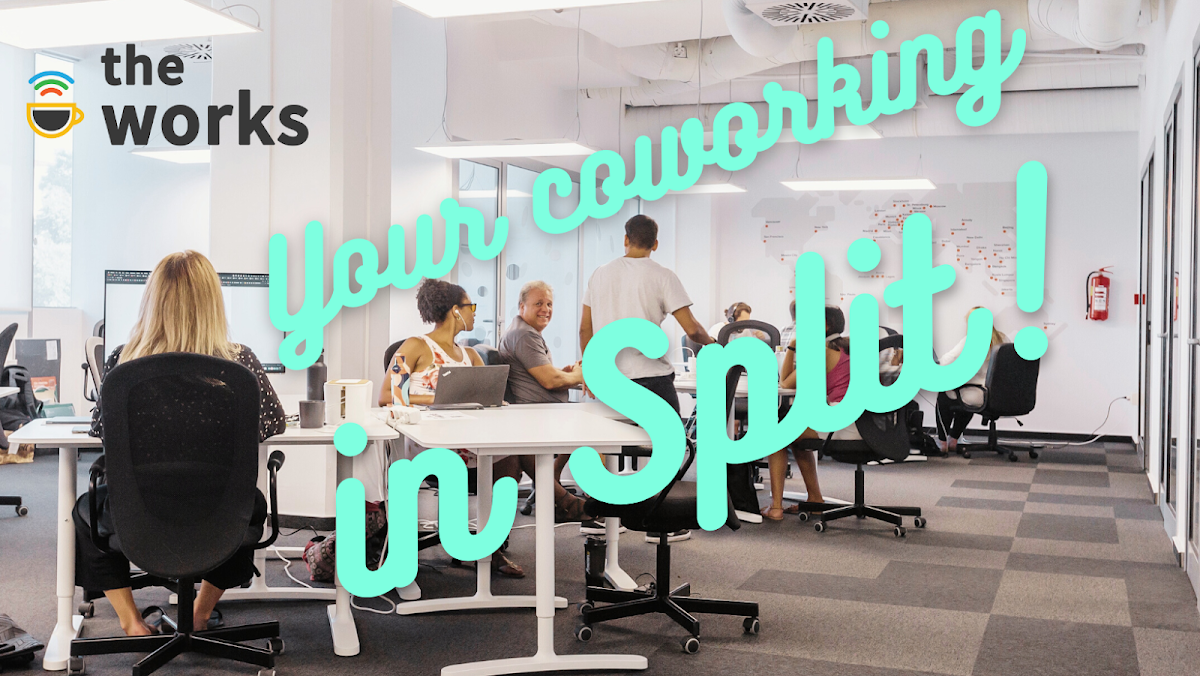
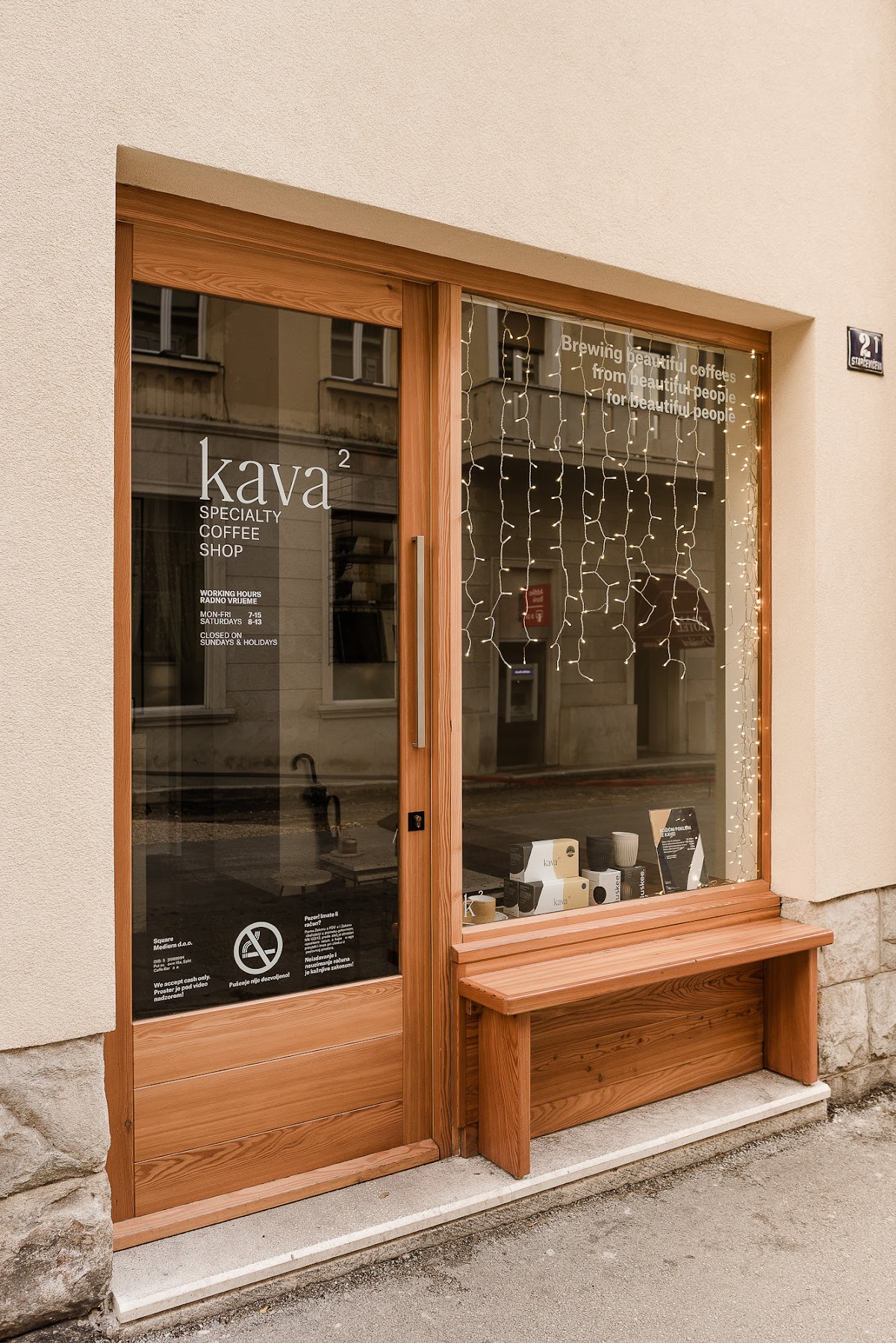
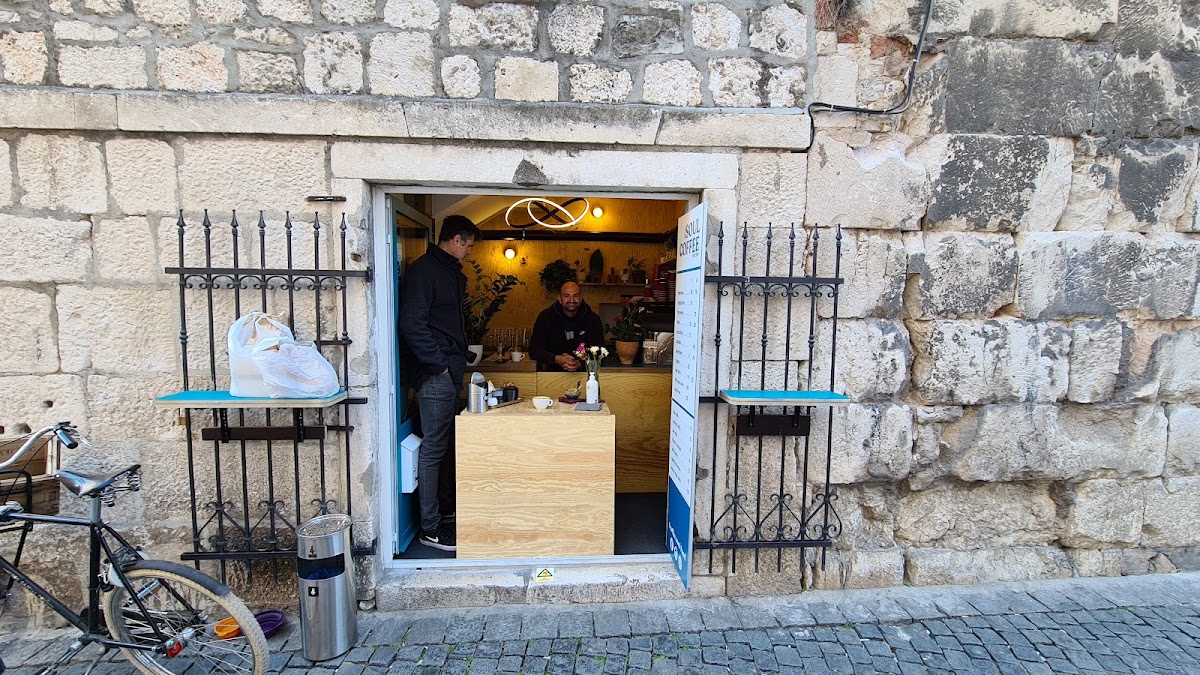
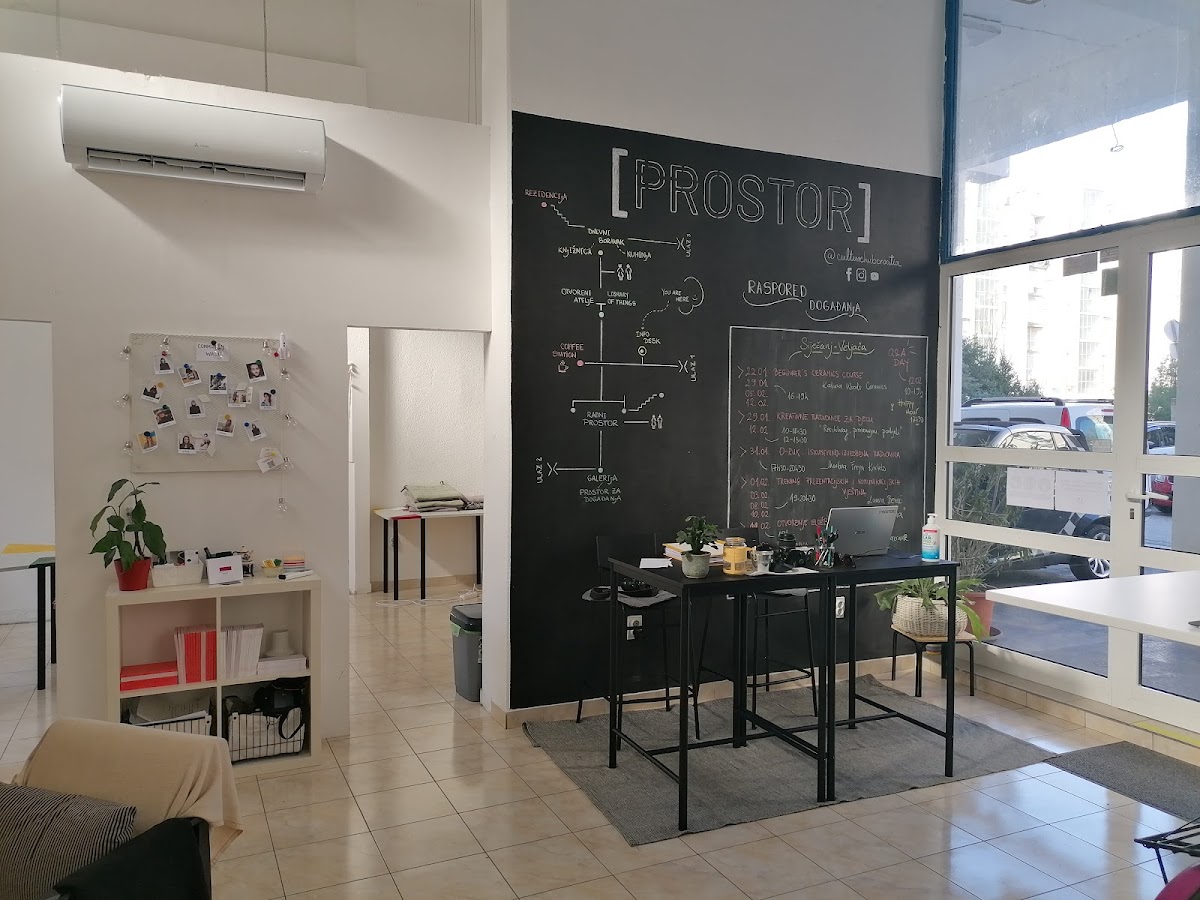
Coworking & cafés in Split
8 verified workspaces · cross-checked against Google Places & reviewed manually · no paid placements
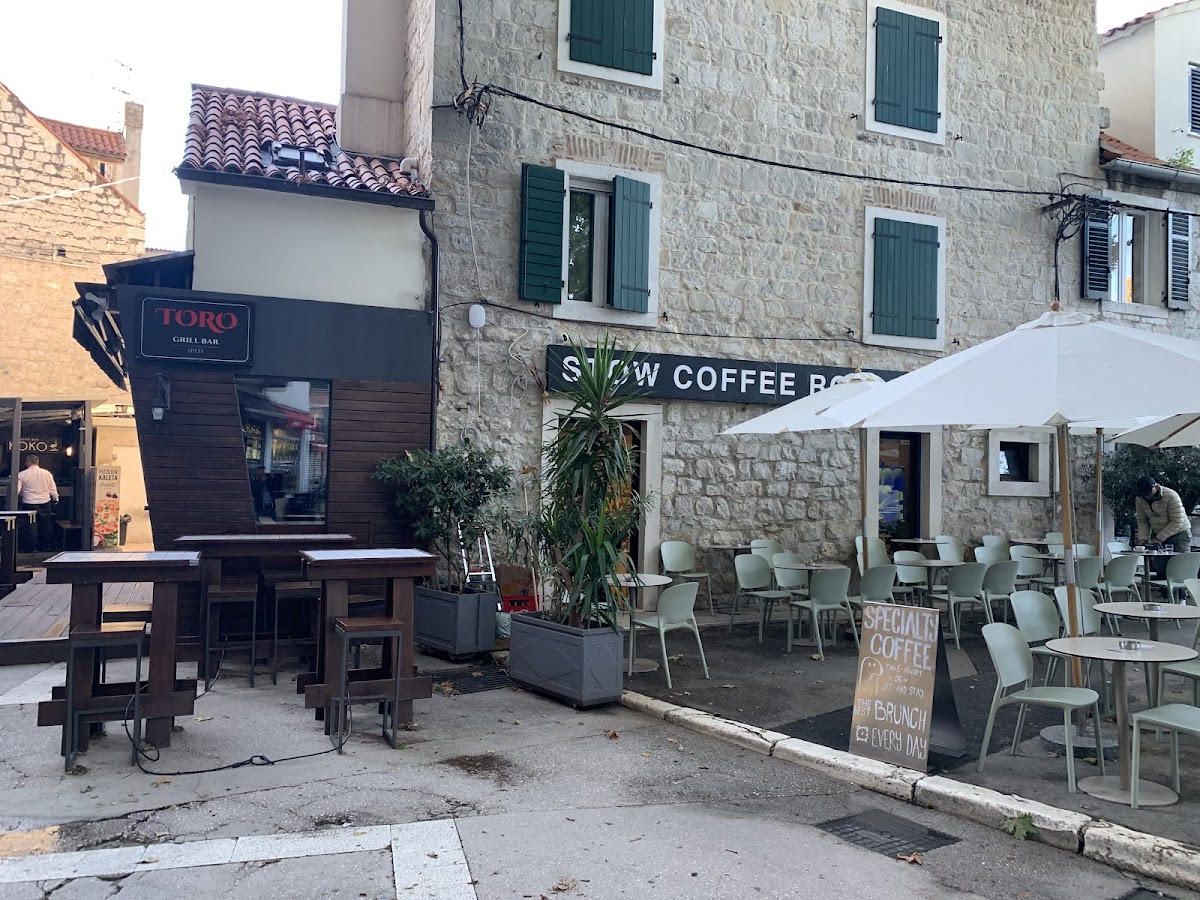
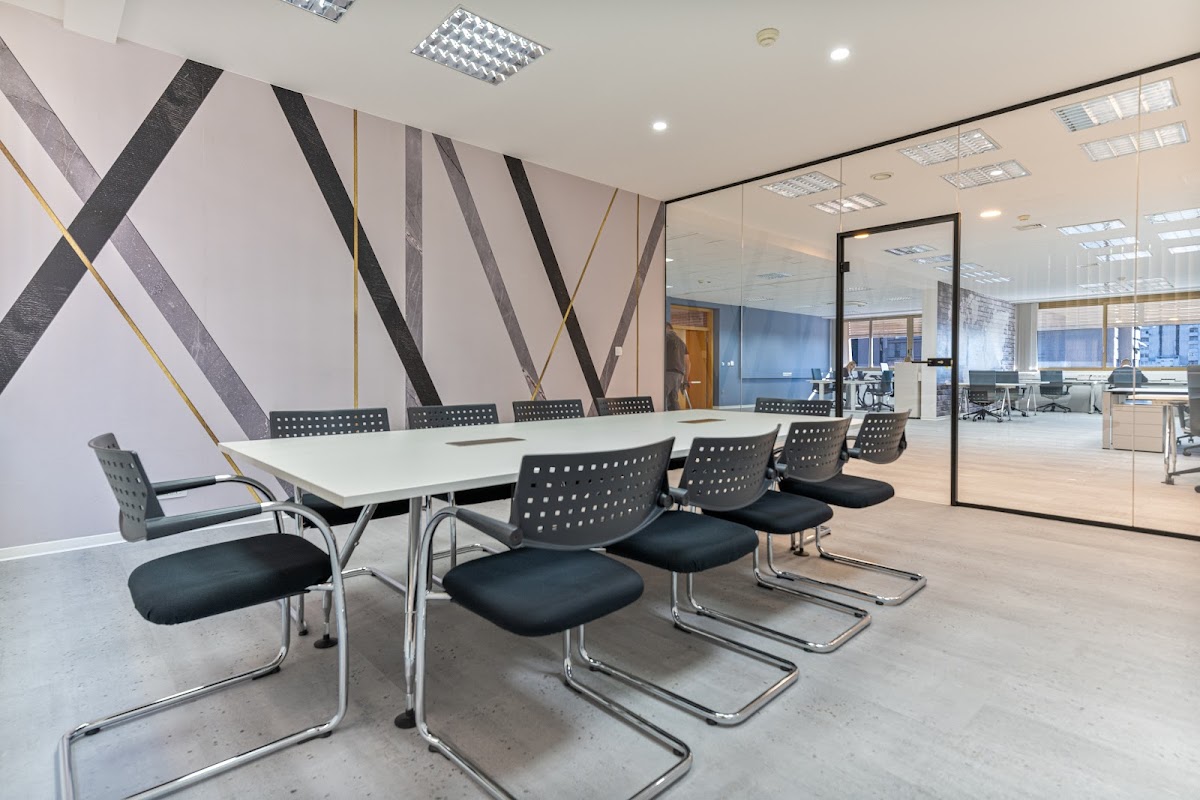
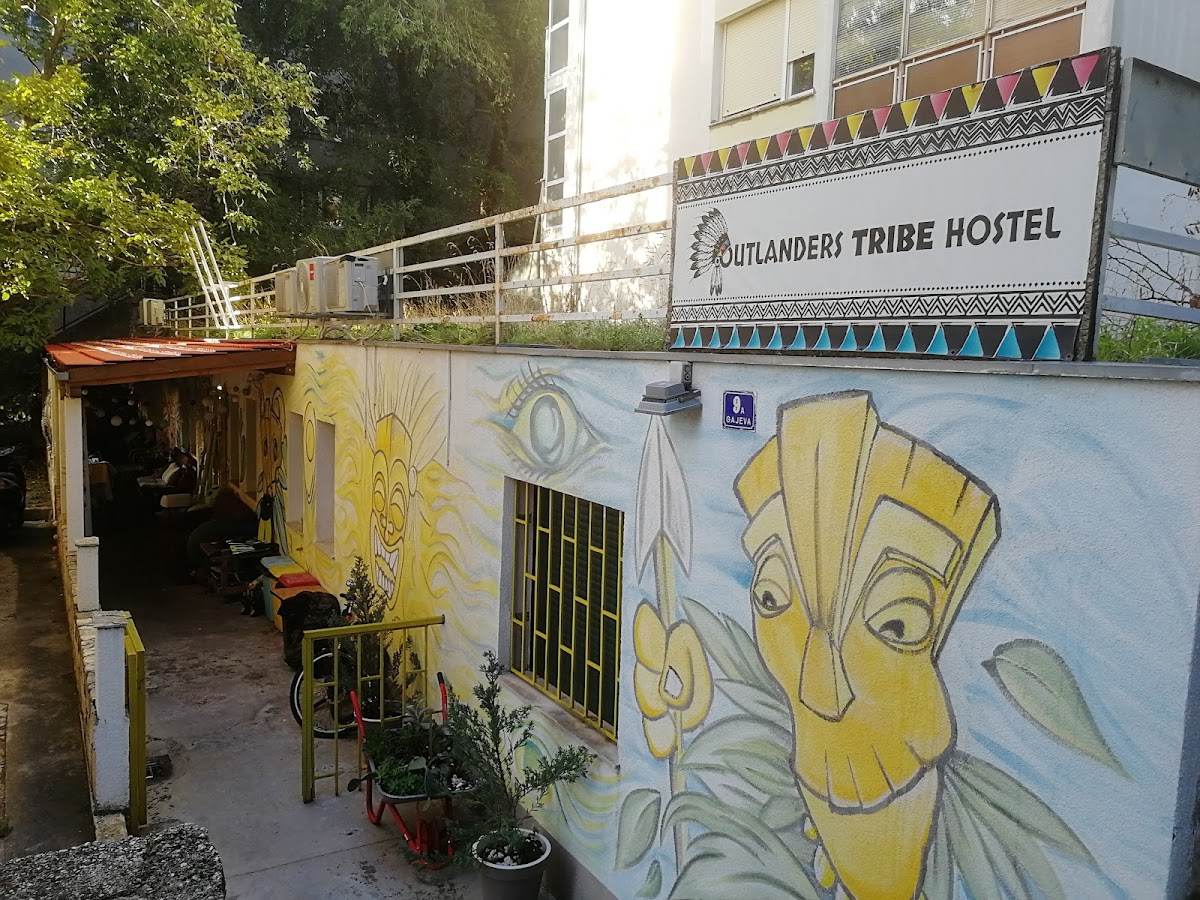
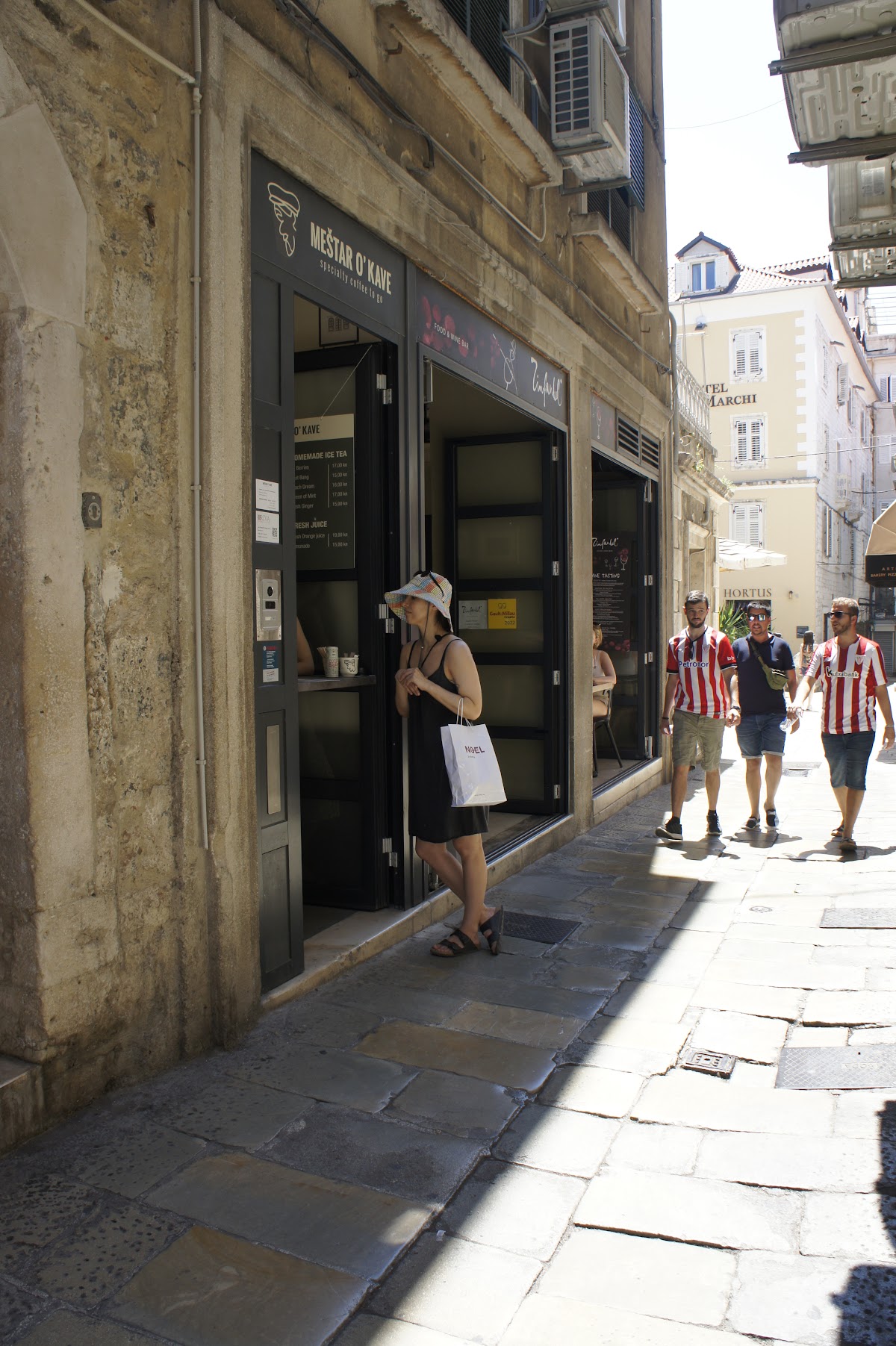
Things to Do in Split
This green lung offers trails, viewpoints, and beach coves perfect for midday breaks or sunrise runs before work.
Weekend ferry trips provide easy escapes to stunning islands with distinct personalities and remote work-friendly cafés.
Experience the surreal blend of replying to Slack messages surrounded by 1,700-year-old Roman walls and limestone streets.
This traditional ball game in shallow water is Split's social sport and a unique way to connect with locals.
Daily farmers market offering fresh produce, local cheeses, and olive oil—essential for budget-conscious nomads cooking at home.
Pros & Cons
Pros
- Excellent 120 Mbps internet speeds support video calls and cloud work reliably
- Mediterranean climate with 2,800 hours of sunshine annually
- Strong safety index of 72.50 makes solo and female nomads comfortable
- Ferry connections to 20+ islands enable endless weekend exploration
- Growing coworking scene with spaces like Kaptol Center and indie cafés
- Affordable $1,500/month budget covers comfortable living with occasional dining out
- Active outdoor lifestyle with beaches, hiking, and water sports at your doorstep
Cons
- Tourist crowds overwhelm the city center from June through August
- Limited direct flights outside European destinations restrict global connectivity
- Croatian language barrier exists outside tourist zones and younger demographics
- Bureaucracy can be slow for residence permits and administrative tasks
- Fewer international expat communities compared to Lisbon or Barcelona
- Winter months (November-March) see many restaurants and services close or reduce hours