
Visa for South Korea
Program: F-1-D Workation Visa (Digital Nomad Visa)
Duration: 1 year, renewable once for 1 additional year (maximum 2 years total). After 91 days in Korea, must register at local immigration office for Alien Registration Card (ARC) within 90 days of entry.
Income: Minimum KRW 88,102,000/year (~USD $65,000–$68,000/year). Equals 2× South Korea GNI per capita as announced by Bank of Korea. Income calculated after tax deductions. Must be earned entirely from employer or clients outside South Korea. Income must be met by primary applicant alone — combined spousal income not accepted.
Full South Korea DNV guideSouth Korea doesn't offer a dedicated digital nomad visa. Most nomads enter on the 90-day tourist visa waiver (available to citizens of 117 countries) and do visa runs to Japan or other nearby countries. The F-2-7 Freelance Visa requires sponsorship from a Korean company or substantial investment. Some nomads explore the H-1 Working Holiday Visa (available to certain nationalities aged 18-30) which allows 12-24 months of stay, or the D-10 Job Seeker Visa requiring proof of savings and university degree. Long-term options typically require teaching English (E-2 visa) or establishing a business (D-8 visa) with minimum investment around $50,000.
Cost of Living in Seoul
Cost data verified May 2026Best Neighborhoods for Nomads
Gangnam
Upscale business district with modern coworking spaces, international restaurants, and the famous K-pop culture scene.
Itaewon
International neighborhood with diverse expat community, global cuisine, and the most English-friendly environment in Seoul.
Hongdae
Youthful university area filled with indie cafes, street art, creative spaces, and affordable nightlife.
Seongsu-dong
Seoul's Brooklyn with converted warehouse cafes, artisan bakeries, and a growing creative community.
Jongno
Traditional heart of Seoul near palaces and Bukchon Hanok Village, balancing history with modern cafe culture.
Internet & Infrastructure
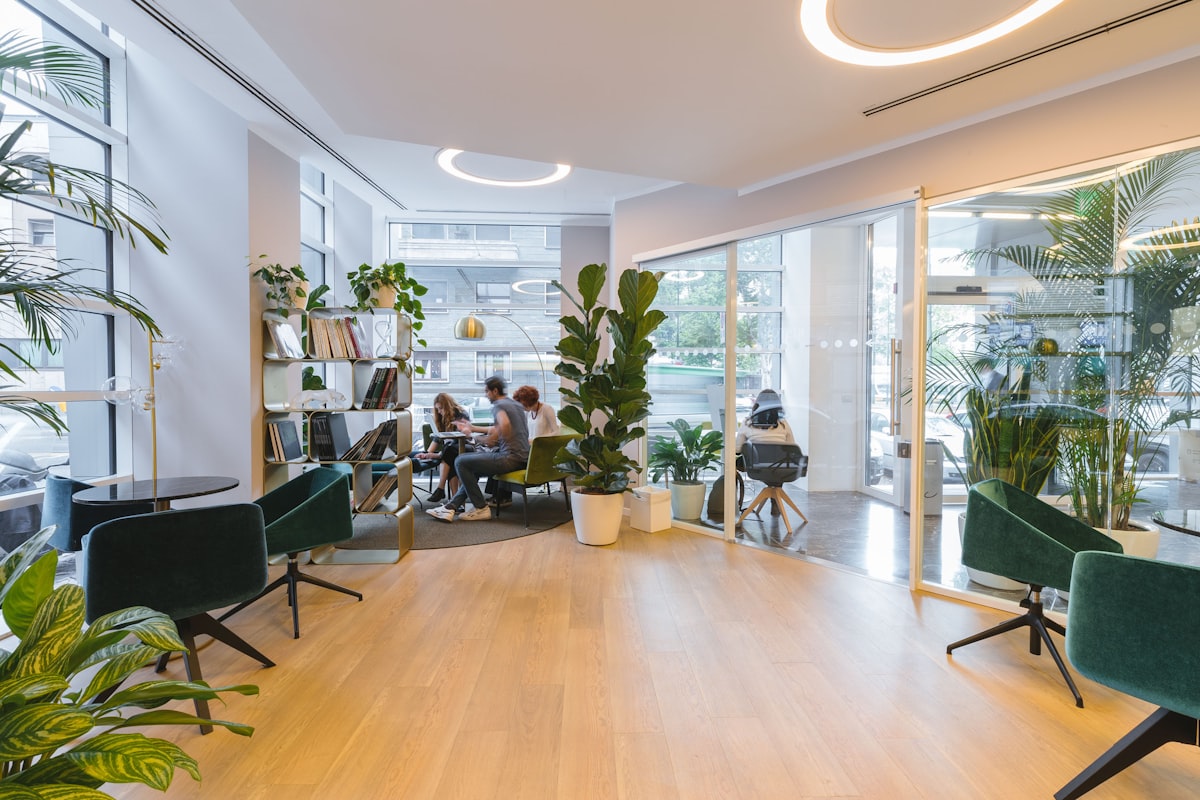
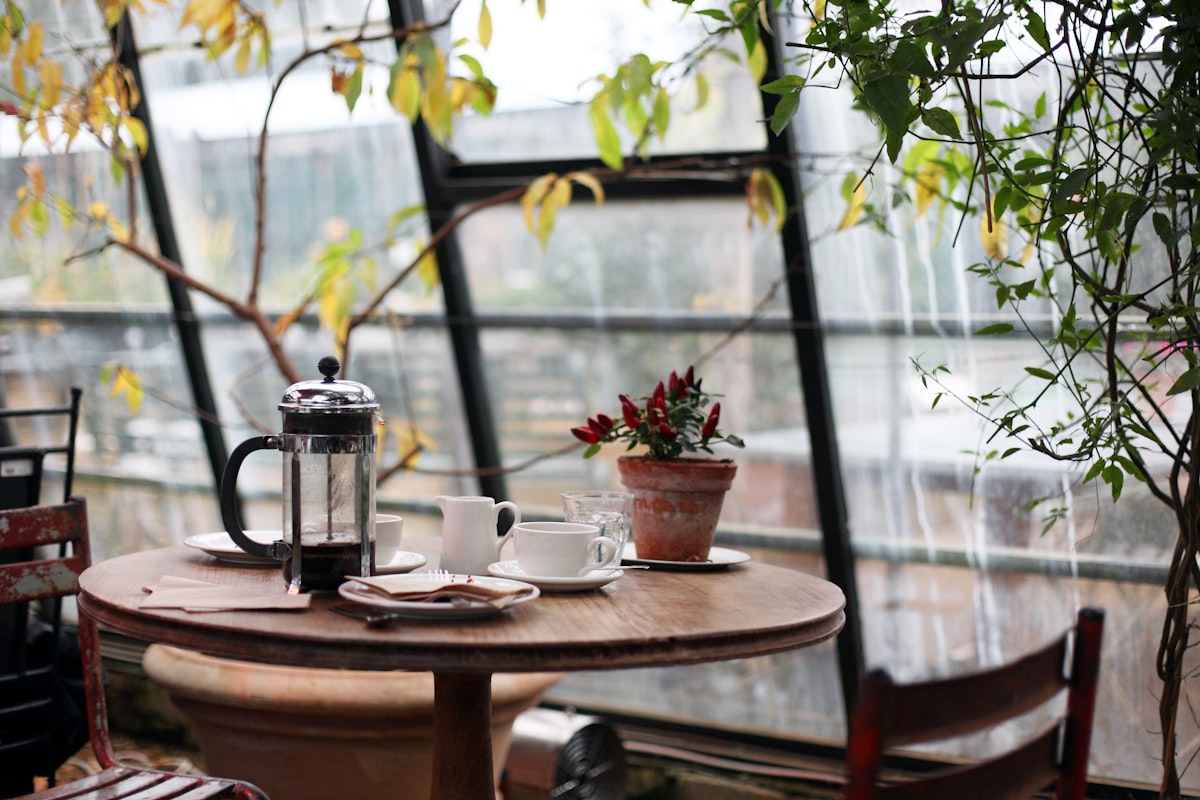
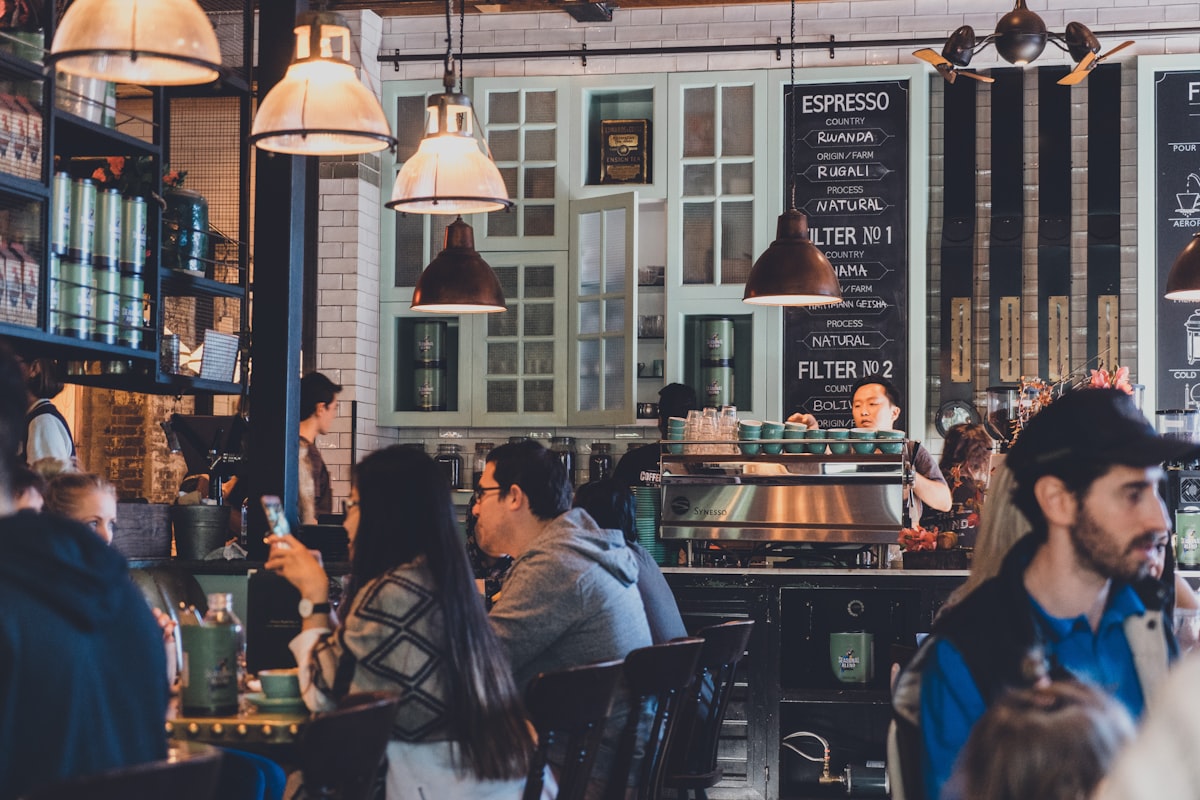
Coworking & cafés in Seoul
8 verified workspaces · cross-checked against Google Places & reviewed manually · no paid placements

Things to Do in Seoul
Seoul has thousands of themed cafes with excellent WiFi, unlimited time policies, and every aesthetic from minimalist to K-drama sets.
Escape the urban intensity with accessible mountain trails offering temple visits and panoramic city views, all within subway reach.
24-hour Korean bathhouses provide saunas, sleeping areas, and networking opportunities with locals for under $10.
Street food paradise where you can sample bindaetteok, mayak gimbap, and fresh seafood while mingling with locals.
Growing digital nomad and expat communities host regular language exchanges, networking events, and coworking gatherings.
Pros & Cons
Pros
- World-class internet infrastructure with 250+ Mbps speeds and WiFi everywhere including subways
- Exceptional public transportation system with subway covering the entire city for $1-2 per ride
- Very high safety index (76.4) allowing you to walk anywhere at any hour
- Affordable and diverse food scene with $5 meals and 24-hour delivery for everything
- Advanced digital infrastructure with mobile payments, apps, and services for daily life
- Efficient healthcare system with affordable quality care and many English-speaking doctors
- Strategic location for exploring East Asia with budget flights to Japan, China, and Southeast Asia
Cons
- Significant language barrier outside expat neighborhoods with limited English proficiency
- Harsh winter climate with temperatures dropping to -10°C and strong winds
- Intense local work culture and societal pressure that can feel suffocating for foreigners
- Limited long-term visa options without teaching English or registering a business
- Air pollution from China during certain seasons affects outdoor activities and health
- Expensive alcohol and imported goods due to high taxes and tariffs