
Living and working in San Jose
Nomads choose San Jose less for the city than for what surrounds it: Costa Rica's reputation for stability, biodiversity, and quality of life, plus a capital with real infrastructure—hospitals, international schools, direct flights, and a dependable grid—unlike many beach towns. Its Central Valley location puts volcanoes, cloud forests, and both coasts within a few hours' drive.
Cost of living runs around $1,700 a month for a single person, which is higher than Lima or Krabi but reflects Costa Rica's generally elevated prices relative to its Central American neighbors. A one-bedroom apartment in the center averages about $950 a month, with the more polished western suburbs commanding a premium over downtown.
Among the best neighborhoods, Escazú is the most polished and cosmopolitan, with modern shopping centers, international restaurants, and the highest concentration of expats, at around $900 a month. Santa Ana is a rapidly developing suburban area with gated communities and more space, at about $850. Rohrmoser is quieter and more residential, with tree-lined streets and good security, around $750. Barrio Escalante is the hip, walkable option known for gastropubs and galleries, at roughly $700. Sabana Norte, near La Sabana Park, offers a central, convenient, and reasonably priced option around $650.
Internet reliability is one of San Jose's advantages regionally, with average speeds around 75 Mbps, adequate for video calls and cloud-based work, though quality can vary somewhat by specific neighborhood and building.
For visas, Costa Rica's dedicated remote worker category (often called the Digital Nomad visa) requires proof of stable monthly income of at least $3,000 for an individual or $4,000 for those bringing dependents, sourced from outside Costa Rica, and grants an initial stay of up to one year, renewable for a second year. Holders are exempt from Costa Rican income tax on foreign earnings and can open a local bank account. A separate Rentista residency route requires proof of at least $2,500 in stable non-salary monthly income for longer-term residency, while the Pensionado route is for retirees with a guaranteed pension of at least $1,000 a month. Many nomads simply use the 90-day visa-free entry available to most nationalities and renew via border runs for shorter stays.
Safety requires genuine vigilance—petty theft, including bag-snatching and car break-ins, is common downtown, though Costa Rica overall is one of the more stable, safe countries in Central America. Staying in the western suburbs and using ride-hailing apps after dark are standard precautions.
Local tips: Costa Rican coffee is genuinely excellent and worth seeking out at local sodas (casual eateries) rather than chains. Public buses are cheap but can be confusing for newcomers, so ride-hailing apps are the easier option for getting around. Spanish helps substantially outside Escazú and Santa Ana, where English is more common. Embracing "pura vida"—a slower, simpler pace of life—goes a long way toward enjoying the city despite its gritty edges.
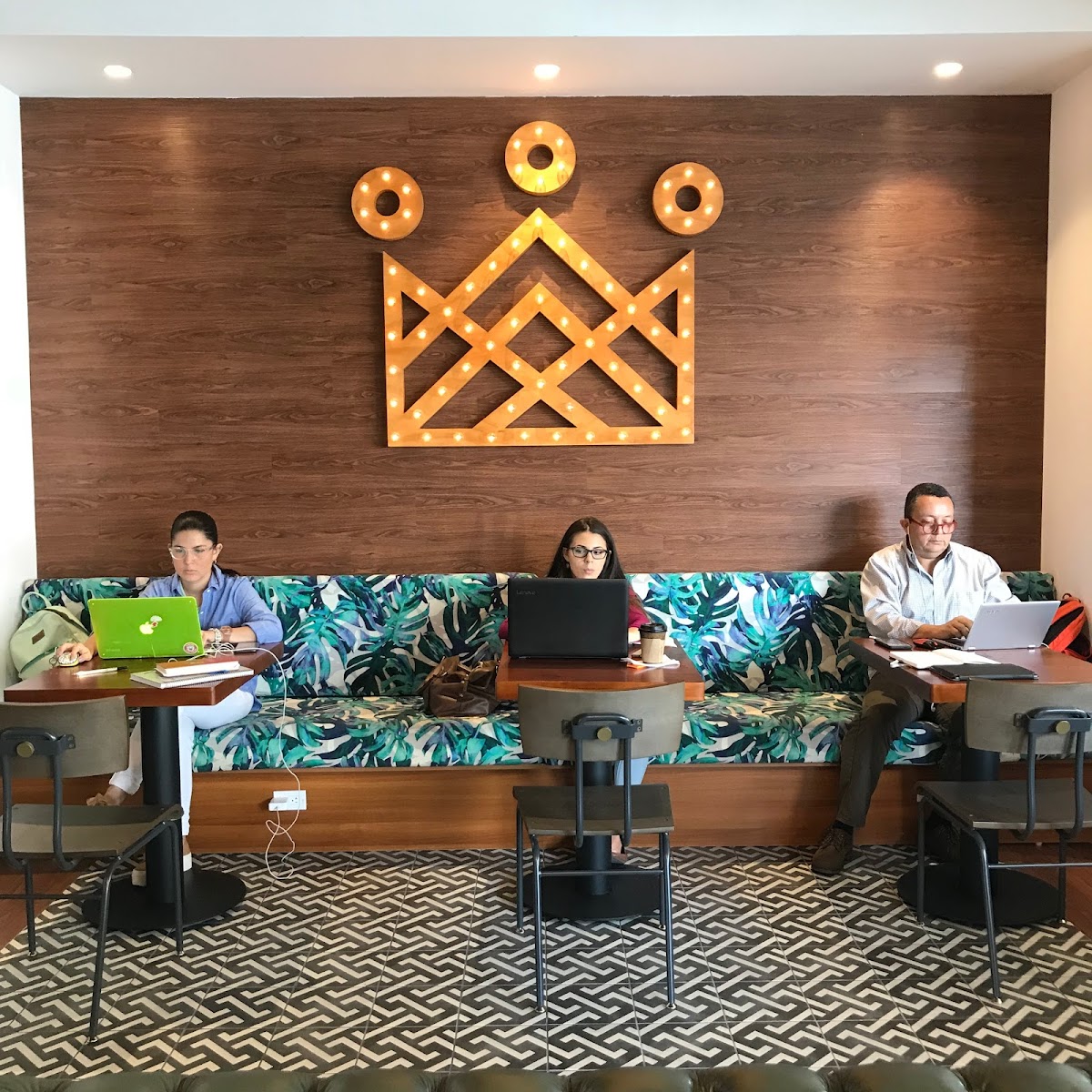
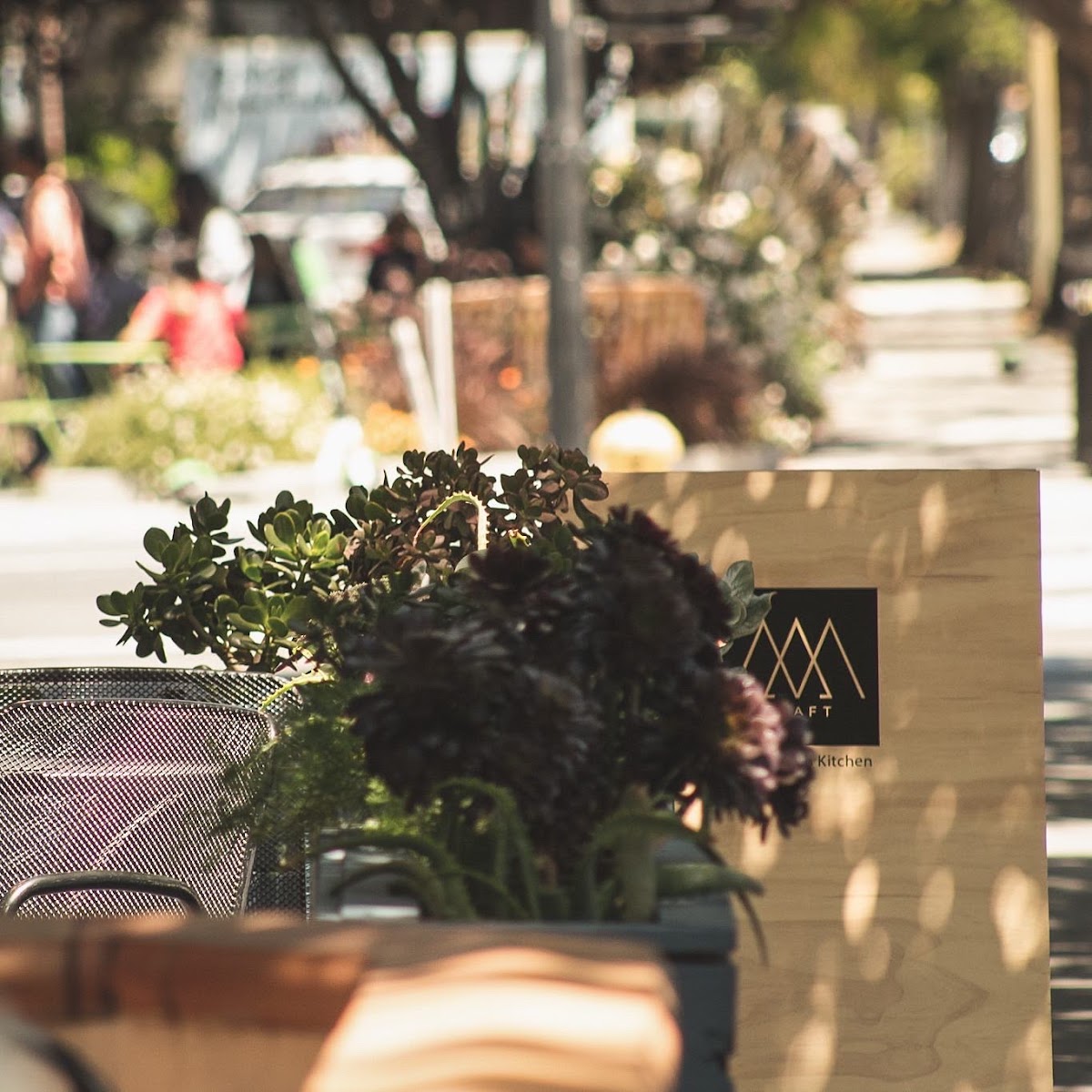
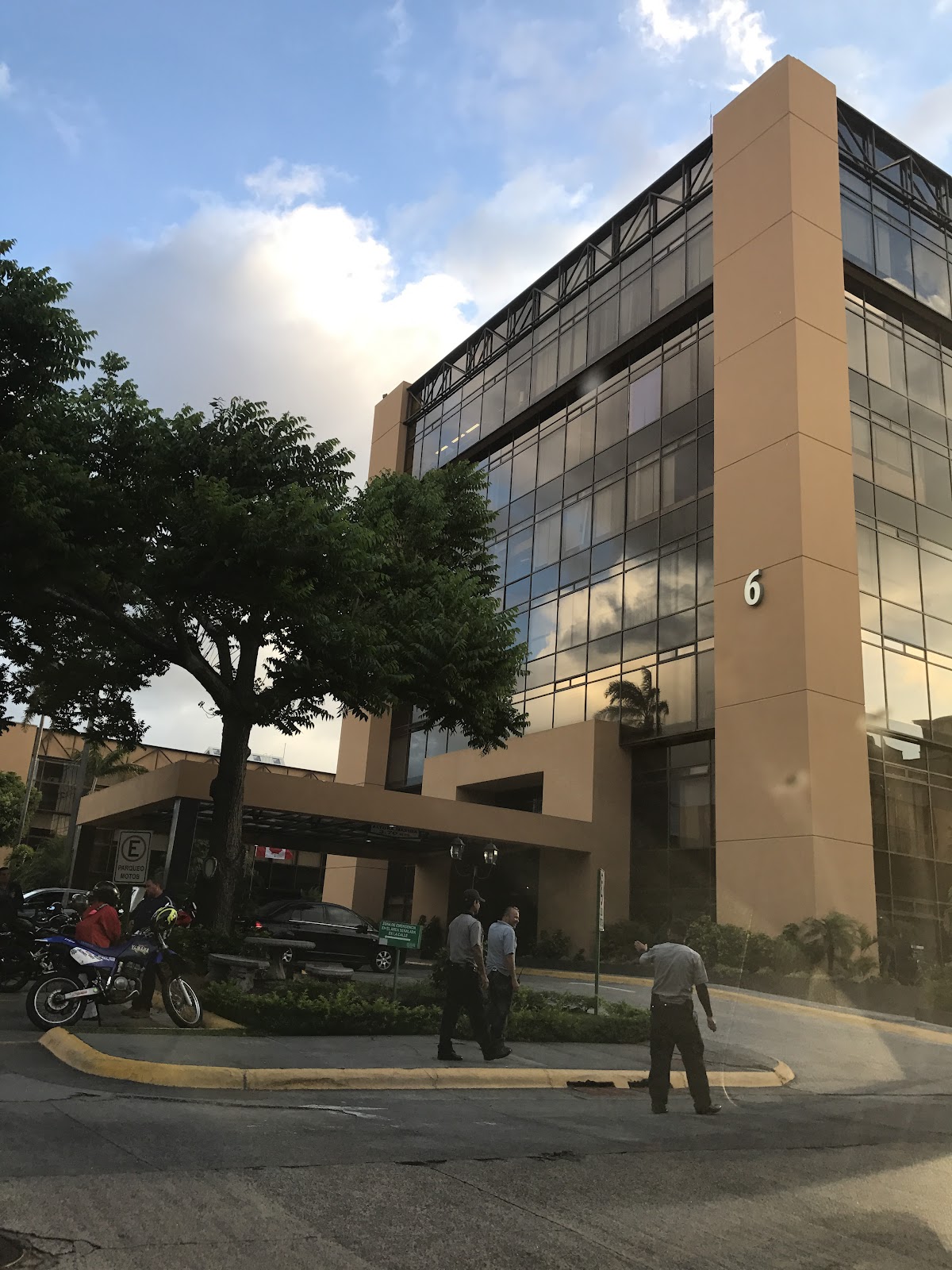
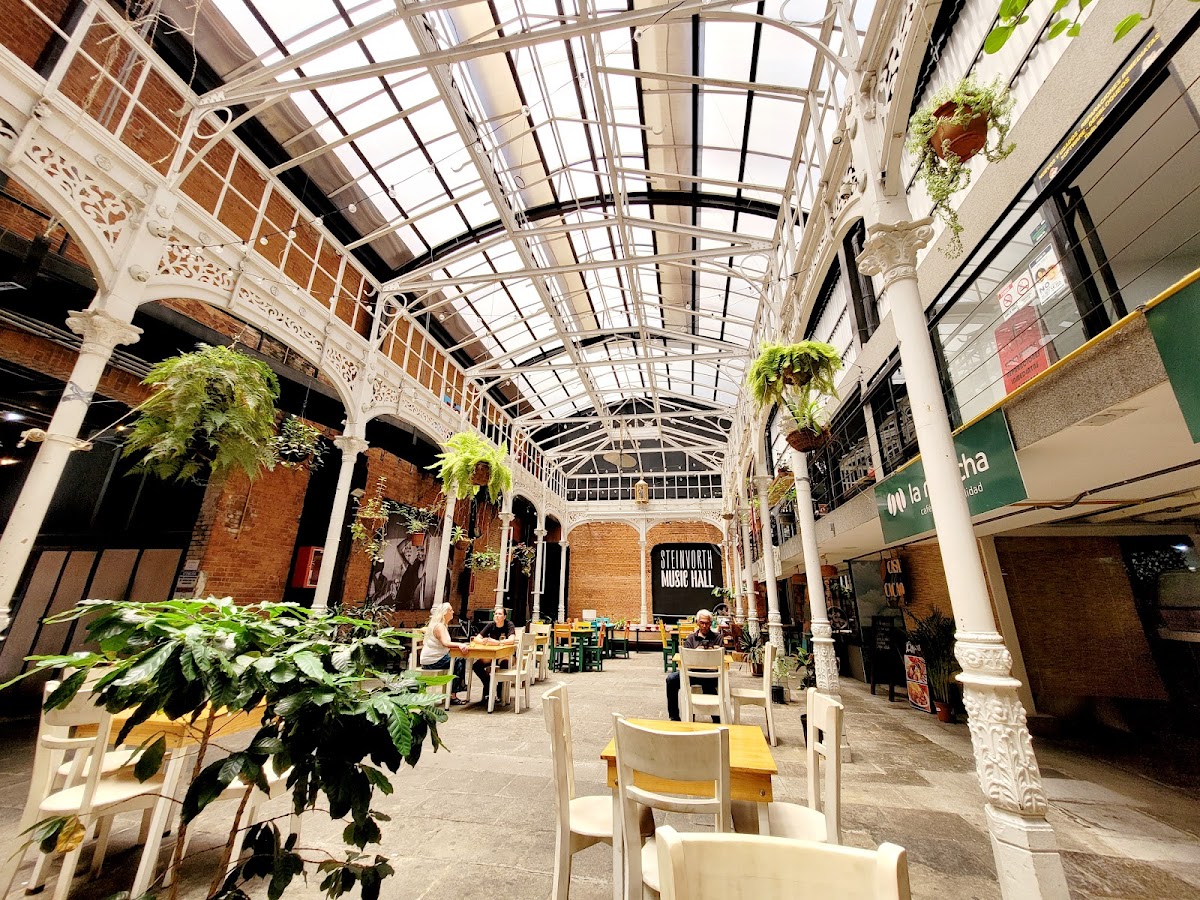
Planning a longer stay? Start with our Costa Rica digital nomad visa guide. Nomads often compare San Jose with Cartagena, Medellín and Tulum. Well-rated places to work include Modo Café, Workings Escazu, A.M. Craft and Qishr Coffee House.
Visa for Costa Rica
Program: Estancia para Trabajadores y Prestadores Remotos de Servicios (Digital Nomad Stay)
Duration: 1 year (12 months), renewable once for an additional year if applicant spent at least 180 days in Costa Rica during first year.
Income: Minimum USD $3,000/month (individual) or USD $4,000/month (with dependents). Must be demonstrated via 12 months of bank statements and/or a certified affidavit.
Full Costa Rica DNV guideCosta Rica offers a digital nomad visa for remote workers earning at least $3,000/month (or $4,000/month for families), valid for one year and renewable for another year. Processing takes approximately 15 business days. Alternatively, many nomads enter as tourists for 90 days visa-free (most nationalities), then do border runs or apply for temporary residency. Check official immigration sources at migracion.go.cr for current requirements.
Cost of Living in San Jose
Cost data verified 9 days agoBest Neighborhoods for Nomads
Escazú
Upscale suburban area west of downtown with modern shopping centers, international restaurants, and the highest concentration of expats.
Santa Ana
Rapidly developing area popular with expats offering a mix of gated communities, shopping, and more space than Escazú.
Rohrmoser
Quiet residential neighborhood closer to downtown with tree-lined streets, embassies, and good security.
Barrio Escalante
Trendy central neighborhood known for its gastropubs, craft beer scene, art galleries, and walkable streets.
Sabana Norte
Central location near La Sabana Park with good amenities, safer than downtown, and reasonable prices.
Internet & Infrastructure
Coworking & cafés in San Jose
18 verified workspaces · cross-checked against Google Places & reviewed manually · no paid placements




Things to Do in San Jose
The city's largest urban park offers jogging trails, outdoor gym equipment, and weekend markets perfect for breaking up work days.
Just 90 minutes away, this active volcano with its stunning crater lake makes for an easy morning trip before afternoon calls.
The Central Valley produces world-class coffee, and tours in nearby areas teach you about the bean-to-cup process.
Both Pacific beaches and Caribbean coast are reachable in 2-4 hours, ideal for extending long weekends.
The chaotic central market offers authentic casados, fresh produce, and a genuine taste of local life away from expat bubbles.
Pros & Cons
Pros
- Affordable cost of living compared to North America and Europe at around $1,700/month
- Spring-like climate year-round with temperatures between 15-26°C
- Strategic location with easy access to beaches, rainforests, and volcanoes for weekend trips
- Well-established expat community with coworking spaces and networking events
- Excellent coffee culture with world-class beans and cafes ideal for working
- No army since 1949, peaceful country with stable democracy
- Reliable internet at 75 Mbps in most modern neighborhoods
Cons
- Safety concerns with petty theft, pickpocketing, and occasional armed robberies requiring constant vigilance
- Heavy traffic congestion during rush hours with poor road conditions
- Downtown area feels rundown with utilitarian Soviet-style architecture
- Rainy season (May-November) brings daily afternoon downpours
- Banking and bureaucracy can be frustratingly slow and paper-based
- Limited public transportation options compared to other Latin American capitals
Frequently Asked Questions
Sources
- Numbeo – Crime and safety in San José
- Numbeo – Cost of living in San José
- Visit Costa Rica – Digital nomad requirements
- Visit Costa Rica – Digital nomads
- Residency Routes – Costa Rica Rentista visa
- Costa Rica Immigration – Residency guide
- Enomads – Costa Rica visa guide
Verified: 7 October 2026