
Visa for Ecuador
Program: Rentista Trabajador Nómada (Nomadic Worker Rentista Visa)
Duration: 24 months (2 years), renewable in 2-year increments. Can lead to permanent residency.
Income: Minimum 3× Ecuador's monthly minimum wage. In 2025: 3 × $470 = $1,410/month. For each dependent: additional $250/month or equivalent in savings.
Full Ecuador DNV guideEcuador offers a Digital Nomad Visa (VIRTE) requiring proof of minimum $1,275 monthly income from foreign sources, valid for up to 2 years with renewal possibility. Processing typically takes 4-8 weeks through Ecuadorian consulates abroad or Ministry of Foreign Affairs. Alternatively, most nomads enter on a 90-day tourist visa (extendable once for another 90 days), then do visa runs to Colombia or Peru. The investor visa requires $42,000+ investment but provides longer-term residency. Check official Ecuador Ministry of Foreign Affairs website for current requirements as policies update periodically.
Cost of Living in Quito
Cost data verified May 2026Best Neighborhoods for Nomads
La Floresta
Bohemian neighborhood packed with specialty coffee shops, craft breweries, and the city's best coworking spaces favored by local and international remote workers.
La Carolina
Modern business district with high-rise apartments, large park, coworking spaces, and the most reliable infrastructure including gyms and shopping centers.
González Suárez
Upscale residential area with panoramic city views, excellent restaurants, and quiet streets perfect for focused work with occasional team calls.
Mariscal
Tourist and nightlife hub with affordable short-term rentals, hostels with coworking, and easy access to language schools and social events.
Cumbayá
Suburban valley neighborhood 30 minutes from downtown offering expat community, international schools, modern amenities, and escape from altitude (slightly lower elevation).
Internet & Infrastructure
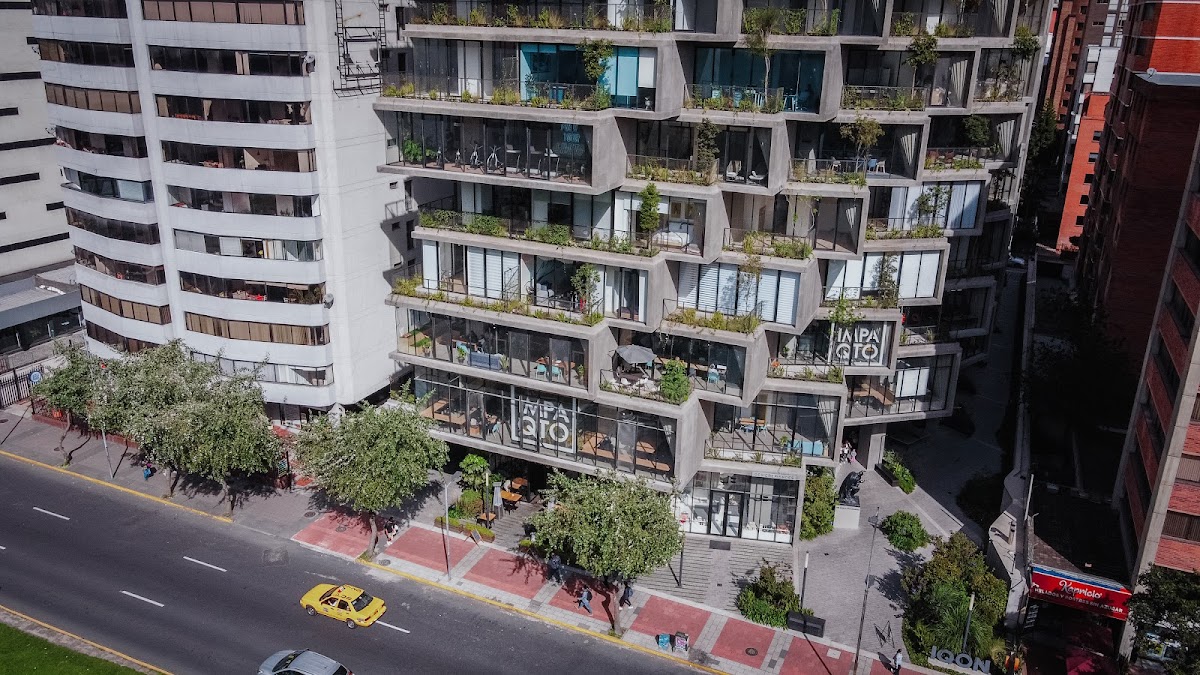
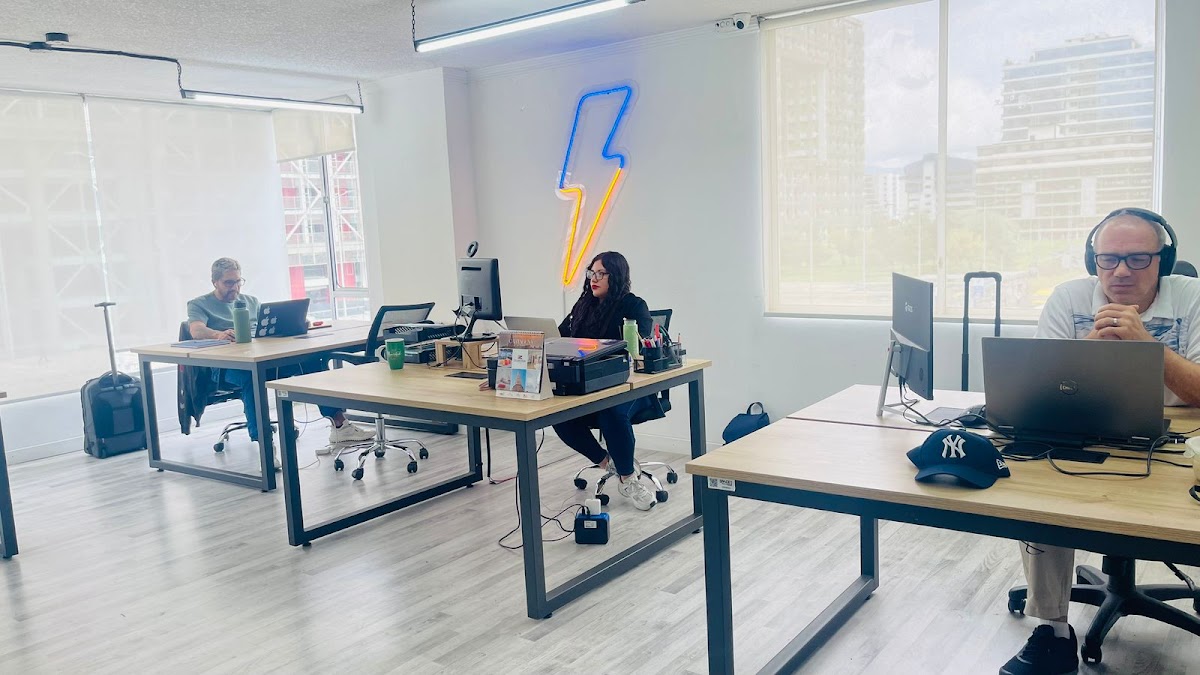
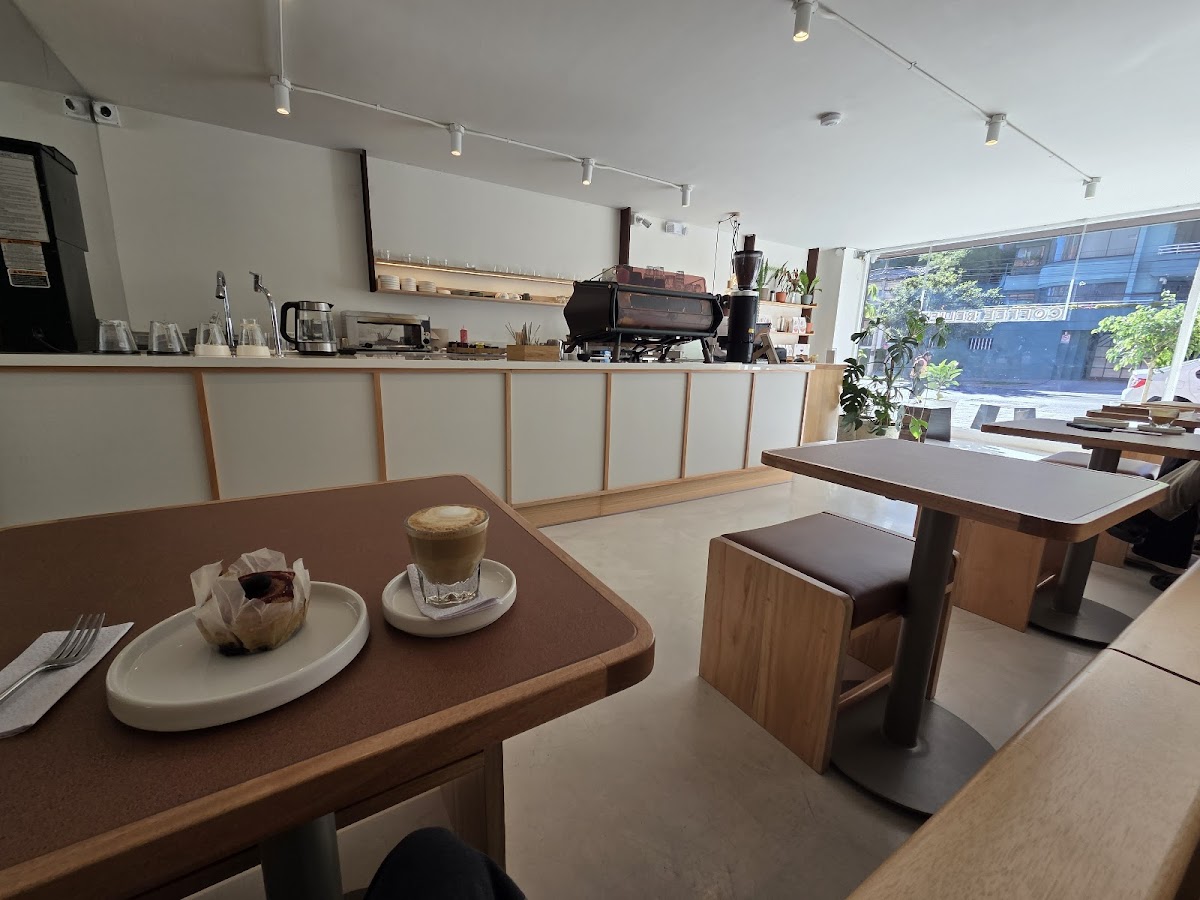
Coworking & cafés in Quito
8 verified workspaces · cross-checked against Google Places & reviewed manually · no paid placements

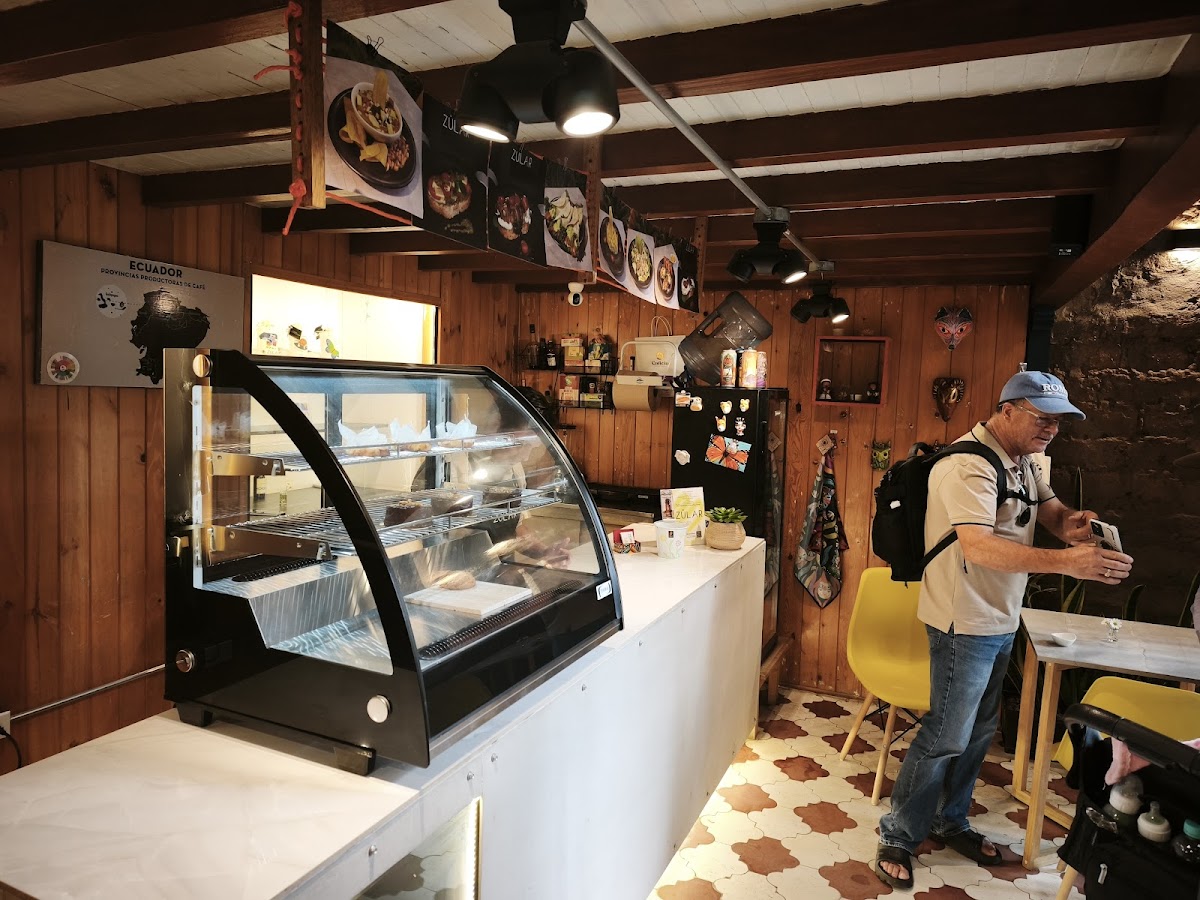
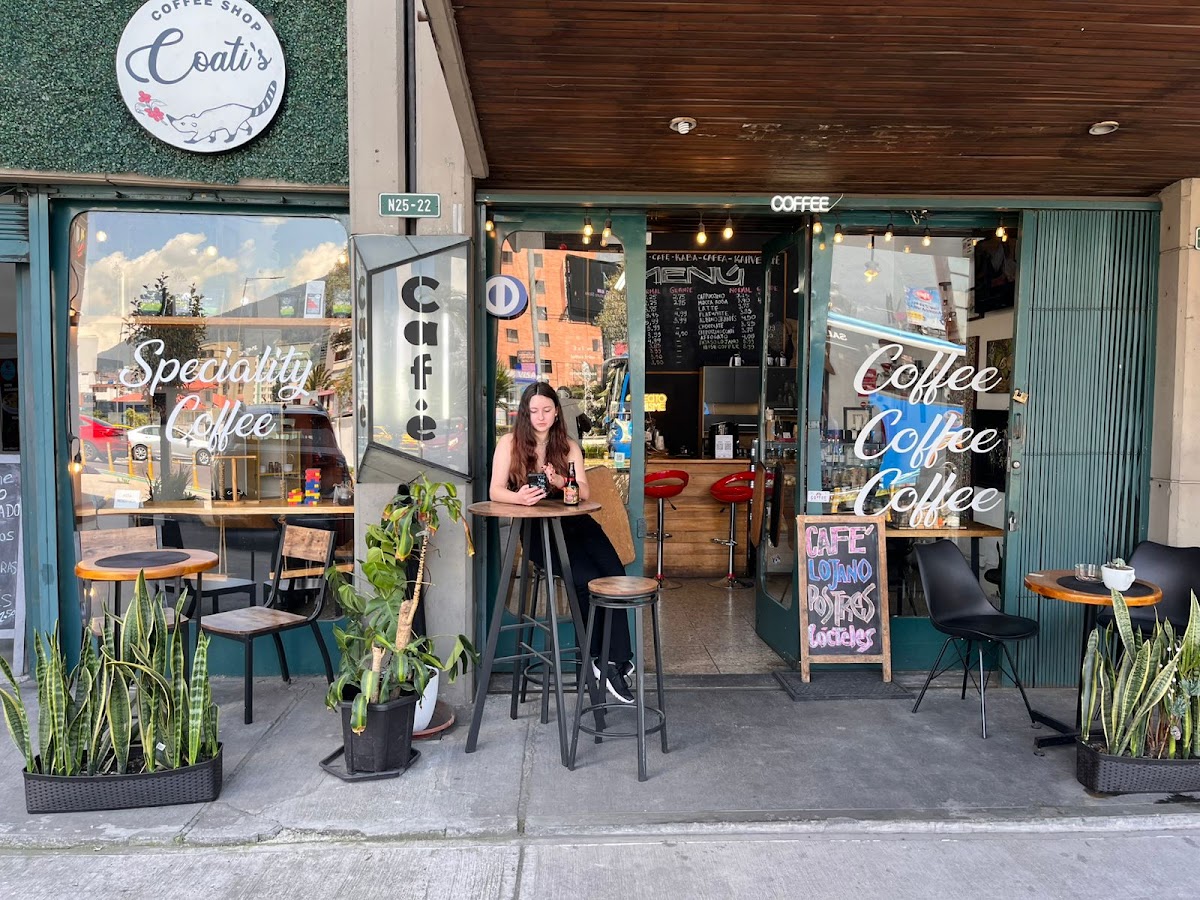
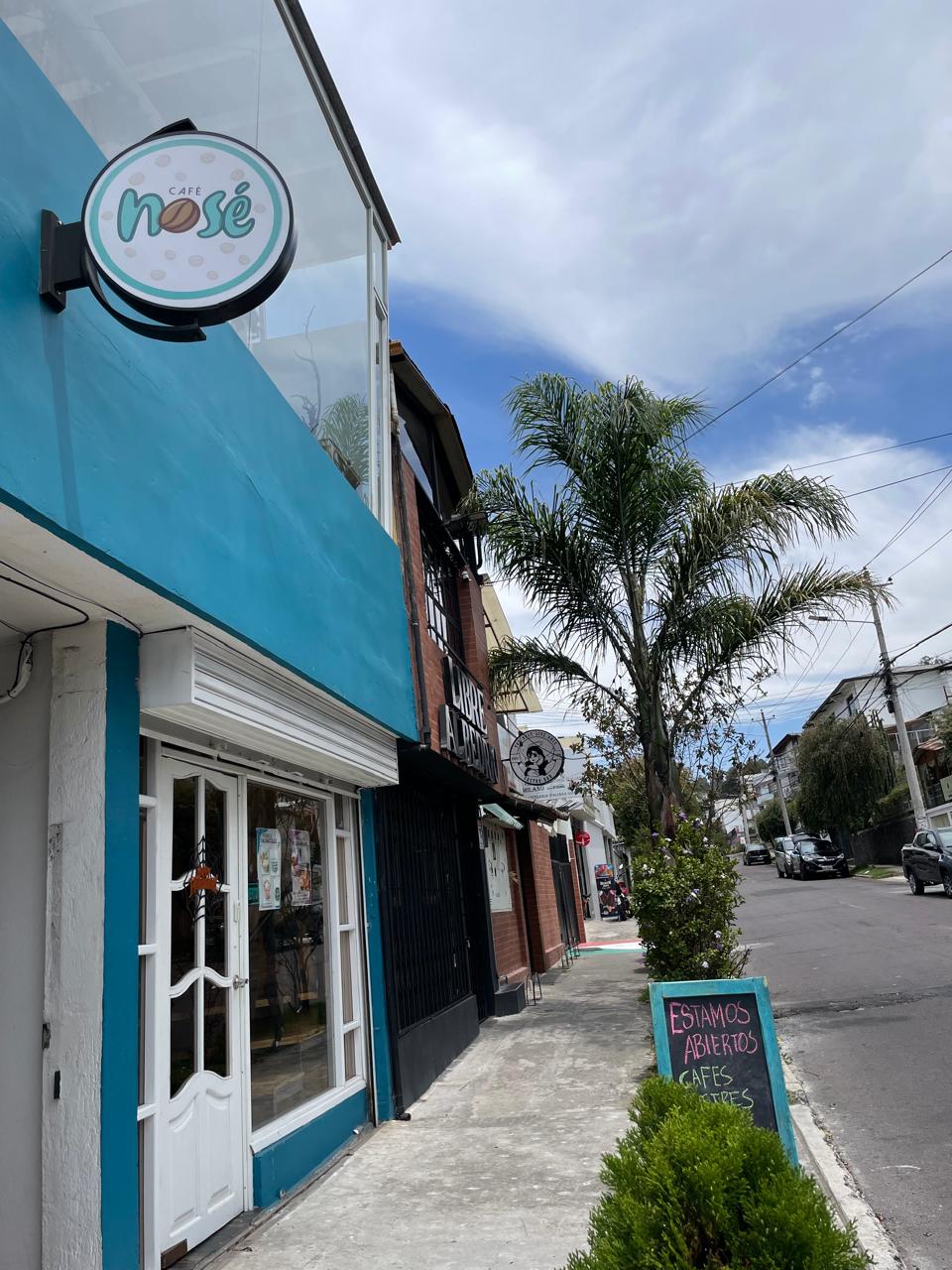
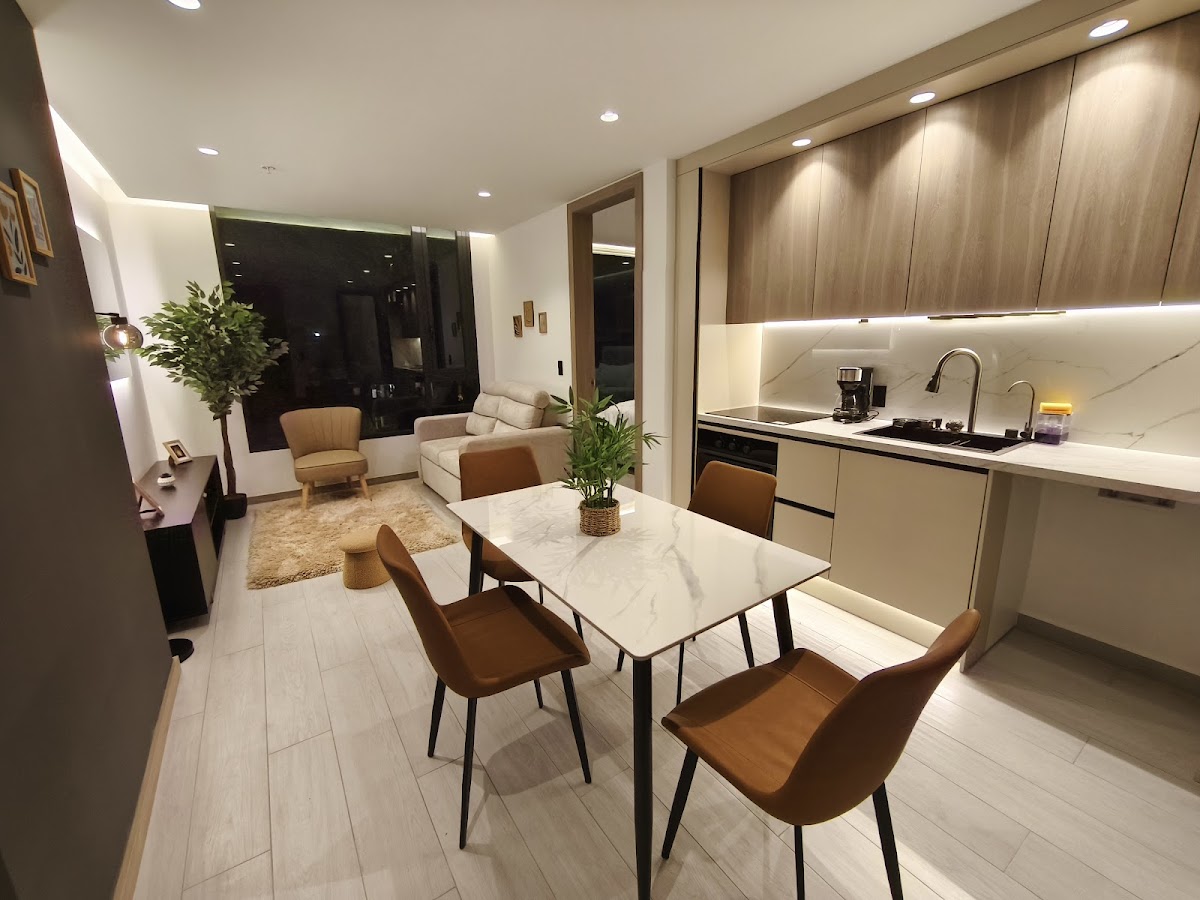
Things to Do in Quito
Ascend to 4,100 meters for breathtaking Andean views and hiking trails—perfect Sunday reset from screen time.
Wander Latin America's best-preserved colonial center with baroque churches, plazas, and rooftop cafes ideal for laptop work with a view.
Two hours north, this Saturday indigenous market offers textiles, handicrafts, and cultural immersion that breaks the work routine.
Active volcanoes within 1-2 hours provide epic weekend adventures and the outdoor balance nomads crave between work sprints.
Ninety minutes away, this biodiverse paradise offers zip-lining, birdwatching, and chocolate tours for immersive nature escapes.
Pros & Cons
Pros
- Extremely affordable cost of living at $1,000/month including rent in good neighborhoods
- US dollar currency eliminates exchange rate volatility and banking complications
- Year-round spring-like climate means no extreme seasons or expensive heating/cooling
- Gateway to incredible nature with cloud forests, volcanoes, and Amazon within 2-3 hours
- Growing coworking scene in La Floresta with fast enough internet for most remote work
- Rich cultural experiences and UNESCO heritage sites provide constant weekend exploration
- Time zone compatibility with US East Coast (EST) makes client calls convenient
Cons
- High altitude (2,850m) causes initial fatigue, headaches, and requires 3-5 day adjustment period
- Safety concerns require vigilance—petty theft and certain neighborhoods demand street smarts
- Limited direct international flights compared to other Latin American hubs increase travel costs
- Rainy season (October-May) brings daily afternoon showers that can disrupt outdoor plans
- Smaller expat/nomad community means fewer networking events than Medellín or Buenos Aires
- Public transportation is chaotic and ride-sharing apps sometimes unreliable outside main areas