
Visa for Portugal
Program: D8 Digital Nomad Visa (Visto para Atividade de Trabalho Remoto — D8)
Duration: Temporary Stay Visa: up to 12 months (multiple entry), renewable. Residency Visa: 4 months, then 2-year residence permit, renewable for 3 more years (5 years total). After 5 years: EU Long-Term Residency. Citizenship: currently 10 years (law change under review).
Income: Minimum 4× the Portuguese national minimum wage per month. In 2026: minimum €3,680/month gross (€920 minimum wage × 4). For dependents: +50% per adult (€1,840/month), +30% per child (€1,104/month). Income must come from remote work for employers or clients outside Portugal. Passive income (dividends, rent) accepted. Minimum savings: €11,040 in bank account.
Full Portugal DNV guidePortugal offers a dedicated Digital Nomad Visa (D8) requiring minimum monthly income of approximately €3,280 ($3,500) or four times the Portuguese minimum wage, with processing taking 2-3 months. The Temporary Stay Visa (D7) for passive income earners requires similar income documentation. Many nomads enter on the 90-day Schengen tourist visa initially. Check official SEF (Serviço de Estrangeiros e Fronteiras) or VFS Global sources for current requirements, as income thresholds adjust annually.
Cost of Living in Porto
Cost data verified May 2026Best Neighborhoods for Nomads
Cedofeita
Trendy arts district with independent boutiques, coworking spaces, and a thriving café culture popular with young professionals.
Ribeira
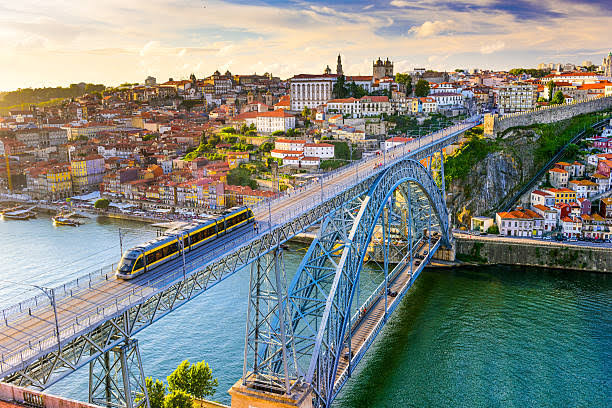
Iconic riverside area with colorful buildings and tourist energy, though noisy and more expensive for long-term stays.
Bonfim
Up-and-coming neighborhood east of center with authentic local life, affordable rents, and excellent transportation links.
Foz do Douro
Upscale beachfront district where the Douro River meets the Atlantic, perfect for those prioritizing ocean access and quieter surroundings.
Massarelos
Residential area near museums and the river with good mix of local amenities, fewer tourists, and reasonable prices.
Internet & Infrastructure
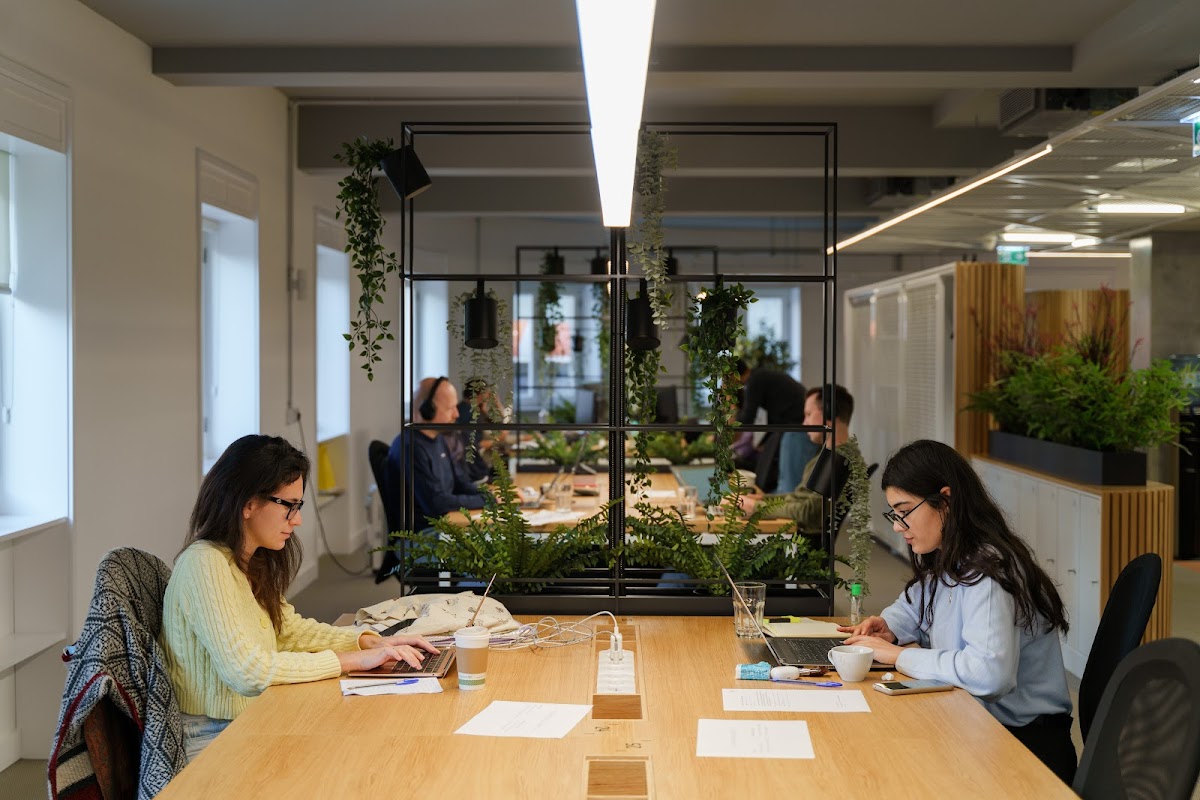
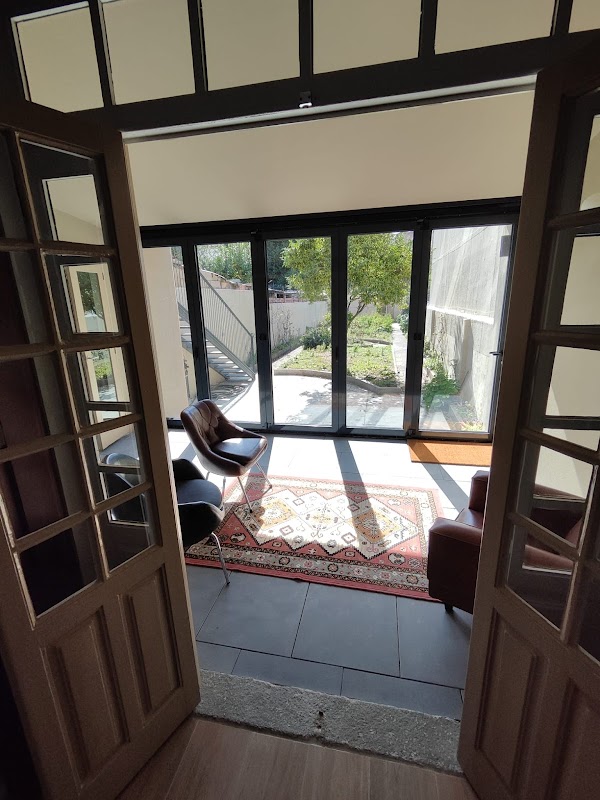
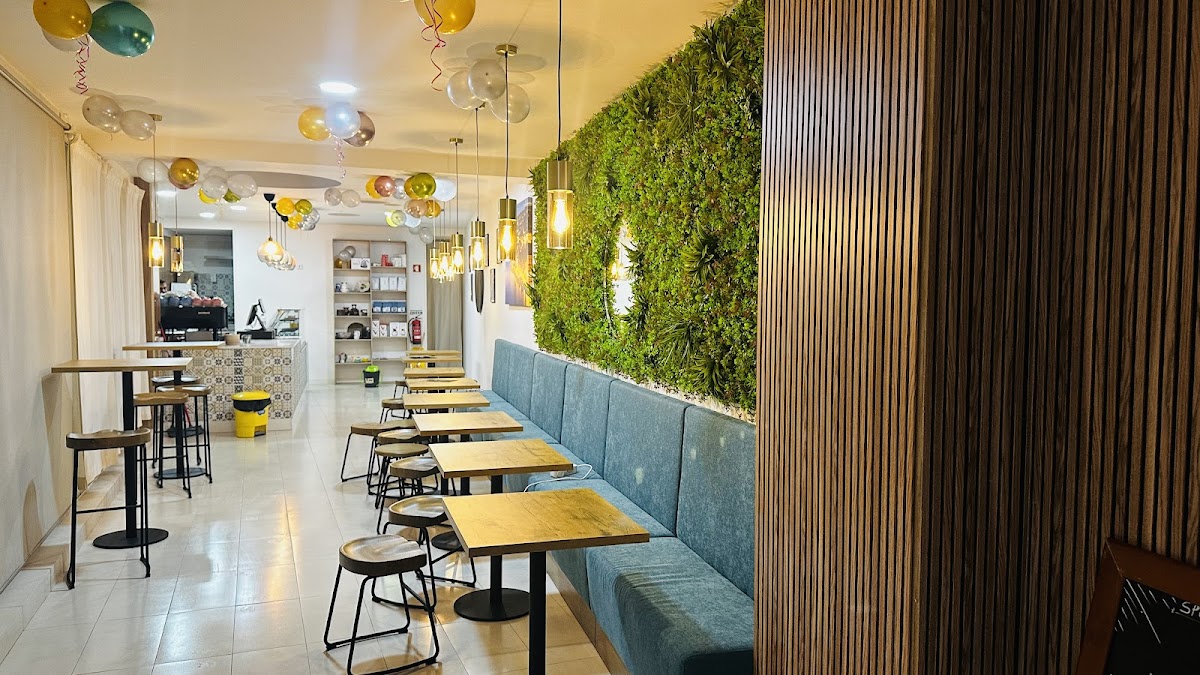
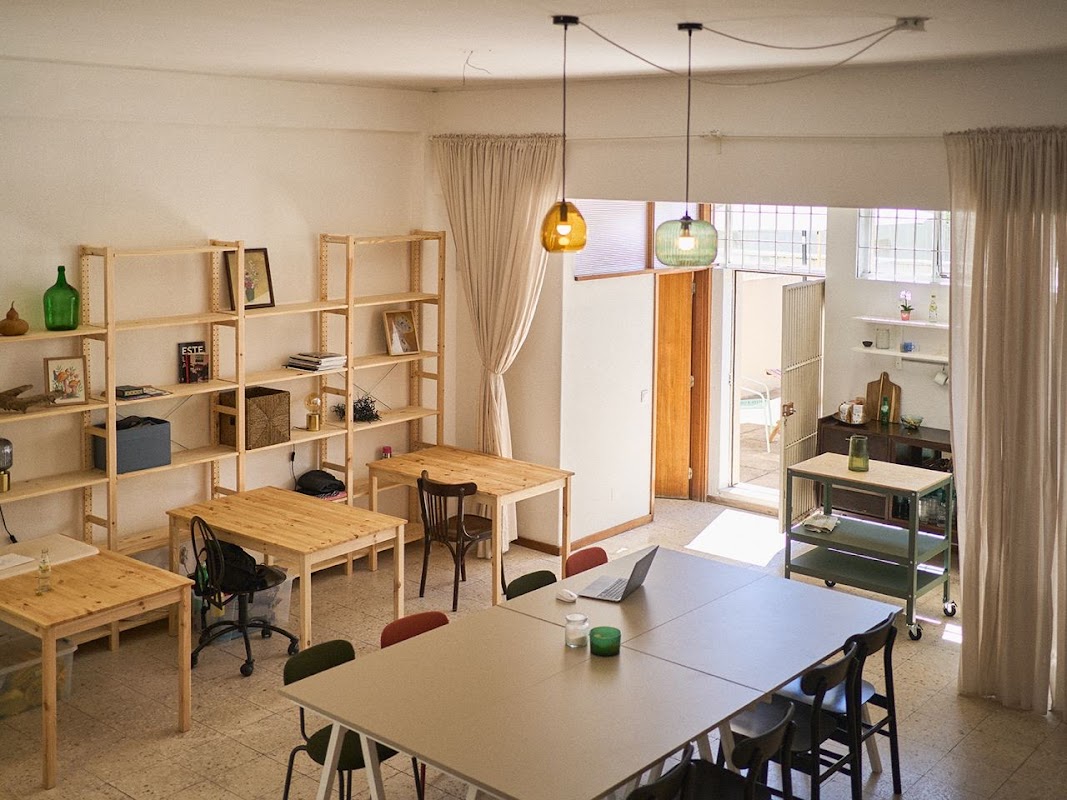
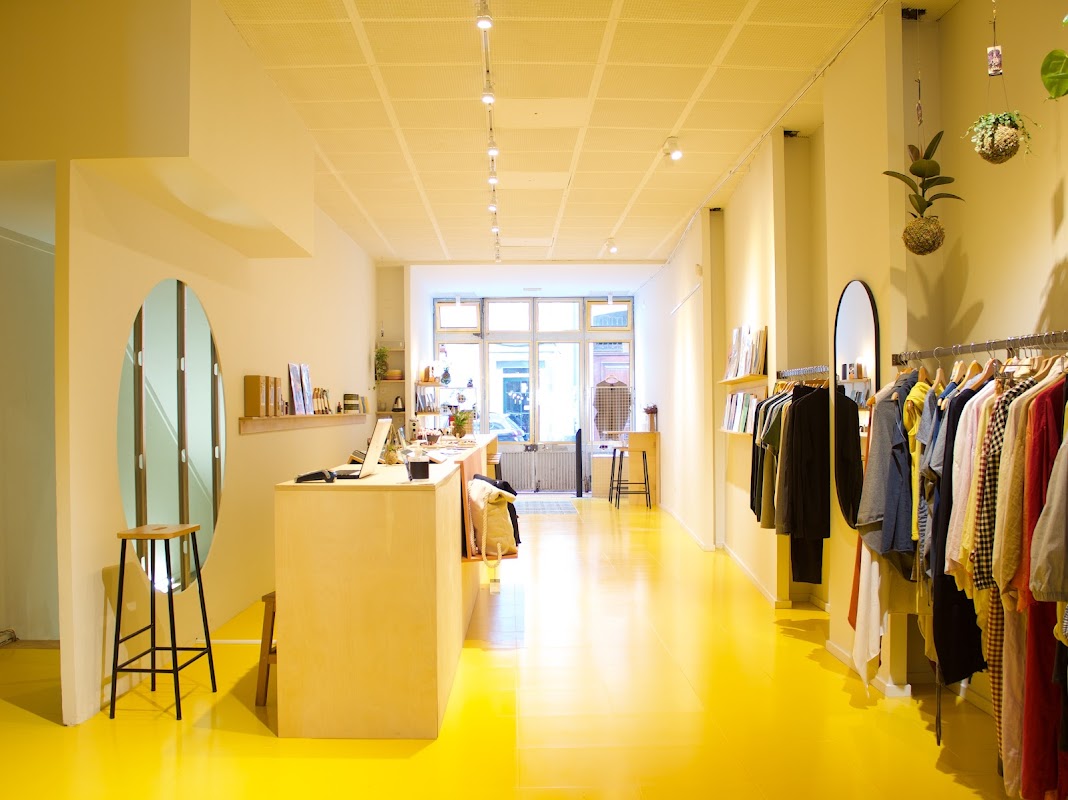
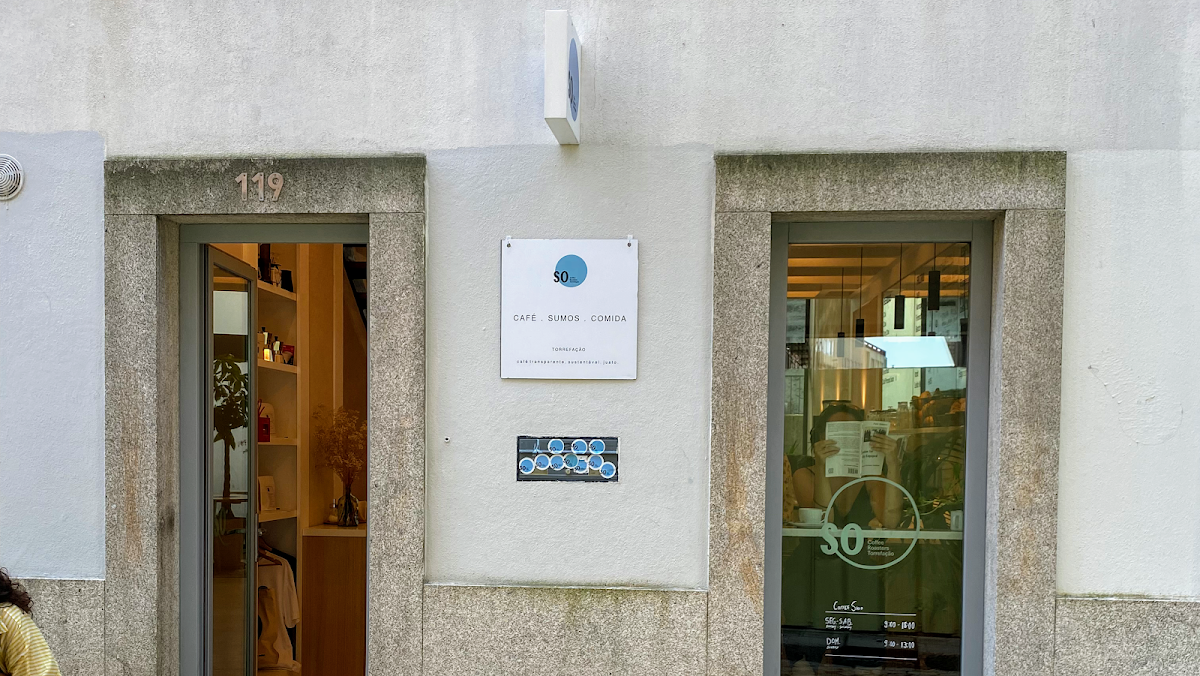
Coworking & cafés in Porto
8 verified workspaces · cross-checked against Google Places & reviewed manually · no paid placements
Things to Do in Porto
Work inspiration from one of the world's most beautiful bookstores, though arrive early to avoid crowds.
Perfect afternoon break to tour historic cellars across the river in Vila Nova de Gaia and understand Porto's signature export.
Weekend escape to terraced vineyards and river cruises just 90 minutes away, ideal for recharging between work sprints.
Newly renovated traditional market for fresh produce, local interaction, and affordable lunch options between coworking sessions.
Scenic oceanfront path perfect for walking meetings or exercise, ending at Porto's best fresh fish restaurants.
Pros & Cons
Pros
- Excellent cost-to-quality ratio compared to other Western European cities
- Fast and reliable 135 Mbps internet with good coworking infrastructure
- Growing international nomad community with regular meetups and events
- Outstanding food scene from budget-friendly to Michelin-starred restaurants
- Compact and walkable city center with efficient public transportation
- Rich cultural scene with museums, galleries, and live music venues
- Easy access to beaches, mountains, and Douro Valley for weekend adventures
Cons
- Rainy and gray weather from November through March can affect mood
- Portuguese bureaucracy is notoriously slow for banking, taxes, and registration
- Steep hills and cobblestone streets make walking challenging and aren't wheelchair-accessible
- Limited English outside tourist areas requires basic Portuguese for daily life
- Rising popularity has increased rents in desirable central neighborhoods
- Nightlife and restaurant options close earlier than Mediterranean cities