
Visa for Japan
Program: Designated Activities Visa — Digital Nomad (デジタルノマドビザ)
Duration: 6 months (single entry visa valid for 3 months from issue; must enter before entry validity expires; once in Japan, may stay 6 months). Non-renewable — must leave Japan and wait minimum 6 months before reapplying.
Income: Minimum JPY 10,000,000/year (~USD $65,000–$68,000/year at 2025 exchange rates). One of the highest income thresholds globally for a digital nomad visa. Health insurance coverage: minimum JPY 10,000,000 for medical treatment.
Full Japan DNV guideJapan does not currently offer a digital nomad visa. Most nomads enter on 90-day tourist visas (visa-exempt for many nationalities), though working remotely on this visa exists in a legal gray area. Some obtain student visas through language schools or work visas sponsored by Japanese companies. The new 'Specified Skilled Worker' visa requires Japanese language proficiency and doesn't suit typical remote workers. Processing times for work visas typically take 1-3 months. Check official immigration sources at the Ministry of Foreign Affairs or Immigration Services Agency for current regulations.
Cost of Living in Osaka
Cost data verified May 2026Best Neighborhoods for Nomads
Namba
The bustling entertainment heart with Dotonbori's neon lights, endless restaurants, and vibrant nightlife.
Umeda
Modern business district with sky-high towers, department stores, and excellent transport connections.
Tennoji
Up-and-coming area mixing traditional temples, Tennoji Park, and affordable local eateries.
Kitahama
Riverside neighborhood with historic architecture, specialty coffee shops, and a quieter professional atmosphere.
Shinsekai
Retro district with working-class roots, cheap eats, and the iconic Tsutenkaku Tower.
Internet & Infrastructure
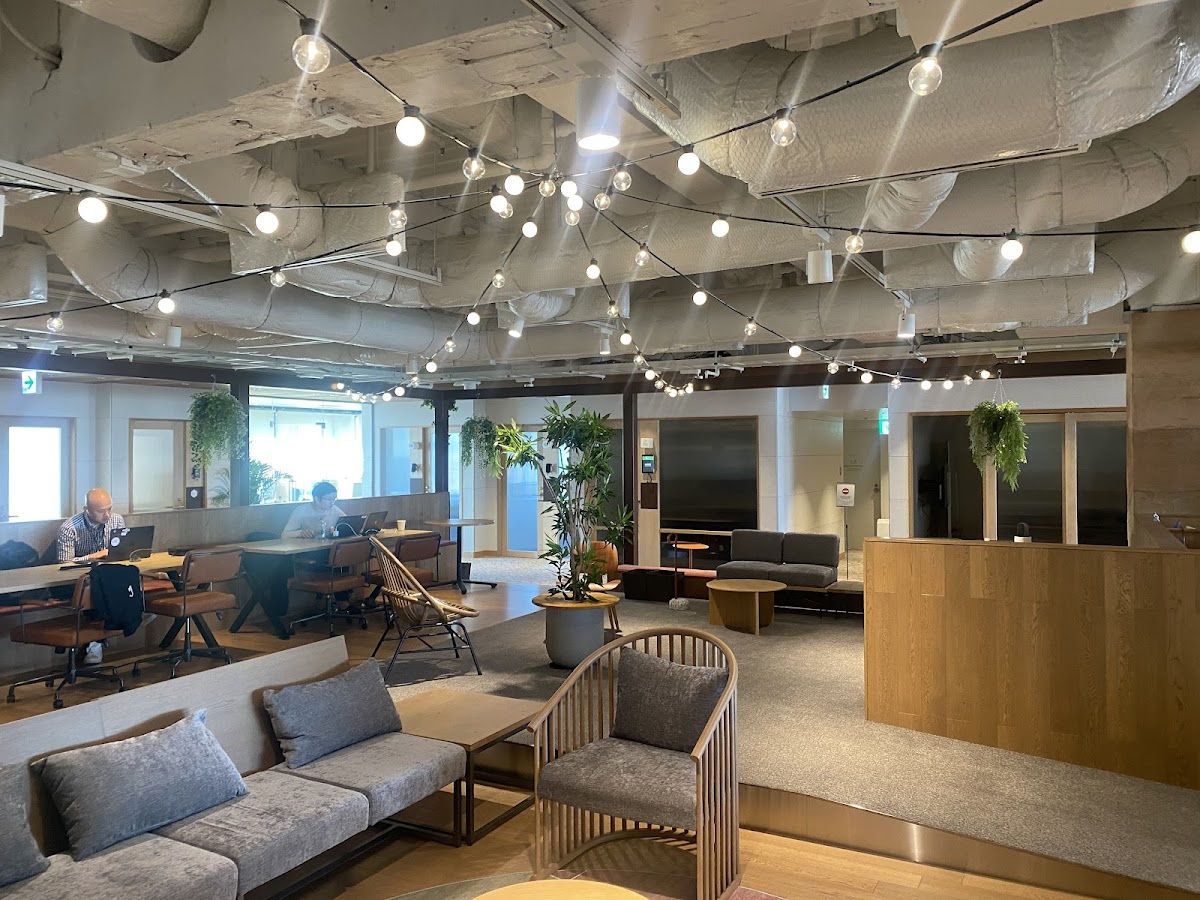
Coworking & cafés in Osaka
8 verified workspaces · cross-checked against Google Places & reviewed manually · no paid placements



Things to Do in Osaka
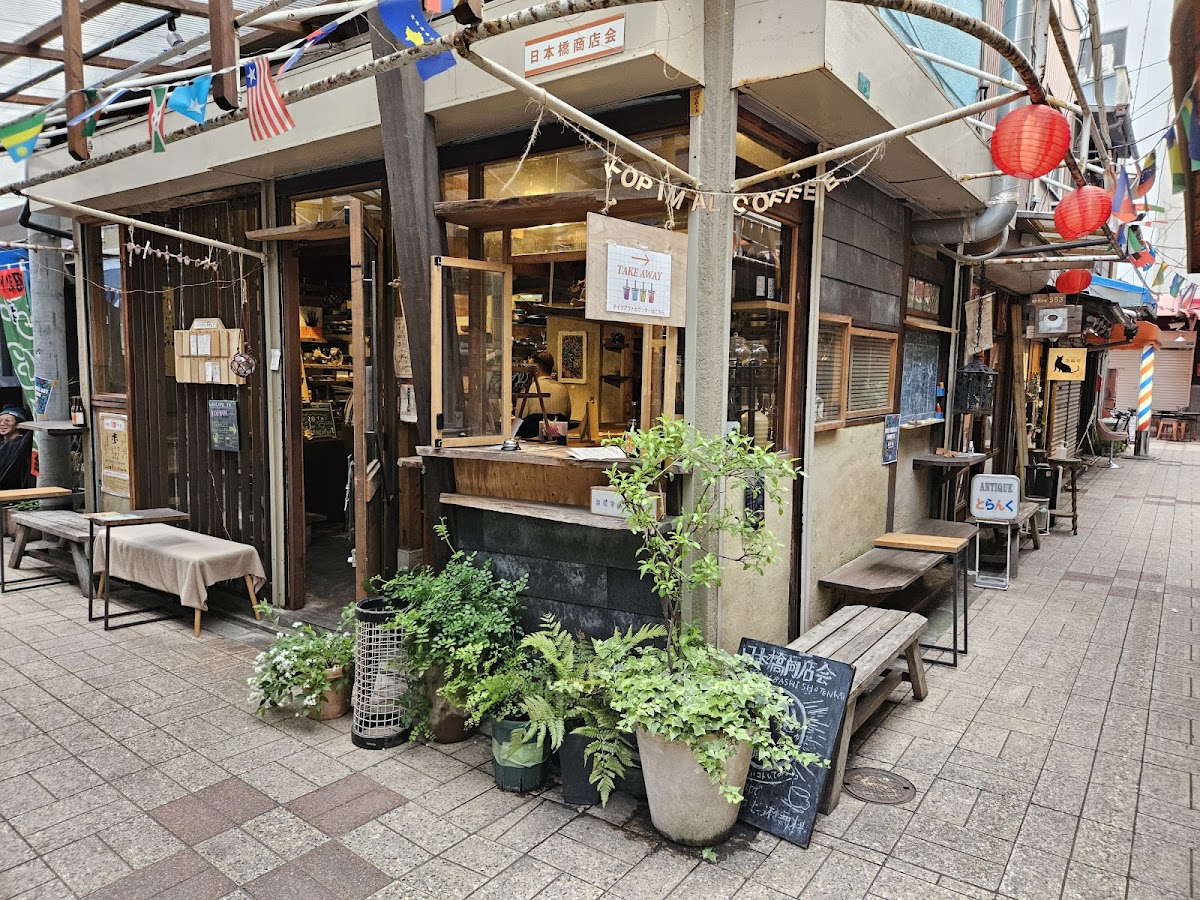
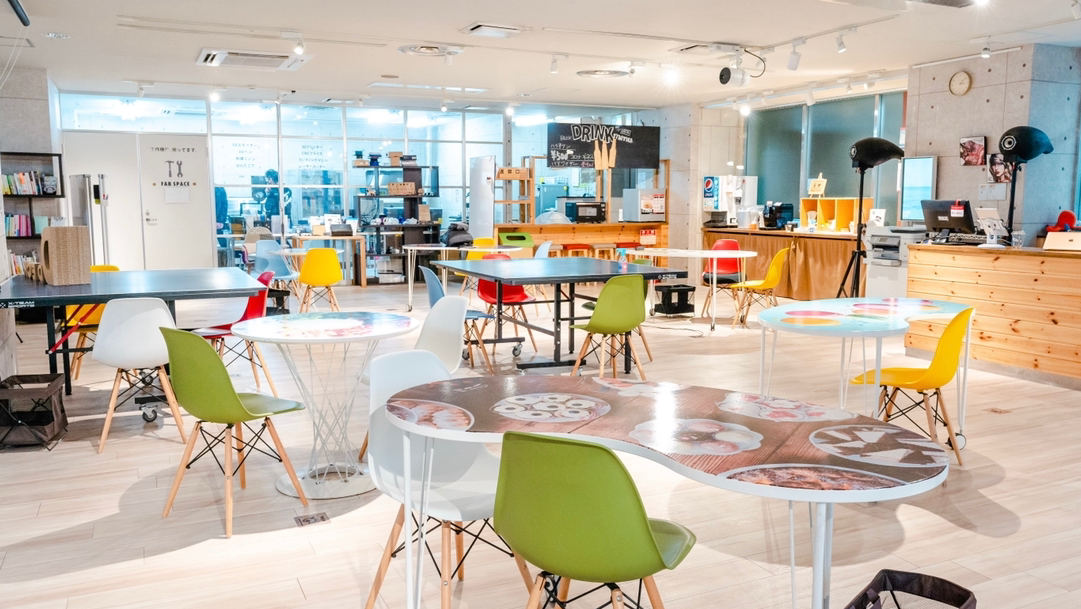
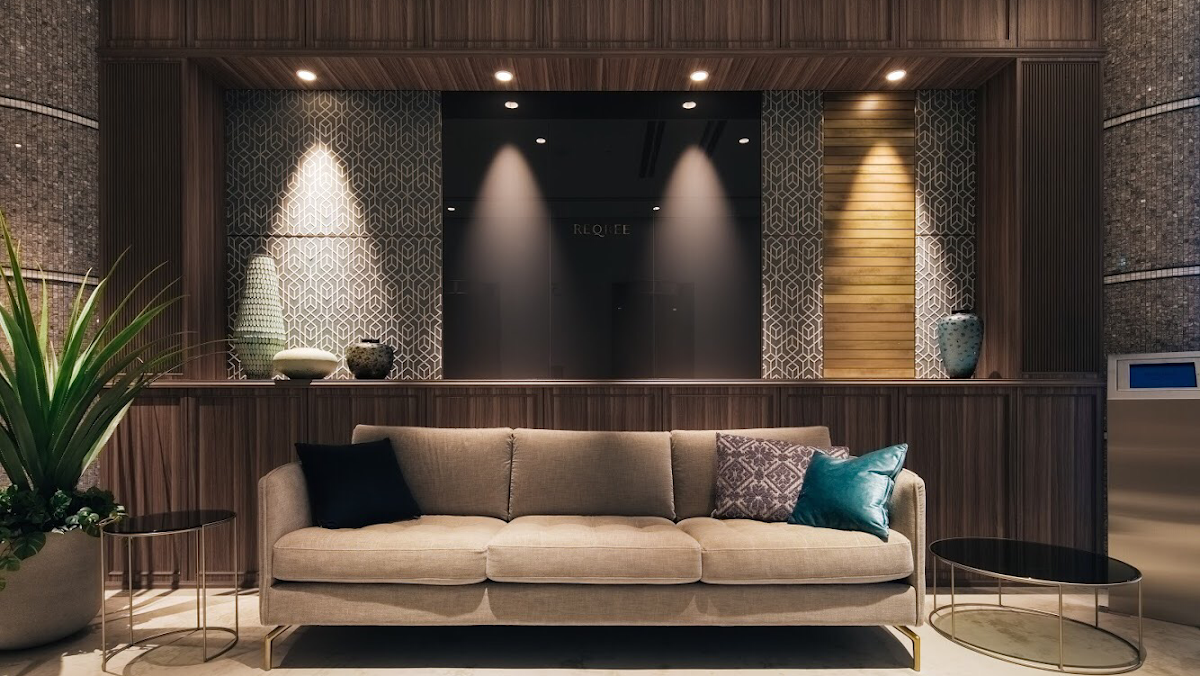
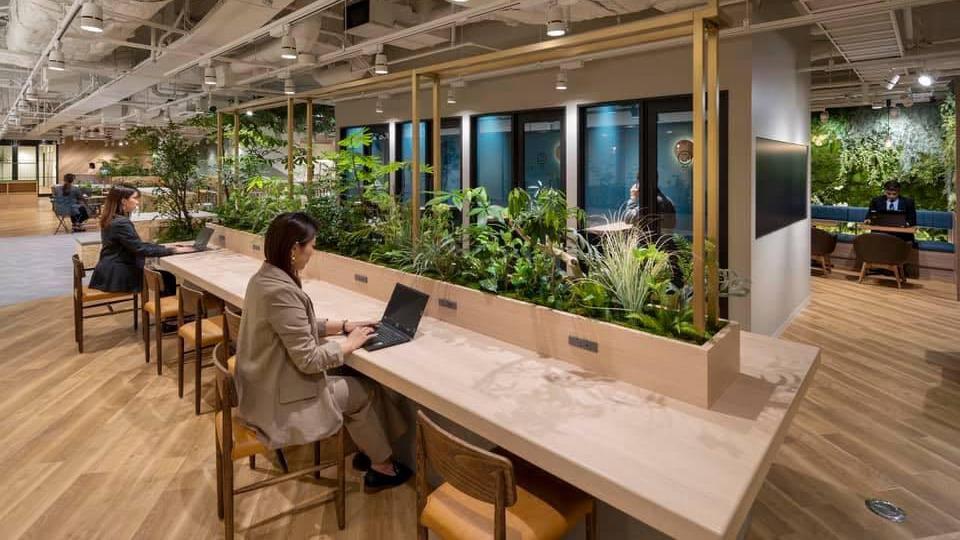
Explore spaces like Fabbit, Mono, or The Company for reliable WiFi, networking opportunities, and professional environments.
Take breaks at this historic landmark surrounded by peaceful gardens, perfect for clearing your mind between work sessions.
Experience Osaka's food culture and neon-lit energy after work hours with street food crawls and local izakayas.
Just 30 minutes away by train, escape to temples, bamboo forests, and traditional gardens on weekends.
Connect with locals and other expats while improving Japanese skills at regular meetups in Namba and Umeda.
Pros & Cons
Pros
- Exceptional internet speed of 210 Mbps with reliable fiber optic connectivity
- Extremely safe with 82.50 safety index allowing comfortable late-night work sessions
- World-class food scene at affordable prices compared to other major Japanese cities
- Efficient public transportation with extensive subway and train networks
- Central location with easy access to Kyoto, Nara, Kobe, and other Kansai region destinations
- More affordable than Tokyo while maintaining high quality of life
- Friendly, outgoing locals with Osaka's distinctive warm culture
Cons
- No dedicated digital nomad visa, limited to 90-day tourist stays for most nationalities
- Limited English proficiency making daily tasks and administrative work challenging
- Hot and extremely humid summers (June-September) can be uncomfortable
- Higher cost of living at $2,500/month compared to Southeast Asian nomad hubs
- Difficult apartment rentals requiring guarantors, key money, and foreigner-friendly landlords
- Time zone (JST/UTC+9) challenging for collaborating with European and American teams