
Visa for Italy
Program: Visto per Lavoro Autonomo / Subordinato da Remoto (Digital Nomad / Remote Worker Visa)
Duration: 1 year initial visa. Renewable annually (for additional 2-year periods; can be renewed multiple times as long as requirements are met). After 5 years of continuous residency, can apply for permanent residency.
Income: Minimum €28,000/year gross (approximately €2,333/month) for single applicant. For applicants with family: +€11,000/year per adult dependent, +€3,500/year per dependent child. Income must come from work performed in Italy for non-Italian employers/clients. Passive income not accepted.
Full Italy DNV guideItaly launched its Digital Nomad Visa in 2024, requiring proof of remote work, minimum annual income of approximately €28,000, and health insurance. Processing typically takes 30-90 days through Italian consulates. Alternatively, nomads use the self-employment visa (lavoro autonomo) with partita IVA tax registration, though this requires demonstrating Italian client work. EU citizens enjoy freedom of movement. Always verify current requirements through the Italian Ministry of Foreign Affairs or official consular websites as regulations evolve.
Cost of Living in Milan
Cost data verified May 2026Best Neighborhoods for Nomads
Navigli
Canal-side district famous for aperitivo bars, vintage shops, and vibrant nightlife with a bohemian creative energy.
Porta Nuova
Ultra-modern business district with vertical forests, luxury apartments, and proximity to Garibaldi coworking hubs.
Brera
Historic artistic quarter with cobblestone streets, galleries, upscale cafés, and timeless Milanese elegance.
Lambrate
Emerging creative neighborhood with affordable rents, design studios, and authentic local markets away from tourist crowds.
Porta Romana
Well-connected residential area balancing local authenticity with modern amenities and excellent metro access.
Internet & Infrastructure
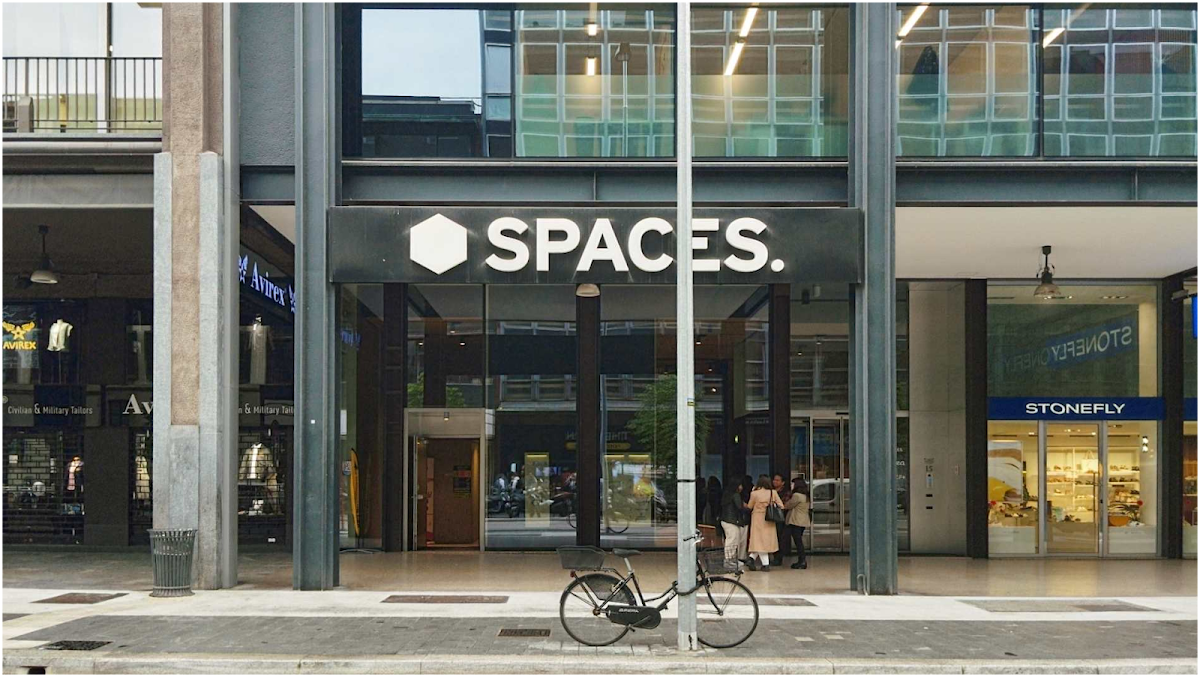
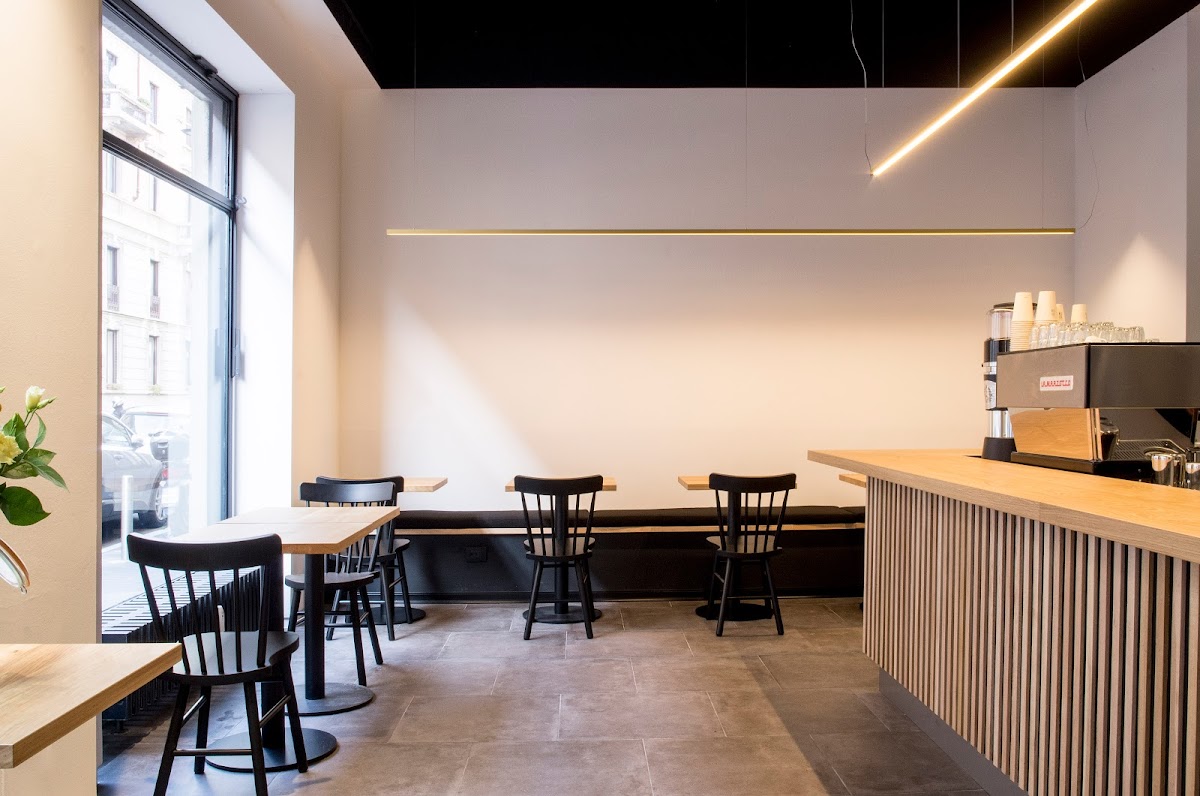
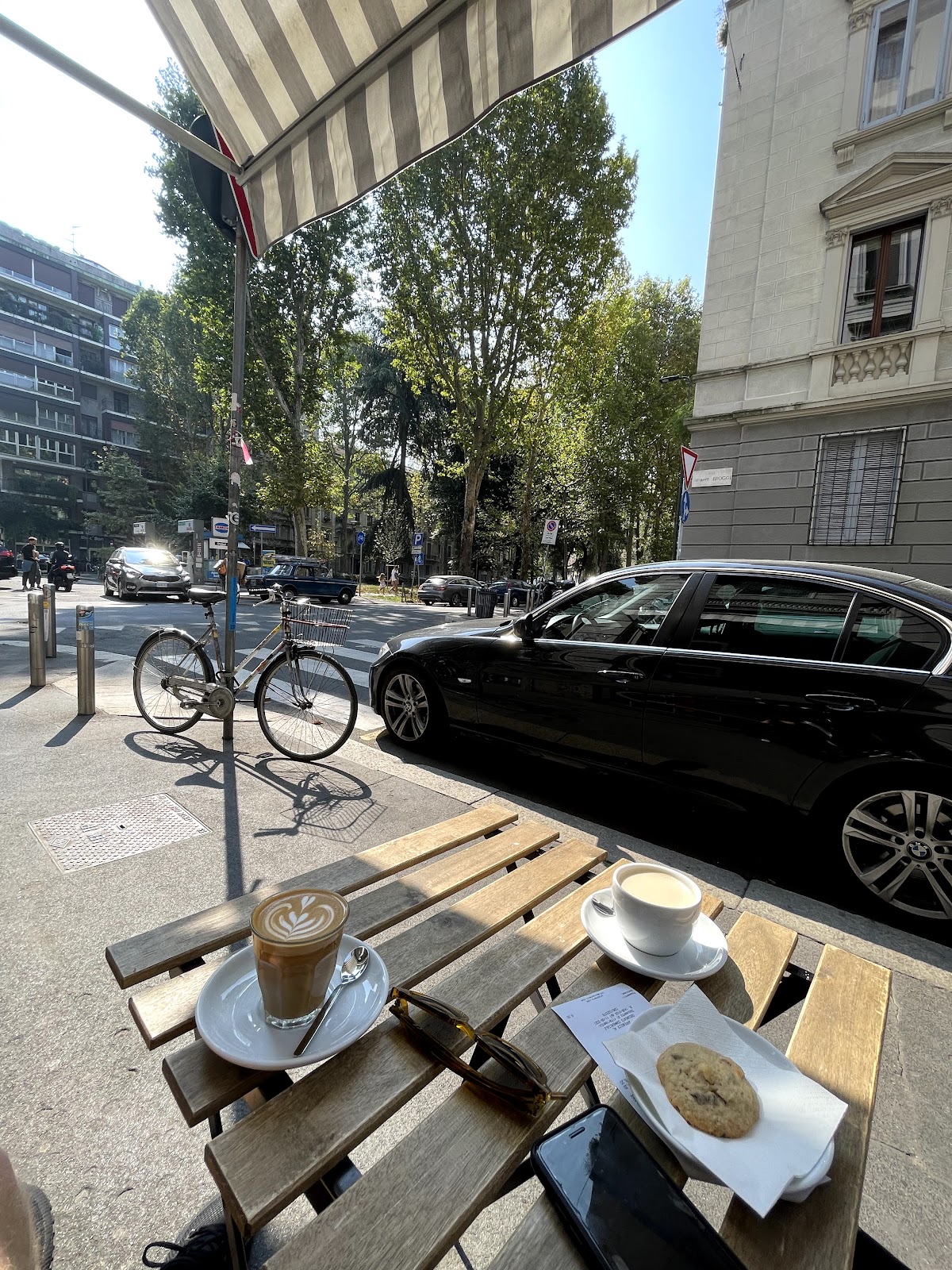
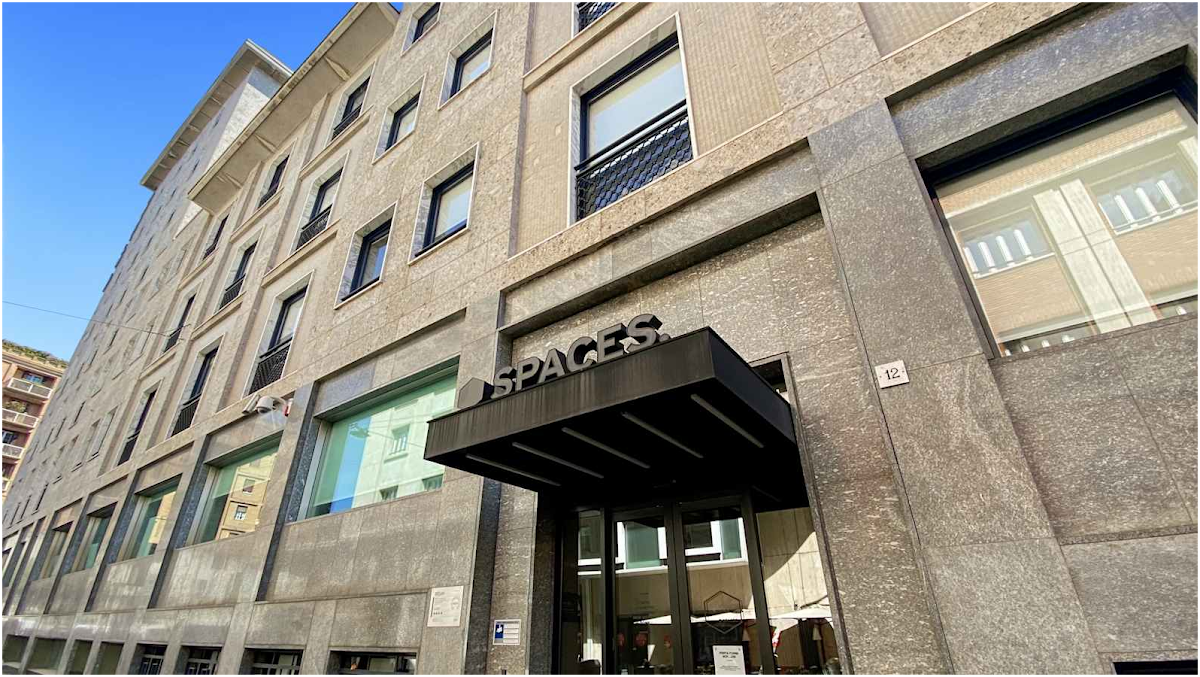
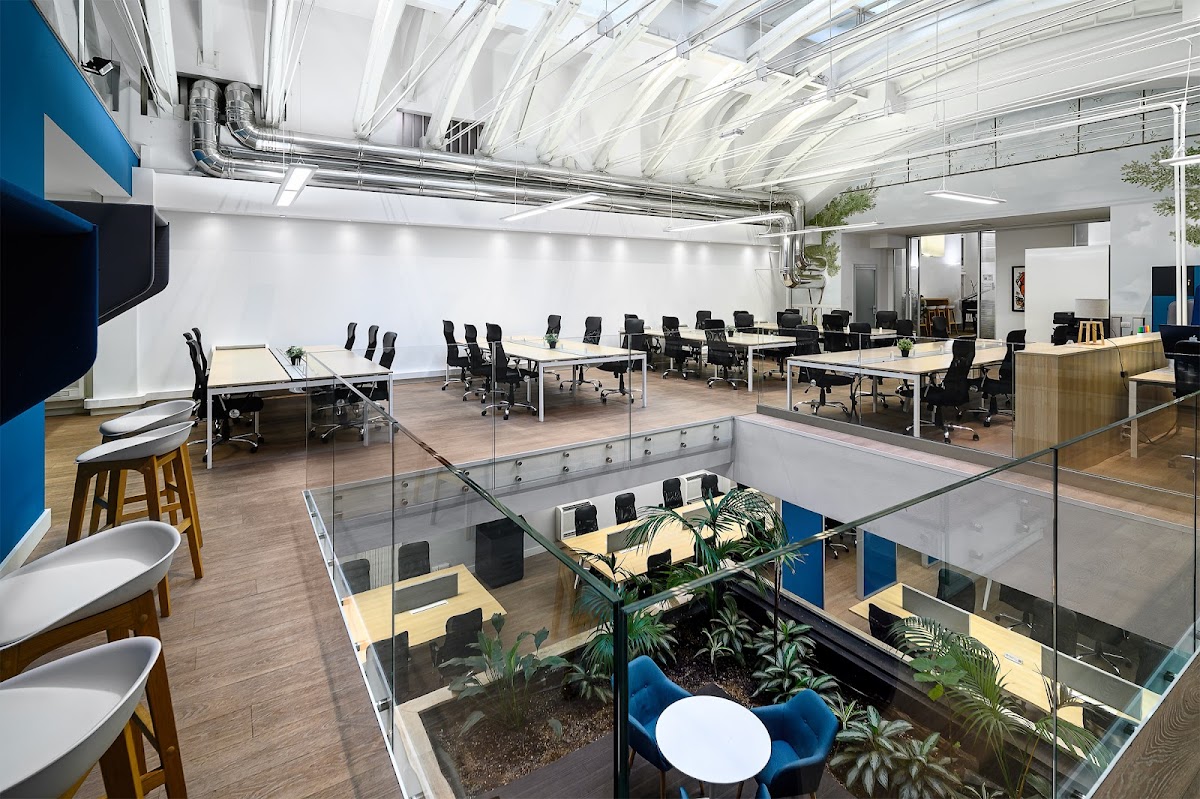
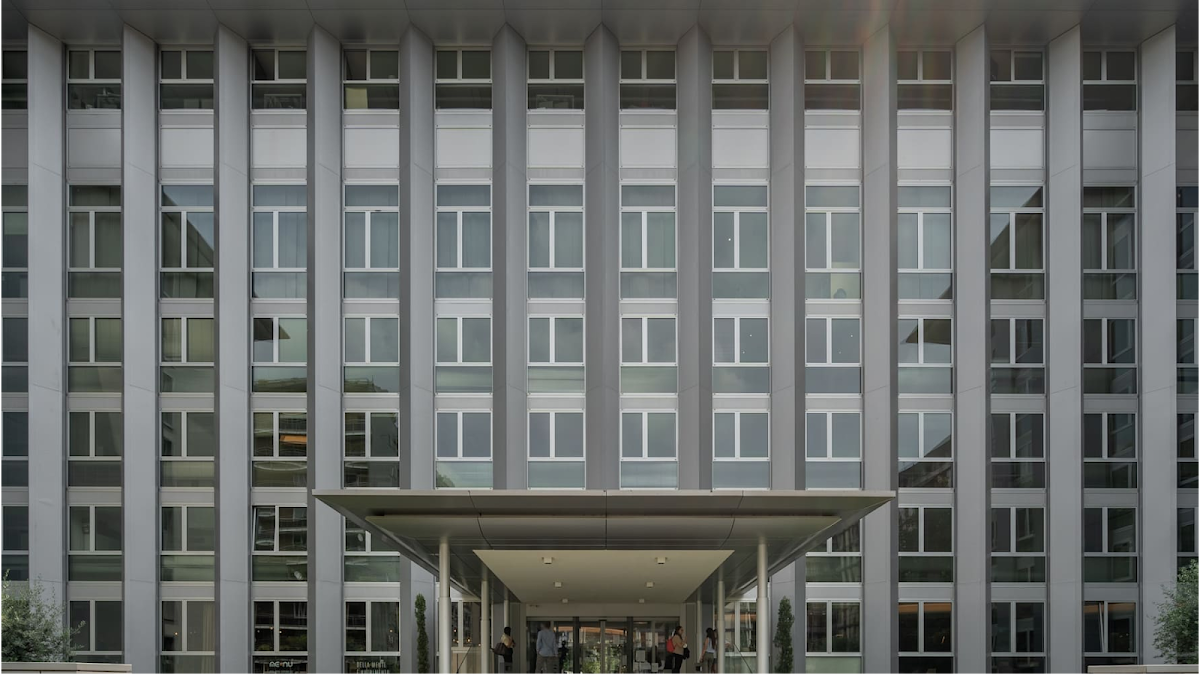
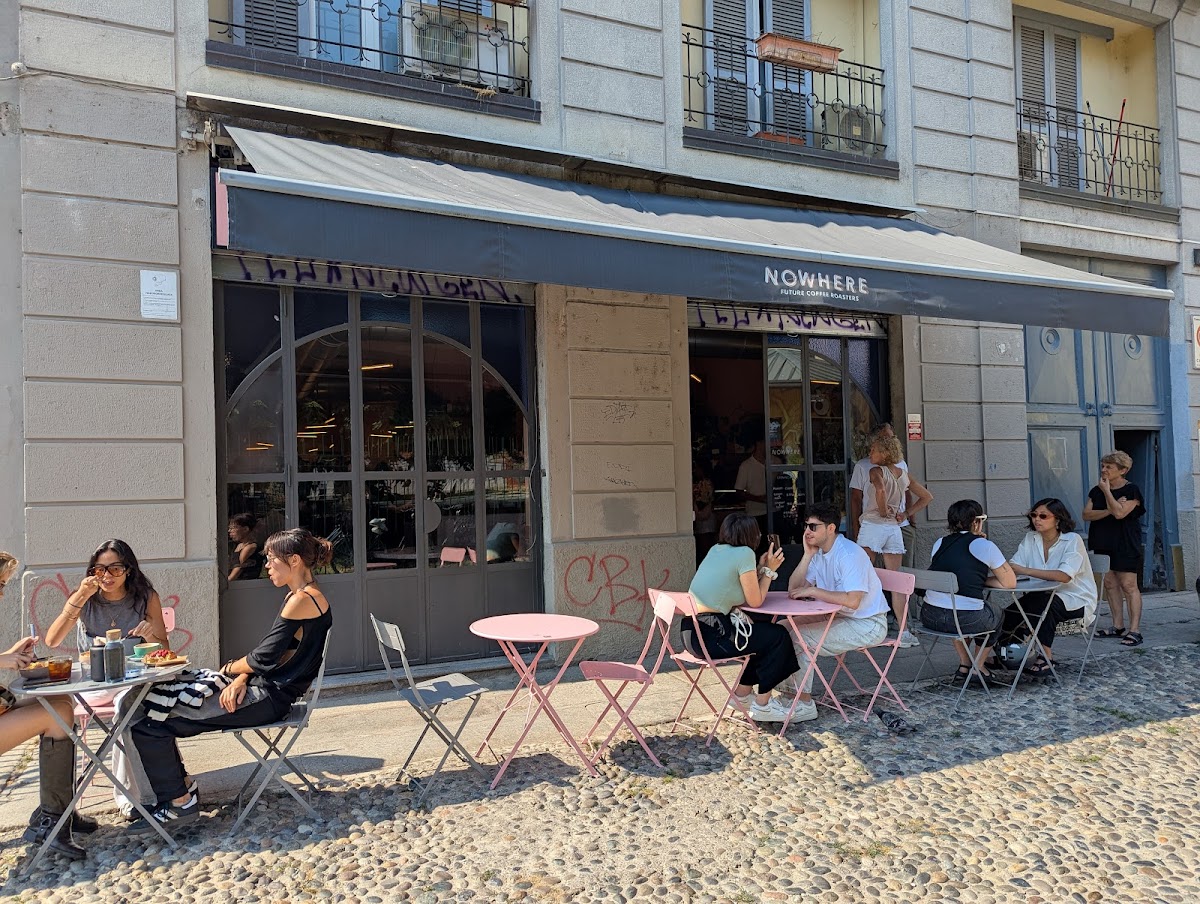
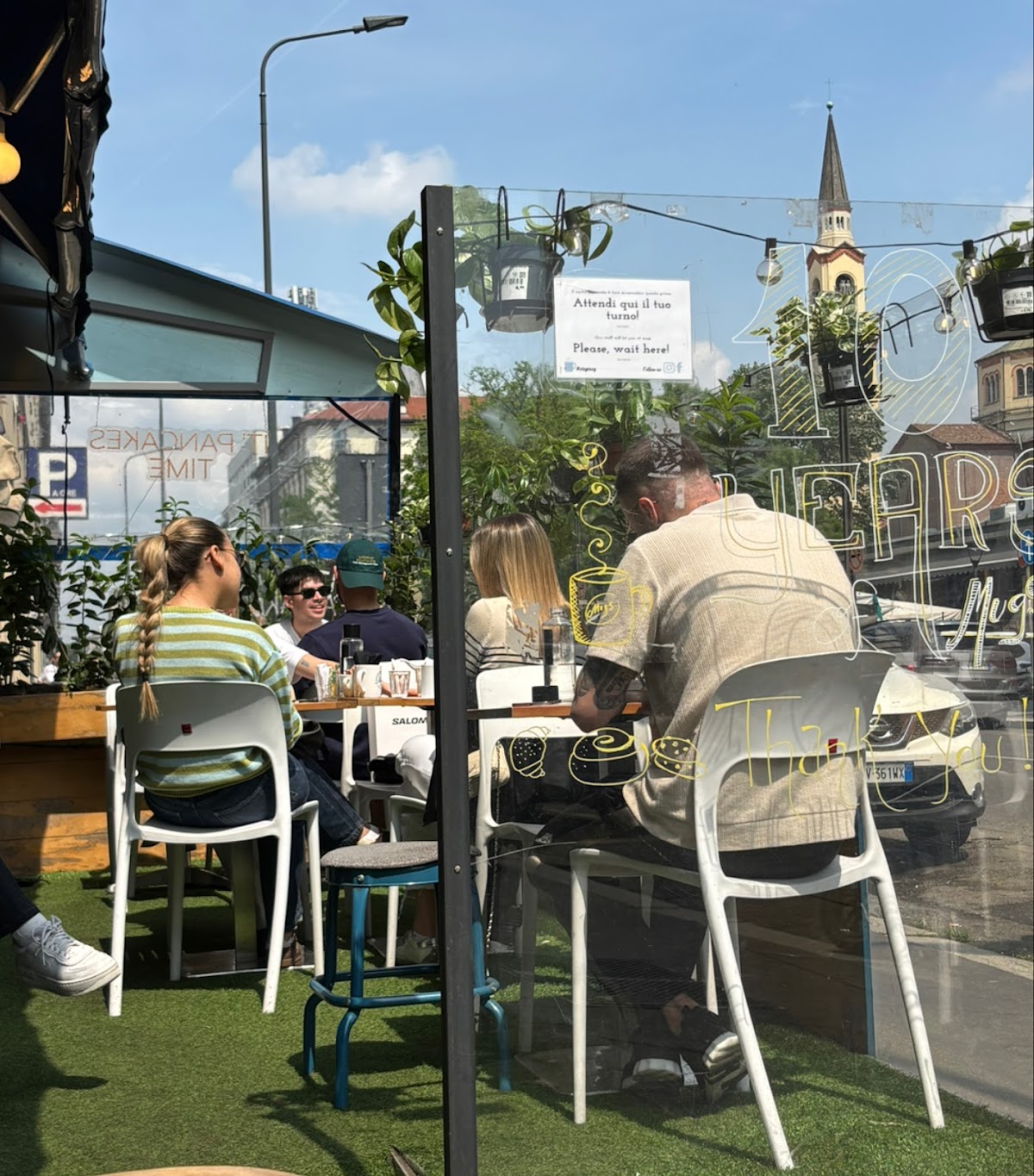
Coworking & cafés in Milan
8 verified workspaces · cross-checked against Google Places & reviewed manually · no paid placements
Things to Do in Milan
Network with locals and expats over pre-dinner drinks with free buffets—Milan's essential social ritual for building connections.
Join Europe's largest coworking campus with 900+ members, regular networking events, and a strong startup ecosystem.
Center yourself with Gothic cathedral views and luxury arcade strolls—ideal mental breaks between video calls.
Escape city intensity with 1-hour train rides to stunning lakeside villages perfect for workation balance.
Experience the world's premier furniture fair in April, transforming the entire city into a design playground with installations and parties.
Pros & Cons
Pros
- Excellent 165 Mbps internet and reliable infrastructure for remote work
- Central European location with 2-hour flights to most major cities
- Sophisticated coffee culture with laptop-friendly cafés throughout the city
- Strong international business community and networking opportunities
- World-class cuisine beyond pizza—Milanese risotto, ossobuco, and innovative restaurants
- Efficient metro system (M1, M2, M3, M5 lines) making car ownership unnecessary
- Access to Alps skiing and Mediterranean beaches within 2-3 hours
Cons
- High cost of living at $2400/month—Italy's most expensive city
- Lower safety index (55.50) with frequent pickpocketing in Duomo and Centrale areas
- Grey, foggy winters can feel depressing compared to southern Italy's sunshine
- More business-focused and less charming than Rome or Florence for some tastes
- Bureaucracy challenges for residence permits and tax registration
- August sees many businesses close as locals flee the heat—city feels empty