
Visa for Philippines
Program: No dedicated digital nomad visa (Long-Stay Visitor Visa extensions or Special Visa for Employment Generation)
Duration: Tourist entry: 30 days (extendable up to 36 months total for some nationalities). Long-Stay Visitor Visa: 6 months to 3 years.
Income: No dedicated digital nomad visa. Long-Stay Visitor Visa: no minimum income requirement, but must show financial self-sufficiency. SRRV retirement visa: requires $10,000–$50,000 deposit.
Full Philippines DNV guideThe Philippines does not currently offer a dedicated digital nomad visa. Most nomads enter on the 30-day visa-free entry (for eligible nationalities) and extend through tourist visa extensions at immigration offices, allowing stays up to 36 months theoretically. The Special Resident Retiree's Visa (SRRV) requires a $10,000-20,000 deposit and is available to those 35+. Many nomads do visa runs to nearby countries every few months. Check official Bureau of Immigration sources for current requirements as policies change.
Cost of Living in Manila
Cost data verified May 2026Best Neighborhoods for Nomads
Bonifacio Global City (BGC)
Modern, walkable district with international restaurants, high-end condos, and the best infrastructure in Manila.
Makati
Manila's financial heart with excellent coworking spaces, malls, nightlife, and reliable internet.
Poblacion
Hip, artsy neighborhood known for craft bars, street food, creative community, and affordable living.
Ortigas Center
Business district alternative to Makati with shopping centers, offices, and mid-range accommodation options.
Malate
Historic neighborhood near Manila Bay with budget options, local character, and university atmosphere.
Internet & Infrastructure
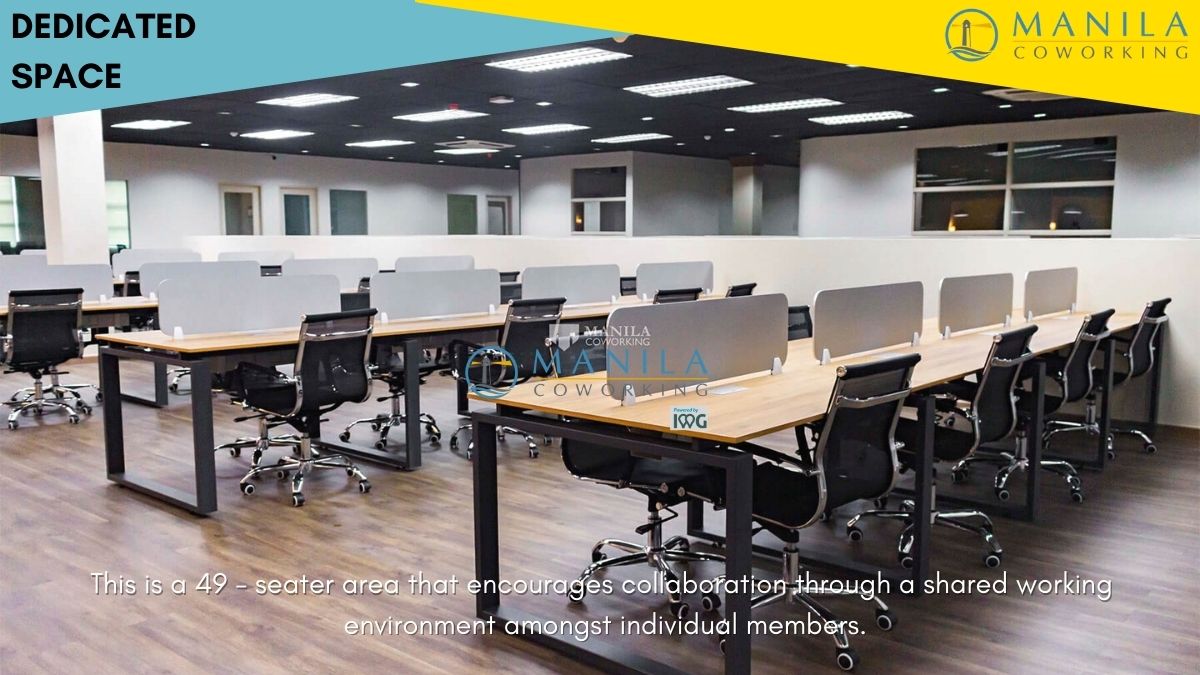
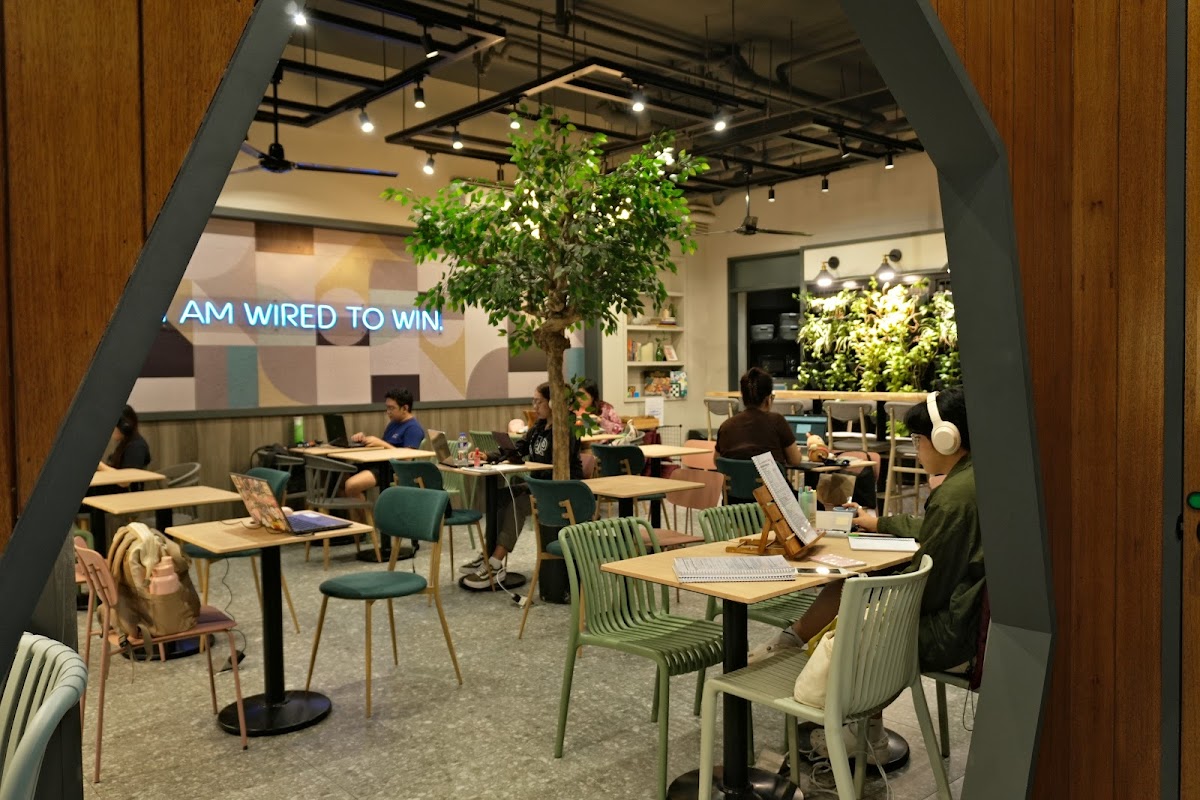
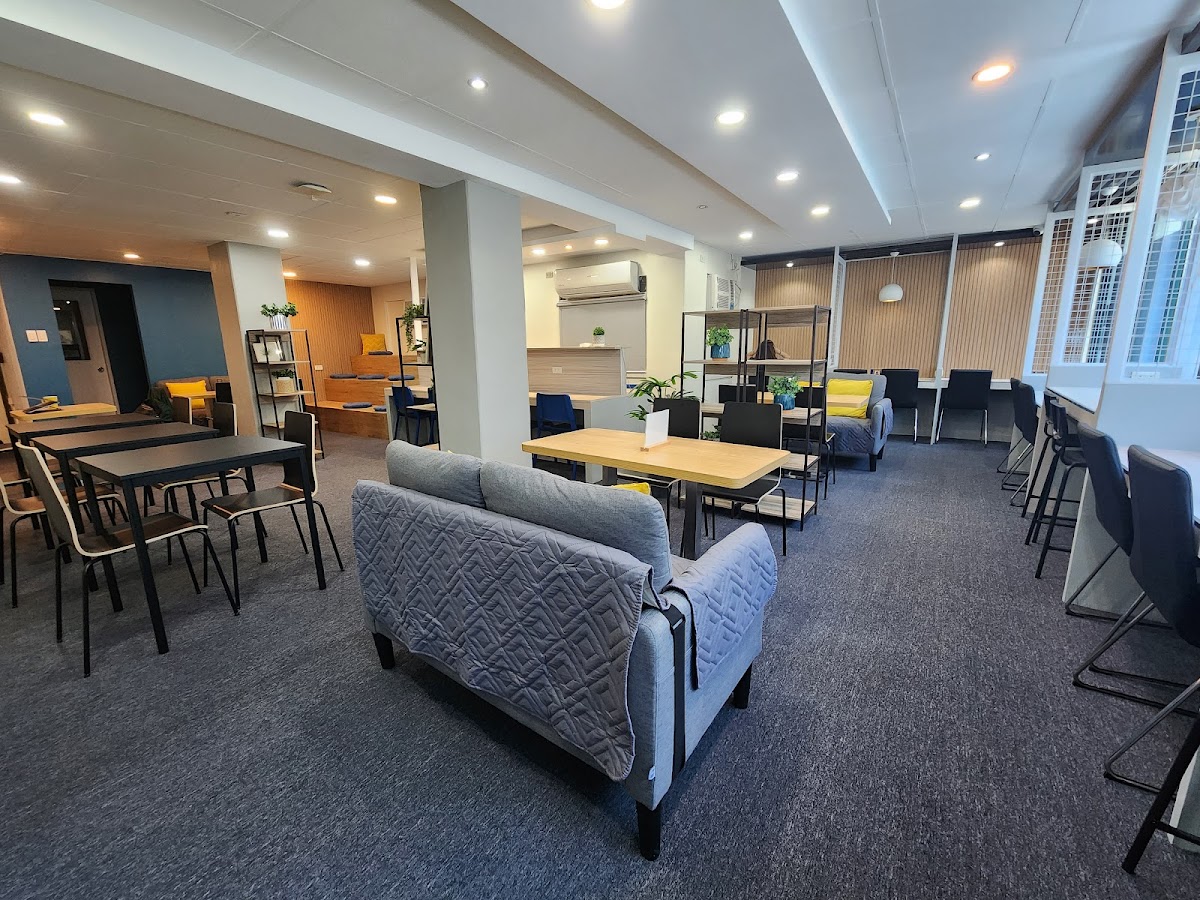
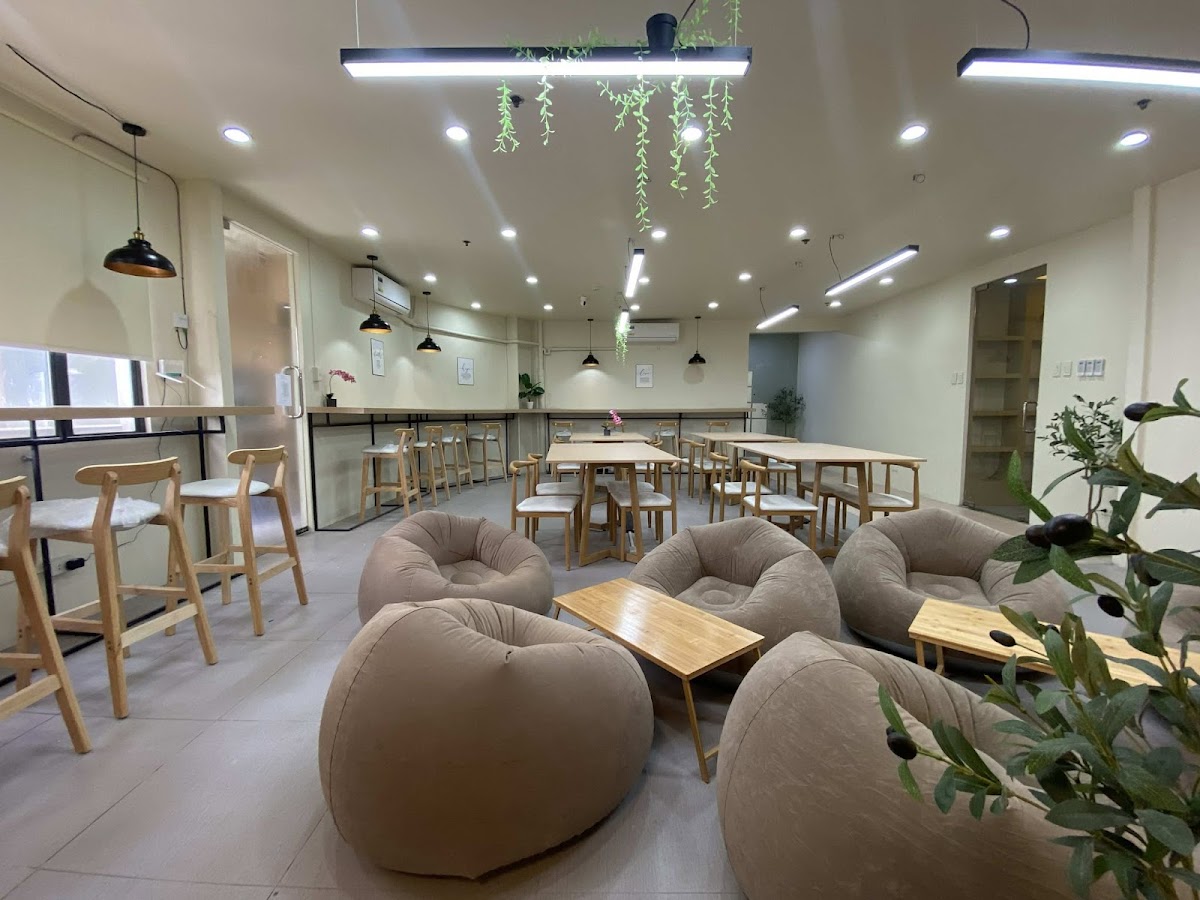
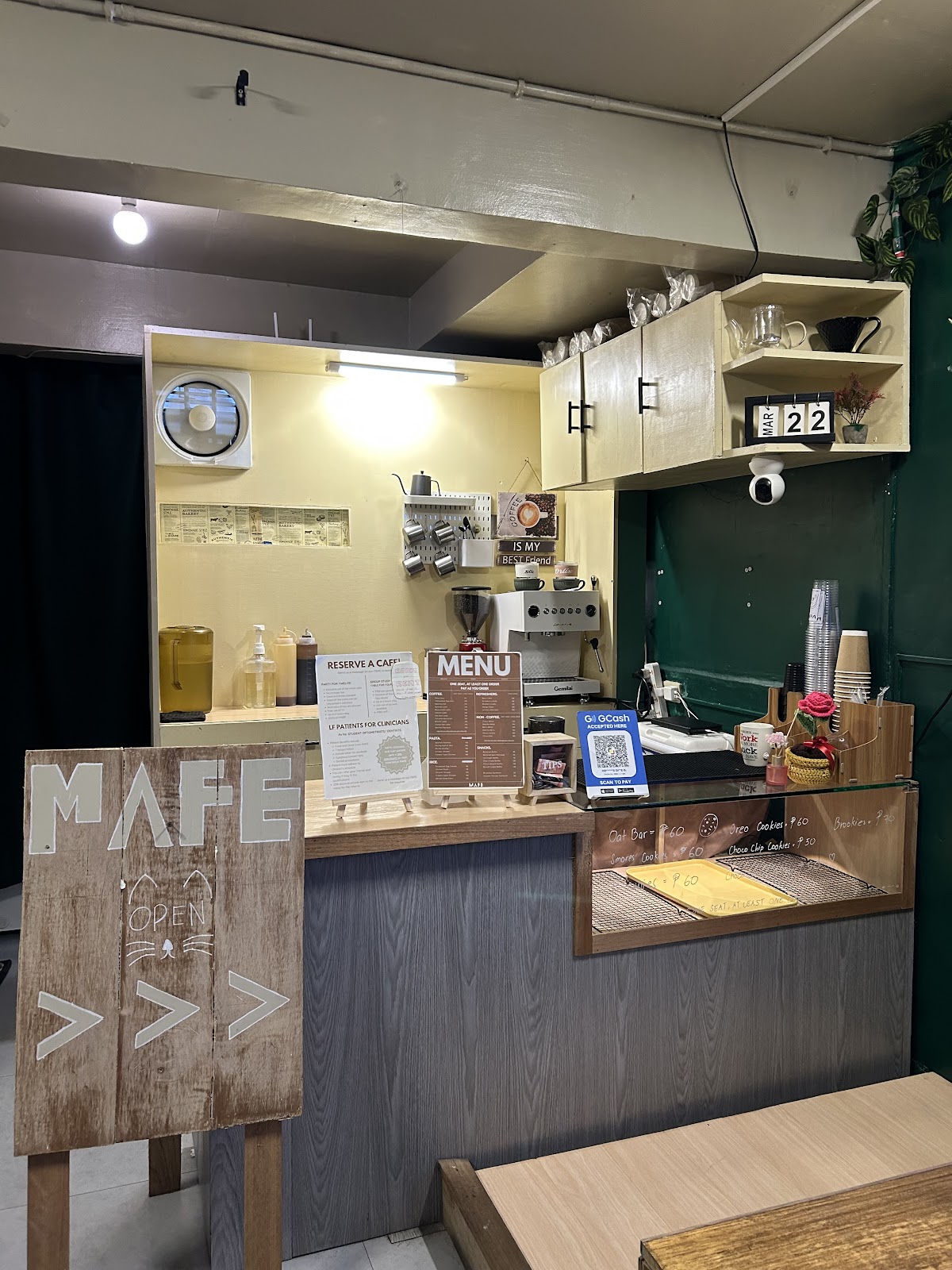
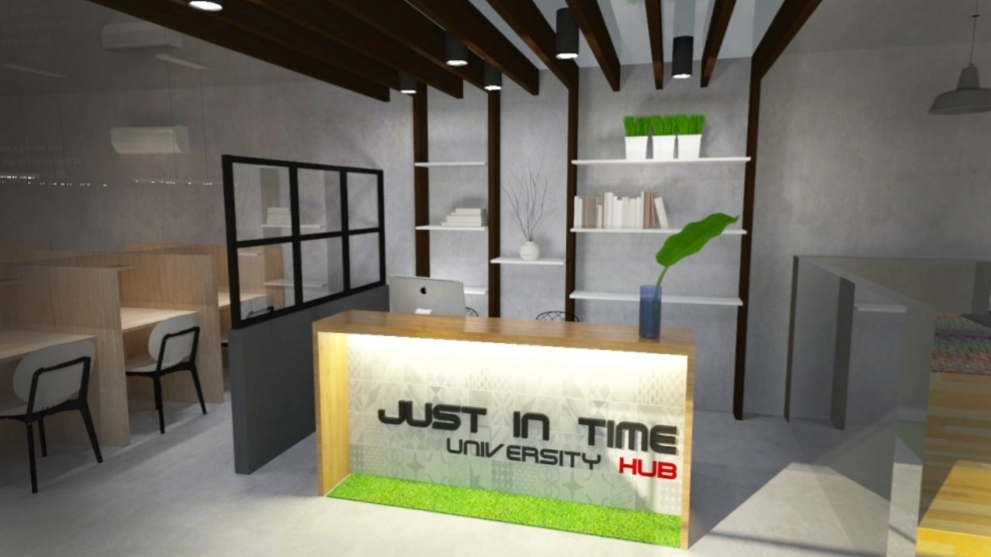
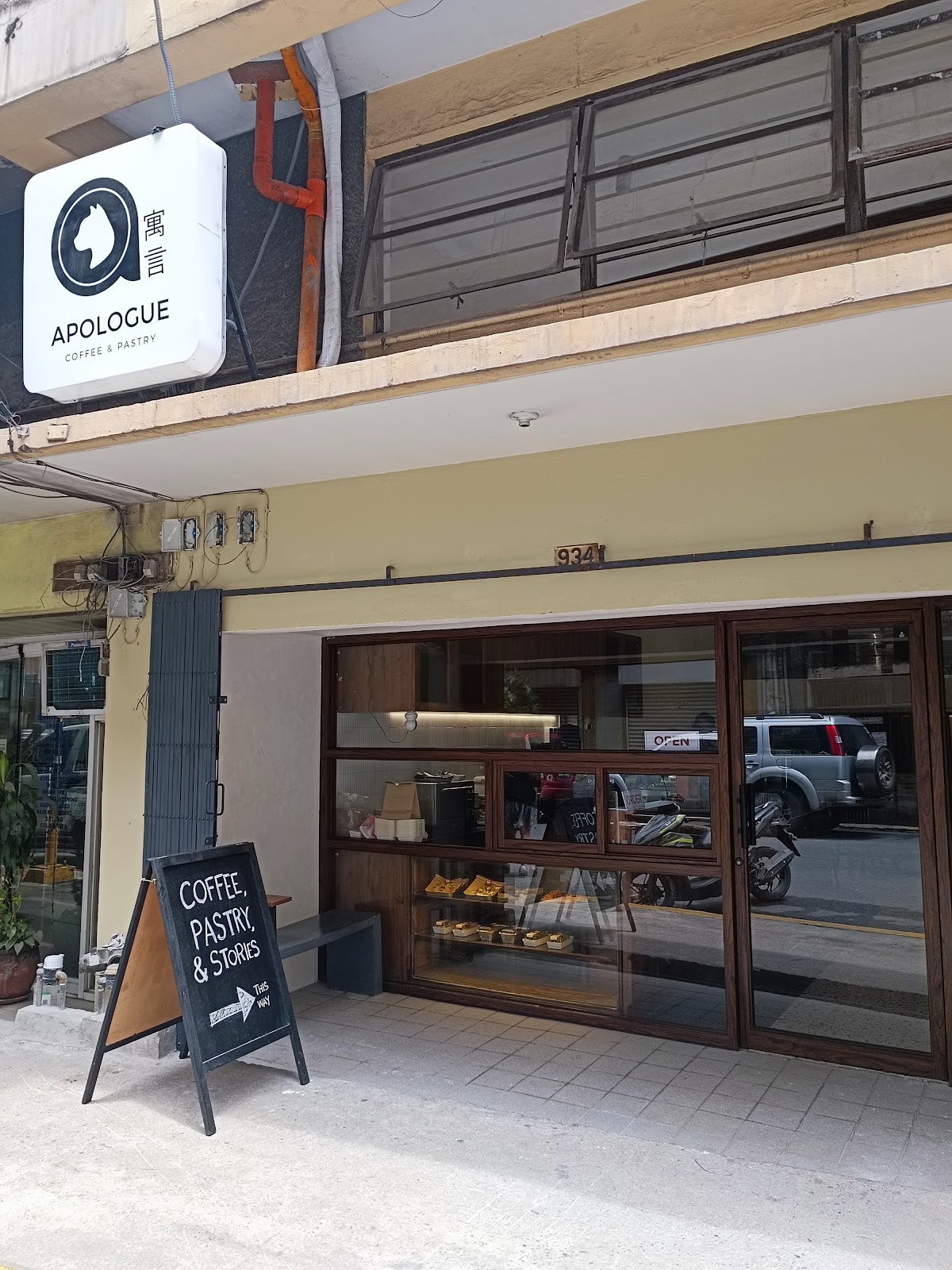
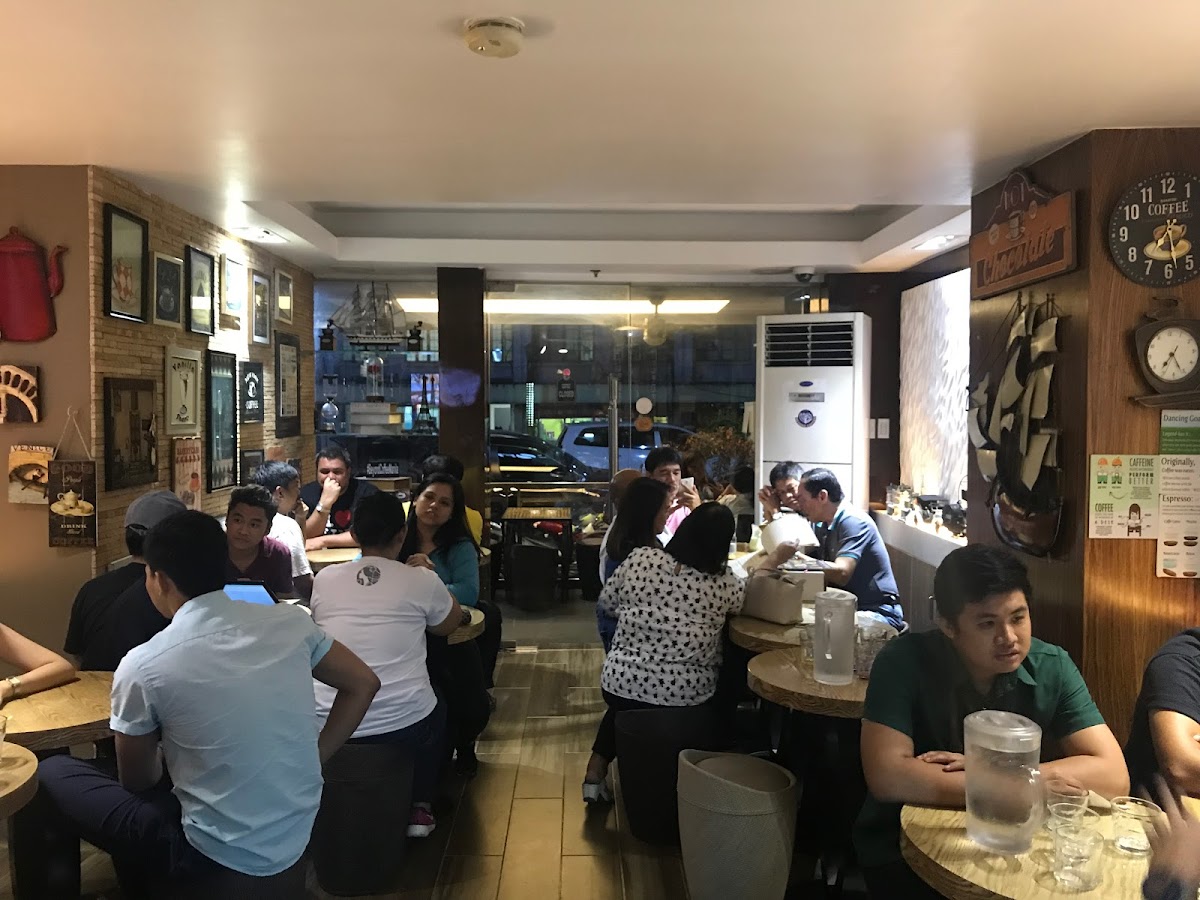
Coworking & cafés in Manila
8 verified workspaces · cross-checked against Google Places & reviewed manually · no paid placements
Things to Do in Manila
Walk through the historic walled city to experience Spanish colonial architecture and Philippine history between work sessions.
Take weekend trips to Batangas beaches, Corregidor Island, or catch budget flights to Palawan and Cebu for digital detox.
Join thriving communities at The Alcoves, KMC Solutions, or WeWork BGC to connect with local startups and fellow nomads.
Unwind at Baywalk or rooftop bars overlooking the bay for spectacular sunsets and evening relaxation after work.
Sample everything from street food in Binondo (Chinatown) to modern Filipino cuisine in BGC's restaurant scene.
Pros & Cons
Pros
- Extremely affordable cost of living compared to Western countries and even regional neighbors
- English widely spoken making daily life and business interactions effortless
- Vibrant coworking and startup community with regular networking events
- World-class shopping malls with air conditioning, restaurants, and reliable WiFi for working
- Warm, hospitable locals and easy social connections with both Filipinos and expats
- Strategic location for exploring Southeast Asia with budget airlines serving the region
- Diverse food scene from street food to international cuisine at all price points
Cons
- Notorious traffic congestion that can turn short distances into hour-long commutes
- Air quality issues and pollution particularly during dry season
- Lower safety index with petty crime and scams targeting foreigners in tourist areas
- Intense heat and humidity year-round with heavy monsoon rains June through November
- Infrastructure inconsistencies with internet and power outages possible outside premium areas
- Urban sprawl makes the city feel overwhelming and chaotic for those preferring compact cities