
Visa for Spain
Program: Visado/Autorización para Teletrabajo de Carácter Internacional (Digital Nomad Visa)
Duration: Consulate visa: 1 year. In-Spain residence authorization: up to 3 years. Renewable in 2-year increments up to 5 years. After 5 years: EU long-term residency eligible. After 10 years: Spanish citizenship eligible.
Income: Minimum 200% of Spain's Minimum Interprofessional Salary (SMI). SMI in 2026: approx €1,424.50/month → minimum income: approx €2,849/month (~€34,188/year). +75% SMI (~€1,068/month) per additional adult family member. +25% SMI (~€356/month) per additional child. Income must come from remote work — passive income excluded. Up to 20% of income may be from Spanish companies (freelancers only).
Full Spain DNV guideSpain launched its Digital Nomad Visa in January 2023, requiring proof of remote work for non-Spanish companies, minimum €2,160 monthly income (or €28,800 annually), and allows stays up to 5 years. Processing typically takes 1-3 months through Spanish consulates abroad. Alternatively, many nomads use the Non-Lucrative Visa (requiring ~€27,000+ in savings but prohibiting work) or stay on 90-day Schengen tourist visas. EU citizens enjoy freedom of movement and only need to register as residents (empadronamiento) after 3 months.
Cost of Living in Madrid
Cost data verified May 2026Best Neighborhoods for Nomads
Malasaña
Hipster central with vintage shops, indie cafes, street art, and the highest concentration of digital nomads.
Chamberí
Residential and elegant with authentic local life, excellent restaurants, and fewer tourists than central areas.
Lavapiés
Madrid's most multicultural neighborhood with affordable rents, diverse food scene, and artistic character.
Salamanca
Upscale district with designer boutiques, wide boulevards, quiet streets, and professional atmosphere.
Chueca
LGBTQ+ friendly neighborhood packed with trendy cafes, coworking spaces, and central location near Gran Vía.
Internet & Infrastructure
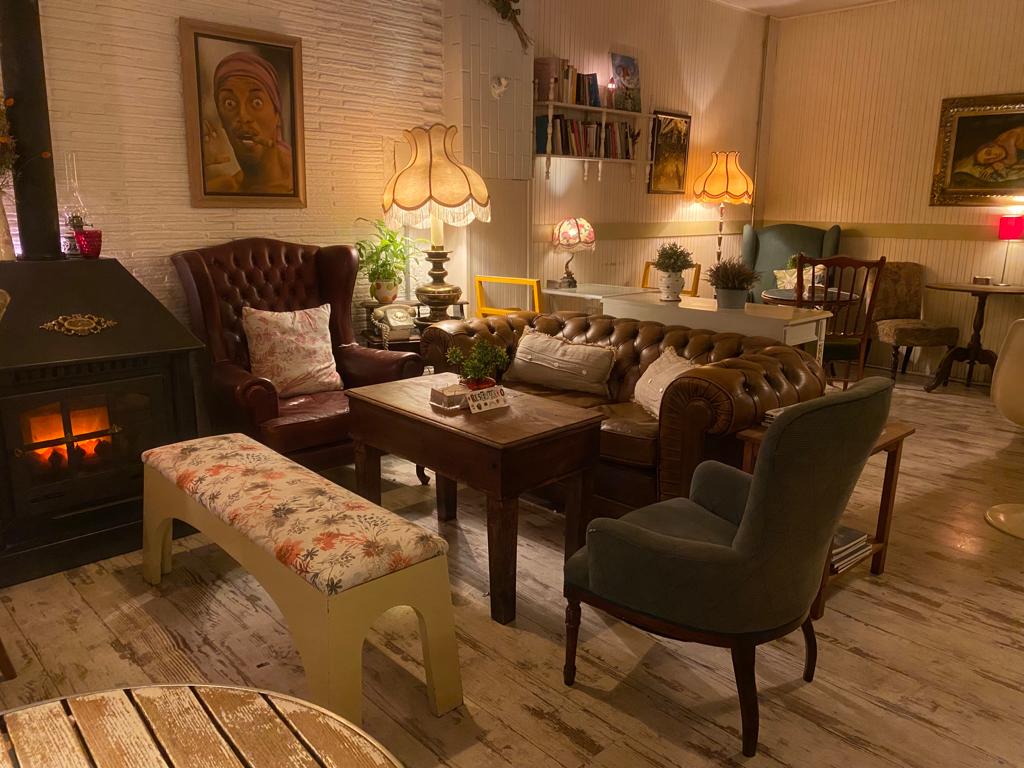
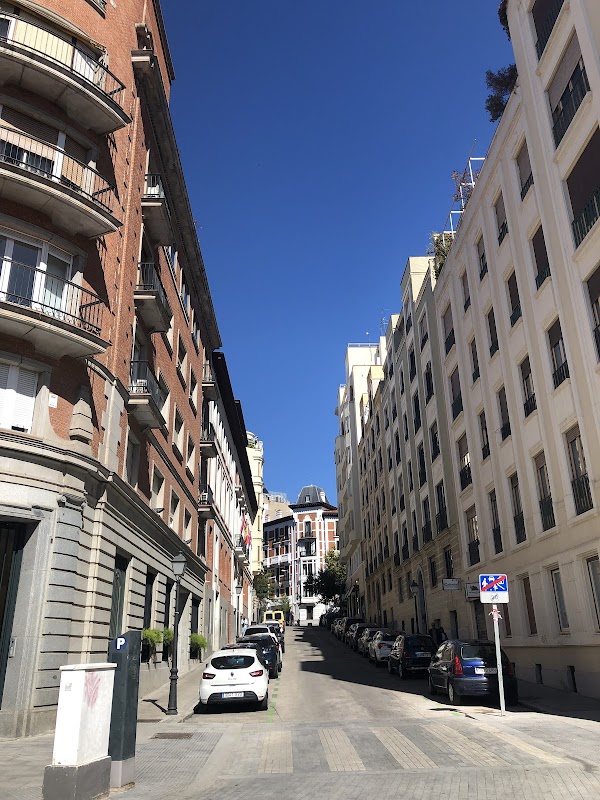
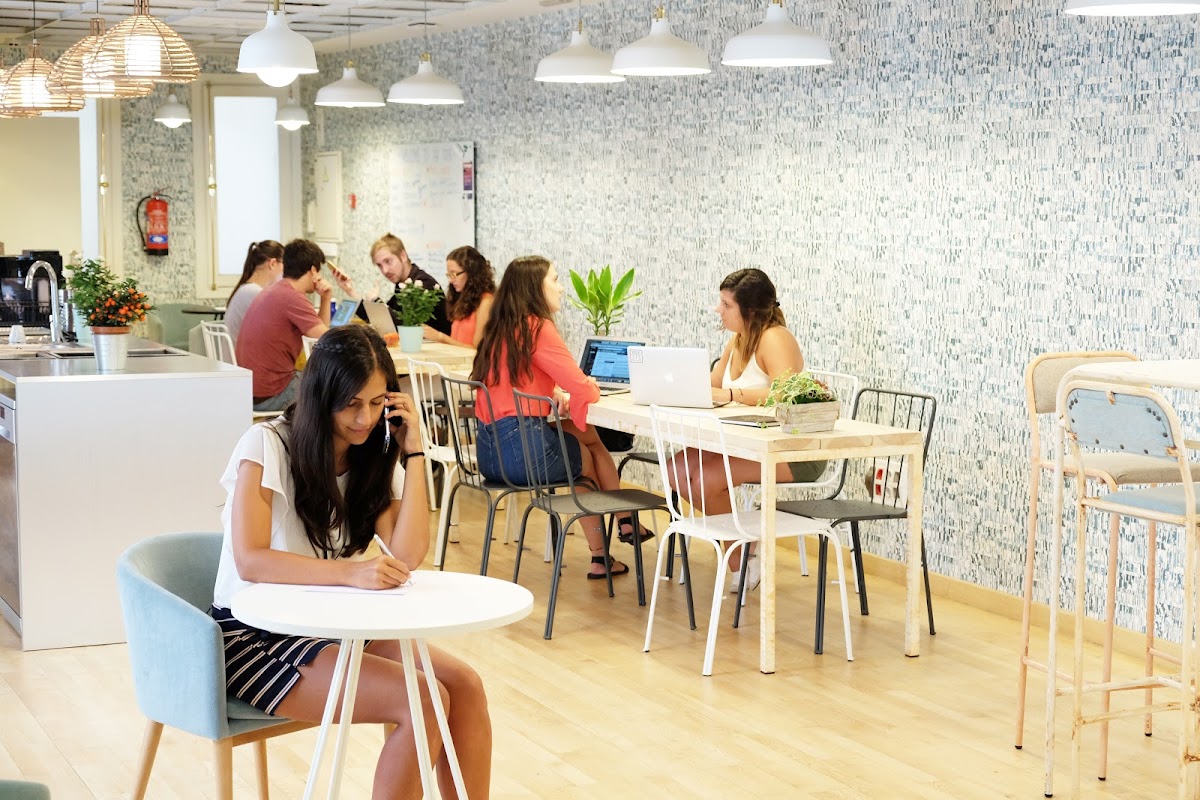
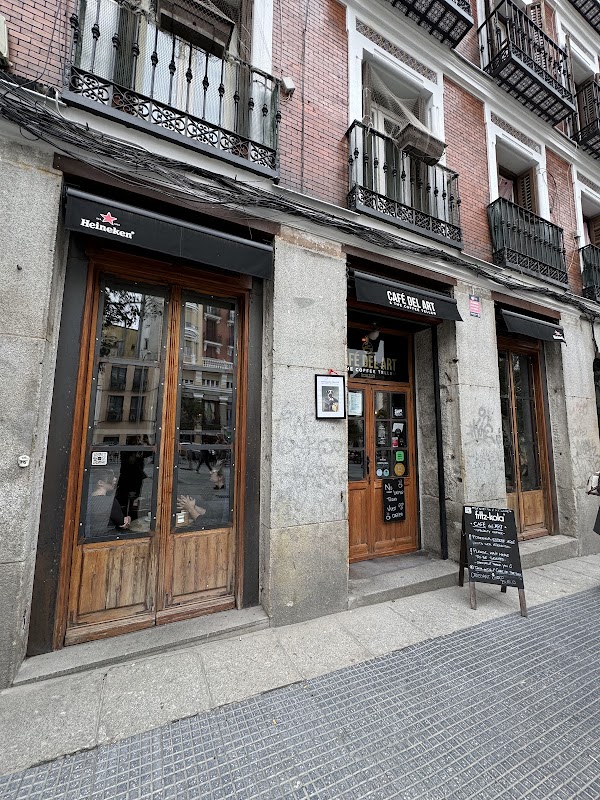
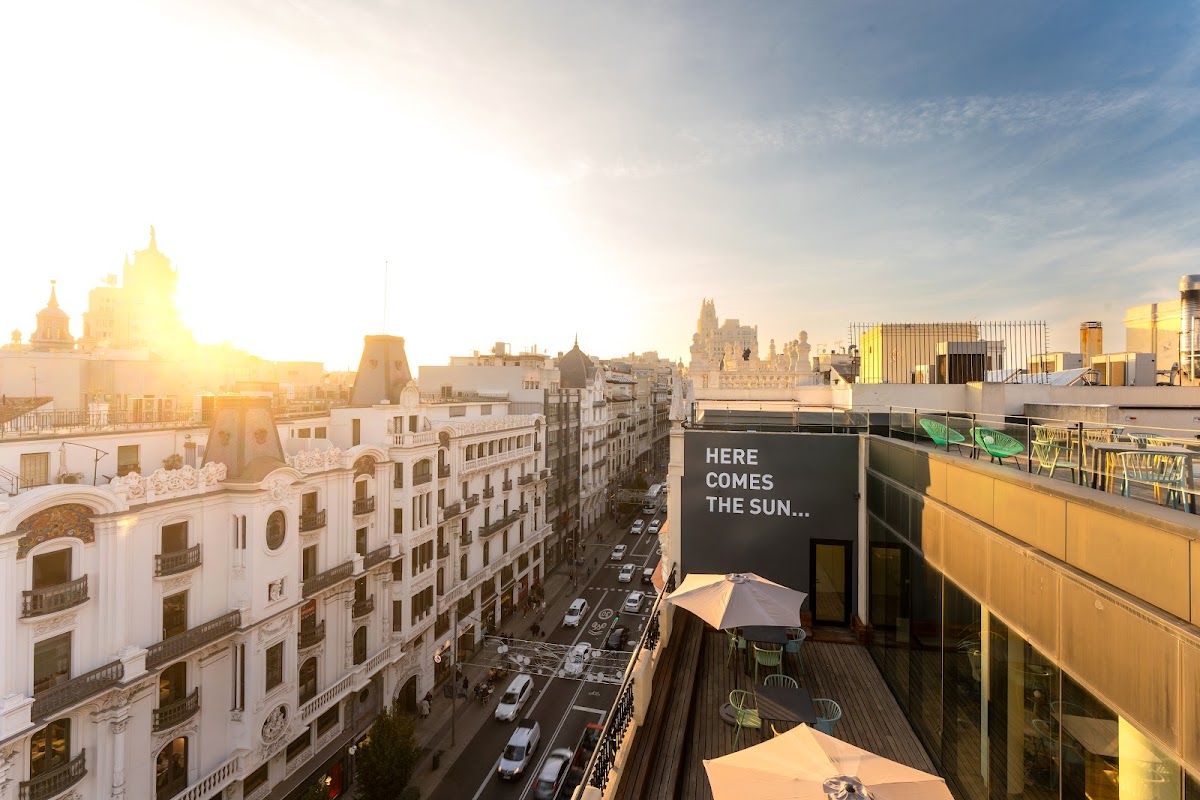
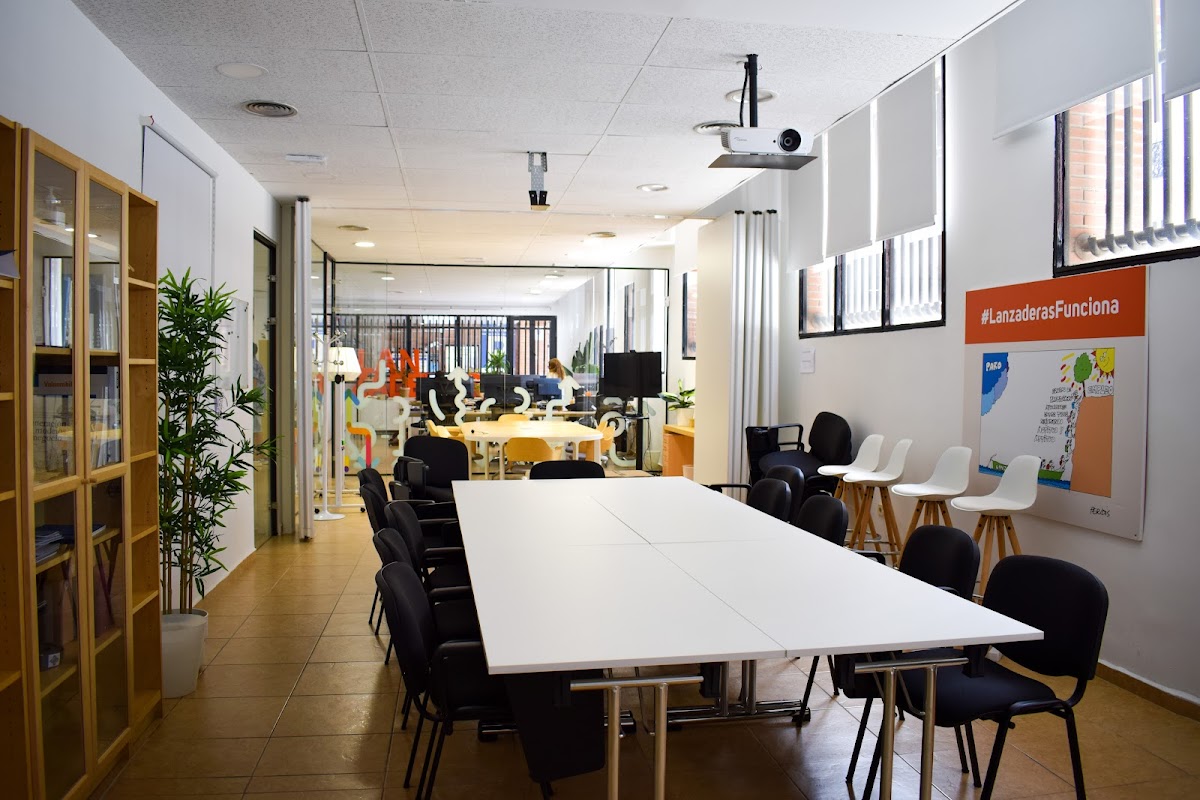
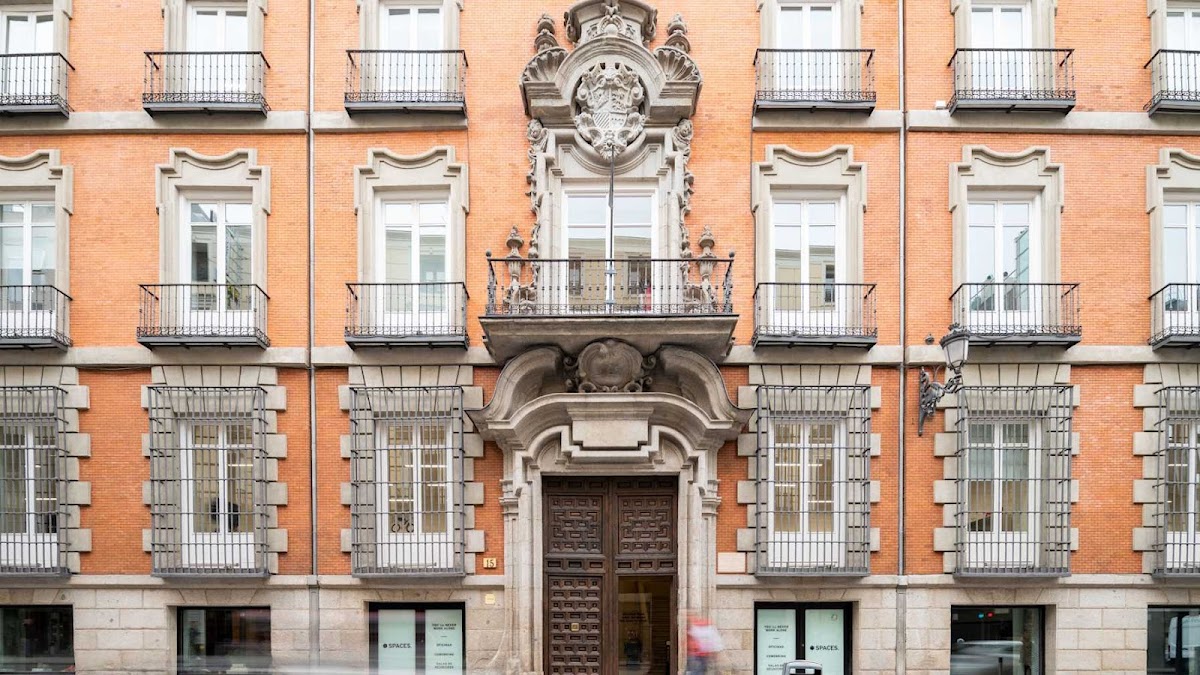
Coworking & cafés in Madrid
8 verified workspaces · cross-checked against Google Places & reviewed manually · no paid placements

Things to Do in Madrid
Europe's largest open-air market offers vintage finds, people-watching, and post-shopping vermouth in La Latina—quintessential Madrid experience.
Prado, Reina Sofía, and Thyssen-Bornemisza offer world-class art including Goya, Velázquez, Picasso's Guernica, and free evening hours for budget-conscious nomads.
125 hectares of green space with fountains, Crystal Palace, and boat rentals provide perfect outdoor workspace alternatives and weekend relaxation.
From Círculo de Bellas Artes to Azotea del Círculo, Madrid's rooftop bars offer stunning sunset views and networking opportunities with locals and expats.
Toledo (30 min), Segovia (27 min), and Valencia (100 min) are easily accessible for cultural escapes without losing productivity during the week.
Pros & Cons
Pros
- Central European location with cheap flights and high-speed trains to entire continent
- Thriving coworking scene with spaces like Second Home, Talent Garden, and dozens of neighborhood options
- Excellent public healthcare system and many English-speaking doctors in central districts
- World-class restaurant scene from €12 menú del día to Michelin-starred establishments
- Strong international community with regular nomad meetups and networking events
- Extensive metro system running until 2 AM on weekends makes car ownership unnecessary
- Over 300 sunny days annually with mild spring and fall ideal for remote work
Cons
- Extreme summer heat (July-August often 35-40°C) drives many locals and nomads away
- Notorious bureaucracy for residence registration, NIE numbers, and banking takes weeks or months
- Late meal times and nightlife (dinner at 10 PM, clubs open at 2 AM) disrupts early risers
- Limited English outside tourist areas requires Spanish for daily life and administrative tasks
- Noisy culture with street life, construction, and thin walls in older apartments affecting focus
- Slower business pace and siesta culture can frustrate nomads needing quick services