
Living and working in Lima
Nomads choose Lima for South American culture and cuisine at a lower price than Bogotá or Mexico City, a mild coastal climate, oceanfront running paths, and a genuine, less-touristed feel. It also works as a launchpad for Peru's wider attractions—Cusco, Machu Picchu, the Sacred Valley, and the Amazon—without the crowds of other Latin American hubs.
Cost of living in Lima averages around $1,150 a month for a single person, among the more affordable options in this guide. A one-bedroom apartment in the center runs about $700 a month, and everyday expenses—public transport, groceries, and dining at local spots—remain inexpensive, even as upscale restaurants and imported goods push costs higher in neighborhoods like San Isidro.
Among the best-known areas, Miraflores is the most popular with expats and nomads, offering reliable infrastructure, ocean views, parks, and a strong security presence for about $850 a month. Barranco is Lima's bohemian arts district, full of colonial architecture, galleries, and nightlife, at roughly $700. San Isidro is the polished, executive hub with tree-lined streets and excellent safety, running about $950. Surquillo, bordering Miraflores, offers authentic local life and markets at a much lower $500, while San Miguel, a residential middle-class district near the airport, provides good value around $550.
Internet is generally solid in these upscale districts, with average speeds around 55 Mbps—enough for most remote work, though those relying heavily on video calls should keep a mobile data backup for outages.
On visas, Peru does not yet have a fully operational digital nomad visa. A Digital Nomad Visa category was created by Legislative Decree 1582 in November 2023, but as of late 2025 the implementing regulations needed to process applications still had not been published, so it remains unavailable in practice. Most nomads instead enter on the standard tourist permit (up to 90 days, extendable to 183 days per year). For longer stays, the temporary residence "rentista" visa, requiring roughly $1,000+ in independent monthly income, is an option. Confirm current rules with Peru's Migraciones authority before planning a move.
Safety in Lima requires ordinary urban vigilance rather than deep concern: petty theft and traffic are the main hazards, so sticking to established neighborhoods after dark, avoiding flashy displays of valuables, and using registered taxis or ride-hailing apps are standard precautions.
Local tips: Lima's food scene is reason enough to visit—don't miss ceviche at a neighborhood cevichería, anticuchos from street carts, and a splurge meal at one of the city's internationally ranked restaurants. Traffic is heavy and chaotic, so budget extra time for cross-town trips or rely on ride-hailing apps rather than driving yourself. Spanish fluency makes daily life significantly smoother, since English is limited outside hotels and tourist areas. The nomad community, centered in Miraflores and Barranco coworking spaces, is smaller and friendlier than in bigger nomad hubs, making it easier to build genuine local connections.
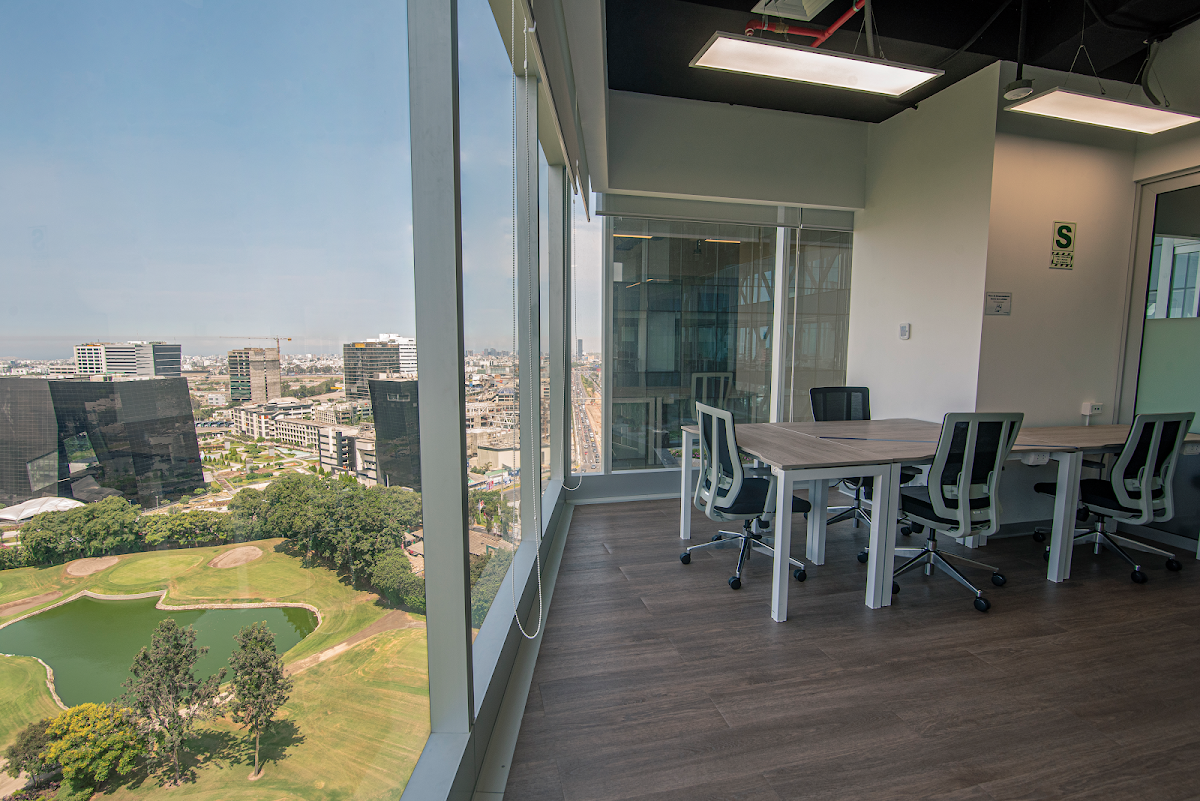
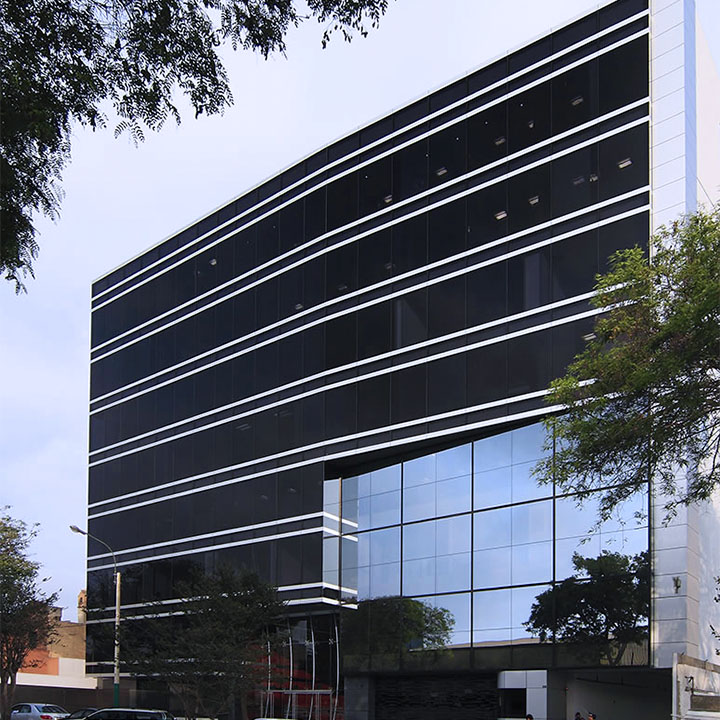
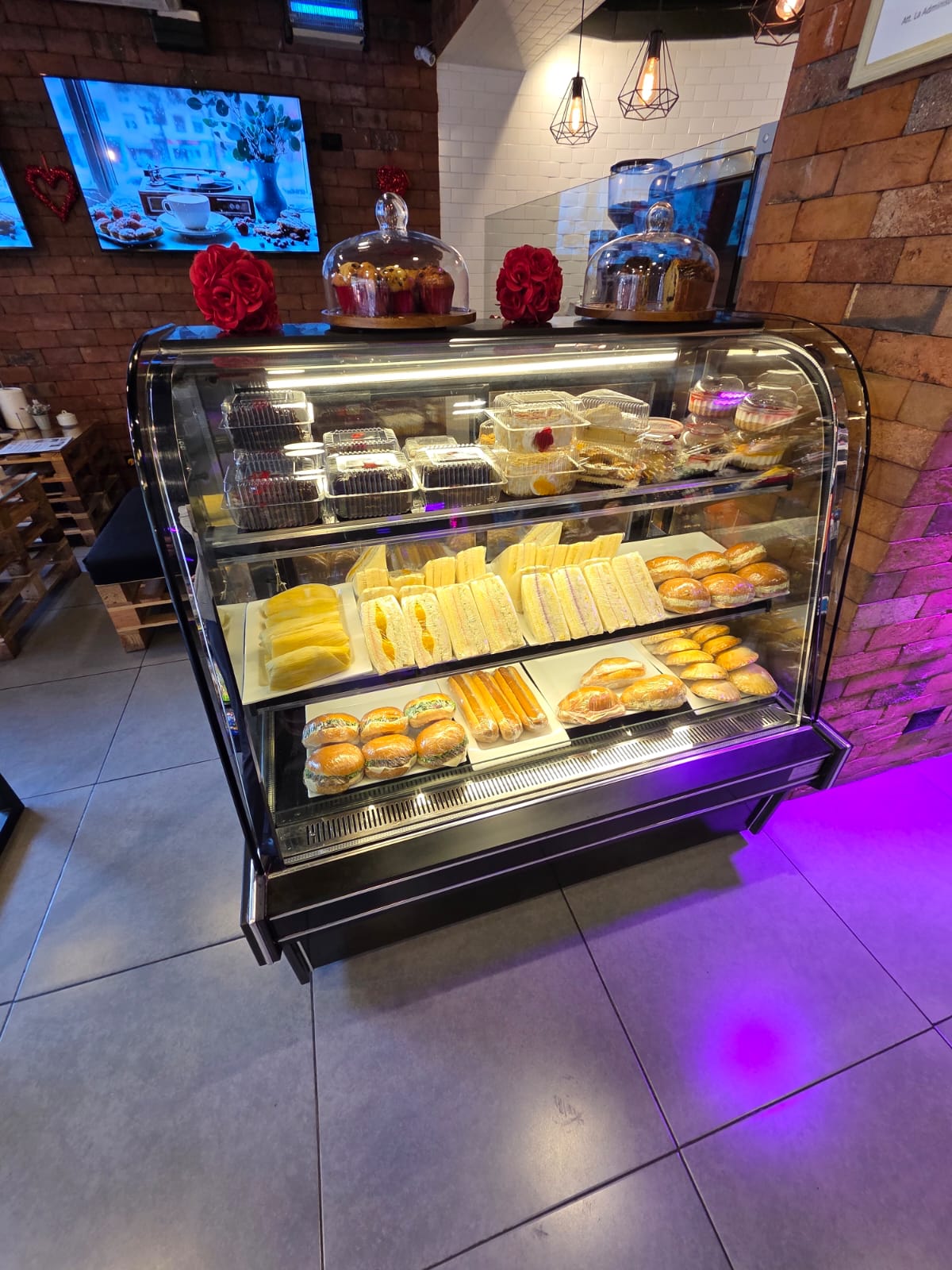
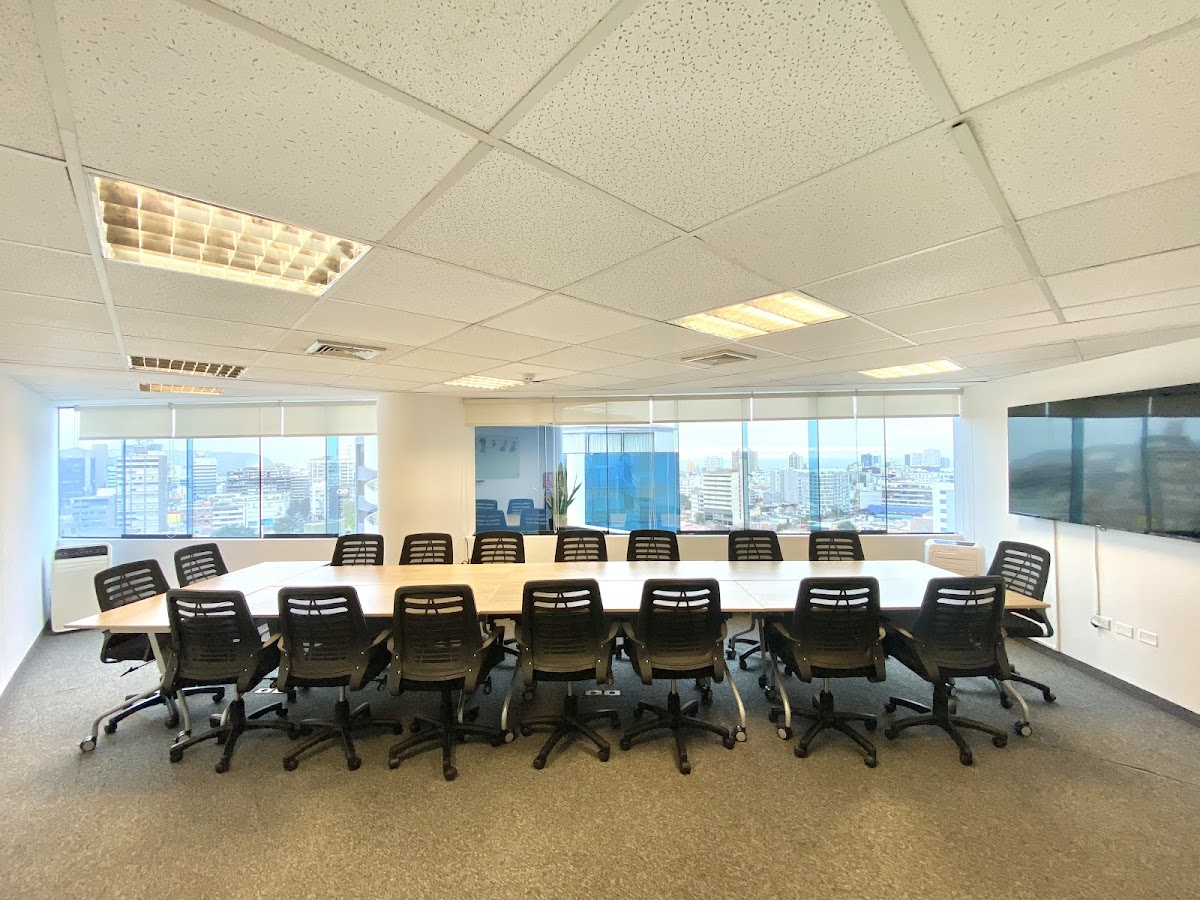
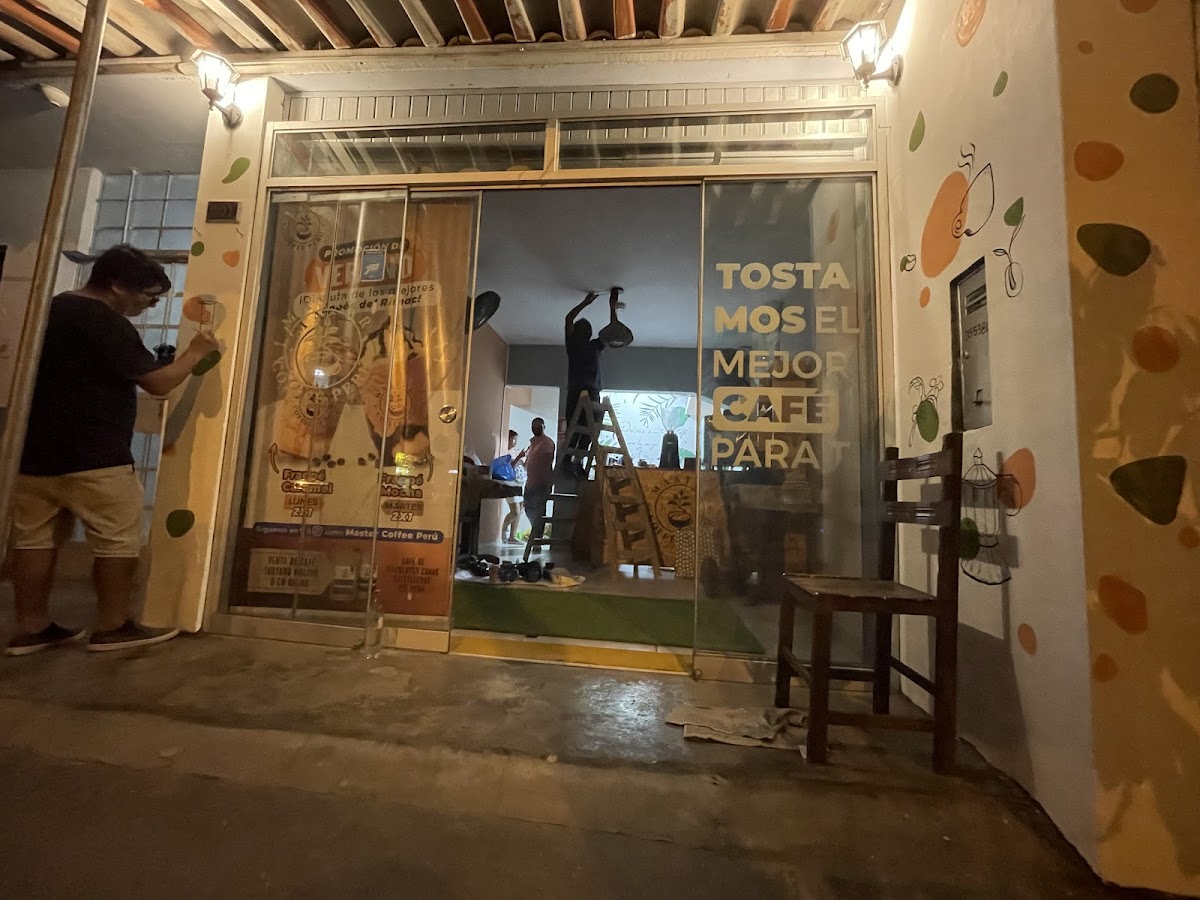
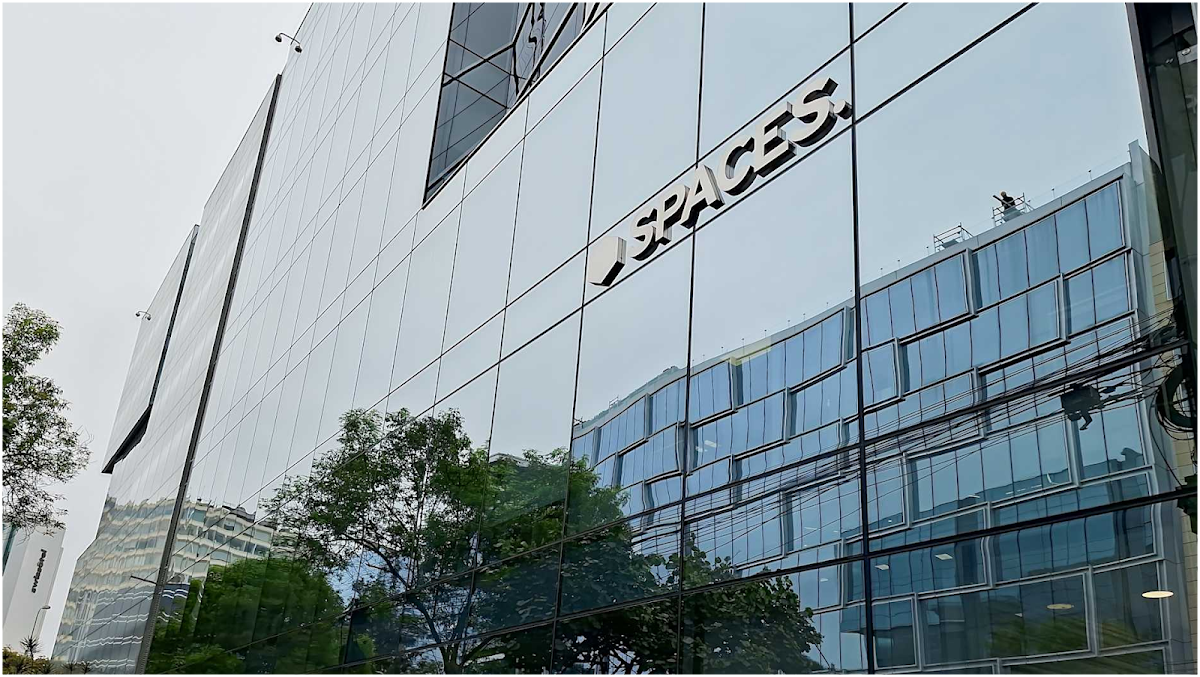
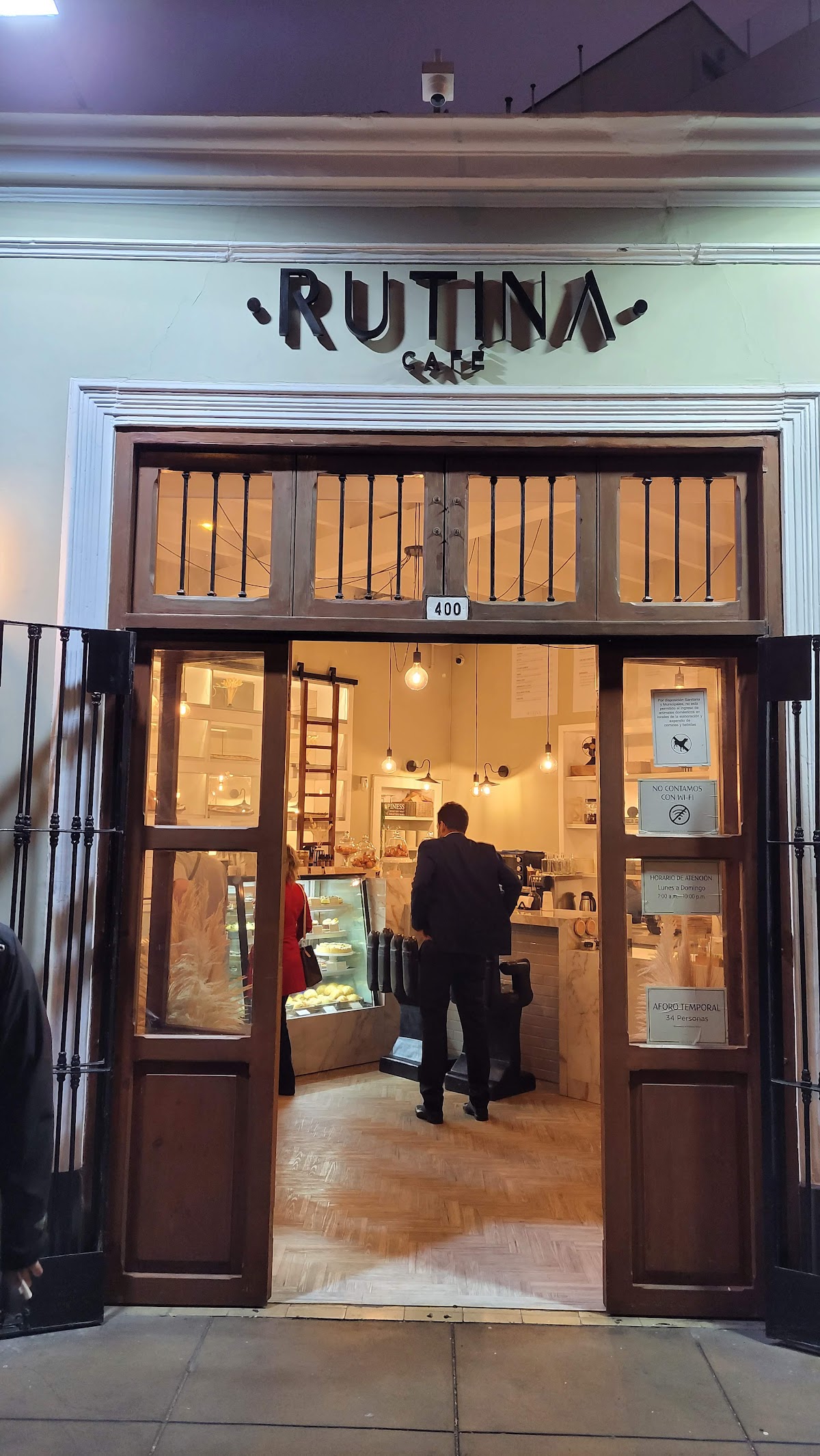
Planning a longer stay? Start with our Peru digital nomad visa guide. Nomads often compare Lima with Quito, Bogota and Medellín. Well-rated places to work include Seedspace Lima - Patio Panorama, Growyard Lima - Santo Toribio, Colmena Café and Lima Coworking.
Visa for Peru
Program: Digital Nomad / Remote Worker Visa (Visa de Trabajador Independiente / Calidades Migratorias)
Duration: 1 year, renewable. Can also use 183-day tourist visa and extend.
Income: No specific minimum income officially published for a dedicated digital nomad visa. General independent worker visa: must demonstrate sufficient income from abroad. Reports suggest approximately USD $1,500–$2,000/month is expected. Peru is evaluating a dedicated digital nomad visa.
Full Peru DNV guidePeru does not currently offer a specific digital nomad visa. Most nomads enter on the standard tourist visa allowing 90 days (extendable to 183 days total per year). For longer stays, options include the temporary residence visa for rentista (independent income) requiring proof of $1,000+ monthly income, or establishing a Peruvian business. Visa runs to neighboring countries are common. Check official Migraciones Peru website for current requirements and processing times as policies evolve.
Cost of Living in Lima
Cost data verified 9 days agoBest Neighborhoods for Nomads
Miraflores
The most popular district for expats and nomads with reliable infrastructure, ocean views, parks, cafes, and strong security presence.
Barranco
Lima's bohemian arts district with colonial architecture, street art, galleries, nightlife, and a younger creative crowd.
San Isidro
Lima's upscale business and residential hub with tree-lined streets, golf courses, high-end restaurants, and excellent safety.
Surquillo
A local neighborhood bordering Miraflores offering authentic Lima life, fantastic markets, and significantly lower costs.
San Miguel
A residential middle-class district near the airport with shopping centers, local restaurants, and good value for money.
Internet & Infrastructure
Coworking & cafés in Lima
17 verified workspaces · cross-checked against Google Places & reviewed manually · no paid placements

Things to Do in Lima
The clifftop boardwalk stretching from Miraflores to Barranco offers ocean views, paragliding, biking paths, and sunset spots perfect for breaks between work sessions.
A pre-Incan adobe pyramid right in Miraflores provides a surreal historical contrast and reminds you you're working from an ancient civilization's heartland.
Lima's culinary scene is a legitimate reason to be here—organized tours through markets and cevicherías offer cultural immersion and networking opportunities.
Accessible surf breaks in Miraflores provide morning exercise and a thriving beach community for nomads seeking active lifestyle balance.
The romantic Bridge of Sighs and surrounding colonial streets offer weekend exploration, Instagram content, and coworking cafe discoveries in Lima's most charming district.
Pros & Cons
Pros
- World-class dining scene with incredible ceviche, causa, and anticuchos at all price points
- Very affordable cost of living compared to other major South American capitals
- Growing coworking scene with reliable internet in main expat neighborhoods
- Perfect base for exploring Machu Picchu, Amazon, and Peruvian highlands on weekends
- Large city amenities including international airports, hospitals, and shopping without being overwhelming
- Mild temperatures year-round with no extreme heat or cold
- Welcoming local culture once you make the effort to speak Spanish
Cons
- Gray, sunless winter from June to October can affect mood and vitamin D levels
- Traffic congestion is severe and commutes can consume hours daily
- Safety concerns require vigilance, especially with phones and bags in public
- Limited English spoken outside tourist areas makes Spanish essential
- Air quality suffers from vehicle emissions and humidity
- Bureaucracy can be frustrating for banking, contracts, and official processes
Frequently Asked Questions
Sources
- Numbeo – Crime and safety in Lima
- Numbeo – Cost of living in Lima
- Lima Easy – Peruvian digital nomad visa
- Enomads – Peru visa guide
Verified: 7 October 2026