
Visa for Japan
Program: Designated Activities Visa — Digital Nomad (デジタルノマドビザ)
Duration: 6 months (single entry visa valid for 3 months from issue; must enter before entry validity expires; once in Japan, may stay 6 months). Non-renewable — must leave Japan and wait minimum 6 months before reapplying.
Income: Minimum JPY 10,000,000/year (~USD $65,000–$68,000/year at 2025 exchange rates). One of the highest income thresholds globally for a digital nomad visa. Health insurance coverage: minimum JPY 10,000,000 for medical treatment.
Full Japan DNV guideJapan does not currently offer a digital nomad visa. Most nomads use tourist visas (up to 90 days for many nationalities), requiring border runs to South Korea or Taiwan. The business manager visa requires establishing a Japanese company with 5 million yen capital. Some obtain student visas through language schools allowing part-time work. Check official Japanese immigration sources for current regulations as policies are evolving.
Cost of Living in Kyoto
Cost data verified May 2026Best Neighborhoods for Nomads
Kawaramachi
Central downtown district with shopping, restaurants, and easy access to coworking spaces and transit.
Gion
Historic geisha district with traditional wooden machiya houses and quintessential Kyoto atmosphere.
Arashiyama
Western district famous for bamboo groves and mountain views, offering nature access while staying connected.
Kitayama
Northern residential area near universities with modern apartments and a younger demographic.
Kyoto Station Area
Transportation hub with newer buildings, international hotels, and easiest access for frequent travelers.
Internet & Infrastructure
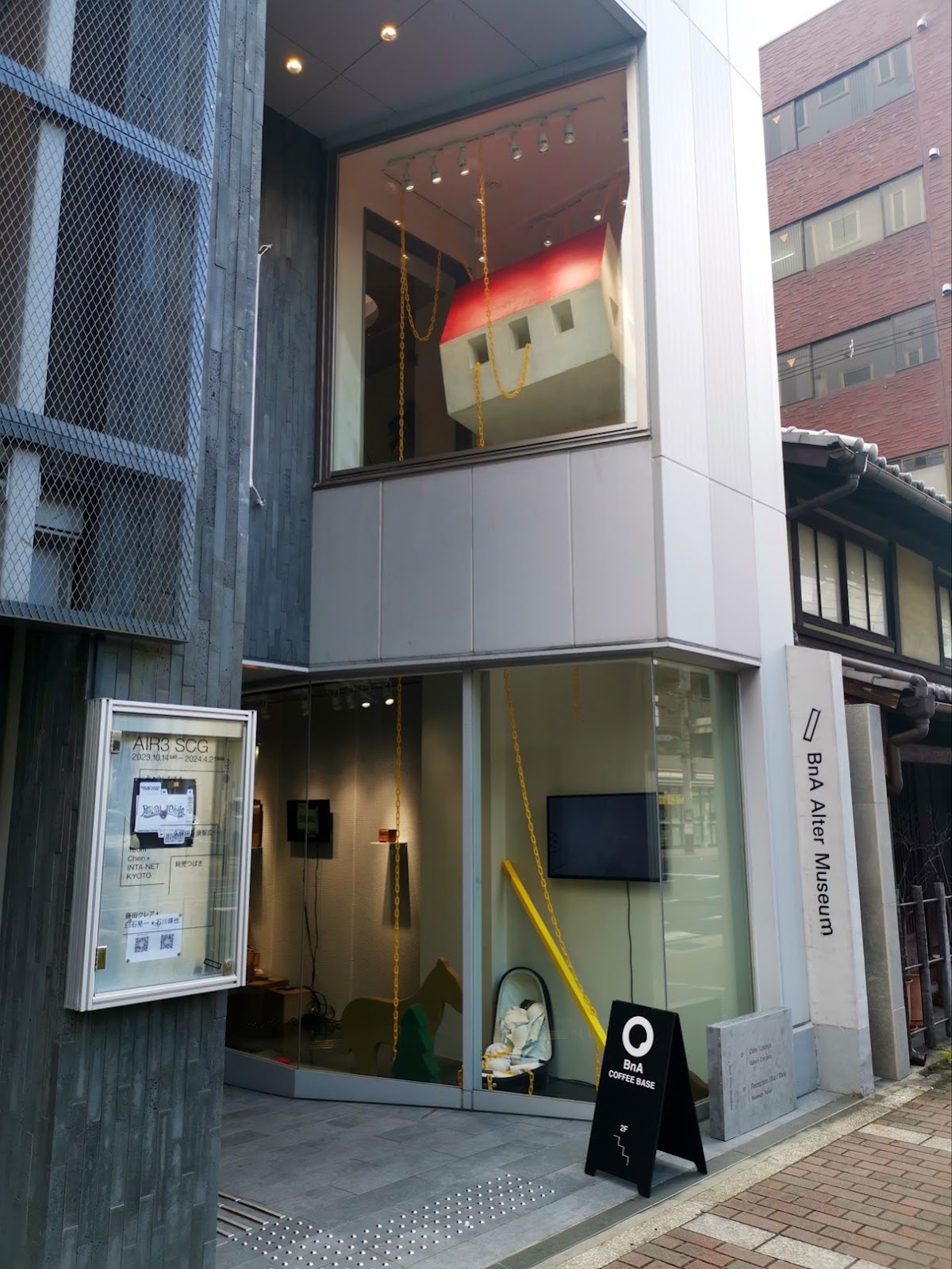
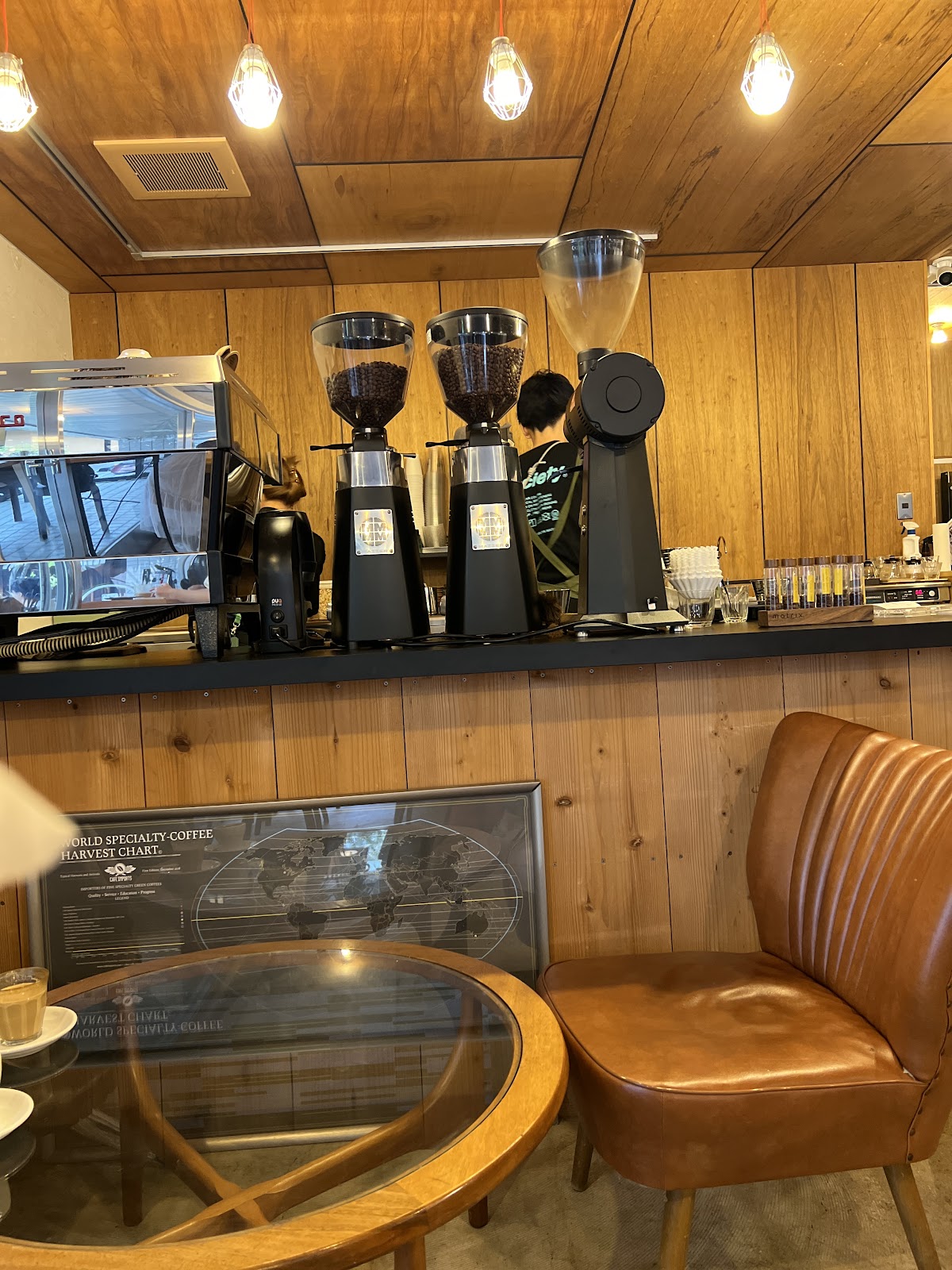
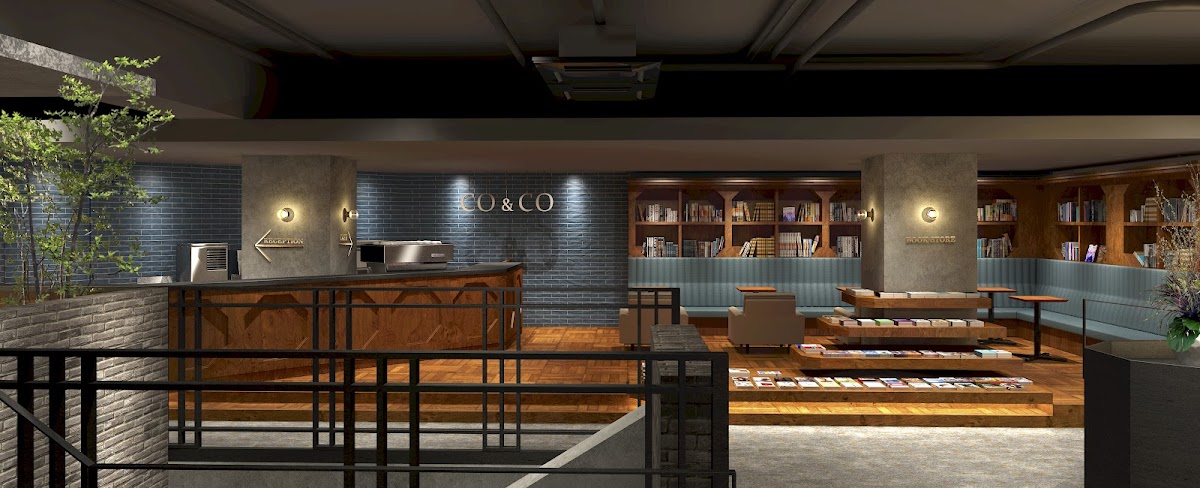
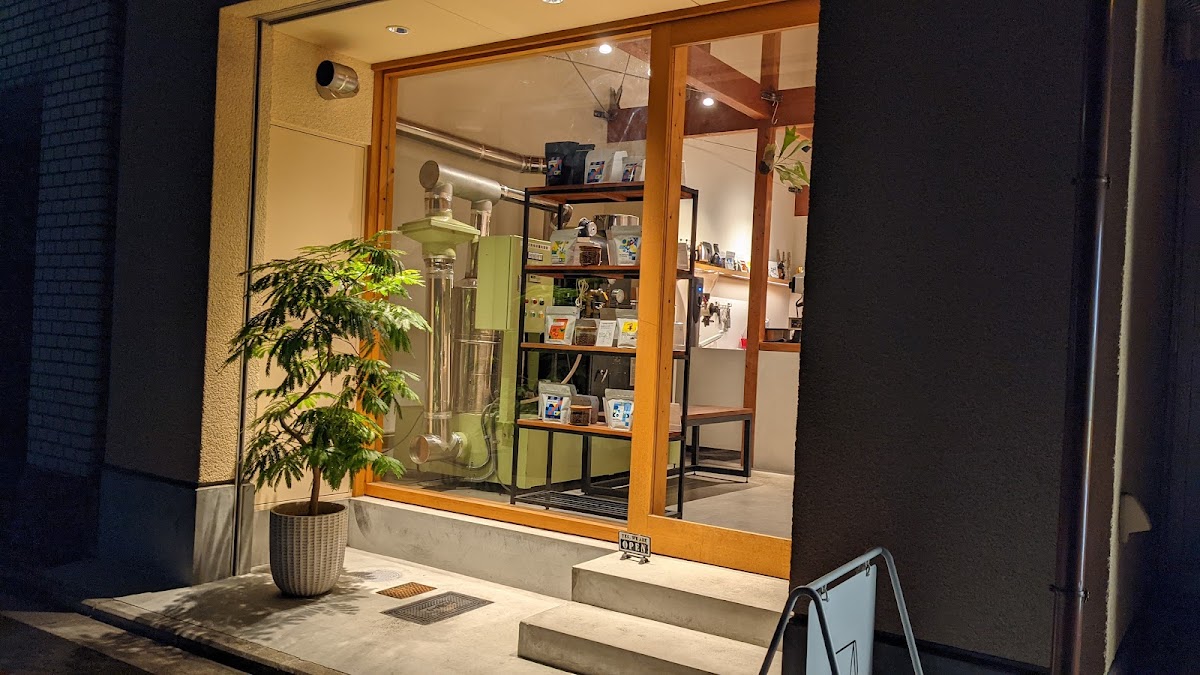
Coworking & cafés in Kyoto
8 verified workspaces · cross-checked against Google Places & reviewed manually · no paid placements
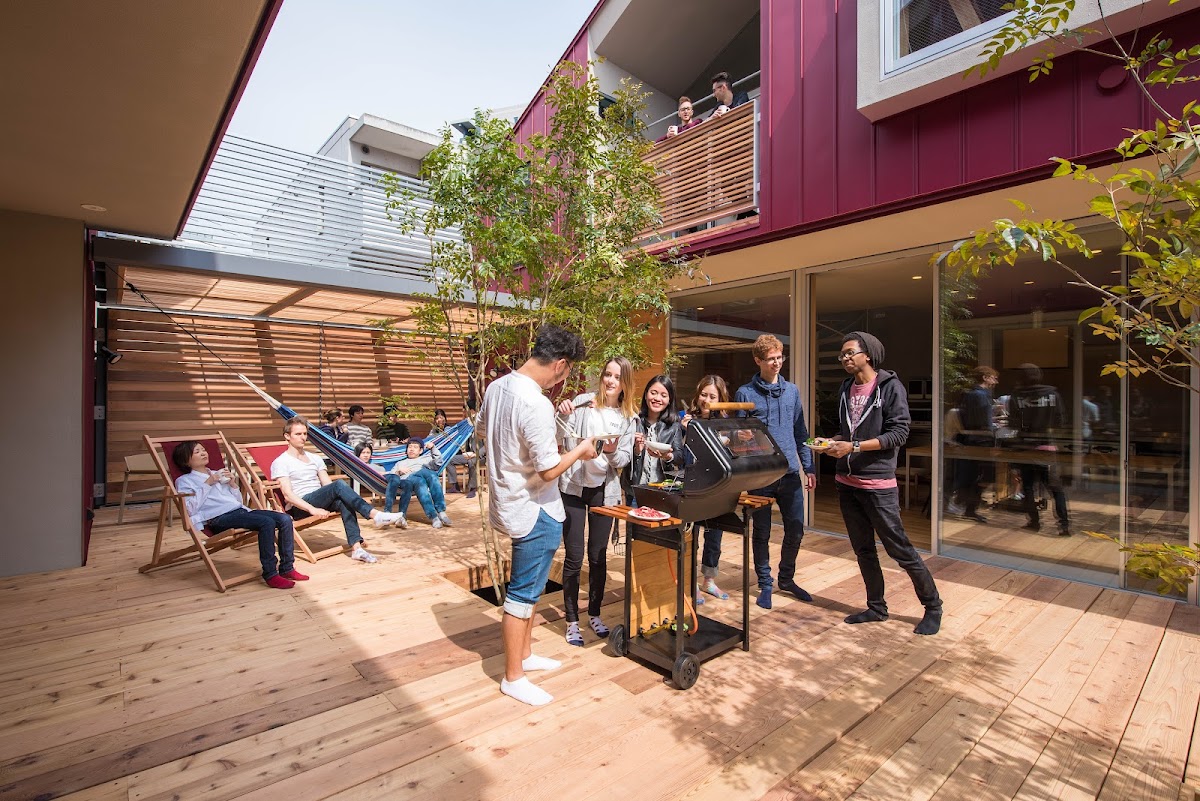
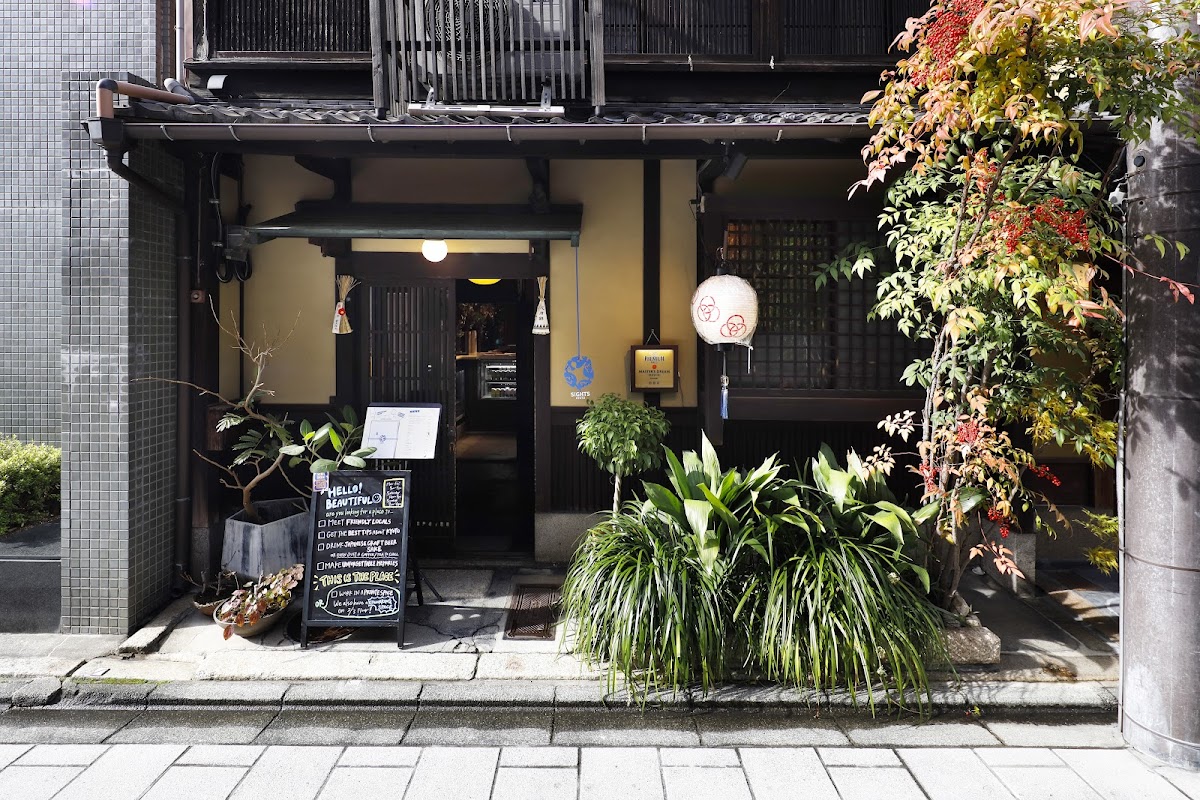
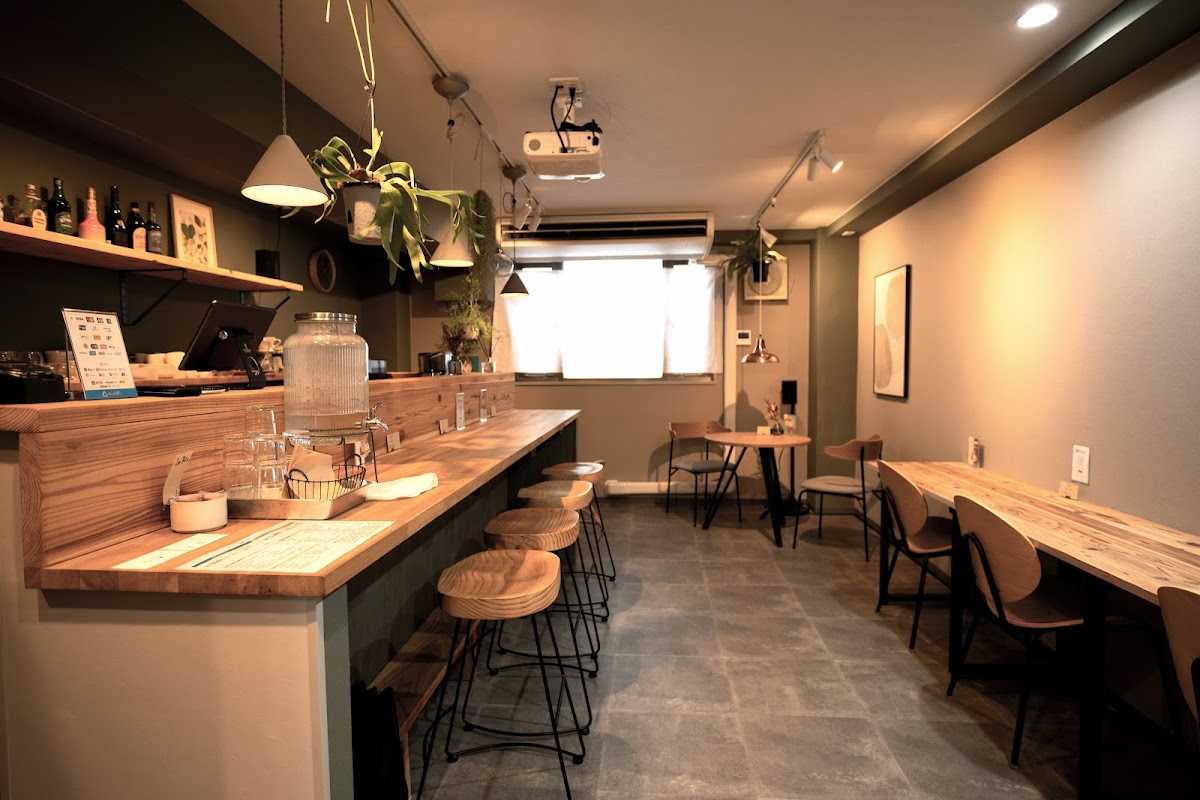
Things to Do in Kyoto
Cycle between Kinkaku-ji, Fushimi Inari, and hundreds of other temples for afternoon mental resets between work sessions.
Stone path along a cherry-tree-lined canal perfect for walking meetings or clearing your head after debugging.
Five-block covered food market offering fresh ingredients and street food for affordable lunch breaks between calls.
Public bathhouses and hot springs provide evening relaxation and insight into daily Japanese wellness culture.
Both cities are under an hour away by train, offering weekend variety without changing your accommodation base.
Pros & Cons
Pros
- Exceptionally fast and reliable internet (210 Mbps) with fiber widely available
- Outstanding public safety (82.5/100) allowing work from cafes without worry
- Efficient public transportation with buses and trains covering the entire city
- Rich cultural experiences and temples provide daily inspiration and mental wellness
- High-quality, affordable food scene from convenience stores to Michelin restaurants
- Four distinct seasons offering varied natural beauty throughout the year
- Compact city size makes cycling the ideal commute method
Cons
- Limited English proficiency makes bureaucracy, banking, and daily tasks challenging
- No digital nomad visa currently available in Japan requiring visa runs or other arrangements
- Smaller international community compared to Tokyo means fewer networking events
- Conservative business culture and early closing times (most places shut by 8-9 PM)
- Summer humidity (July-August) is oppressive without air conditioning
- High tourist crowds in popular areas especially during cherry blossom and autumn seasons