
Living and working in Krabi
Nomads choose Krabi for the lifestyle trade-off it offers: dramatic natural scenery—limestone karsts, turquoise bays, and accessible islands—paired with a lower cost of living and a slower pace than Thailand's bigger nomad hubs. It appeals to people who want rock climbing, kayaking, and beach time built into their everyday routine rather than reserved for occasional vacations, while still being able to get real work done.
Cost of living averages around $1,300 a month for a single person, and a one-bedroom apartment in the center runs about $750 a month, though both figures are creeping upward as the area develops. Street food and local restaurants keep daily costs low, while Western-style cafes and resorts in Ao Nang push prices closer to the regional average.
Among the best areas, Ao Nang is the bustling beachfront hub with the most amenities, restaurants, and convenience, at around $650 a month. Krabi Town offers the most authentic, affordable living with night markets and riverside cafes, at about $450. Ao Nam Mao is a quieter residential option popular with long-term expats, around $550. Klong Muang is an upscale, tranquil beach area with resorts and condos, at roughly $900. Nopparat Thara, between Ao Nang and Krabi Town, offers laid-back, family-friendly value at about $500.
Internet reliability averages around 55 Mbps, sufficient for most remote work including video calls, though coverage and speed can vary by specific location, so a mobile data backup is a sensible precaution for important meetings, especially outside Ao Nang.
Thailand's Destination Thailand Visa (DTV), introduced in 2024, is the main option built for remote workers and freelancers. It requires financial evidence of at least 500,000 THB (roughly $14,000–15,000) in bank savings plus proof of remote work, such as an employment contract or freelance portfolio, and grants a 5-year multiple-entry visa with each stay capped at 180 days, extendable once from within Thailand. Processing takes a few weeks via a Thai embassy. Shorter-term visitors can also use visa-exempt entry (commonly 30–60 days) with border runs, though rules change frequently.
On safety, the main risks in Krabi are petty theft, scooter accidents, and seasonal rip currents/storms (May–October).
Local tips: renting a scooter is the easiest way to get around but requires caution on Krabi's hillier, sometimes poorly lit roads. Southern Thai cuisine here is spicier and seafood-heavy compared to central Thailand—worth seeking out at local markets rather than only tourist restaurants. Coworking options are limited compared to Chiang Mai or Bangkok, so many nomads work from beachfront cafes in Ao Nang instead. The nomad community is smaller and more low-key, built around casual meetups rather than a formal scene, which suits those seeking a quieter pace over networking-heavy hubs.
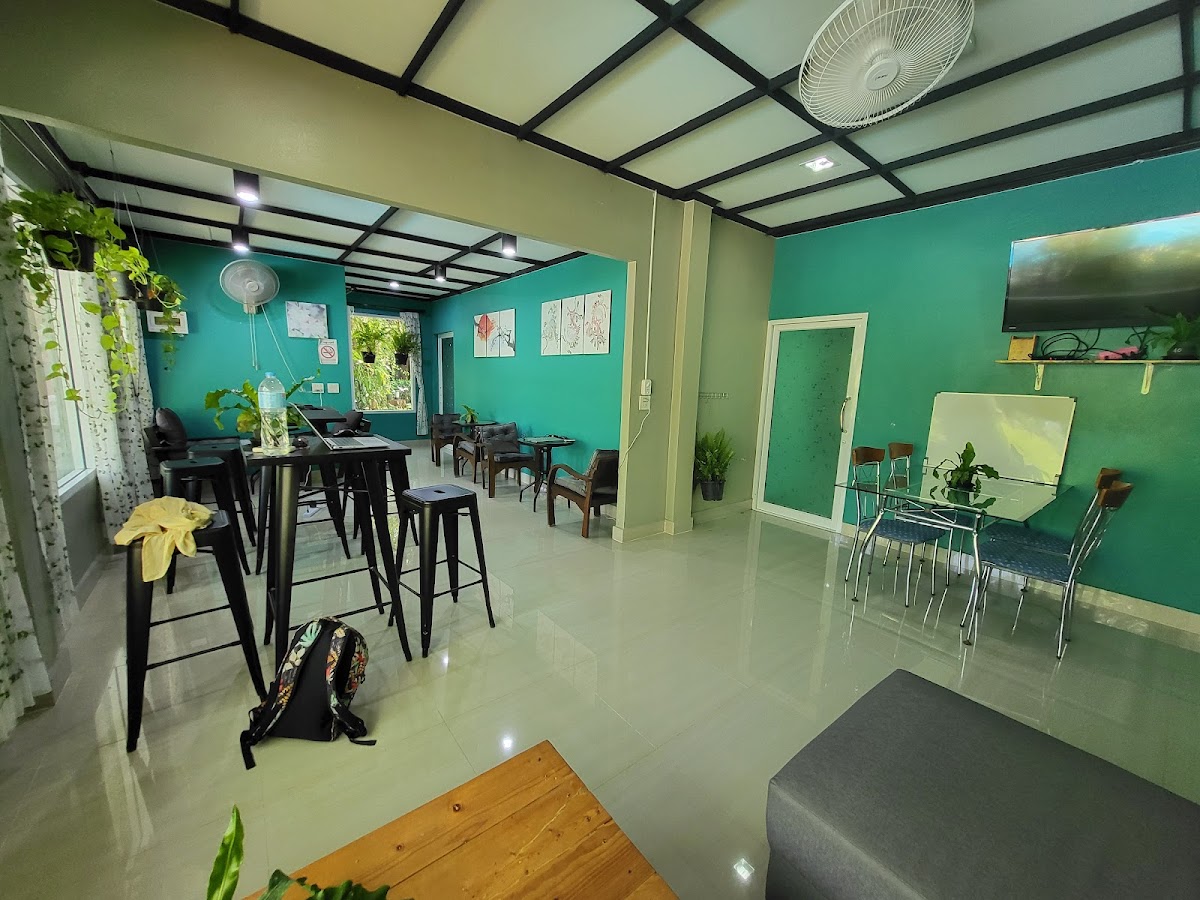
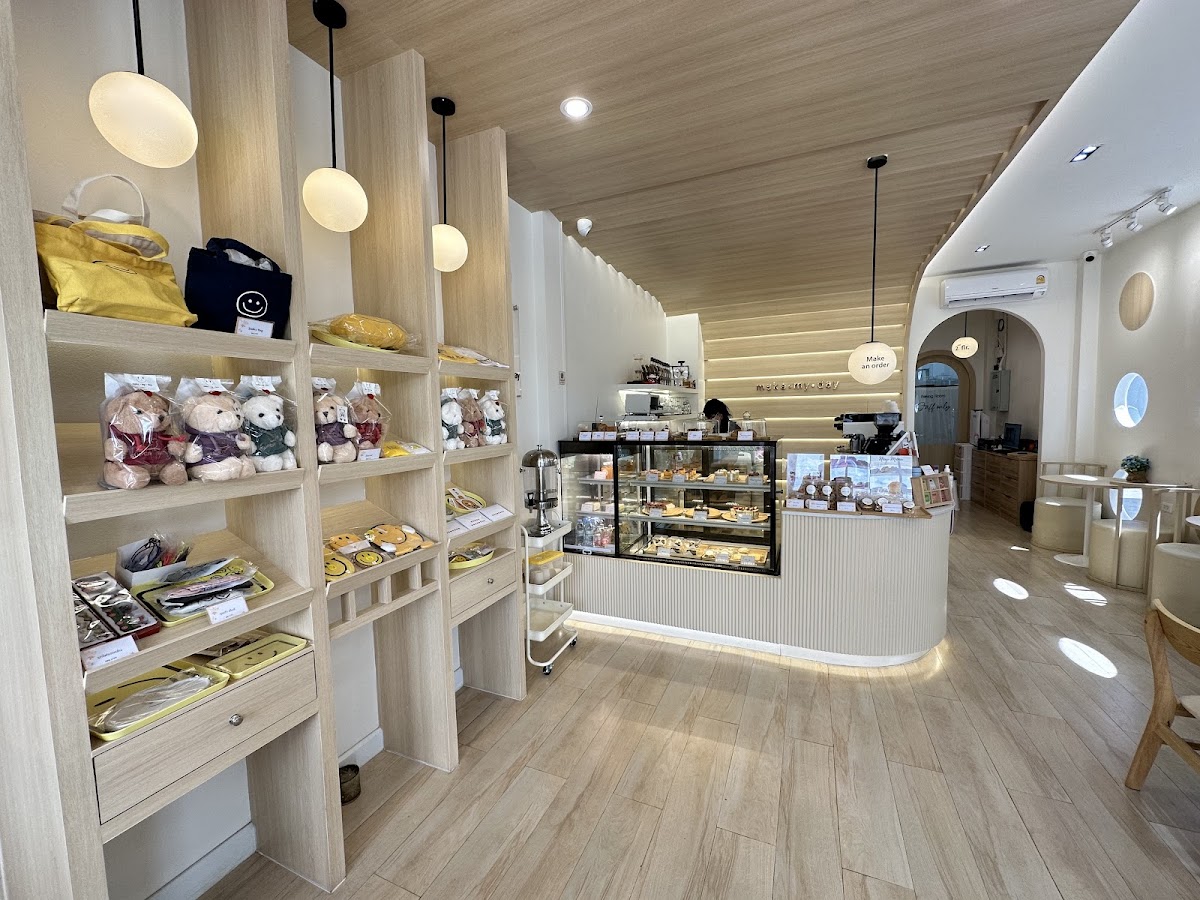
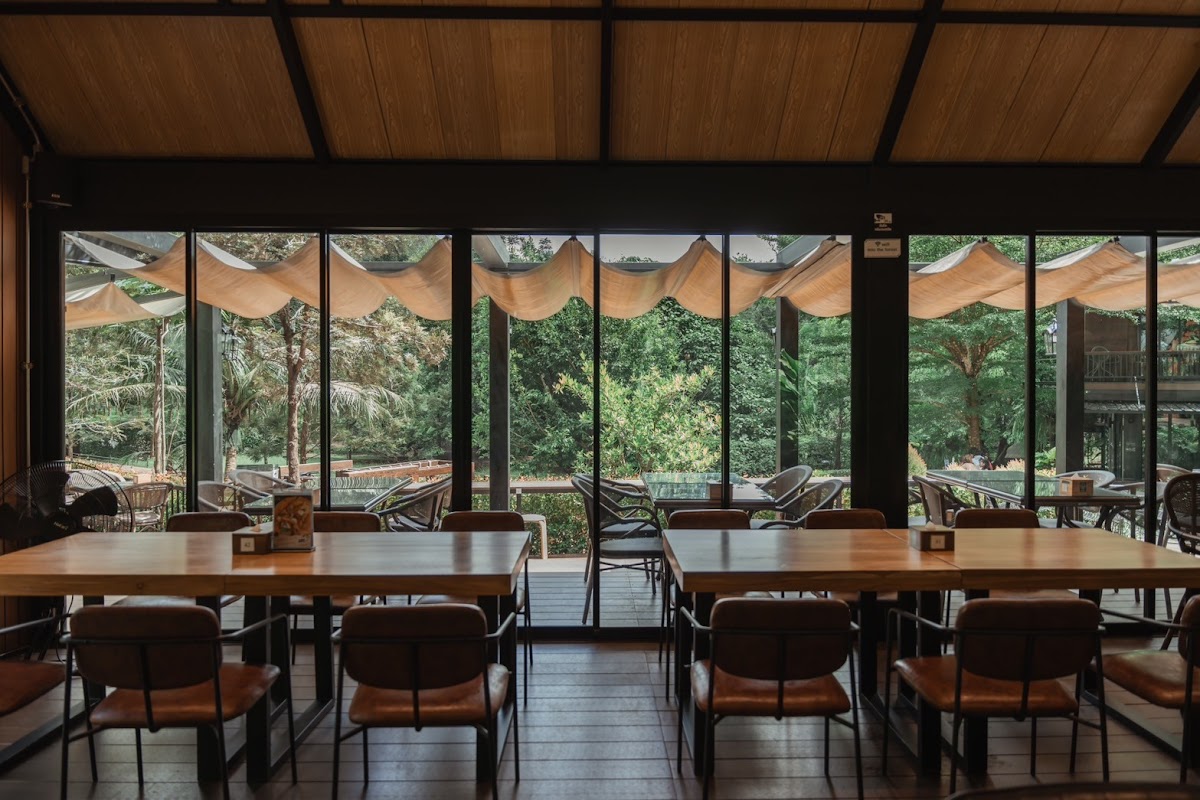
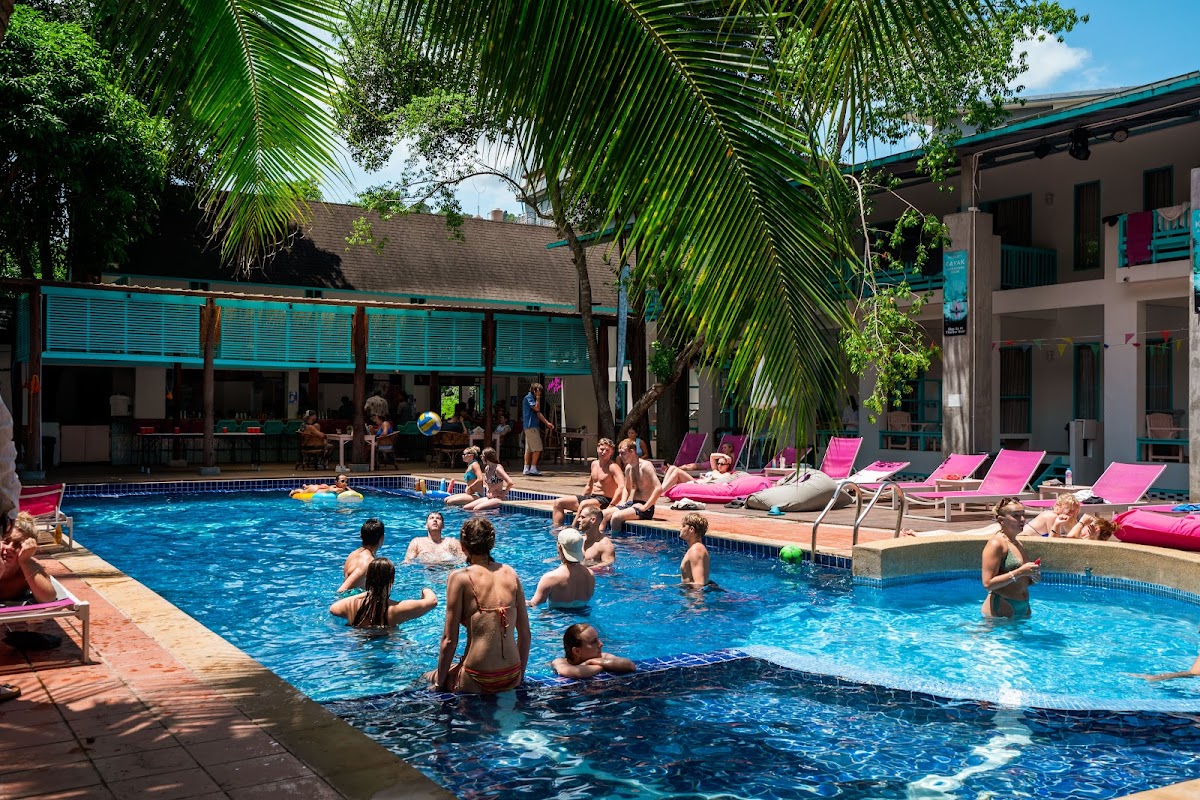
Planning a longer stay? Start with our Thailand digital nomad visa guide. Nomads often compare Krabi with Phuket, Bangkok and Chiang Mai. Well-rated places to work include KLW Coworking Coliving Workspace, YenlyYours Krabi Aonang, Pratthana Slow Bar and make my day cafe'.
Visa for Thailand
Program: Destination Thailand Visa (DTV) — Workcation Category
Duration: 5 years (multiple-entry). Each entry: up to 180 days. Extendable once per entry for additional 180 days (up to 360 days per visit). After leaving, can re-enter for another 180-day stay.
Income: No official minimum income. Must demonstrate financial stability: minimum THB 500,000 (~USD $14,000–$15,000) in savings/income for last 3 months before application. This is an application eligibility requirement — not required to maintain balance after approval.
Full Thailand DNV guideThailand offers several visa options for digital nomads: the new Destination Thailand Visa (DTV) launched in 2024 allows 180-day stays with 5-year validity, requiring $15,000 USD in bank savings and proof of remote employment. Processing takes 2-4 weeks through Thai embassies abroad. Alternatively, many nomads use visa-exempt 30-day stamps with border runs, or 60-day tourist visas extendable once for 30 days. Check official Thai immigration sources for current requirements as policies update frequently.
Cost of Living in Krabi
Cost data verified 9 days agoBest Neighborhoods for Nomads
Ao Nang
The main tourist beach strip with the most amenities, restaurants, and convenience for digital nomads.
Krabi Town
Authentic local area with night markets, riverside cafes, and the most affordable living away from beaches.
Ao Nam Mao
Quiet residential area popular with long-term expats, offering peace while staying close to town.
Klong Muang
Upscale beach area with luxury resorts and condos, quieter than Ao Nang with pristine stretches of sand.
Nopparat Thara
Family-friendly beach between Ao Nang and Krabi Town with good value accommodation and local atmosphere.
Internet & Infrastructure
Coworking & cafés in Krabi
16 verified workspaces · cross-checked against Google Places & reviewed manually · no paid placements




Things to Do in Krabi
World-class limestone climbing accessible by longtail boat, perfect for afternoon breaks between work sessions.
Weekend trips to Phi Phi Islands, Hong Islands, or Four Islands offer stunning escapes without long travel commitments.
Authentic street food, local crafts, and cultural immersion every Friday-Sunday evening along the riverside walking street.
1,237-step morning workout to a summit temple providing panoramic views and monk encounters before workday starts.
Peaceful half-day eco-tour through limestone canyons and mangrove forests for nature-loving nomads seeking active relaxation.
Pros & Cons
Pros
- Stunning natural scenery with beaches, cliffs, and islands accessible within 30 minutes
- Affordable cost of living at $1300/month including comfortable accommodation
- Growing digital nomad community with cafes offering reliable WiFi
- Excellent Thai and international food options at reasonable prices
- Safe environment with low crime rates and welcoming locals
- Year-round warm weather perfect for outdoor activities
- Easy access to outdoor adventures like climbing, diving, and kayaking between work sessions
Cons
- Limited coworking spaces compared to Chiang Mai or Bangkok
- Internet can be unreliable during storms, especially in rainy season May-October
- Fewer networking events and professional meetups for remote workers
- Most beaches get crowded during high season November-March
- Limited public transportation requiring scooter rental for mobility
- English proficiency lower outside tourist areas making daily tasks challenging
Frequently Asked Questions
Sources
- Numbeo – Crime and safety in Krabi
- Numbeo – Cost of living in Krabi
- Thai Ministry of Foreign Affairs – Destination Thailand Visa checklist
- Thailand.go.th – Destination Thailand Visa (DTV)
- Enomads – Thailand visa guide
Verified: 7 October 2026