
Visa for Turkey
Program: Türkiye Digital Nomad Visa (Dijital Göçebe Vizesi)
Duration: 1 year via initial visa. Extendable via Short-Term Residence Permit (ikamet) for up to 2 years total. Must apply for residence permit within 30 days of arrival.
Income: Minimum USD $3,000/month or USD $36,000/year from foreign employers, clients, or businesses based outside Turkey. Cannot work for Turkish companies or clients.
Full Turkey DNV guideTurkey offers a short-term residence permit that many digital nomads use, requiring proof of $500/month income or $6,000 in your bank account, health insurance, and rental documentation. Processing takes 4-8 weeks and you must apply from outside Turkey or within your first entry. The permit allows stays up to 2 years with renewals possible. Turkey doesn't have a dedicated digital nomad visa yet, so most nomads enter on tourist e-visas (valid 90 days per 180-day period for most nationalities) or obtain the standard residence permit if planning longer stays.
Cost of Living in Istanbul
Cost data verified May 2026Best Neighborhoods for Nomads
Kadıköy
Asian-side hub with progressive vibes, packed with cafes, bars, restaurants, and the city's best alternative culture scene.
Beşiktaş
European-side waterfront neighborhood popular with students and young professionals, offering Bosphorus views and excellent transport links.
Cihangir
Charming hillside enclave near Taksim with artistic residents, vintage shops, intimate cafes, and a distinctly European feel.
Karaköy
Converted warehouse district turned creative quarter with galleries, design studios, rooftop bars, and the ferry terminal at your doorstep.
Moda
Relaxed seaside neighborhood in Kadıköy with tree-lined streets, weekend promenades, and a slower pace than central districts.
Internet & Infrastructure
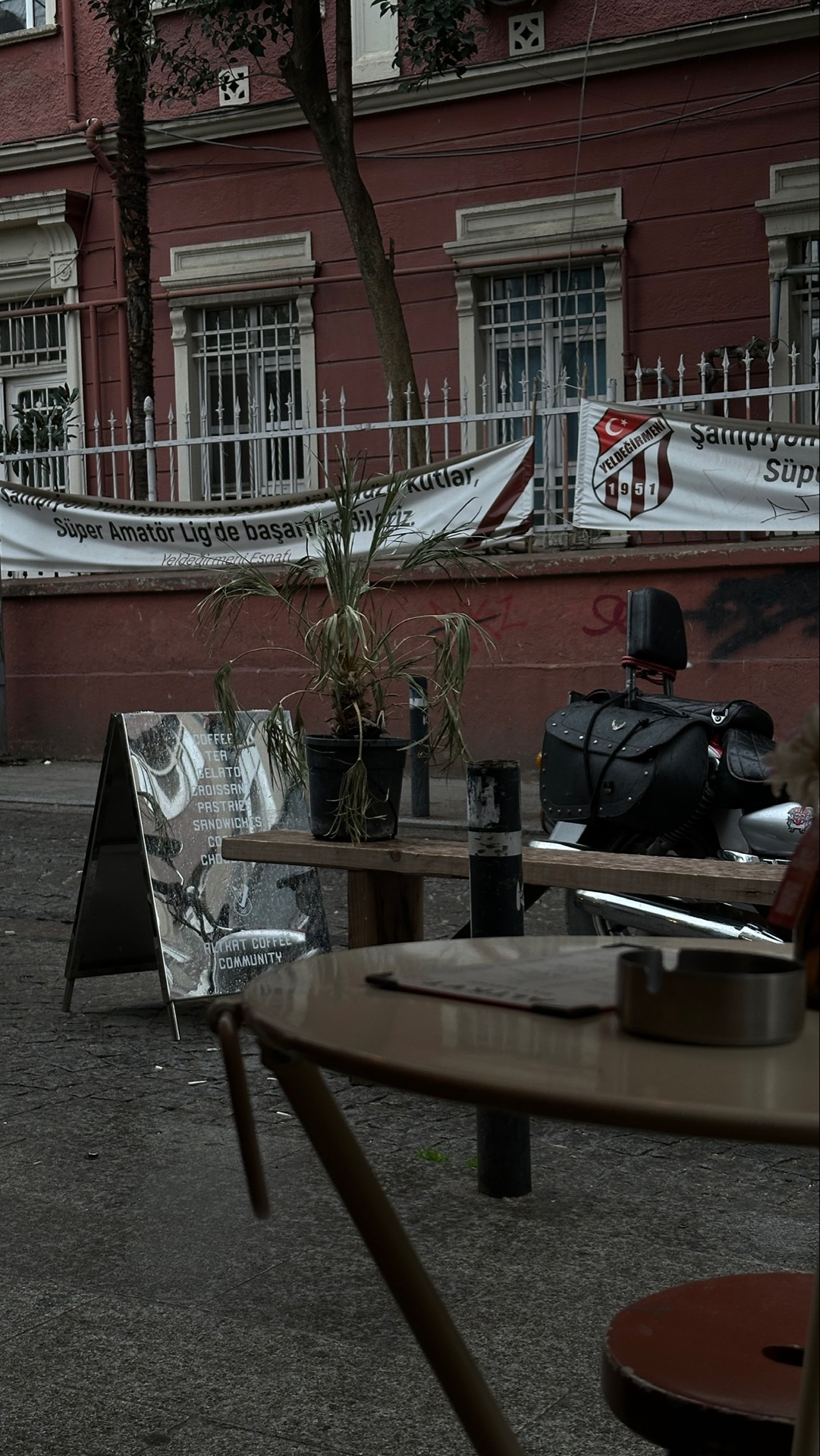
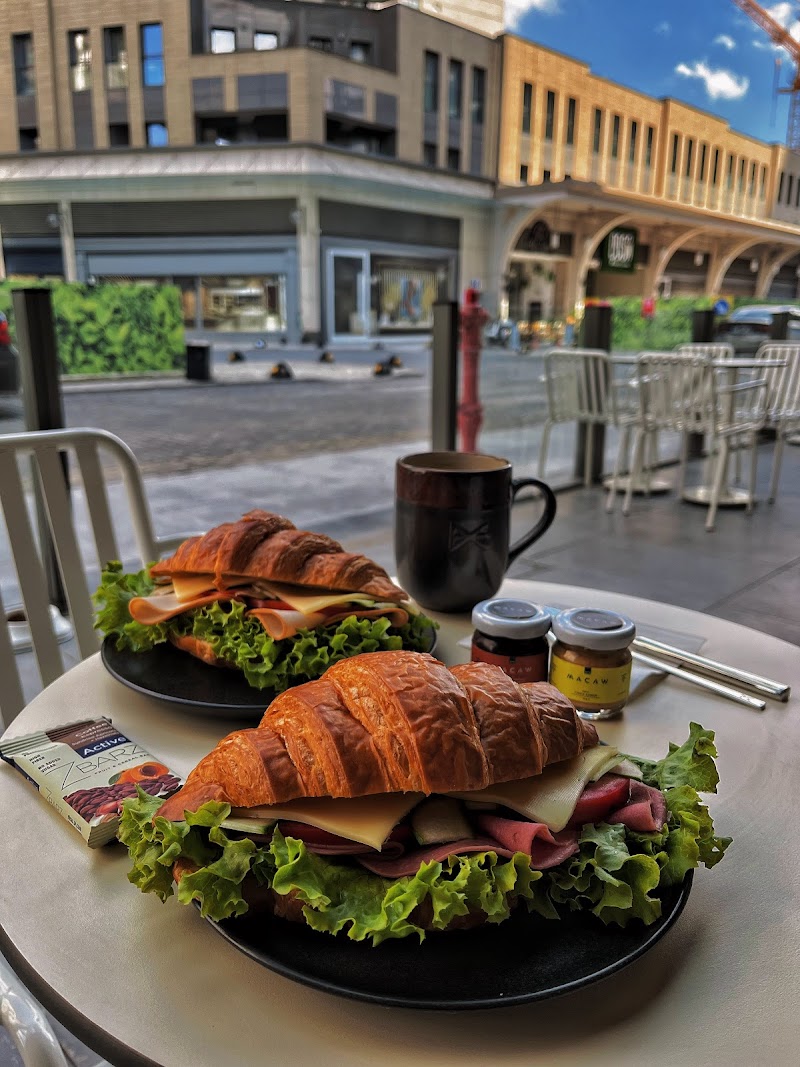
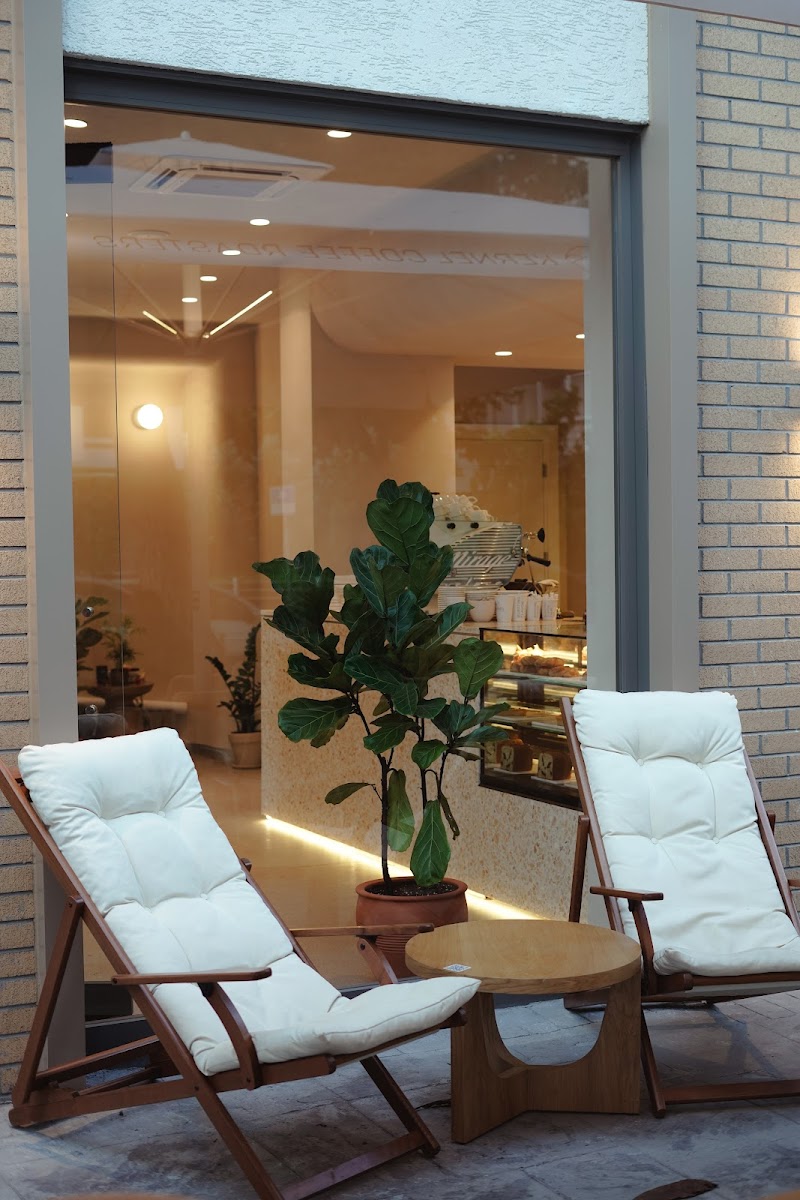
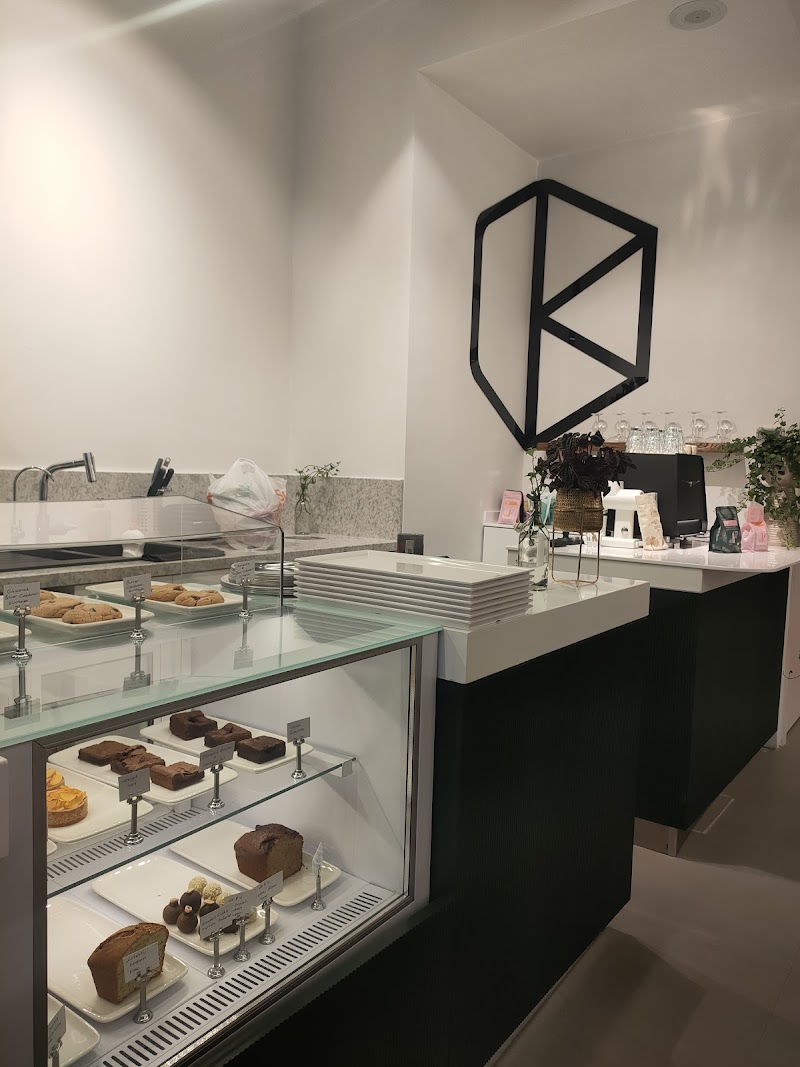
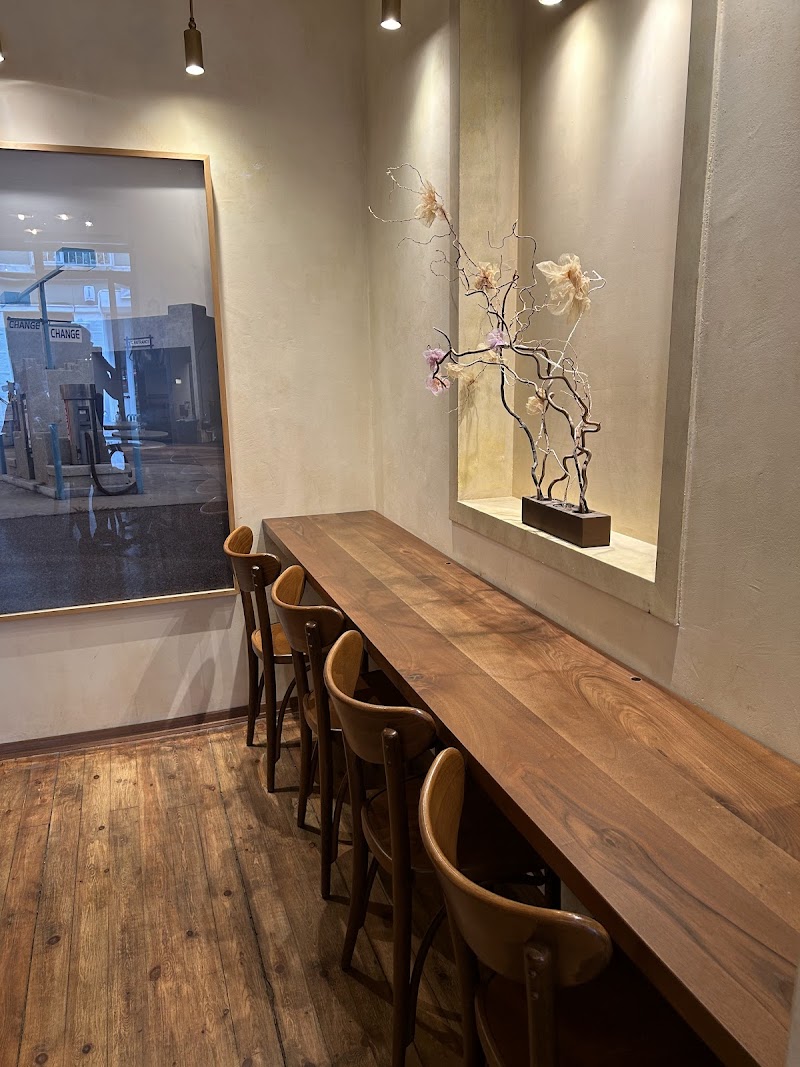
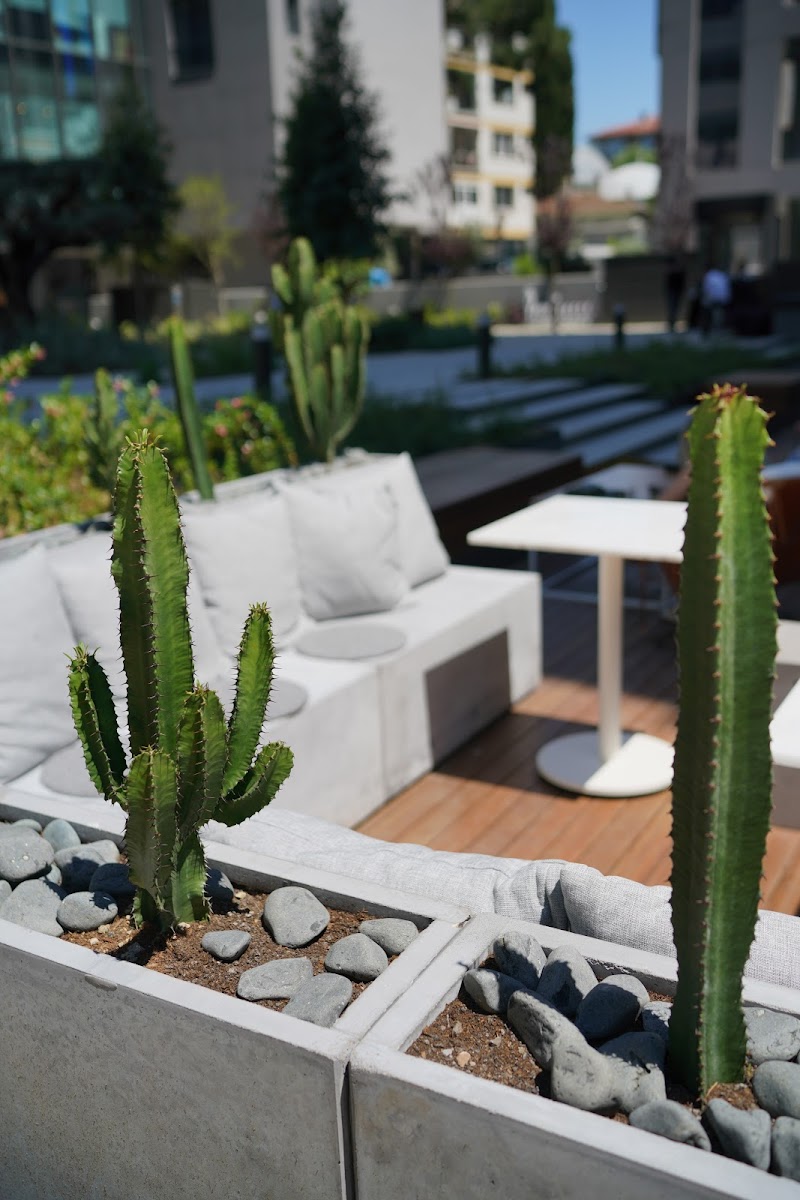
Coworking & cafés in Istanbul
8 verified workspaces · cross-checked against Google Places & reviewed manually · no paid placements


Things to Do in Istanbul
Daily commutes become mini-cruises between continents, offering mental breaks and stunning views for just a couple of lira.
End productive days at centuries-old Turkish baths like Kılıç Ali Paşa or Çemberlitaş for the ultimate stress relief ritual.
One of the world's oldest covered markets provides endless wandering, negotiation practice, and material for your Instagram.
Weekly meetups in Kadıköy and Beyoğlu help crack the language barrier while making local friends outside the nomad bubble.
Car-free islands 90 minutes by ferry offer nature, Ottoman mansions, and peaceful workation spots when the city overwhelms.
Pros & Cons
Pros
- Extremely affordable cost of living at $1200/month including rent, food, and entertainment
- World-class food scene from $2 street kebabs to Michelin-starred restaurants
- Strategic location for travel to Europe, Asia, and Middle East with direct flights everywhere
- Vibrant cafe culture with workspaces open late and unlimited Turkish tea
- Established nomad community with regular meetups and networking events
- Rich cultural experiences and 2,500 years of visible history to explore
- Excellent public transport including metro, trams, ferries, and buses with integrated payment
Cons
- Moderate safety index at 55.5 with petty theft and scams targeting tourists in major areas
- Heavy traffic congestion can make cross-city journeys frustratingly slow
- Bureaucracy and service quality can be inconsistent and require patience
- Turkish lira volatility creates unpredictable inflation affecting long-term budgeting
- English proficiency limited outside central tourist zones and younger demographics
- Air quality issues during winter months and earthquake risk as geological reality