
Visa for Germany
Program: Freelance Visa (Freiberufler Aufenthaltserlaubnis — Self-Employment Residence Permit, §21 AufenthG)
Duration: Entry visa: 3 months (allows entry to Germany to then apply for residence permit). Residence permit (Aufenthaltserlaubnis): 2–3 years initially, renewable. After 3–5 years of stable freelance activity: can apply for permanent settlement permit (Niederlassungserlaubnis).
Income: No officially fixed minimum income. Applicants must demonstrate sufficient projected income to be financially self-sufficient. Guideline: approximately €9,000–€12,000/year minimum (varies by city and assessor). Berlin Ausländerbehörde formula: gross income must exceed rent + health insurance + €563/month minimum. Strong client contracts and projected income forecasts are essential.
Full Germany DNV guideGermany offers a Freelance Visa (Freiberufler) for self-employed professionals, requiring proof of clients, qualifications, and approximately €9,000+ in savings, processed in 4-8 weeks through local Ausländerbehörde. The new Chancenkarte (Opportunity Card) launched in 2024 allows job-seeking stays. Germany doesn't have a specific digital nomad visa, so most remote workers use the standard tourist Schengen visa (90 days in 180) or obtain freelance residence permits. Processing requires in-person appointments and extensive documentation including health insurance, which must be arranged before arrival.
Cost of Living in Hamburg
Cost data verified May 2026Best Neighborhoods for Nomads
Sternschanze
Hip, alternative district filled with street art, independent cafes, and a thriving creative community perfect for young nomads.
Eimsbüttel
Residential favorite among locals with excellent infrastructure, quiet streets, parks, and authentic neighborhood cafes.
St. Pauli
Edgy waterfront area home to the famous Reeperbahn nightlife strip and a diverse, colorful community.
HafenCity
Modern waterfront development with contemporary architecture, upscale dining, and the stunning Elbphilharmonie concert hall.
Winterhude
Charming neighborhood along canals with beautiful Stadtpark, boutique shops, and a more relaxed, upscale atmosphere.
Internet & Infrastructure
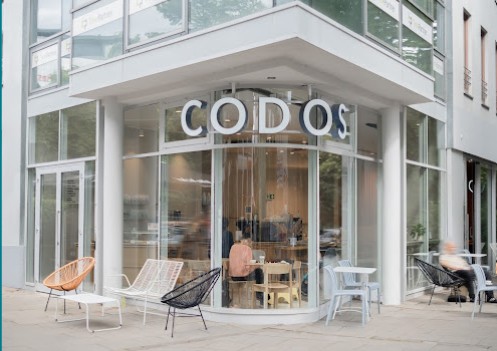
Coworking & cafés in Hamburg
8 verified workspaces · cross-checked against Google Places & reviewed manually · no paid placements


Things to Do in Hamburg
Experience Hamburg's legendary 5am fish market tradition with fresh seafood, live music, and authentic local atmosphere.
Explore the world's largest warehouse district, a UNESCO site with red-brick architecture, museums, and scenic canal walks.
Visit the striking concert hall's free public plaza for panoramic city views and world-class acoustic performances.
Join locals cycling or walking the 7km loop around the beautiful inner-city lakes, perfect for exercise and networking.
Experience Europe's most famous entertainment district with legendary clubs, live music venues, and late-night culture.
Pros & Cons
Pros
- Excellent public transportation with integrated bike lanes throughout the city
- Strong English proficiency in business and coworking environments
- Vibrant creative and startup scene with regular networking events
- High safety standards and reliable infrastructure for uninterrupted work
- Rich cultural offerings including world-class museums, theaters, and concerts
- Easy weekend access to Baltic beaches, Copenhagen, and Berlin
- Strong work-life balance culture with respect for personal time
Cons
- Gray, rainy weather dominates 8-9 months of the year with limited sunlight in winter
- High cost of living at $2200/month makes long-term stays expensive
- German bureaucracy is notoriously complex and paper-heavy for registrations
- Reserved local culture can make forming deep friendships challenging initially
- Limited late-night food options outside tourist areas compared to southern Europe
- Apartment hunting is extremely competitive with strict landlord requirements and credit checks