
Visa for India
Program: No dedicated digital nomad visa. e-Tourist Visa (eTV) for short stays. Business Visa for longer engagement.
Duration: Tourist e-Visa: 30 or 90 days (varies by nationality). Multiple-entry options available. Maximum consecutive stay: 90 days per visit. Maximum total stay: 180 days per year on tourist visa.
Income: No minimum income for tourist e-Visa. Business visa requires proof of business activity. No dedicated remote work or digital nomad framework exists.
Full India DNV guideIndia offers e-Tourist Visas (typically 30-90 days) with options for multiple entries, costing around $80-100 for most nationalities with 4-7 day processing. There is no official digital nomad visa, so most nomads use tourist visas and do visa runs to neighboring countries like Sri Lanka or Thailand every few months. Some pursue business visas or employment visas if working with Indian entities. Check official Indian immigration sources as requirements change frequently and vary significantly by nationality.
Cost of Living in Goa
Cost data verified May 2026Best Neighborhoods for Nomads
Anjuna
The epicenter of Goa's digital nomad scene with the highest concentration of coworking spaces, cafes, and weekly flea markets creating constant networking opportunities.
Vagator
Slightly more upscale than Anjuna with dramatic clifftop views, quality restaurants, and a good balance between social scene and productive work environment.
Arambol
The bohemian northern beach attracting long-term travelers, yoga enthusiasts, and nomads seeking a more alternative, less commercial atmosphere.
Panjim (Panaji)
The capital city offering Portuguese architecture, reliable infrastructure, proper restaurants, and escape from beach party culture while maintaining coastal proximity.
Palolem
South Goa's nomad-friendly beach town with a mellower pace, stunning crescent bay, and growing remote work infrastructure minus the North's intensity.
Internet & Infrastructure
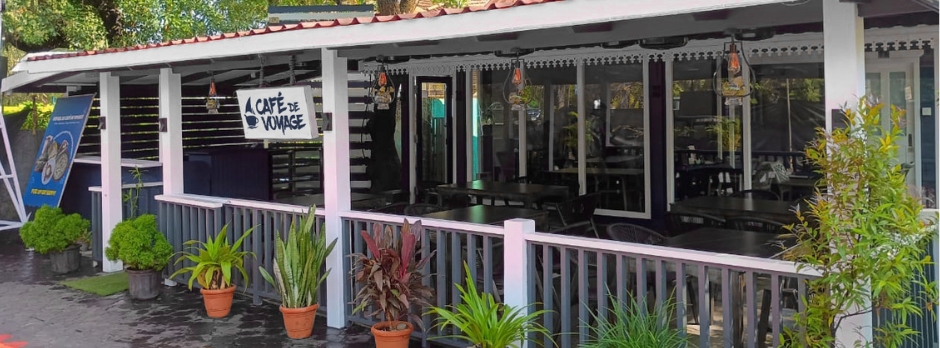
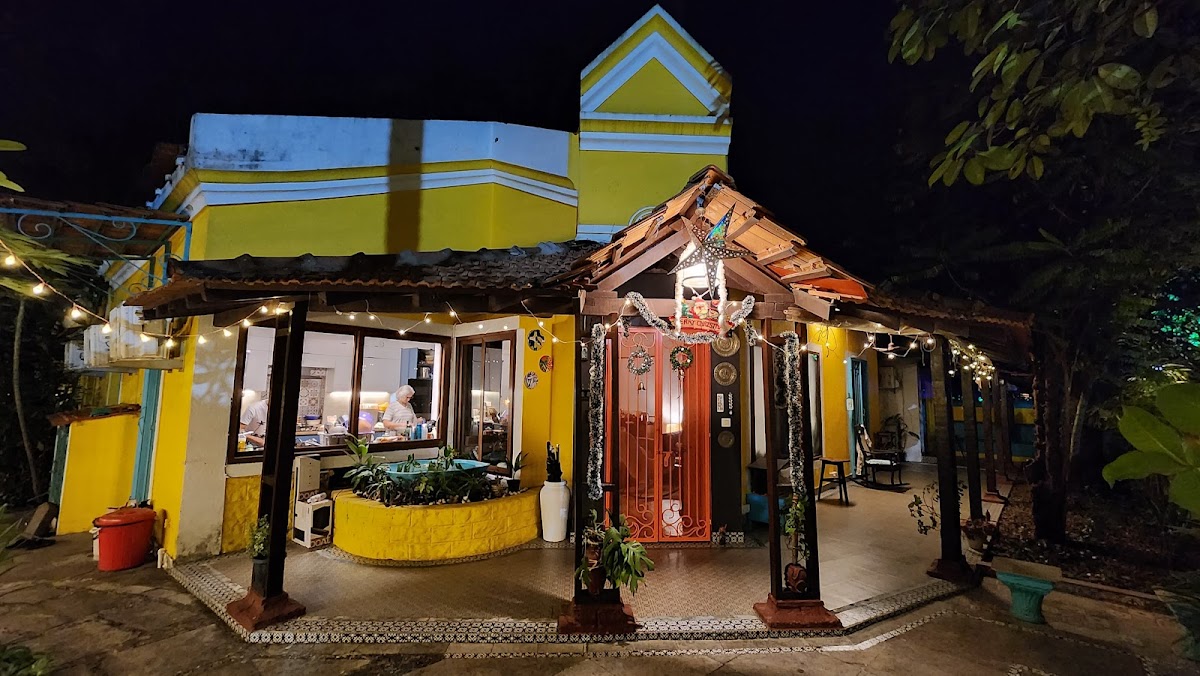
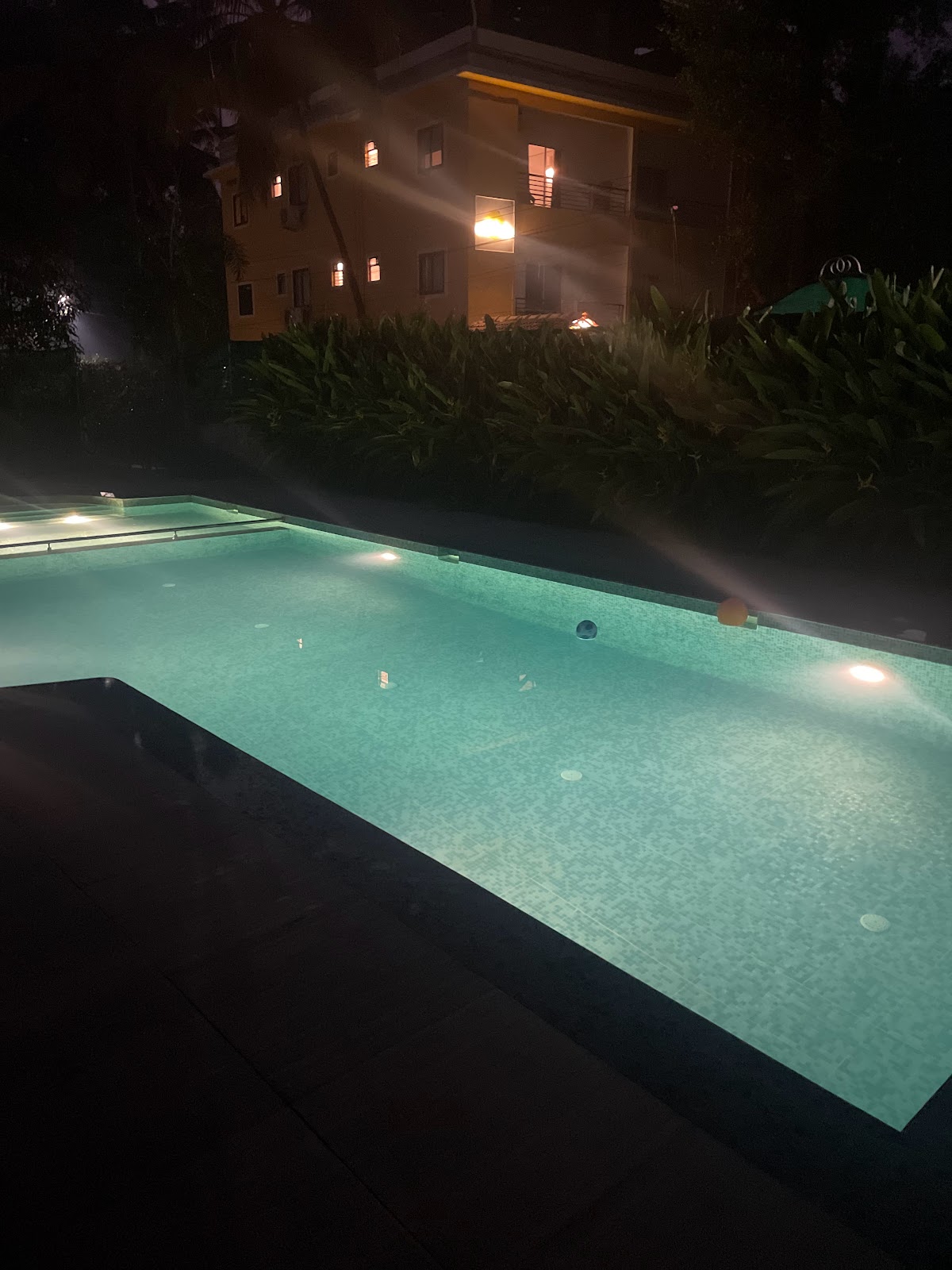
Coworking & cafés in Goa
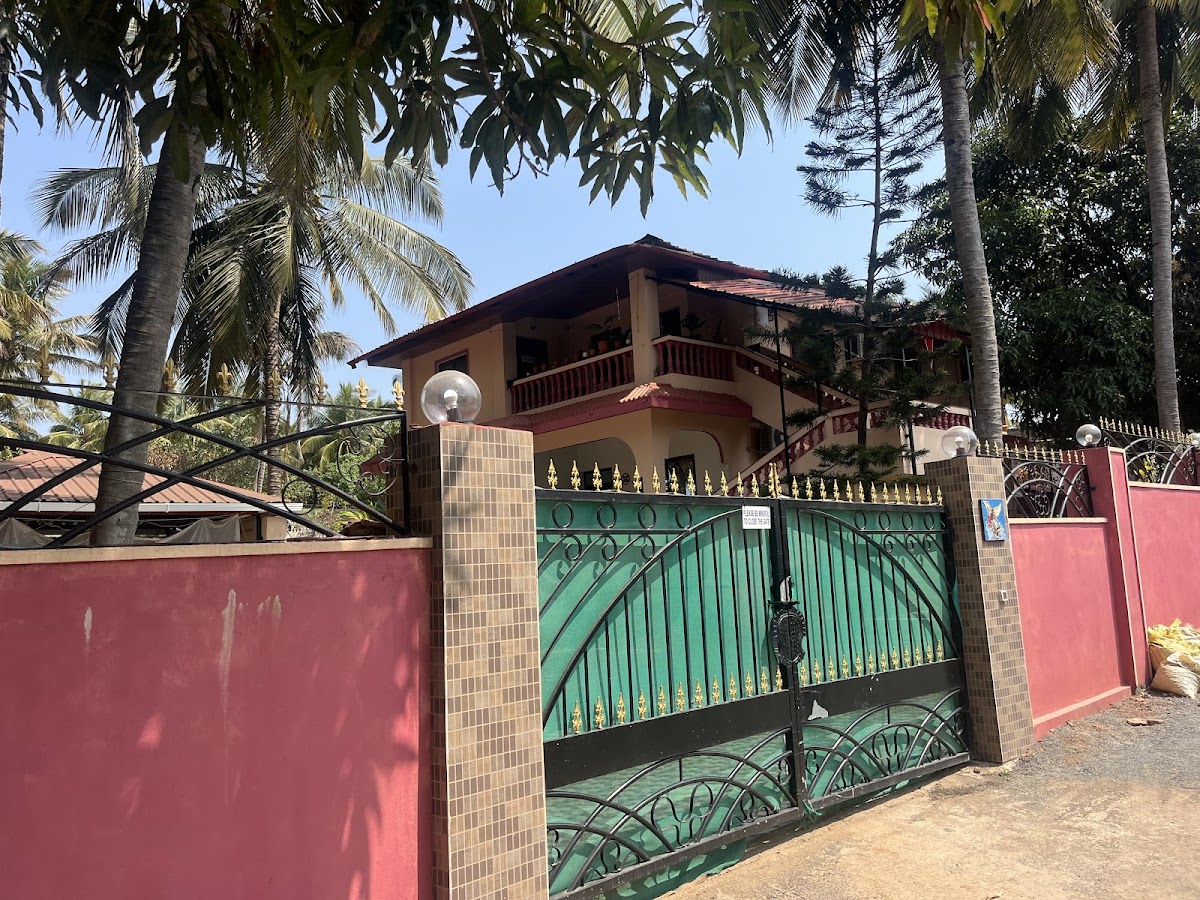
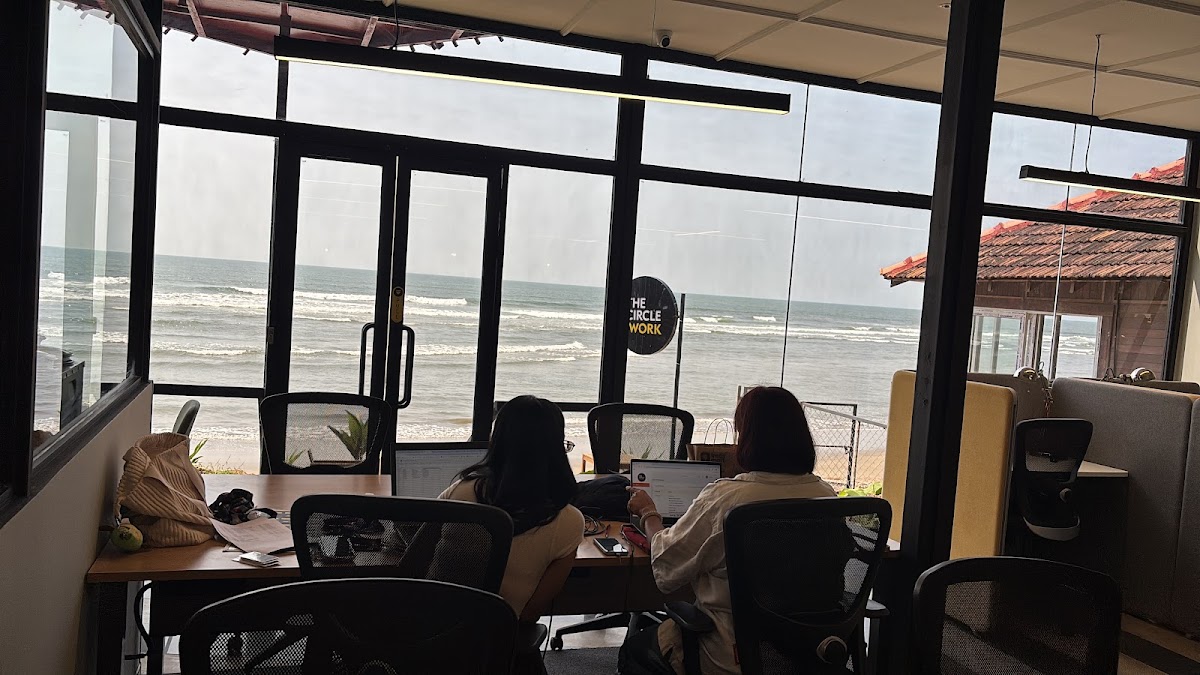
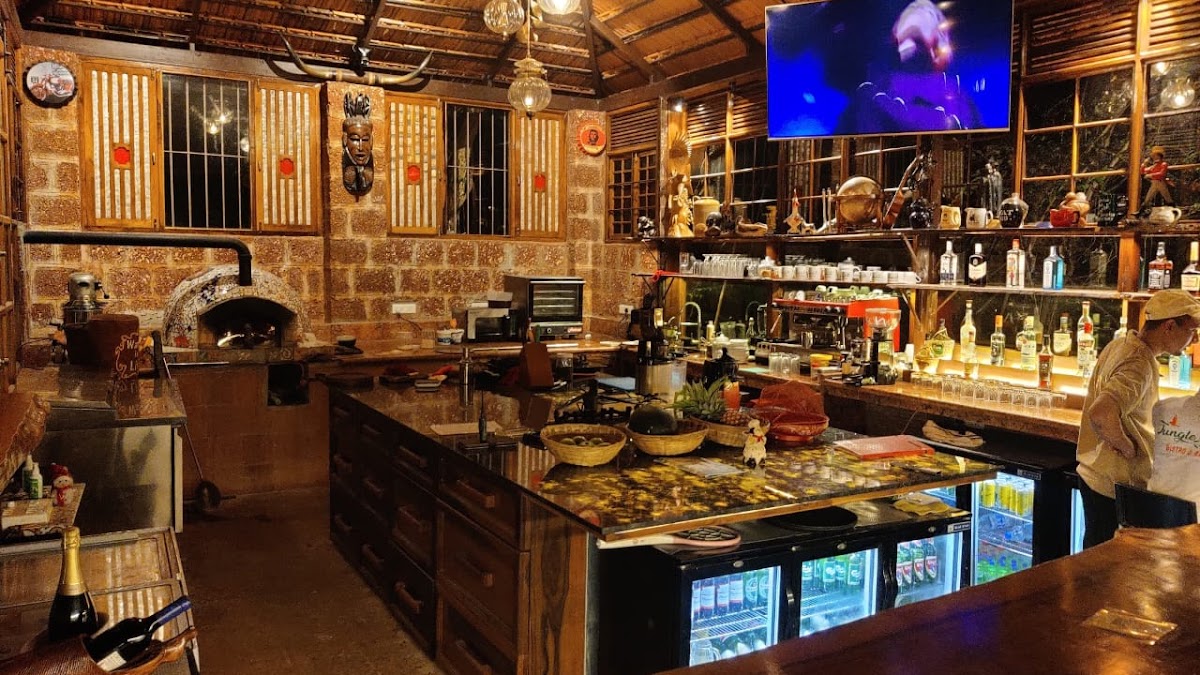
8 verified workspaces · cross-checked against Google Places & reviewed manually · no paid placements

Things to Do in Goa
These established spaces offer reliable internet, AC, and daily opportunities to connect with Goa's extensive nomad network.
Beyond shopping, this weekly event has become an unofficial nomad meetup spot with live music, food stalls, and spontaneous collaborations.
These quieter northern beaches provide the perfect decompression ritual after work hours with beach shacks serving cold beer and fresh catch.
Panjim's Latin Quarter offers colorful colonial architecture and cultural depth that provides necessary contrast to beach routine.
Goa's extensive yoga scene includes drop-in classes, weekend workshops, and Vipassana centers that help nomads maintain mental health during long stays.
Pros & Cons
Pros
- Extremely affordable living with quality apartments under $600/month including modern amenities
- Massive established digital nomad community meaning instant social circle and collaboration opportunities
- Exceptional food diversity from $2 thalis to international cuisine at prices far below Western equivalents
- Tropical beach lifestyle with year-round warmth outside monsoon season
- Multiple coworking spaces and cafes with reliable power backup systems
- Easy visa extensions and relaxed enforcement make long stays manageable
- English widely spoken in tourist areas reducing language barriers significantly
Cons
- Internet speed of 40 Mbps adequate but not suitable for heavy video editing or constant video calls
- Monsoon season (June-September) brings heavy rains, humidity, and many businesses close entirely
- Traffic chaos with aggressive driving, poorly maintained roads, and frequent accidents
- Party culture and loud music in North Goa areas can disrupt work schedules and sleep
- Power cuts still occur despite backup systems, requiring personal inverter investment
- Peak season (December-January) sees prices double and crowds make beach areas hectic