
Living and working in Cape Town
Nomads are drawn to Cape Town for a combination rarely found elsewhere: dramatic mountain-and-ocean scenery, a mild Mediterranean climate, a convenient timezone overlapping both European and parts of Asian business hours, and a cost of living far below comparable Western cities. The city's wine country, surf beaches, and hiking trails make weekends feel like vacations, while a dense network of coworking spaces and specialty coffee shops supports productive weekdays.
Cost of living averages around $1,300 a month for a single person—strong value considering the quality of food, housing, and lifestyle on offer. A one-bedroom apartment in the center averages about $800 a month, with options ranging from budget-friendly shared housing to upscale apartments with sea views.
Among the best neighborhoods, Sea Point offers a coastal, cosmopolitan feel along the Atlantic seaboard with a strong nomad community, at around $900 a month. Gardens is a central, leafy "urban village" below Table Mountain close to the city center, at about $1,100. Green Point is considered one of the safest and trendiest areas, near the stadium, at roughly $1,000. Woodstock is an artsy, gentrifying district with street art and coworking spaces at a lower $750, though it requires more area awareness. Camps Bay, the luxury beachfront suburb, commands around $1,400 for a resort-like atmosphere.
Internet reliability is generally strong, with fiber widely available and average speeds around 65 Mbps. The main infrastructure challenge is load shedding—scheduled power outages—though most coworking spaces and higher-end apartments have backup generators or inverters to keep connections running.
South Africa introduced a formal Remote Work visa category in 2024. Under the Remote Work visitor's visa (Section 11(1)(b)(iv)), applicants need a valid foreign employment contract and proof of gross annual salary of roughly ZAR 650,796 (reduced from an earlier ZAR 1 million threshold); it allows stays from over three months up to three years. Many nomads still use the 90-day visa-free entry available to most Western nationalities, sometimes with visa runs to neighboring countries. Rules have shifted repeatedly, so verify current requirements with South African consular sources before applying.
Safety is Cape Town's most important caveat: its safety index is considered low by global standards, and incidents of street crime and burglary are a real concern, particularly outside well-off neighborhoods. Choosing secure accommodation, avoiding isolated areas at night, and using trusted transport apps are essential precautions here, more so than in most other cities in this guide.
Local tips: the MyCiTi bus and ride-hailing apps are generally safer and more practical than public minibus taxis. Don't miss Cape Malay cuisine in Bo-Kaap, fresh seafood along the Atlantic coast, and a day trip to the Cape Winelands. The nomad and expat community is active, with regular meetups in Sea Point and Woodstock making it easy to build a social and professional network despite the city's safety challenges.
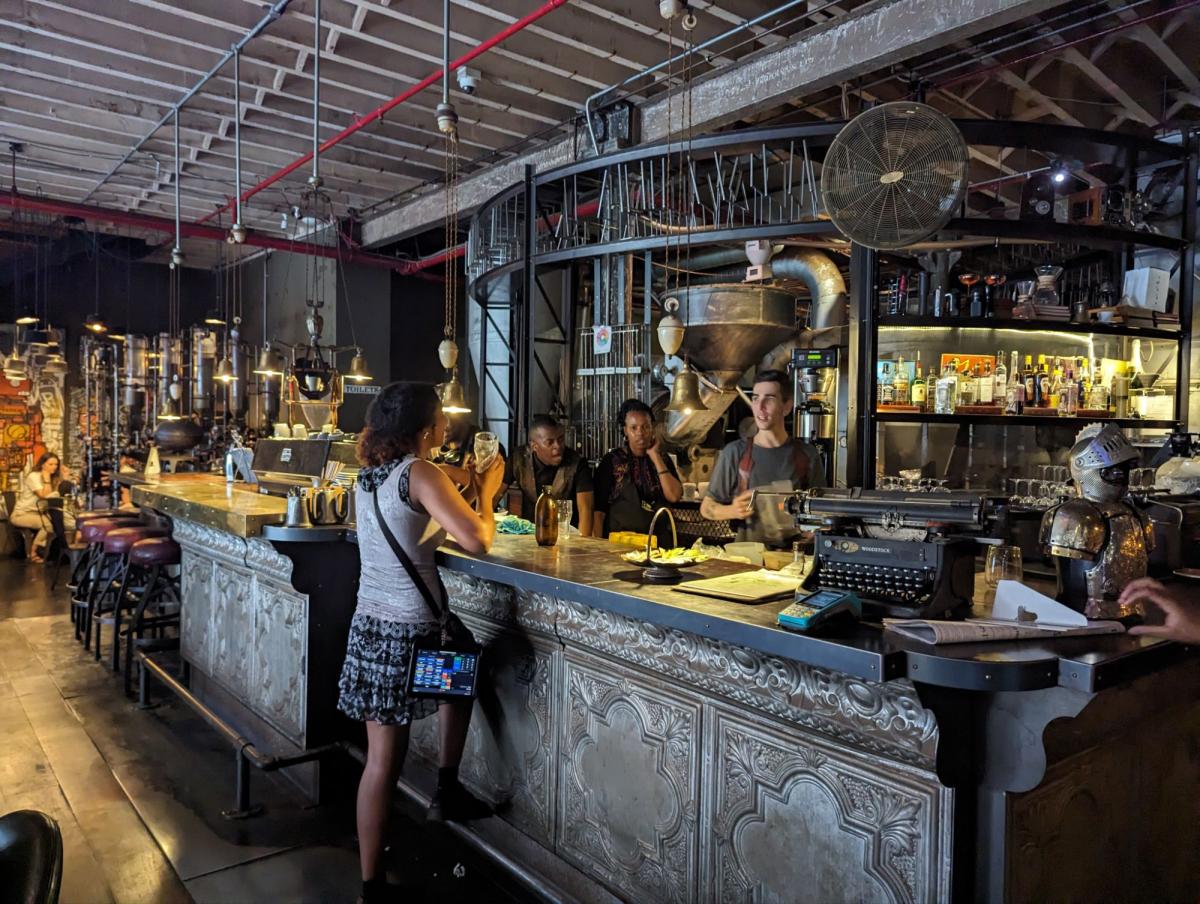
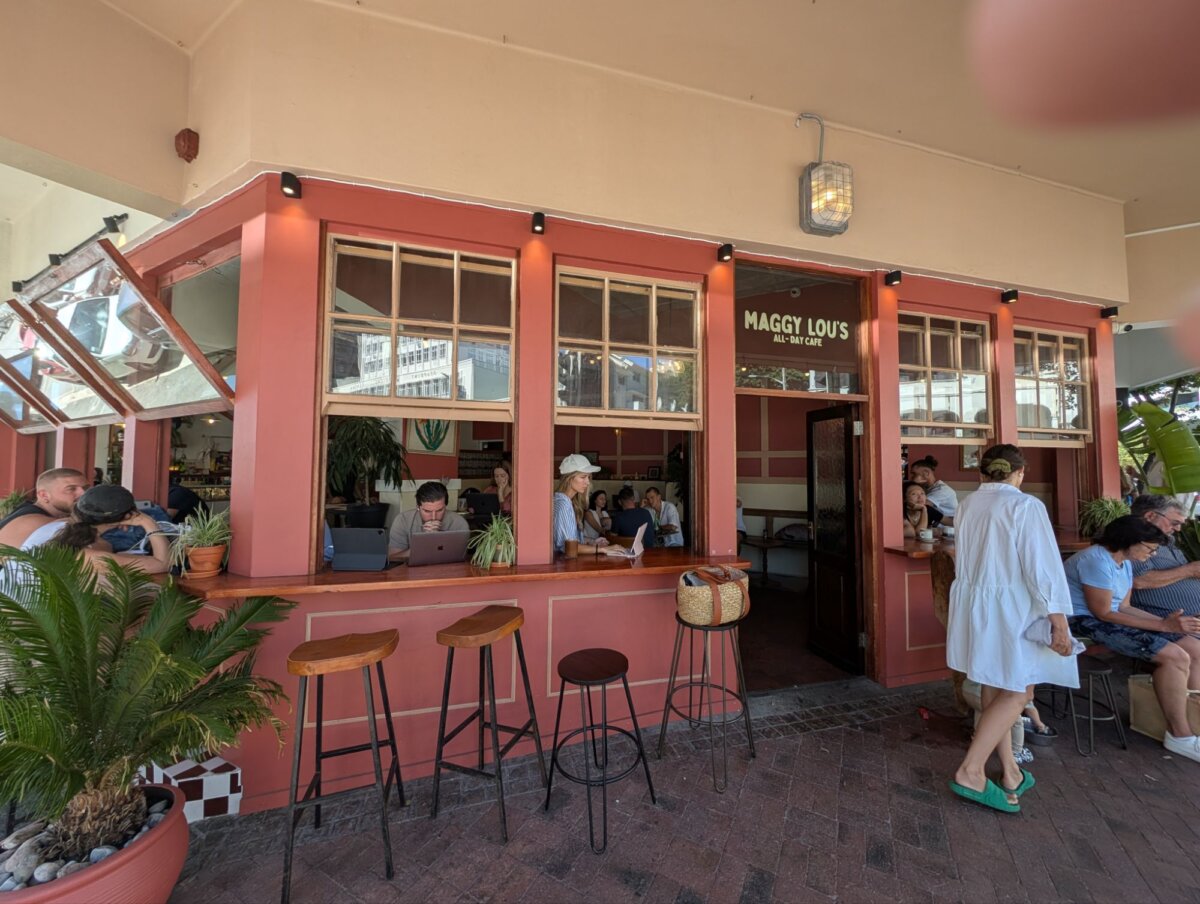
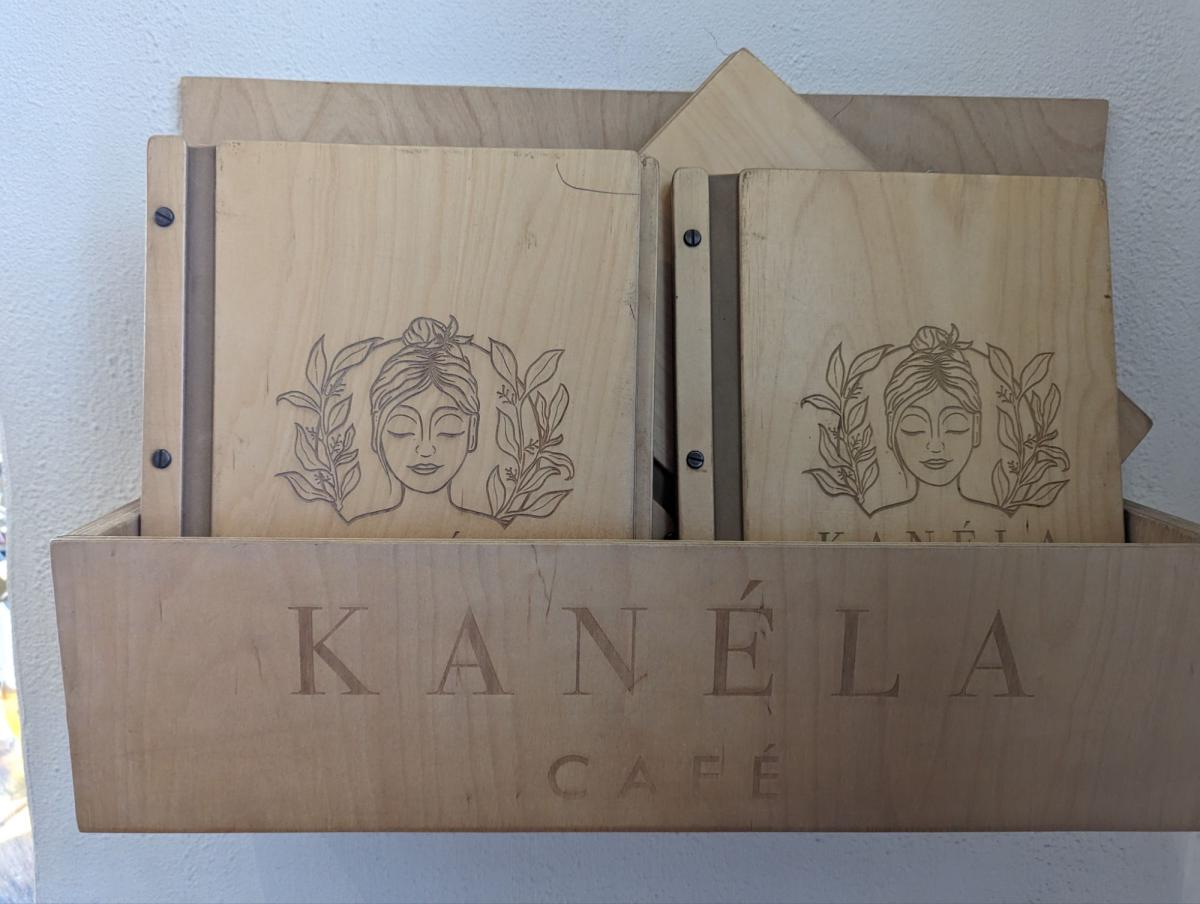
Planning a longer stay? Start with our South Africa digital nomad visa guide. Nomads often compare Cape Town with Nairobi, Dakar and Montevideo. Well-rated places to work include The Loading Bay, Truth Coffee Roasting, Maggy Lou’s and Kanela Cafe.
Visa for South Africa
Program: Remote Work Visitor Visa (Section 11(1)(b)(iv) Immigration Act)
Duration: 1 year initially, renewable annually up to 3 years total. Holders staying 6+ months within 36-month period must register with SARS (South African Revenue Services).
Income: Minimum ZAR 650,976/year gross (~USD $35,000–$37,000/year). Reduced from ZAR 1,000,000 in October 2024. Must be earned from employer or clients based outside South Africa.
Full South Africa DNV guideSouth Africa does not offer a dedicated digital nomad visa. Most nomads enter on a tourist visa allowing 90 days visa-free for most Western nationalities, with some doing visa runs to neighboring countries. The business visa requires South African company sponsorship and is unsuitable for remote workers. Some nomads obtain the Critical Skills Work Visa if their profession is on the shortage list, requiring around $3,500 in processing fees and 3-4 months processing time. Long-term nomads often explore the retirement visa (requiring proof of $2,500+ monthly income) or establish a local business entity.
Cost of Living in Cape Town
Cost data verified 9 days agoBest Neighborhoods for Nomads
Sea Point
Beachfront promenade suburb with apartment buildings, restaurants, and strong nomad community along the Atlantic seaboard.
Gardens
Central, leafy neighborhood below Table Mountain with cafés, boutiques, and proximity to city center.
Green Point
Modern, walkable area near the stadium with excellent restaurants, gyms, and safety reputation.
Woodstock
Artsy, gentrifying district with street art, coworking spaces, and creative energy but requires area awareness.
Camps Bay
Upscale beach suburb with stunning mountain backdrop, high-end dining, and resort-like atmosphere.
Internet & Infrastructure
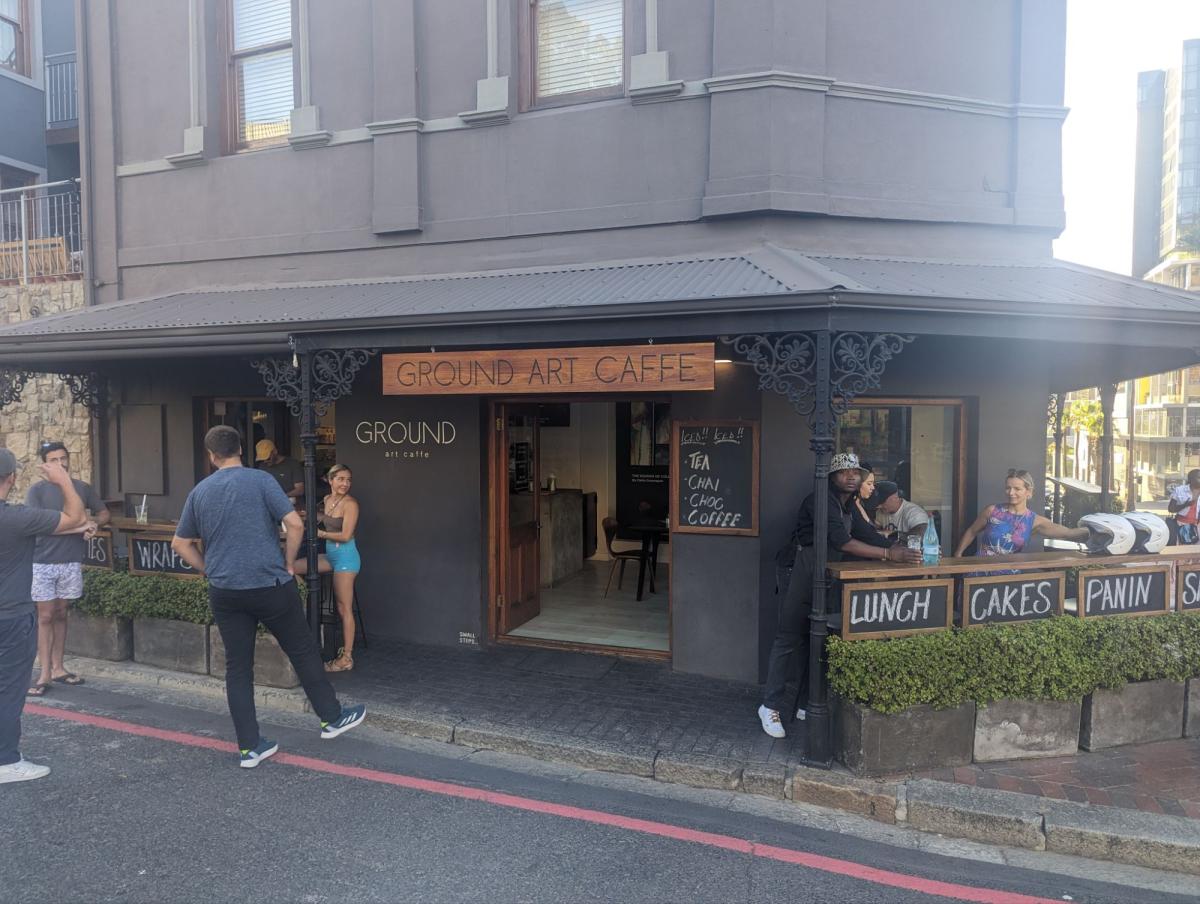
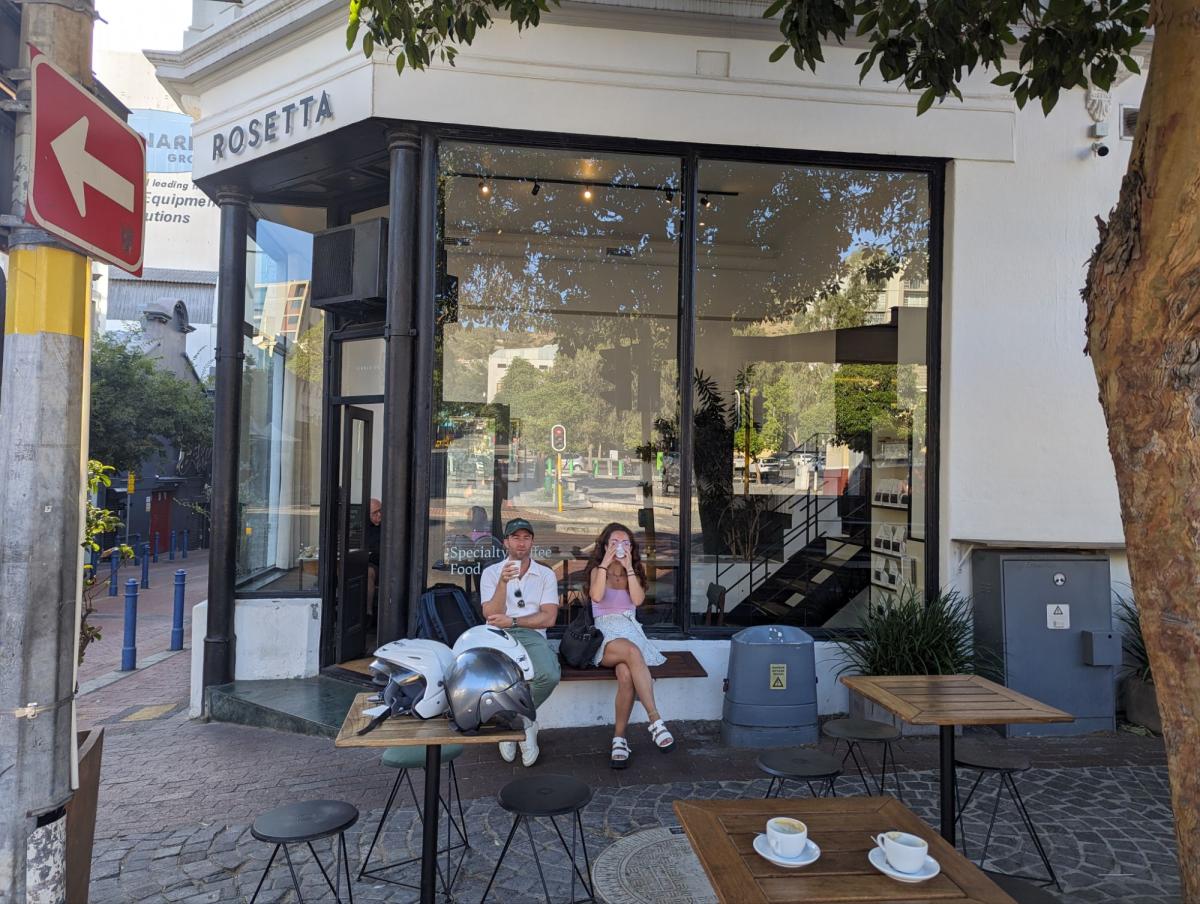
Coworking & cafés in Cape Town
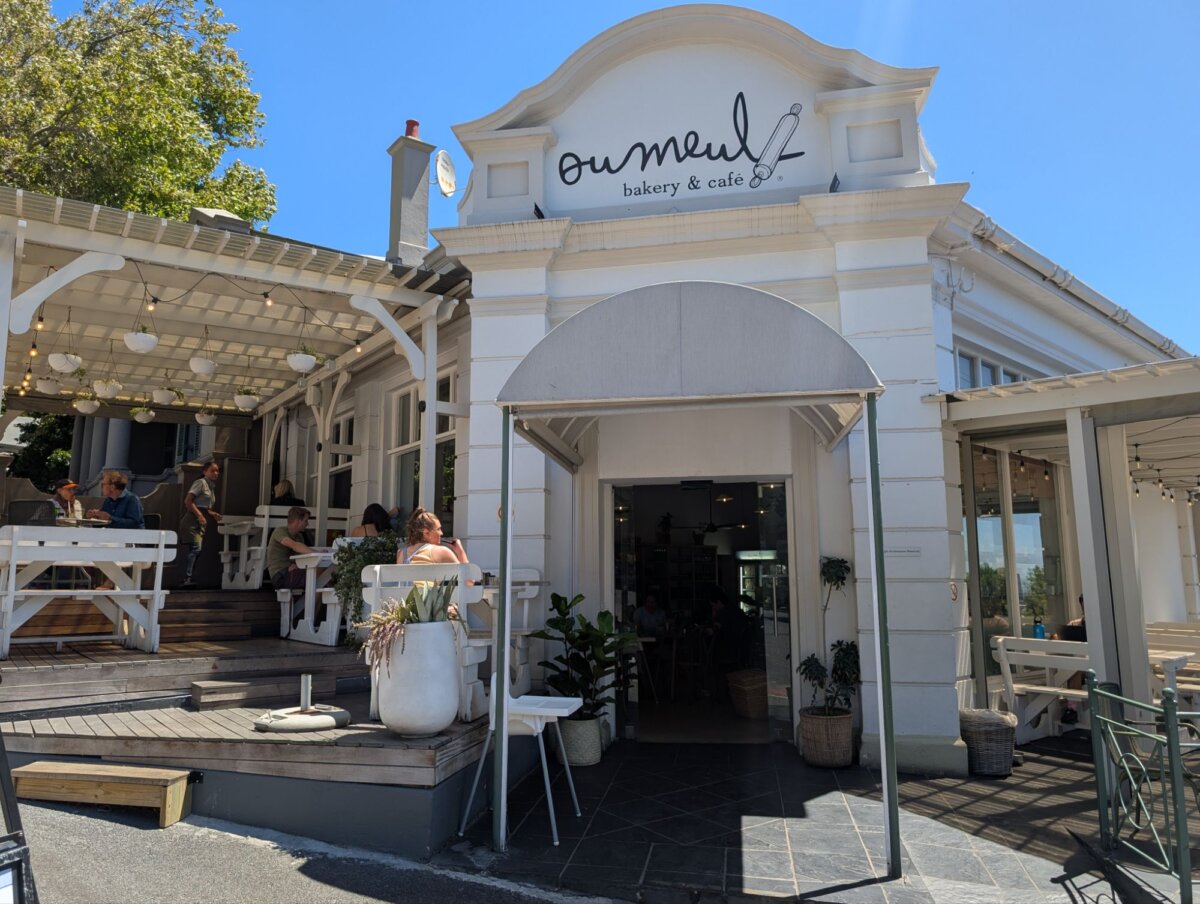
11 verified workspaces · cross-checked against Google Places & reviewed manually · no paid placements


Things to Do in Cape Town
Cable car or hike up this iconic flat-topped mountain for panoramic city views and excellent weekend reset from screen time.
Day trips to Stellenbosch and Franschhoek offer world-class wine tasting at fraction of European prices, perfect for client entertainment.
Work-life balance embodied: African penguin colony on pristine beach, an hour's scenic drive along Chapman's Peak.
Join Cape Town's established coworking community with reliable backup power, fast internet, and networking events for nomads.
The classic nomad wind-down: watching African sunset over the Atlantic with the Twelve Apostles mountain range behind you.
Pros & Cons
Pros
- Exceptional value with $1300 covering comfortable lifestyle including dining out and activities
- Stunning natural setting with ocean, mountains, and beaches accessible within 20 minutes
- Strong English-speaking environment with established expat and nomad communities
- World-class food scene from street food to Michelin-quality restaurants at affordable prices
- Favorable timezone (GMT+2) for working with European, Middle Eastern, and Asian clients
- Extensive coworking infrastructure with backup power and fiber internet in most areas
- Mediterranean climate with 300+ days of sunshine and mild year-round temperatures
Cons
- Low safety index (33.5/100) requires constant awareness and security precautions in daily life
- Load shedding (rolling blackouts) disrupts work, requiring backup power solutions and planning
- High inequality creates visible poverty and homelessness throughout the city
- Strong winds in summer months can make beach areas uncomfortable and affect outdoor plans
- Water scarcity issues resurface periodically, requiring conservation mindfulness
- Distance from other major cities makes Cape Town relatively isolated (2-hour flight to Johannesburg)
Frequently Asked Questions
Sources
- Numbeo – Crime and safety in Cape Town
- Numbeo – Cost of living in Cape Town
- South African Department of Home Affairs – Remote Work visa requirements (Oct 2024)
- Lexology – South Africa remote work visa
- Enomads – South Africa visa guide
Verified: 7 October 2026