
Visa for Hungary
Program: White Card (Fejér kártya) — Digital Nomad Residence Permit
Duration: 1 year, renewable once for an additional year (maximum 2 years total). No path to permanent residency from this permit.
Income: Minimum €3,000 net/month for at least 6 months before entry (increased from €2,000 in 2024). Must maintain this income level throughout entire stay. Additionally, savings of at least €10,000 in a non-sanctioned bank account are required.
Full Hungary DNV guideHungary offers a White Card for remote workers allowing 1-year stays with potential renewal, requiring proof of employment with a non-Hungarian company, health insurance, and sufficient funds (approximately €2,000/month). Processing typically takes 1-3 months. Many nomads also use the standard 90-day Schengen tourist visa or apply for long-term national visas if planning extended stays. Check official Hungarian immigration authority websites for current requirements as policies update frequently.
Cost of Living in Budapest
Cost data verified May 2026Best Neighborhoods for Nomads
District V (Belváros-Lipótváros)
The historical heart with parliament, luxury shopping, and riverside promenades—touristy but convenient.
District VI (Terézváros)
Trendy area around Oktogon with Broadway-style Andrássy Avenue, theaters, and excellent cafe culture.
District VII (Erzsébetváros)
The Jewish Quarter packed with ruin bars, street art, coworking spaces, and the densest nomad community.
District XIII (Újlipótváros)
Residential neighborhood north of Margaret Island with local markets, less tourism, and family-friendly atmosphere.
District II (Buda Hills)
Green, upscale area on the Buda side with hiking trails, cleaner air, and stunning city views.
Internet & Infrastructure
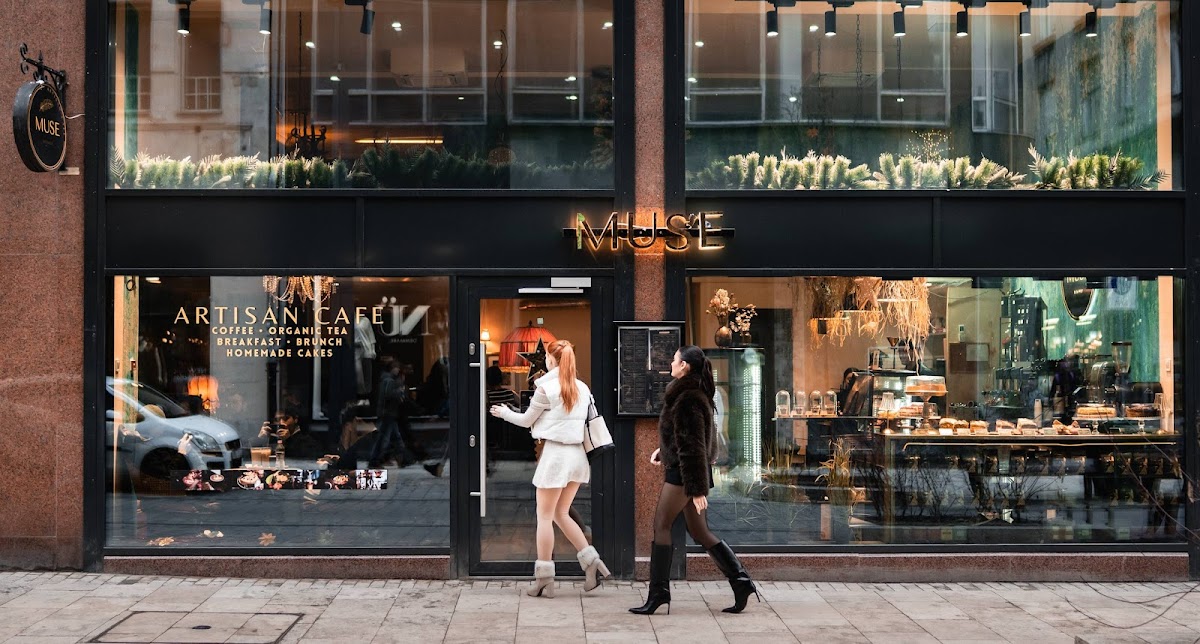
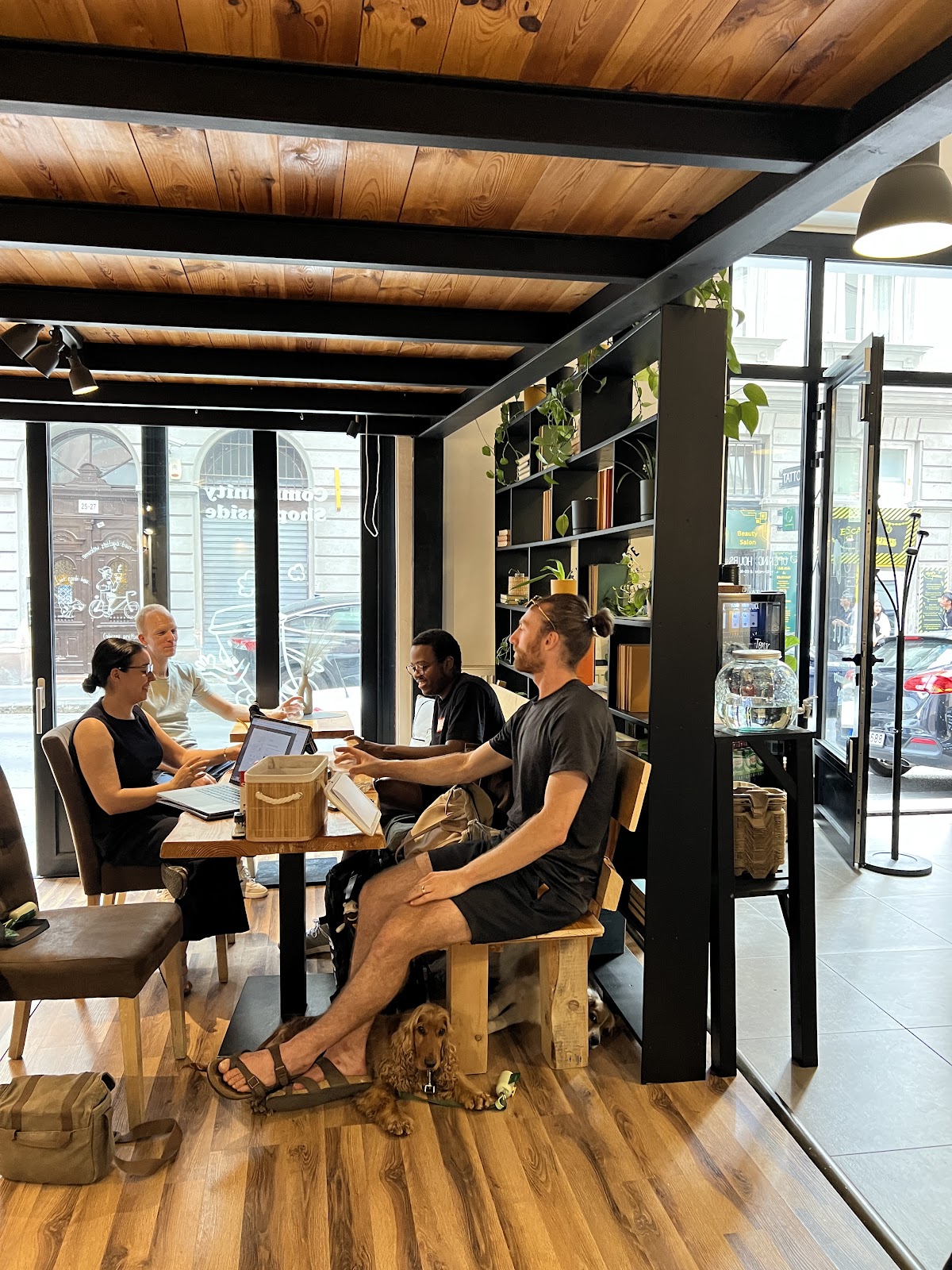
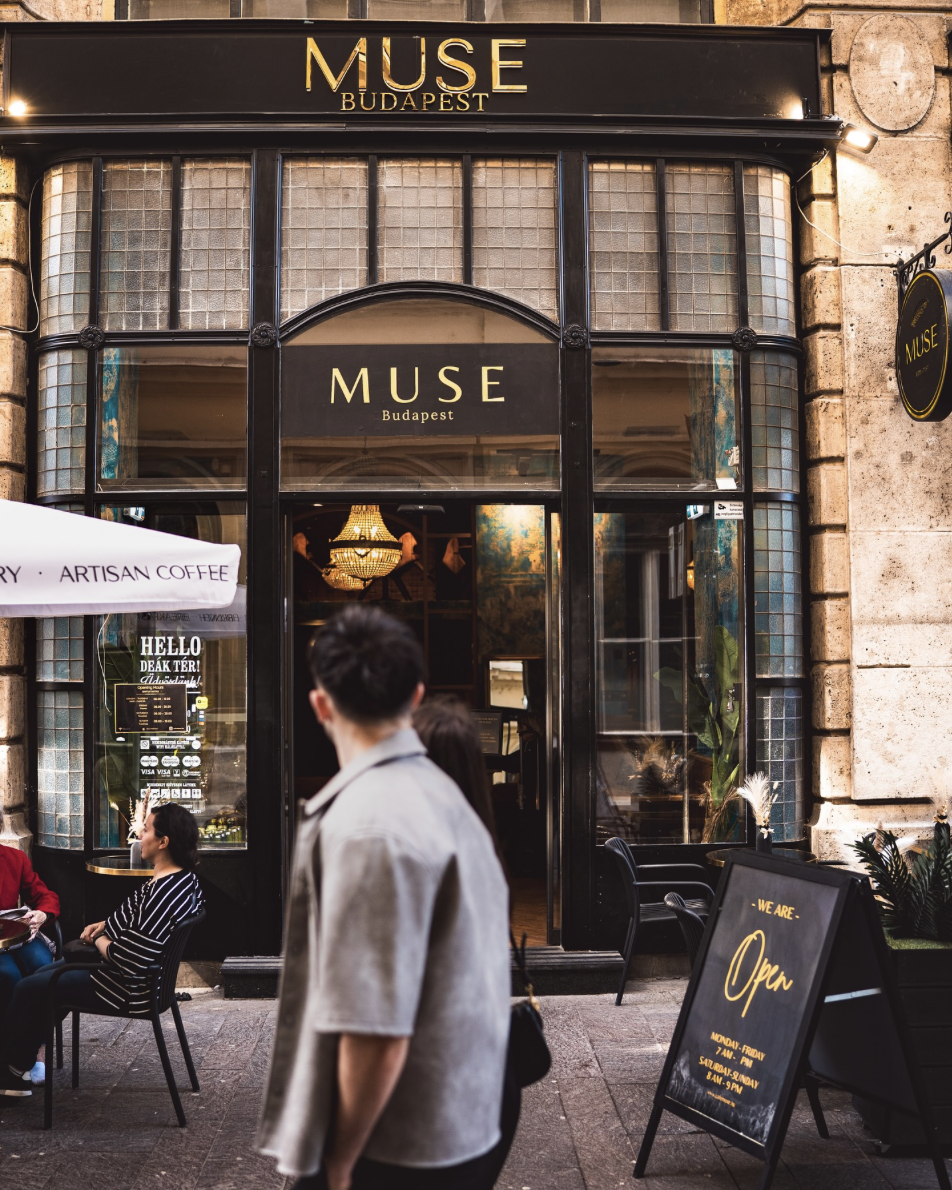
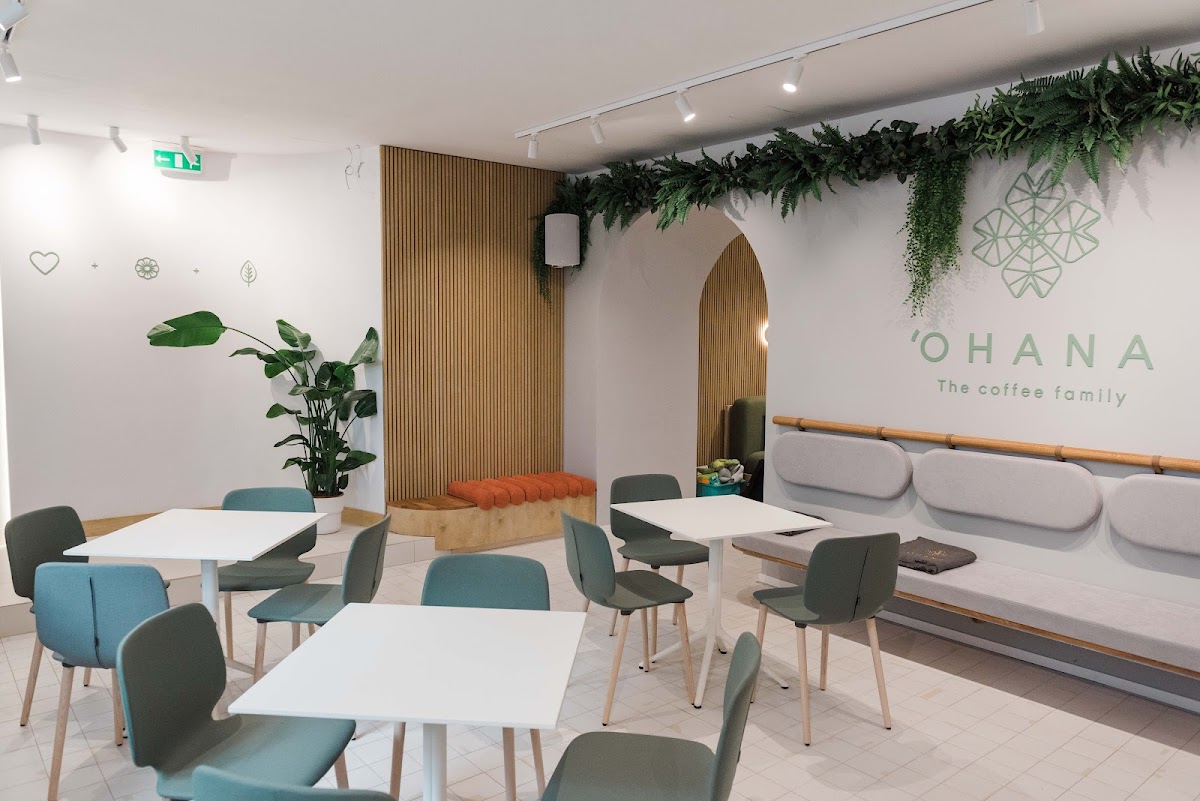
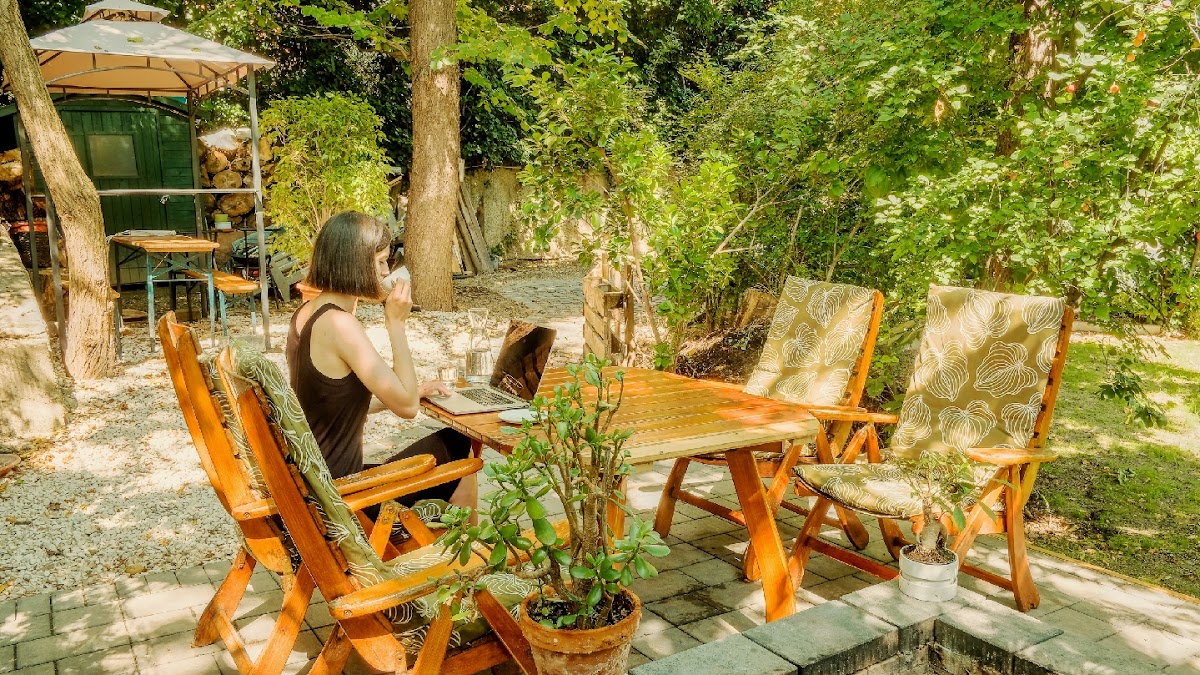
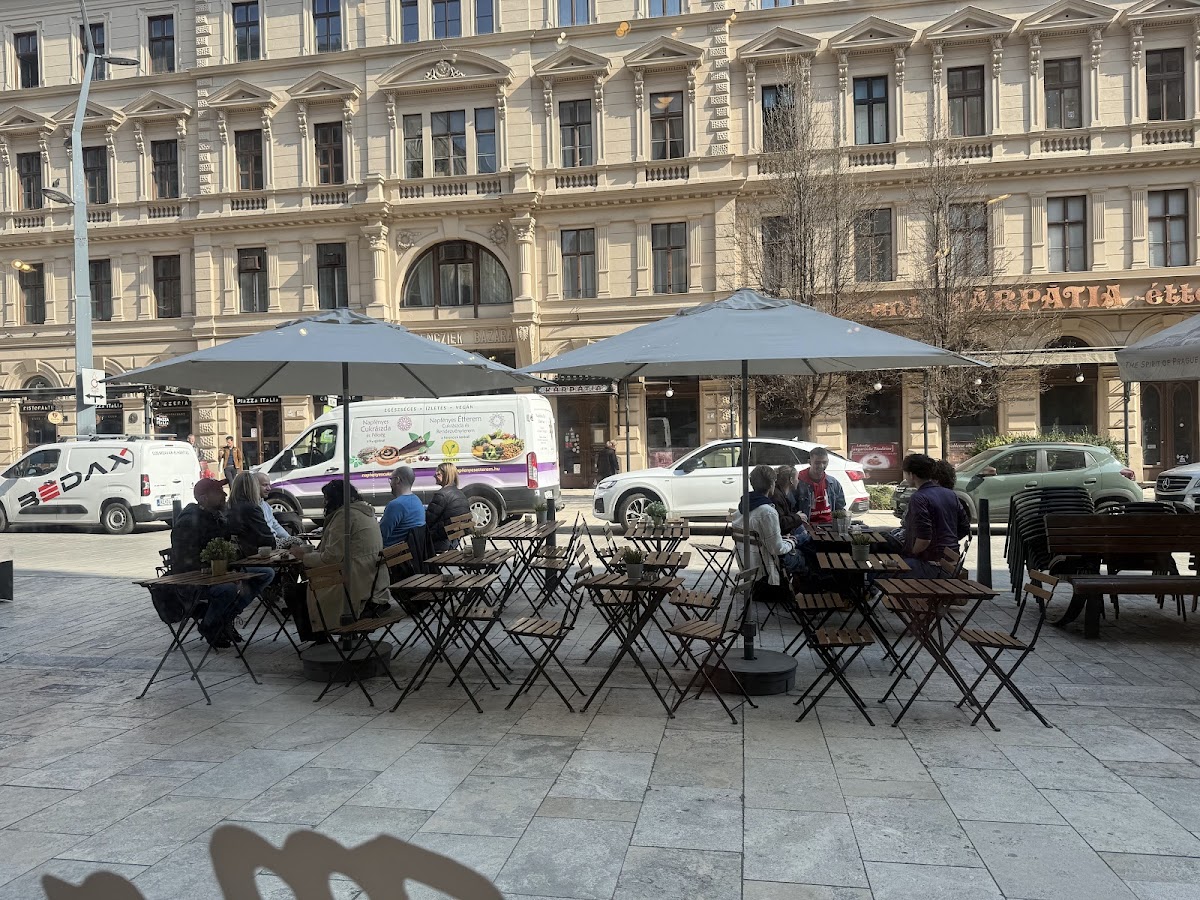
Coworking & cafés in Budapest
8 verified workspaces · cross-checked against Google Places & reviewed manually · no paid placements

Things to Do in Budapest
Work out muscle tension from desk work in Europe's largest medicinal bath complex with outdoor pools and chess players.
Network with fellow nomads in uniquely decorated bars built in abandoned buildings, starting with the iconic Szimpla Kert.
Take midday breaks on this car-free island park in the Danube with running tracks, rose gardens, and outdoor fitness equipment.
Experience local food culture and grab affordable lunch at this three-story 19th-century market filled with Hungarian specialties.
Join the active Budapest nomad and expat community through regular meetups, language exchanges, and networking events.
Pros & Cons
Pros
- Exceptional value with $1300/month covering comfortable living including entertainment and dining out
- Fast, reliable internet (165 Mbps average) with numerous coworking spaces and cafes with strong WiFi
- Stunning architecture blending Art Nouveau, Gothic, and Communist-era buildings creates inspiring work environments
- Vibrant social scene with large nomad community making it easy to build friendships and professional networks
- Excellent public transportation with metros, trams, and buses covering the entire city for under $35/month
- Central European location perfect for weekend trips to Vienna, Prague, Bratislava, and the Balkans
- Unique thermal bath culture provides relaxation and wellness opportunities unavailable in most cities
Cons
- Hungarian language is extremely difficult and locals in outer districts may speak limited English
- Bureaucracy can be frustrating with visa extensions, residence permits, and administrative processes taking months
- Air quality deteriorates significantly in winter months due to pollution and geographical factors
- Political climate and government policies are less welcoming to foreigners than in previous years
- Winter months (November-March) are cold, gray, and can feel depressing with limited daylight
- Currency fluctuations with the HUF can affect your budget unpredictably when earning in USD or EUR