
Visa for Greece
Program: Digital Nomad Visa (Type D National Visa)
Duration: 1 year initial visa. Converts to a 2-year Residence Permit (renewable in 2-year increments) upon arrival in Greece.
Income: Minimum €3,500 net/month (single applicant). €4,200/month with spouse (+20%). €4,830/month with additional dependents (+10% per dependent).
Full Greece DNV guideGreece offers a Digital Nomad Visa (Category D National Visa) requiring €3,500 monthly income, proof of remote employment or freelance contracts, and health insurance. Processing takes 2-4 months and grants 12-month stays with renewal options. EU/EEA citizens enjoy freedom of movement without visa requirements. Non-EU nomads often use the 90-day Schengen tourist allowance, though this isn't technically legal for work and requires leaving the Schengen zone every three months.
Cost of Living in Athens
Cost data verified May 2026Best Neighborhoods for Nomads
Koukaki
Residential neighborhood south of the Acropolis with authentic tavernas, indie shops, and a growing nomad presence.
Exarcheia
Bohemian, anarchist-leaning area known for street art, radical politics, and the city's most vibrant alternative culture.
Kolonaki
Upscale district with designer boutiques, embassy buildings, and Athens' most sophisticated dining and nightlife.
Pangrati
Middle-class residential area with excellent tavernas, a stadium, and peaceful streets away from tourist chaos.
Metaxourgeio
Rapidly gentrifying neighborhood mixing gritty street life with new galleries, bars, and creative spaces.
Internet & Infrastructure
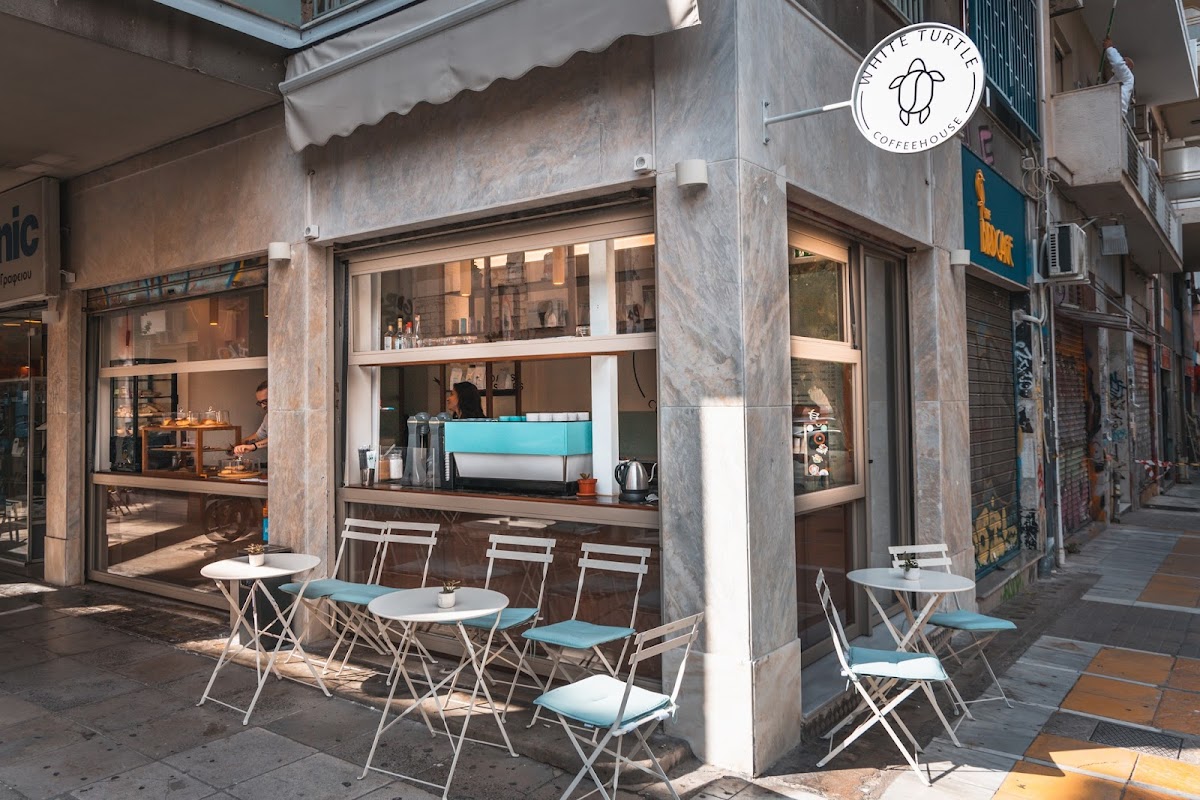
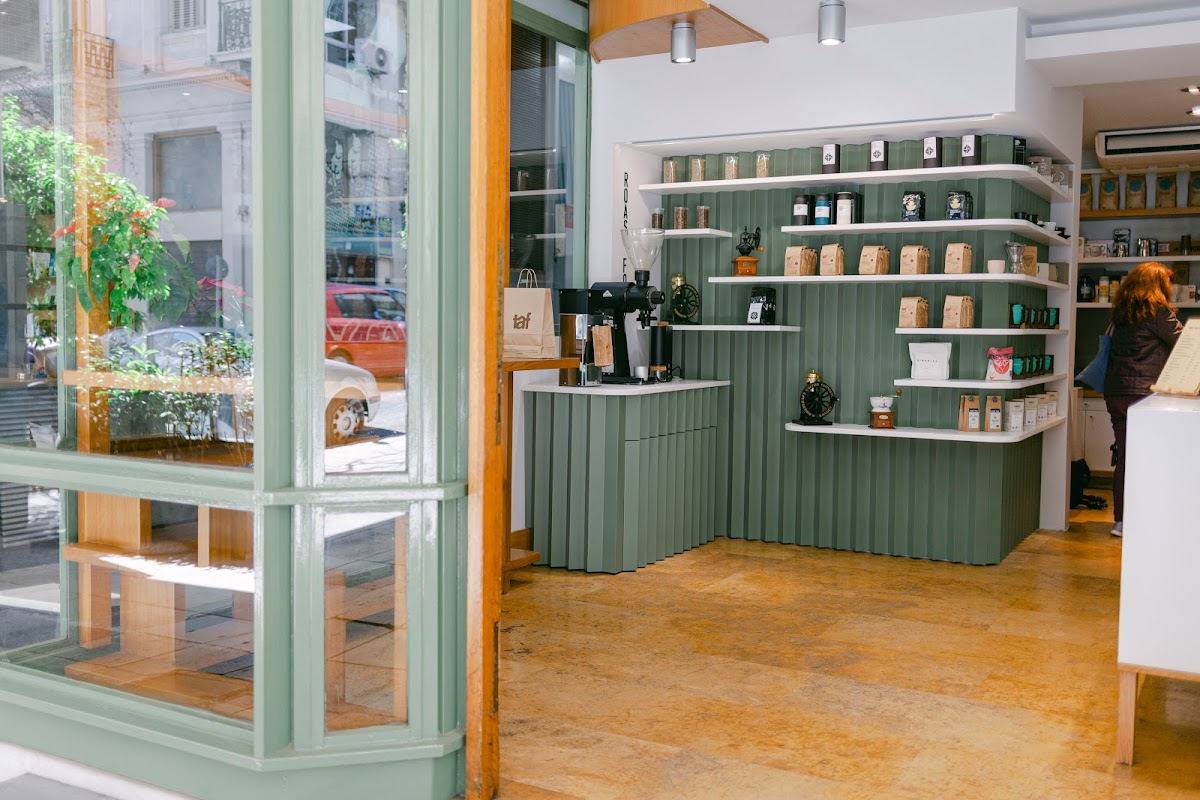
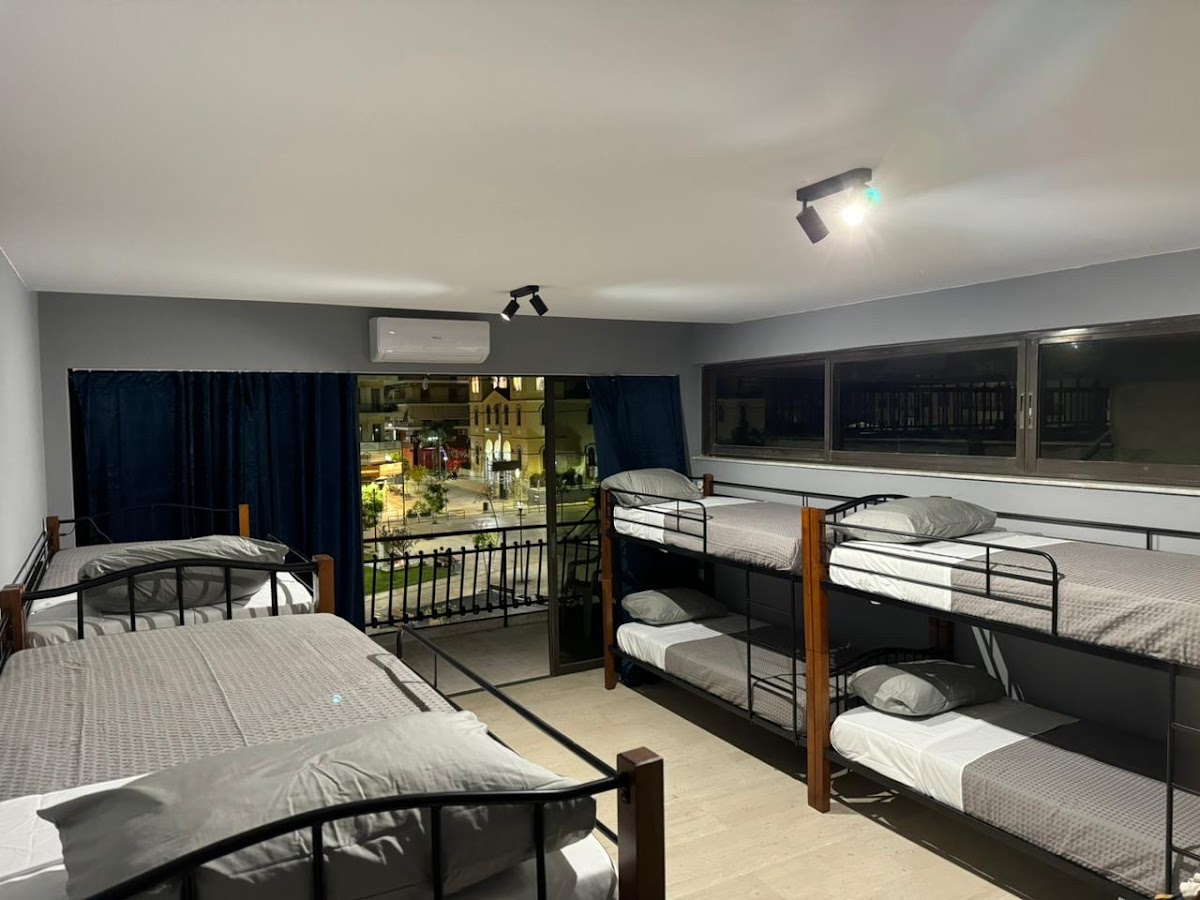
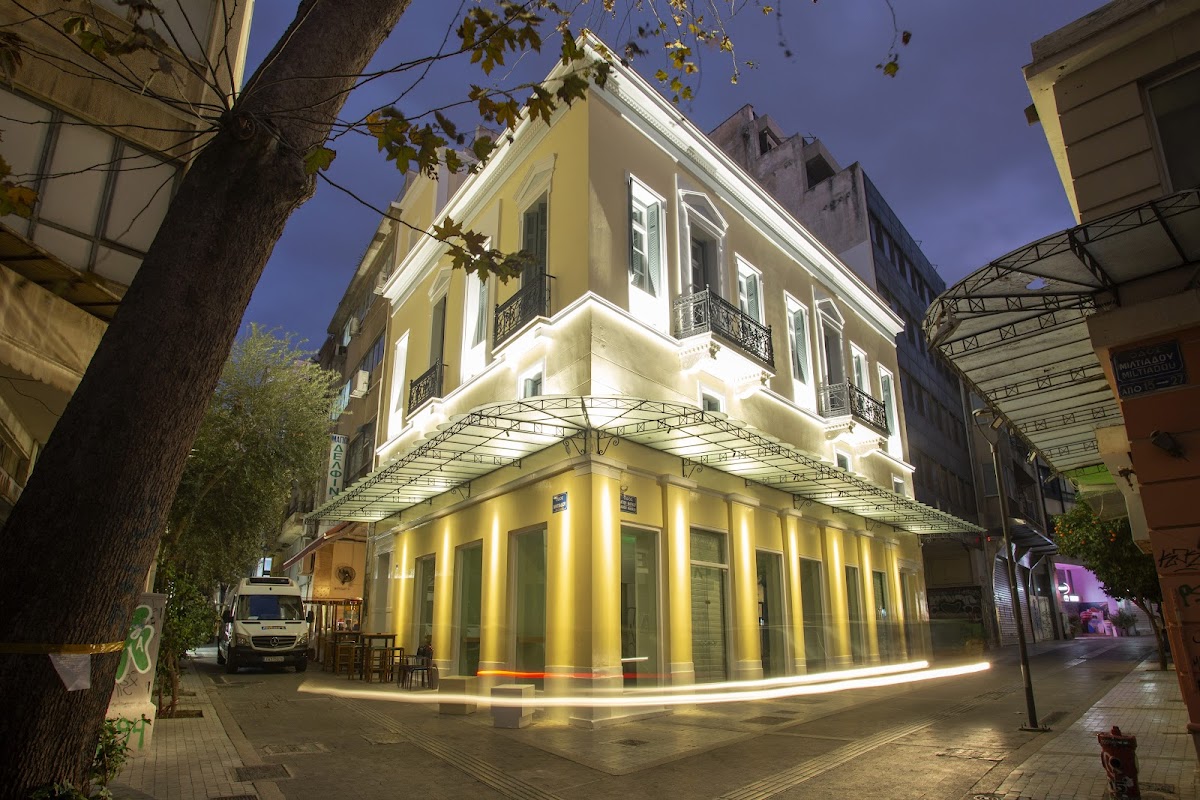
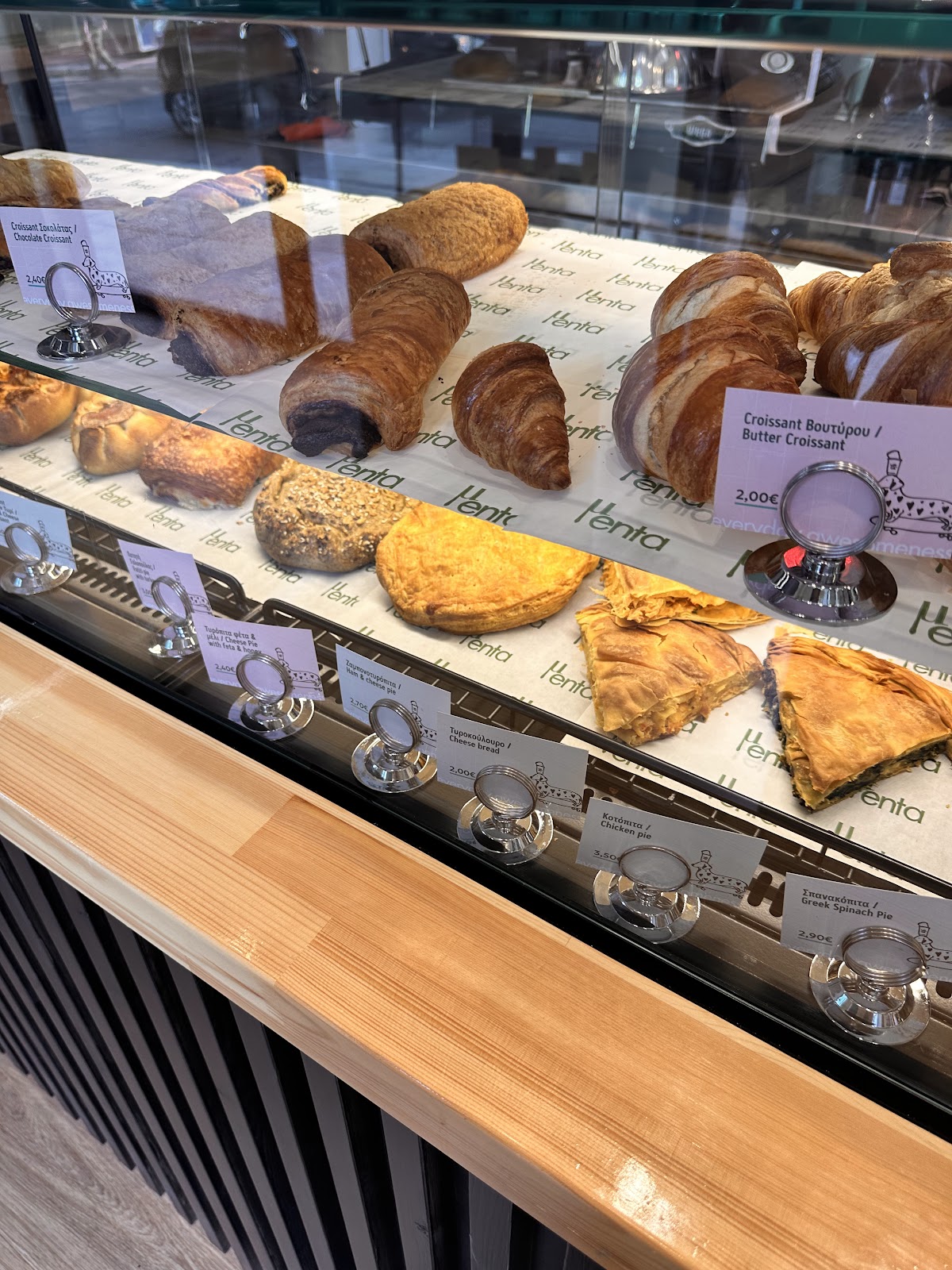
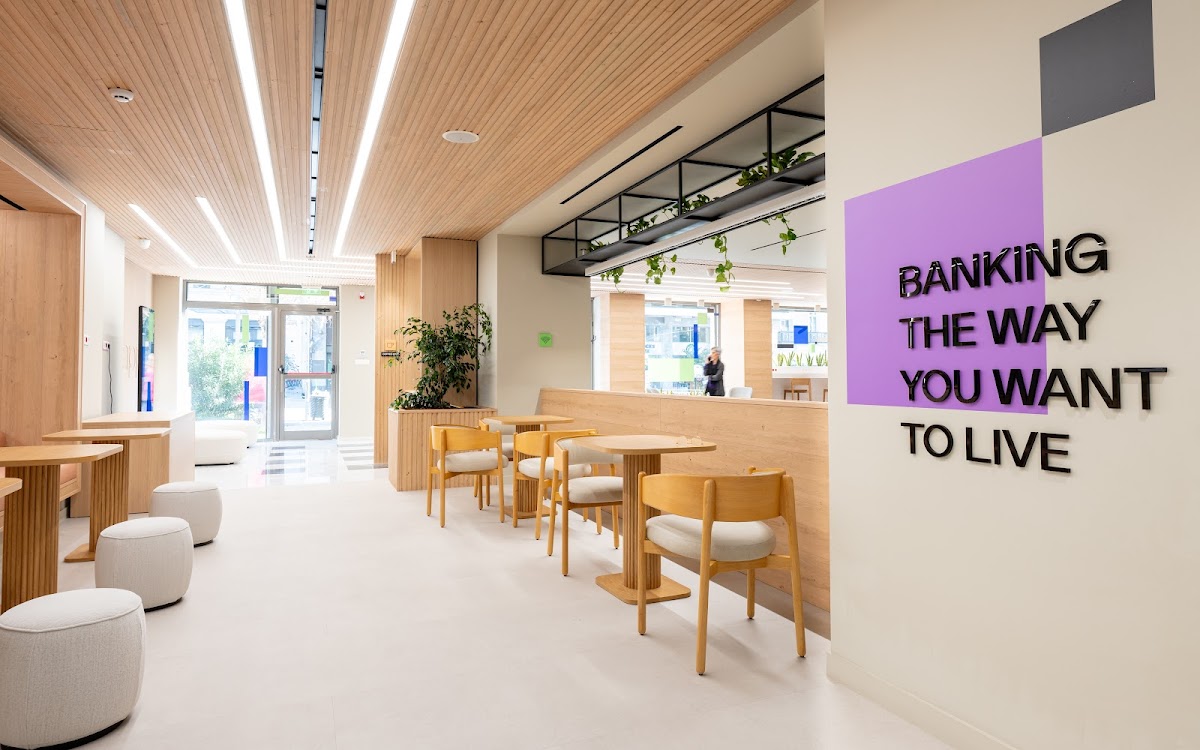
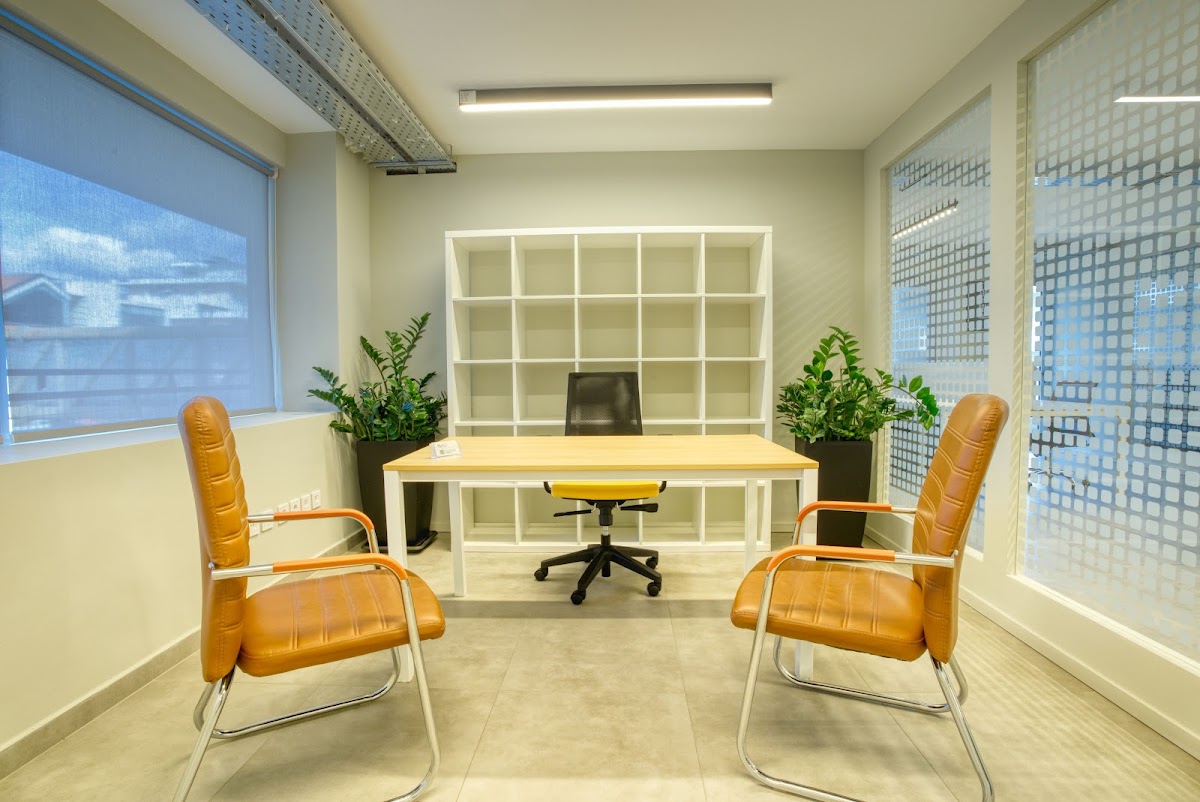
Coworking & cafés in Athens
8 verified workspaces · cross-checked against Google Places & reviewed manually · no paid placements

Things to Do in Athens
Join Athens' growing coworking scene with reliable internet, networking events, and community beyond your apartment.
Hike or funicular up for panoramic city views and decompress after work with the entire nomad community.
Ferry to Aegina, Hydra, or Poros in under 90 minutes for weekend escapes without changing your base.
Work beside 2,500-year-old ruins that remind you why location-independent work is a privilege worth protecting.
Experience authentic Athens at this bustling food market with fresh produce, meat, and adjacent tavernas serving workers since dawn.
Pros & Cons
Pros
- Extremely affordable for a European capital with meals under €10 and monthly costs around $1,450
- Year-round sunshine with 300+ sunny days and mild winters rarely dipping below 10°C
- Rich history literally everywhere—work from cafes overlooking ancient temples
- Excellent and inexpensive public transport including metro, buses, and trams
- Growing nomad community with several quality coworking spaces and regular meetups
- Outstanding Mediterranean diet with fresh, healthy, affordable food at every corner
- Easy access to Greek islands and beach escapes via quick, cheap ferries
Cons
- Internet can be inconsistent in older buildings—always test before committing to accommodation
- Extreme summer heat (35-40°C) makes July-August uncomfortable without AC, which increases electricity costs
- Significant graffiti and urban decay in many areas creates a gritty, sometimes depressing aesthetic
- Bureaucracy is notoriously slow and frustrating for any official processes or permits
- Limited English outside tourist zones makes daily tasks challenging without Greek language basics
- Petty theft and pickpocketing common in central areas and public transport