
Visa for Netherlands
Program: Orientation Year Highly Educated Persons (Zoekjaar Talent) — closest available option
Duration: Orientation Year visa: 1 year (non-renewable). Standard temporary residence permit: 1–5 years depending on category.
Income: No dedicated digital nomad visa. Orientation Year visa: no minimum income requirement but applicants must demonstrate financial self-sufficiency. Highly Skilled Migrant visa requires minimum gross monthly salary (~€4,300–€5,500 depending on age).
Full Netherlands DNV guideThe Netherlands offers a Self-Employed Residence Permit for entrepreneurs and freelancers, requiring a detailed business plan and proof of sufficient income (typically €5,500+ in reserve funds), with processing taking 3-6 months. There is no dedicated digital nomad visa, so most short-term nomads use the 90-day Schengen tourist visa. EU/EEA citizens can live and work freely. For longer stays, nomads often pursue the Dutch-American Friendship Treaty (DAFT) if they're US citizens, requiring only €4,500 investment, or the highly skilled migrant visa if employed by a Dutch company.
Cost of Living in Amsterdam
Cost data verified May 2026Best Neighborhoods for Nomads
De Pijp
Amsterdam's Latin Quarter with the famous Albert Cuyp Market, packed with international restaurants and young professionals.
Jordaan
Picturesque former working-class district turned upscale with art galleries, boutiques, and cozy cafes along quiet canals.
Oost (East)
Up-and-coming creative hub with Javaplein and Dappermarkt, offering more affordable options and authentic local life.
Noord
Across the IJ river, this former industrial area now hosts creative studios, NDSM Wharf, and more spacious living at lower prices.
De Baarsjes
Residential neighborhood west of center with excellent cafes, proximity to Vondelpark, and a more local, relaxed atmosphere.
Internet & Infrastructure
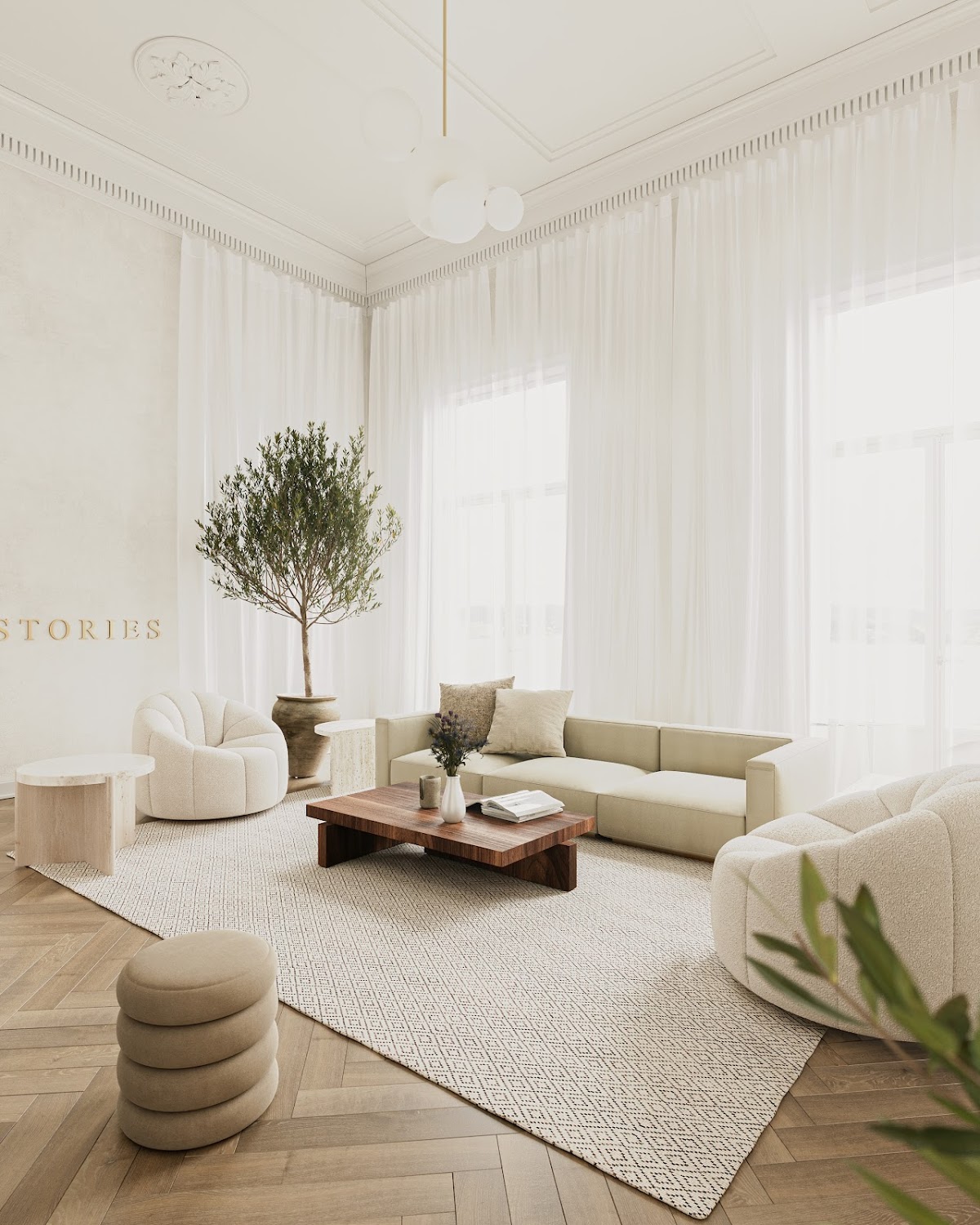
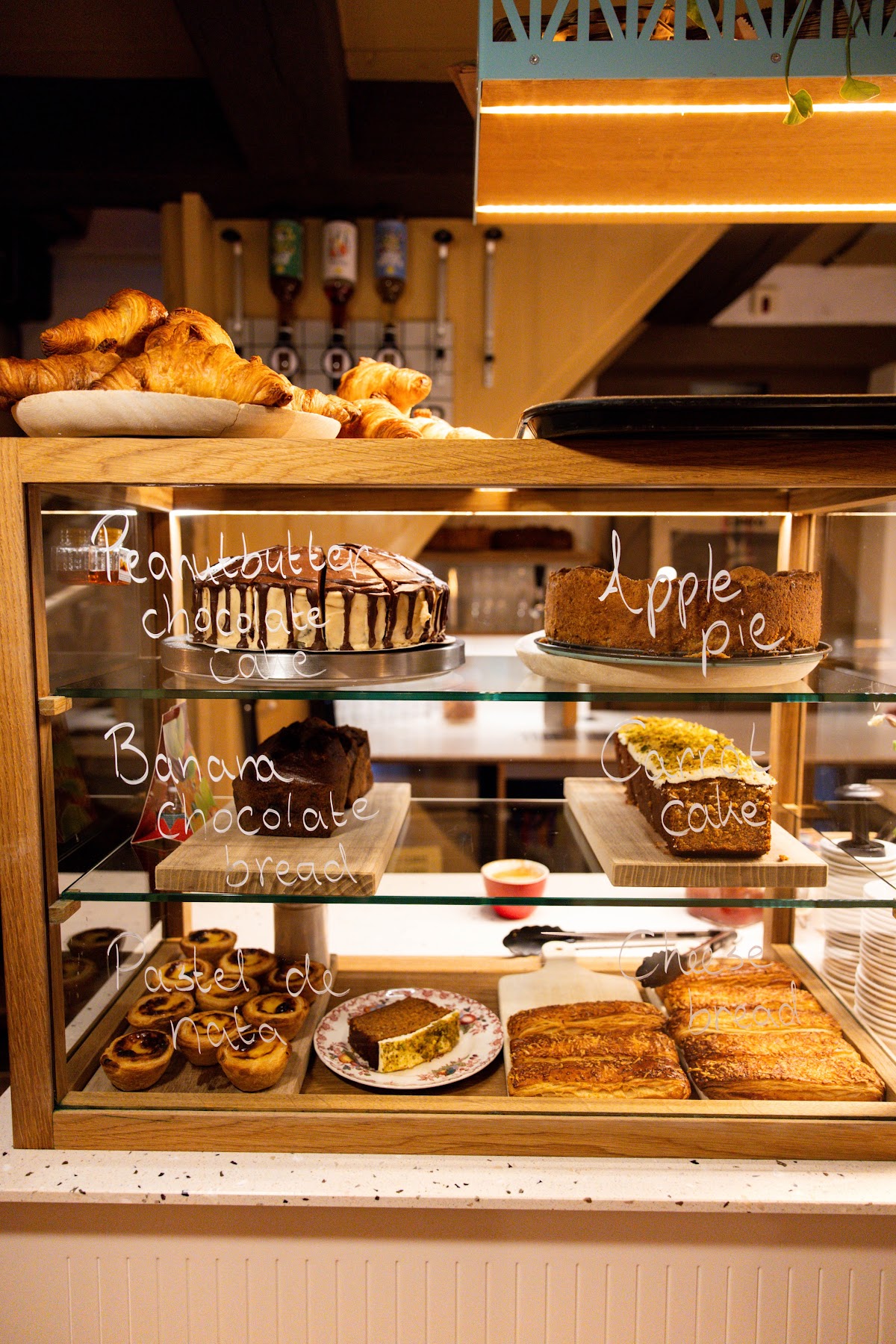
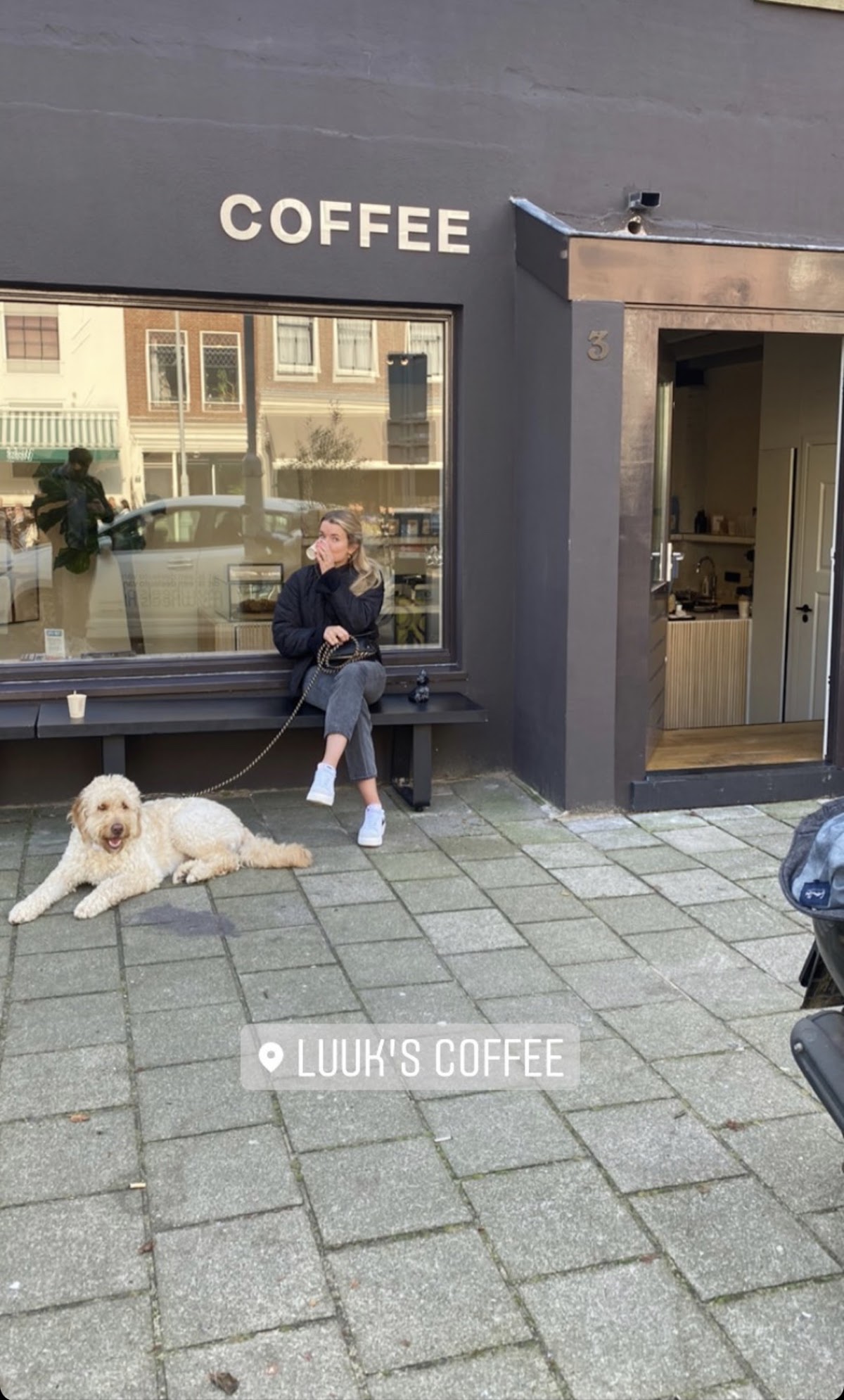
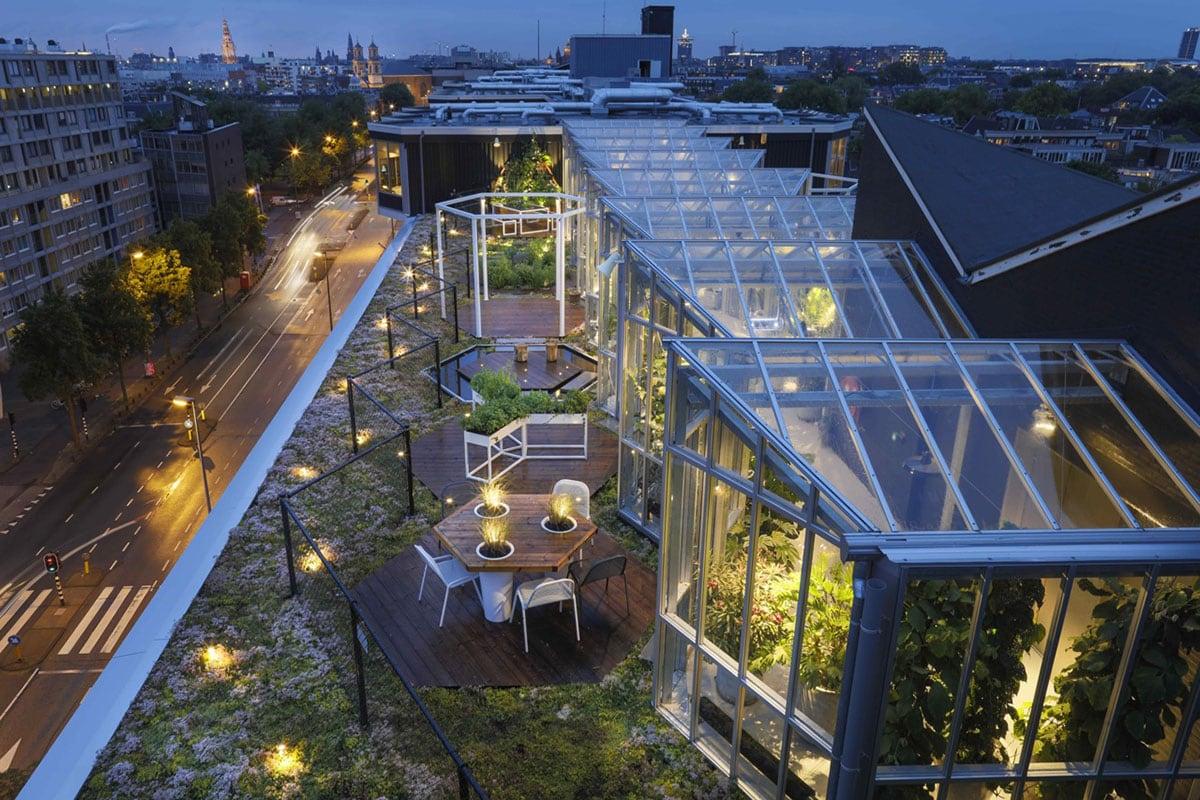
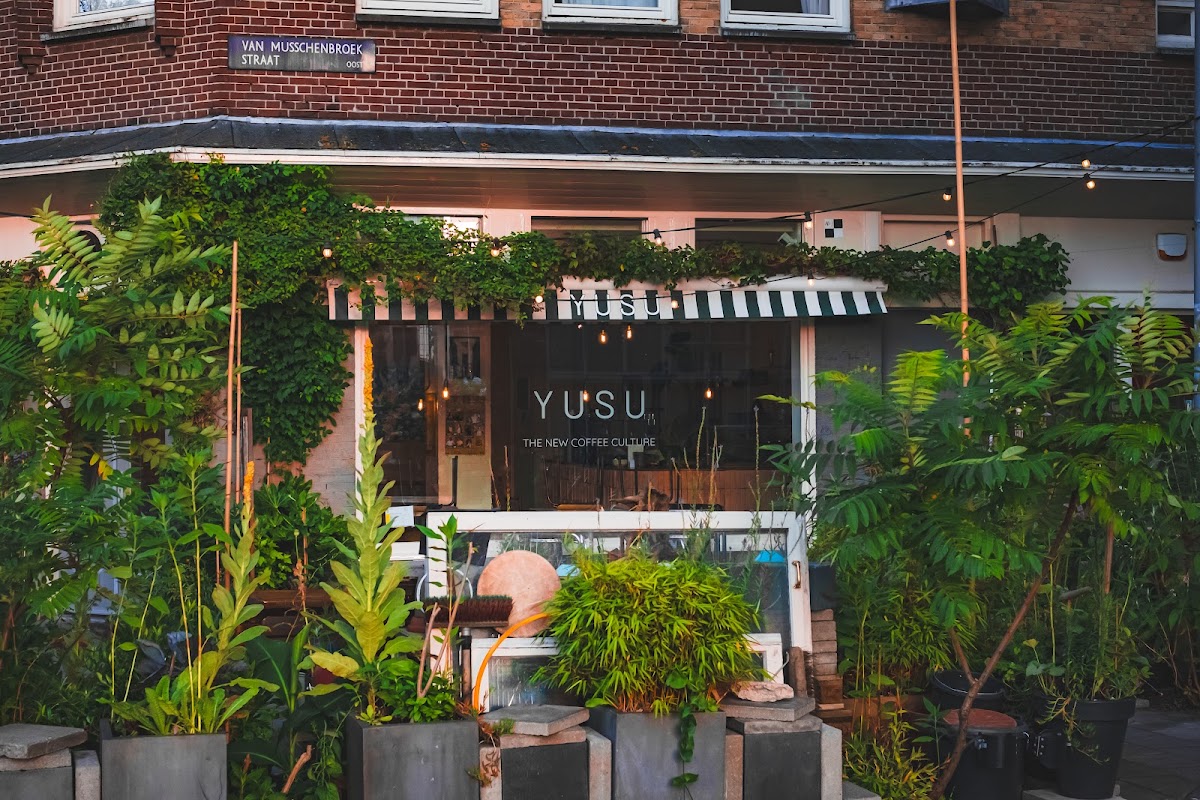
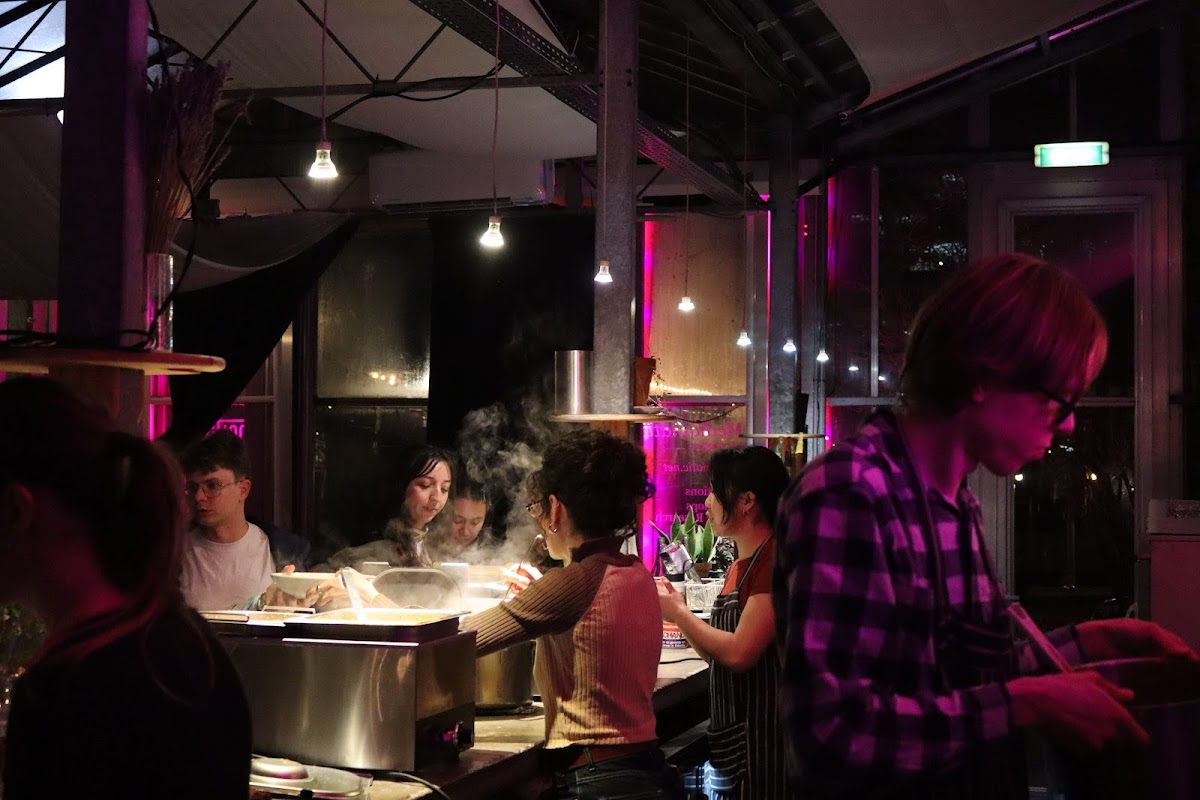
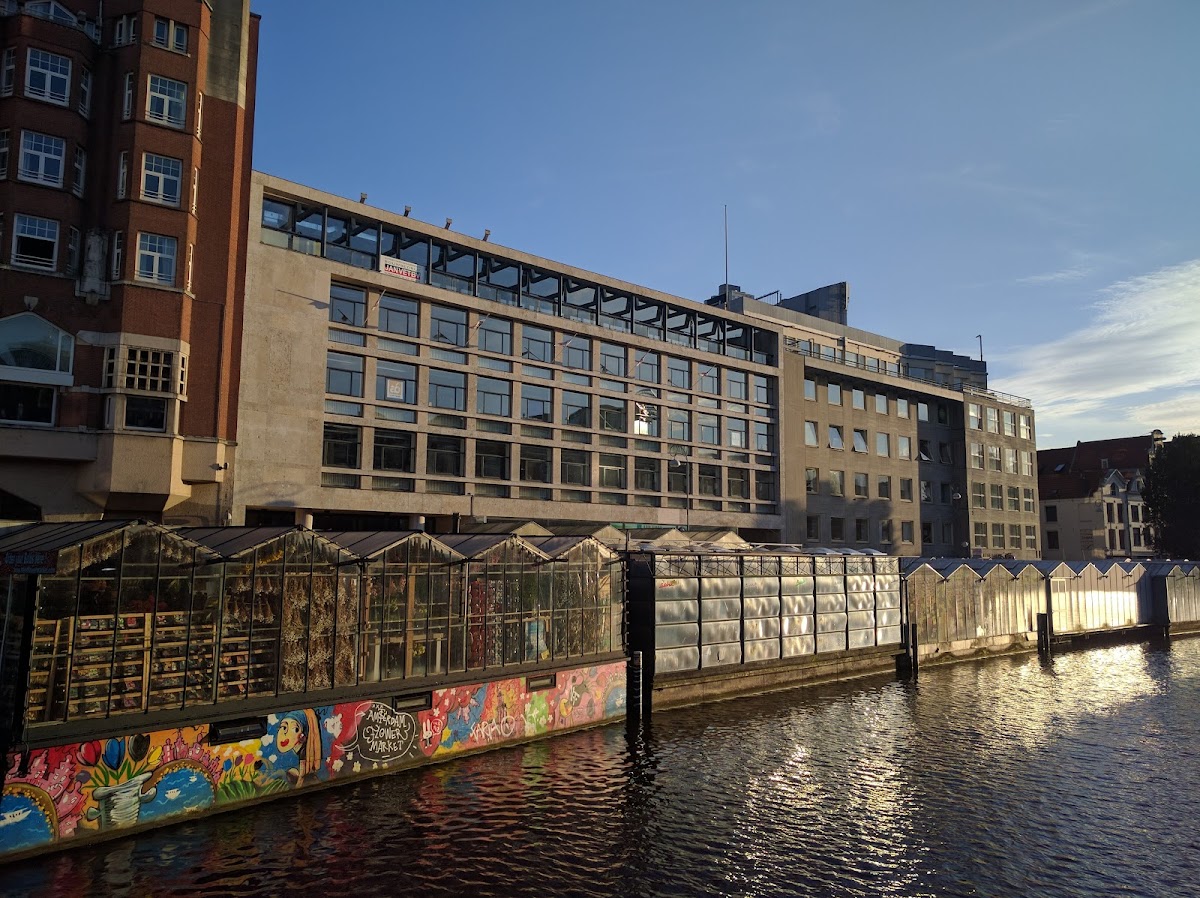
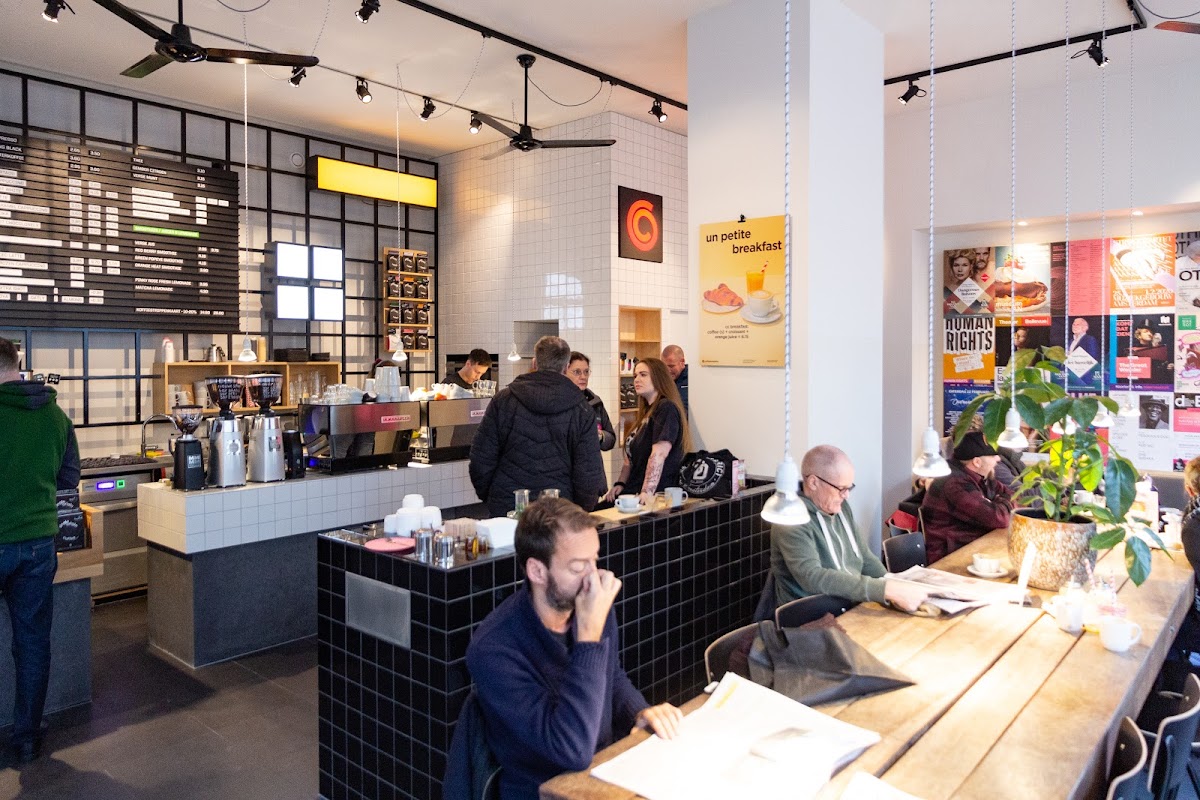
Coworking & cafés in Amsterdam
8 verified workspaces · cross-checked against Google Places & reviewed manually · no paid placements
Things to Do in Amsterdam
Cycling is the primary transport mode and essential for integrating into local life and efficient commuting between coworking spaces.
Renting a small boat or joining canal tours offers unique perspectives on the UNESCO-listed 17th-century architecture and city layout.
World-class art museums offering cultural enrichment and indoor activities during the many rainy days.
Amsterdam's thriving tech scene hosts regular meetups at TQ, B.Amsterdam, and various accelerators perfect for making professional connections.
Schiphol Airport and central train connections make Amsterdam an ideal base for exploring Paris, Berlin, Brussels, and London within hours.
Pros & Cons
Pros
- Virtually everyone speaks fluent English, eliminating language barriers
- World-class cycling infrastructure makes car ownership unnecessary
- Excellent work-life balance culture with Dutch efficiency and respect for personal time
- Central European location with major airport for easy weekend travel
- Highly reliable internet and abundant coworking spaces throughout the city
- Progressive, liberal society with inclusive attitudes and strong expat community
- Compact city size makes everything accessible within 30 minutes by bike
Cons
- Extremely expensive cost of living at $2900/month, among Europe's priciest cities
- Severe housing shortage makes finding apartments difficult and competitive
- Gray, rainy weather for much of the year with limited winter sunlight
- Overwhelming tourist crowds in city center, especially around Red Light District
- Dutch directness in communication can feel blunt or rude to some cultures
- High taxes on income if you become a resident, impacting freelance earnings